SBS Refractory Service
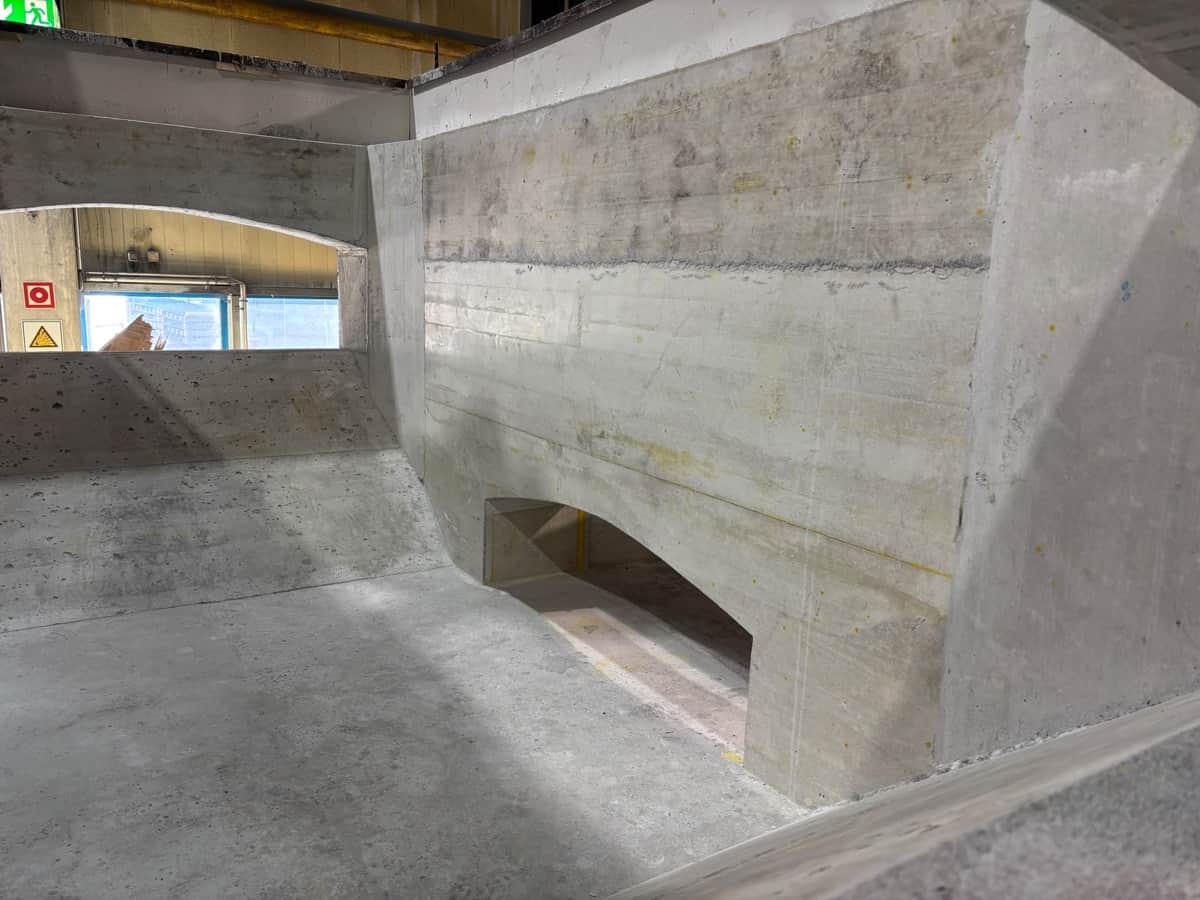
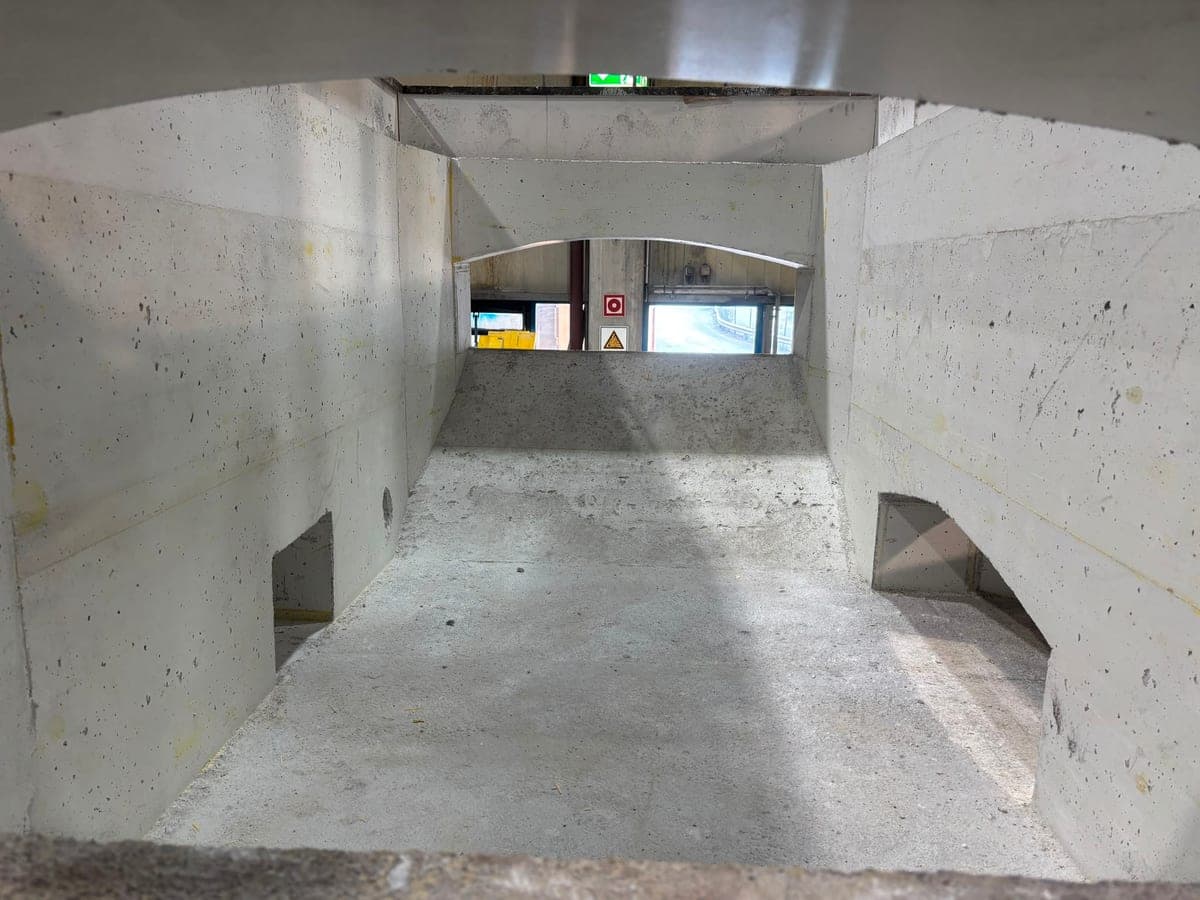
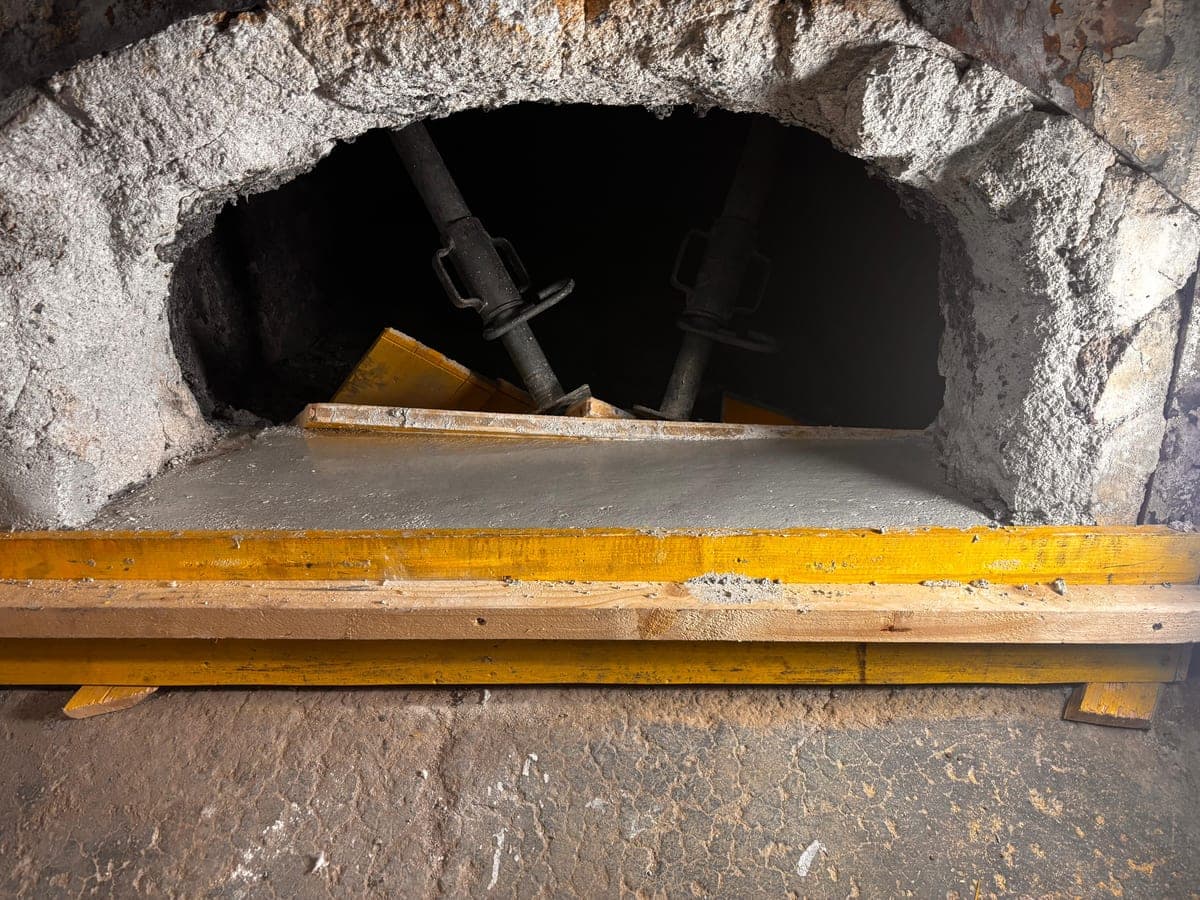
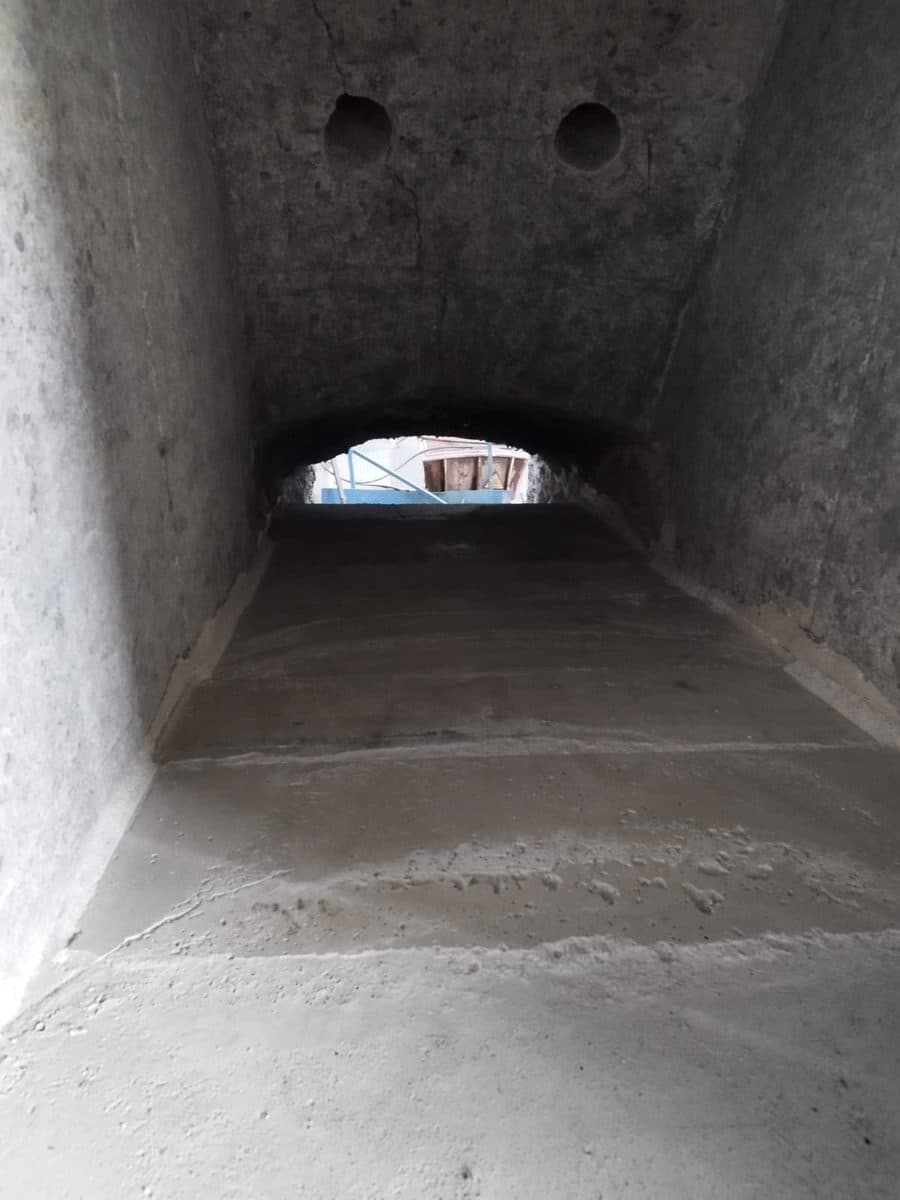
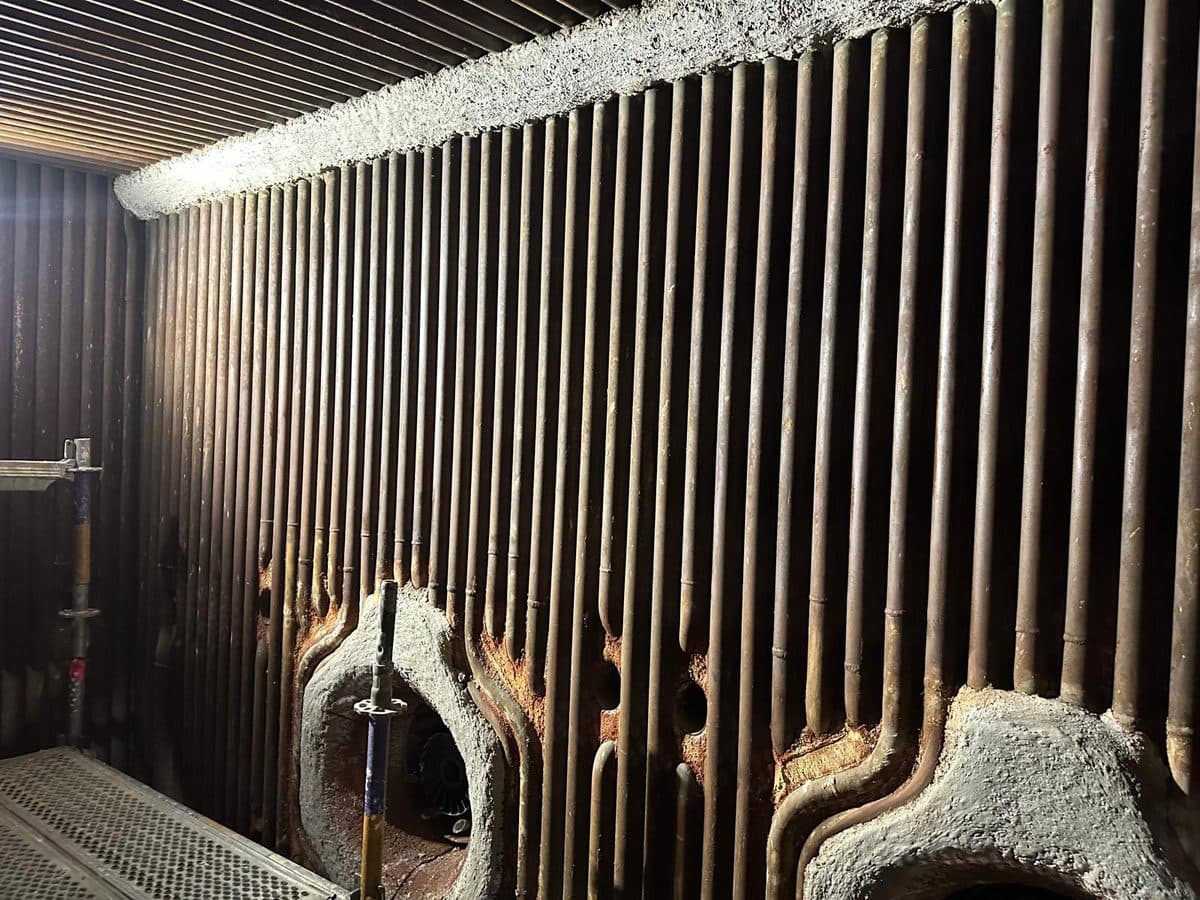
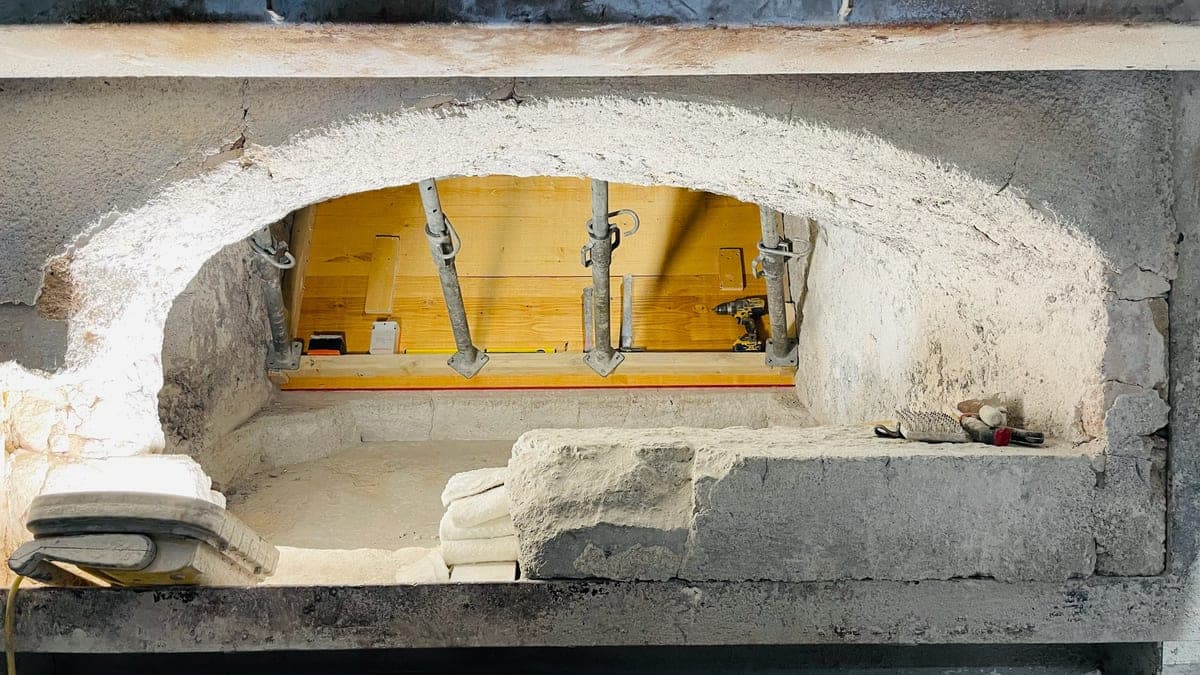
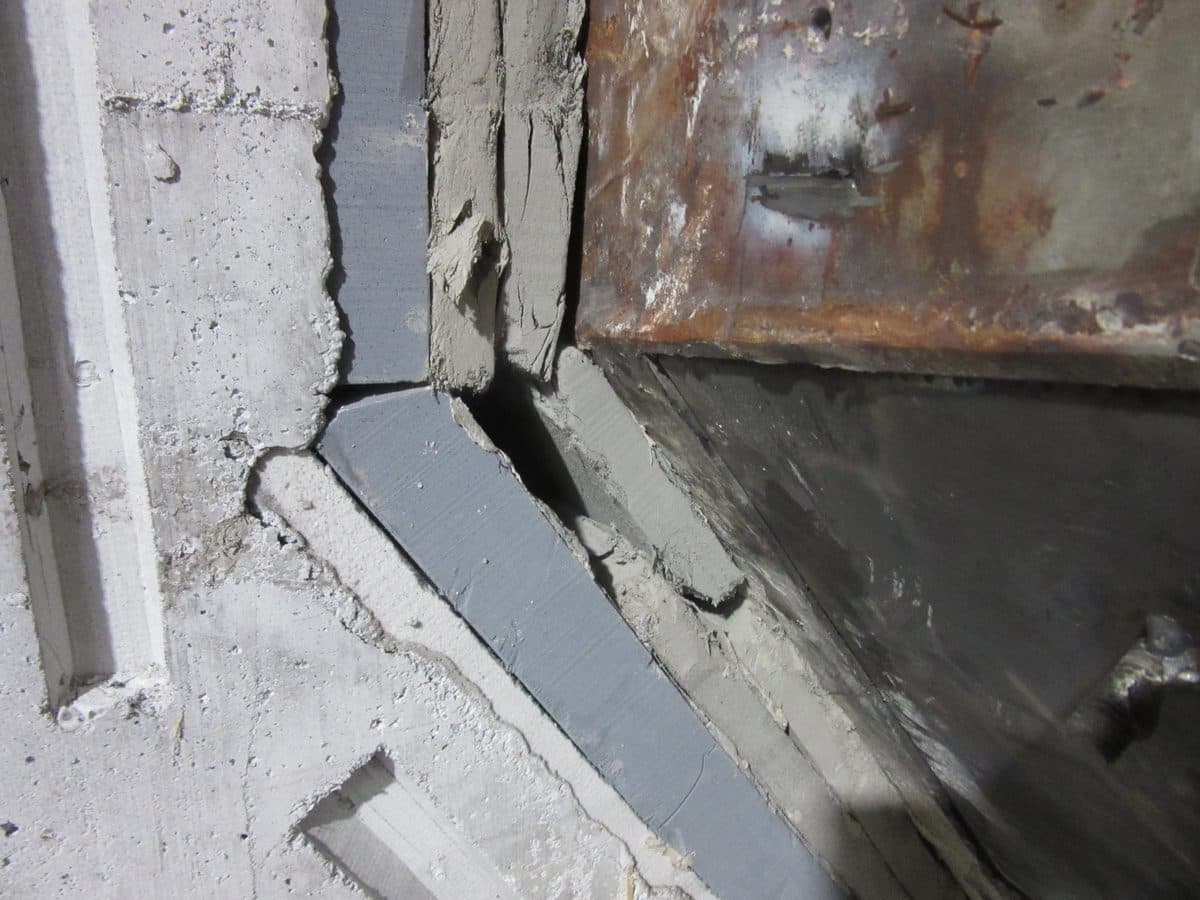
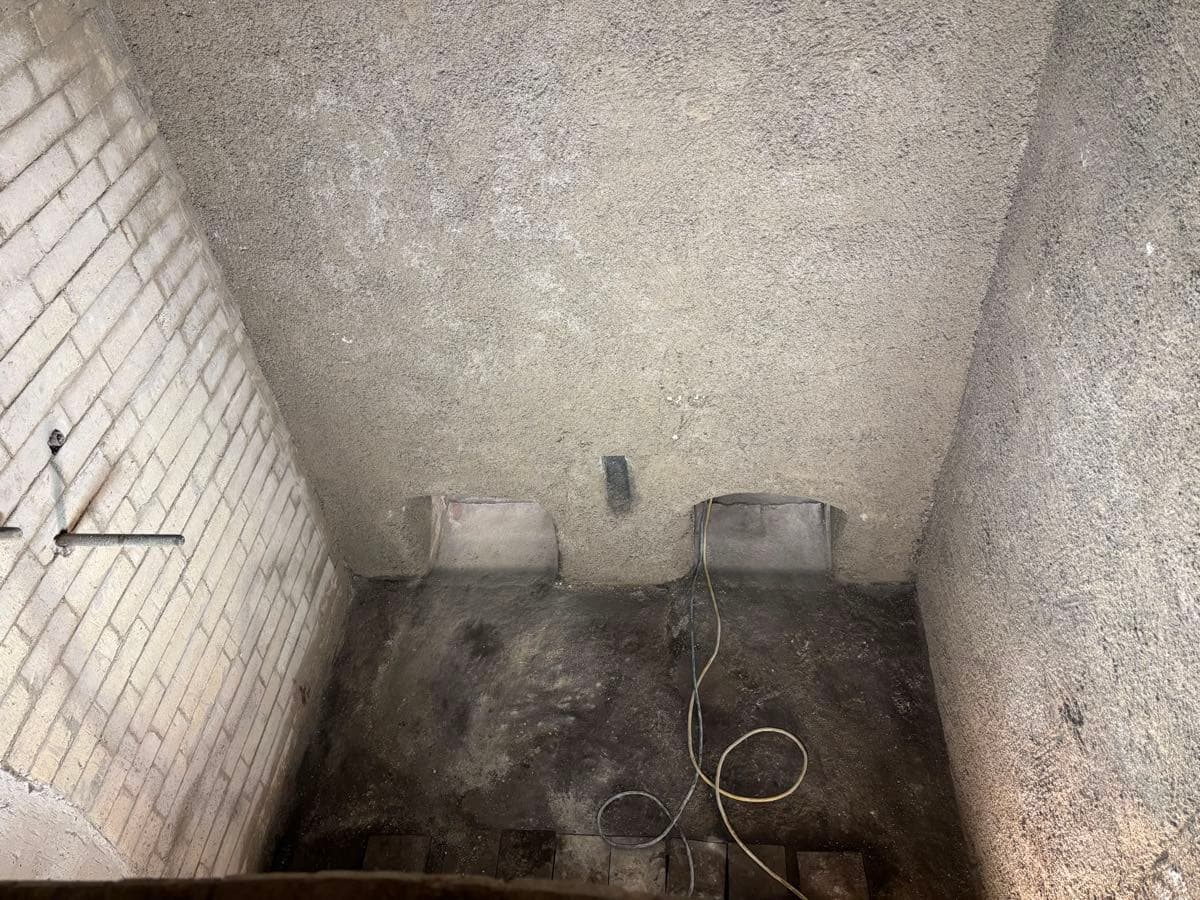
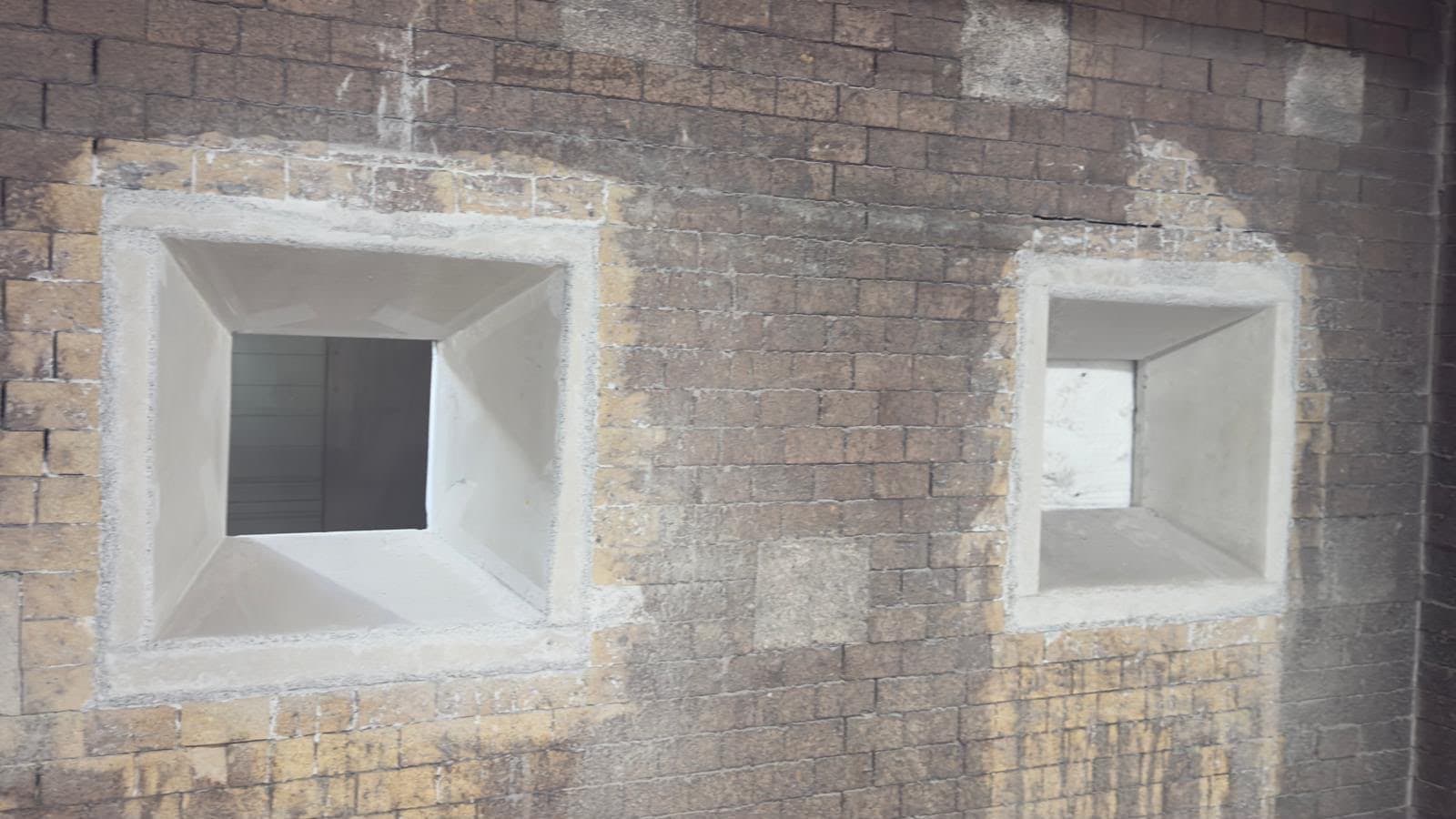
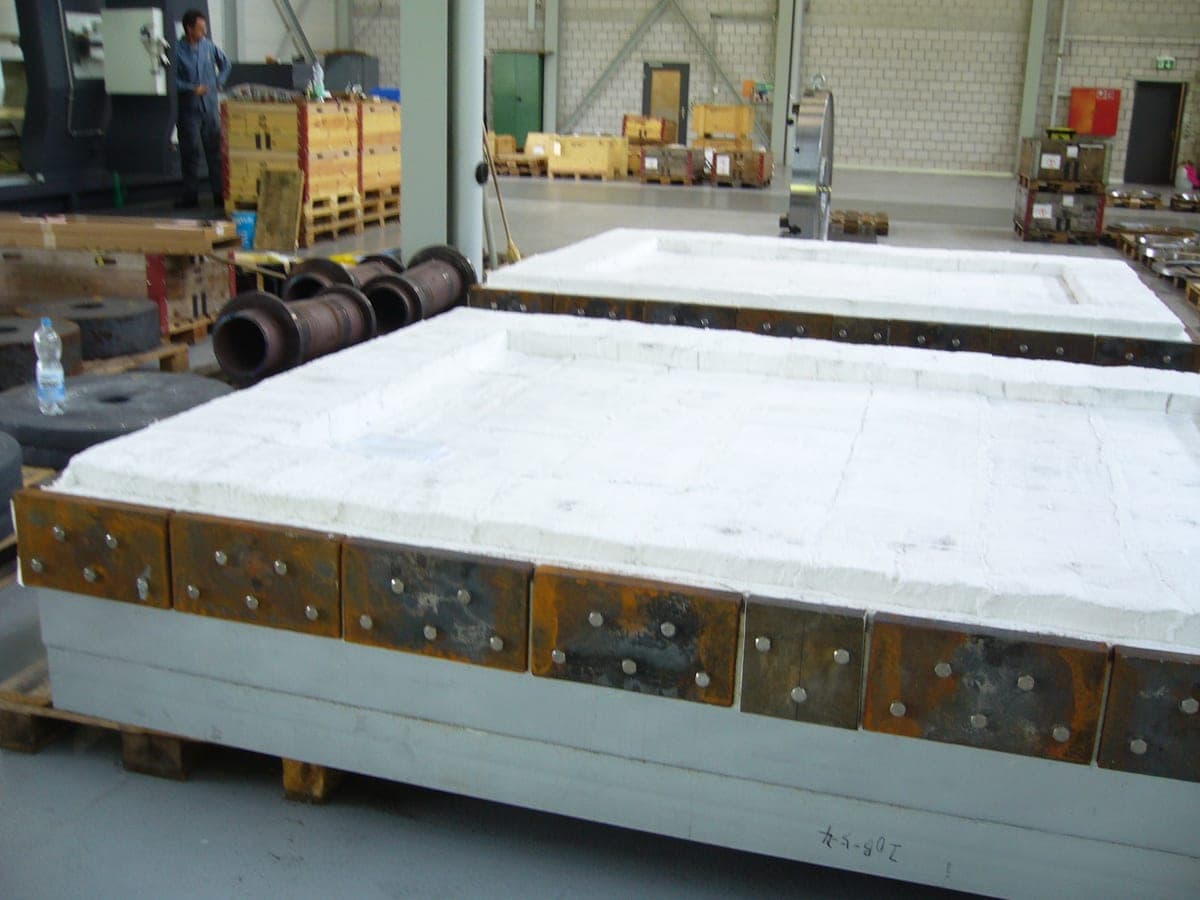
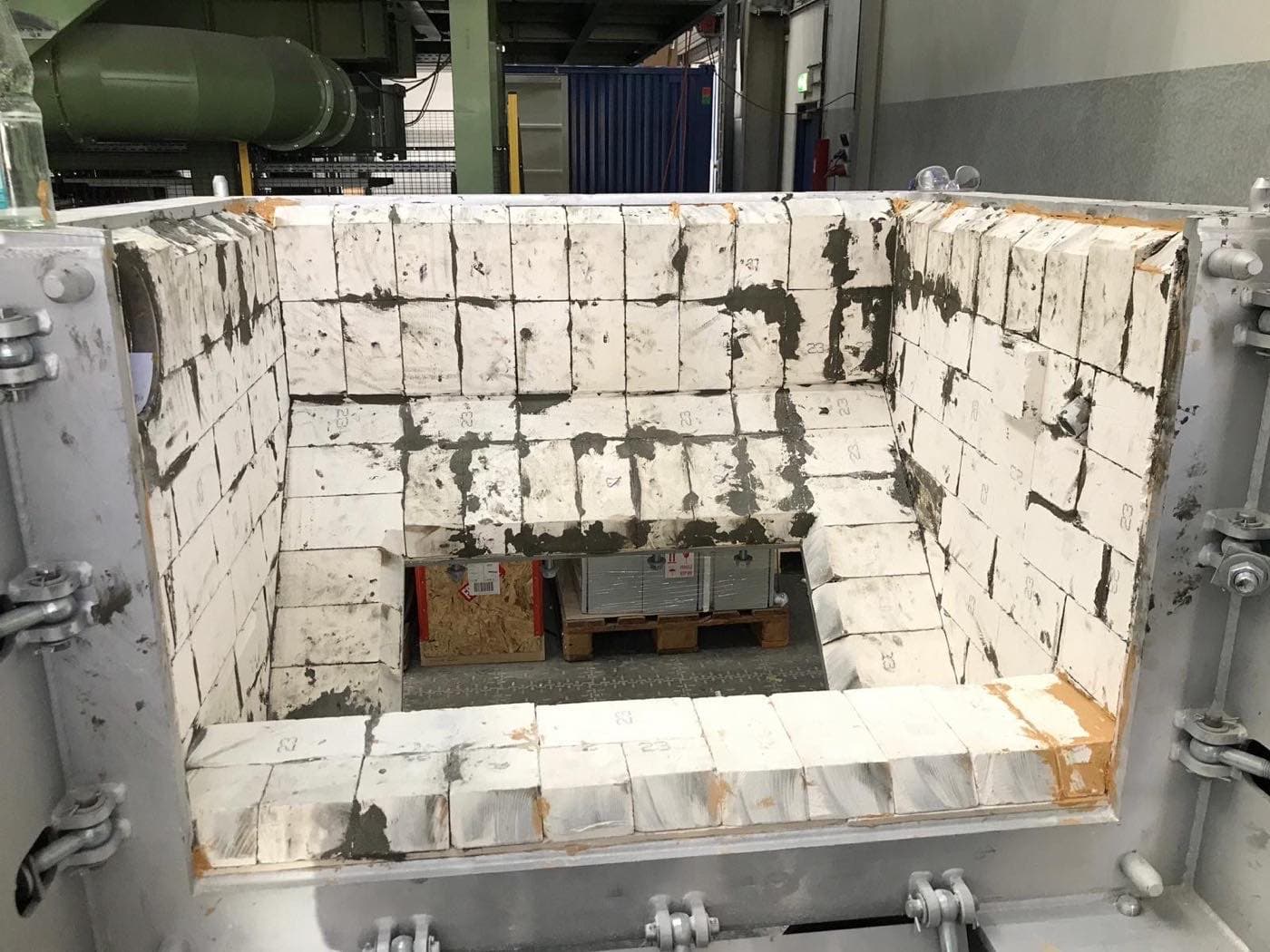
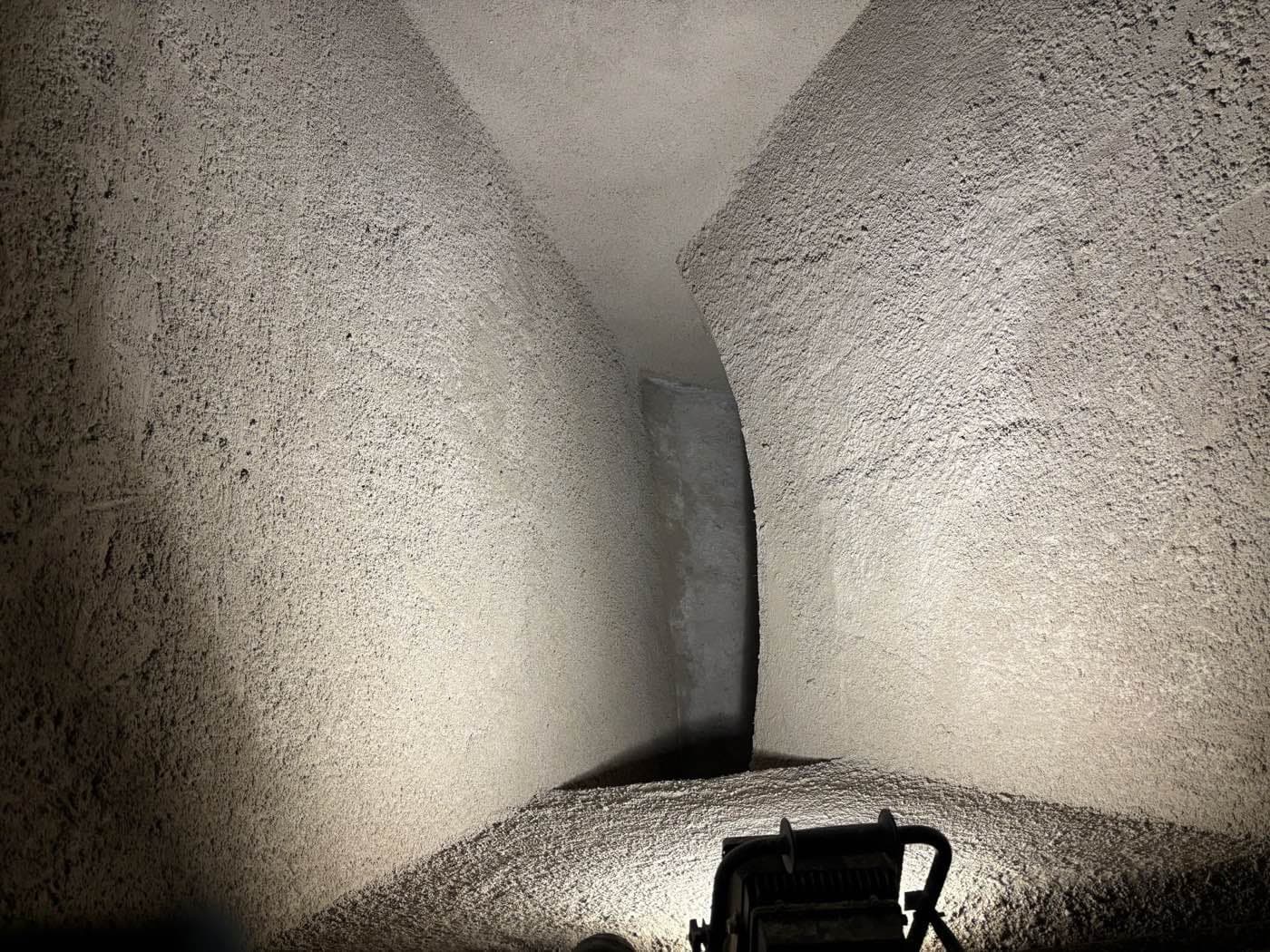
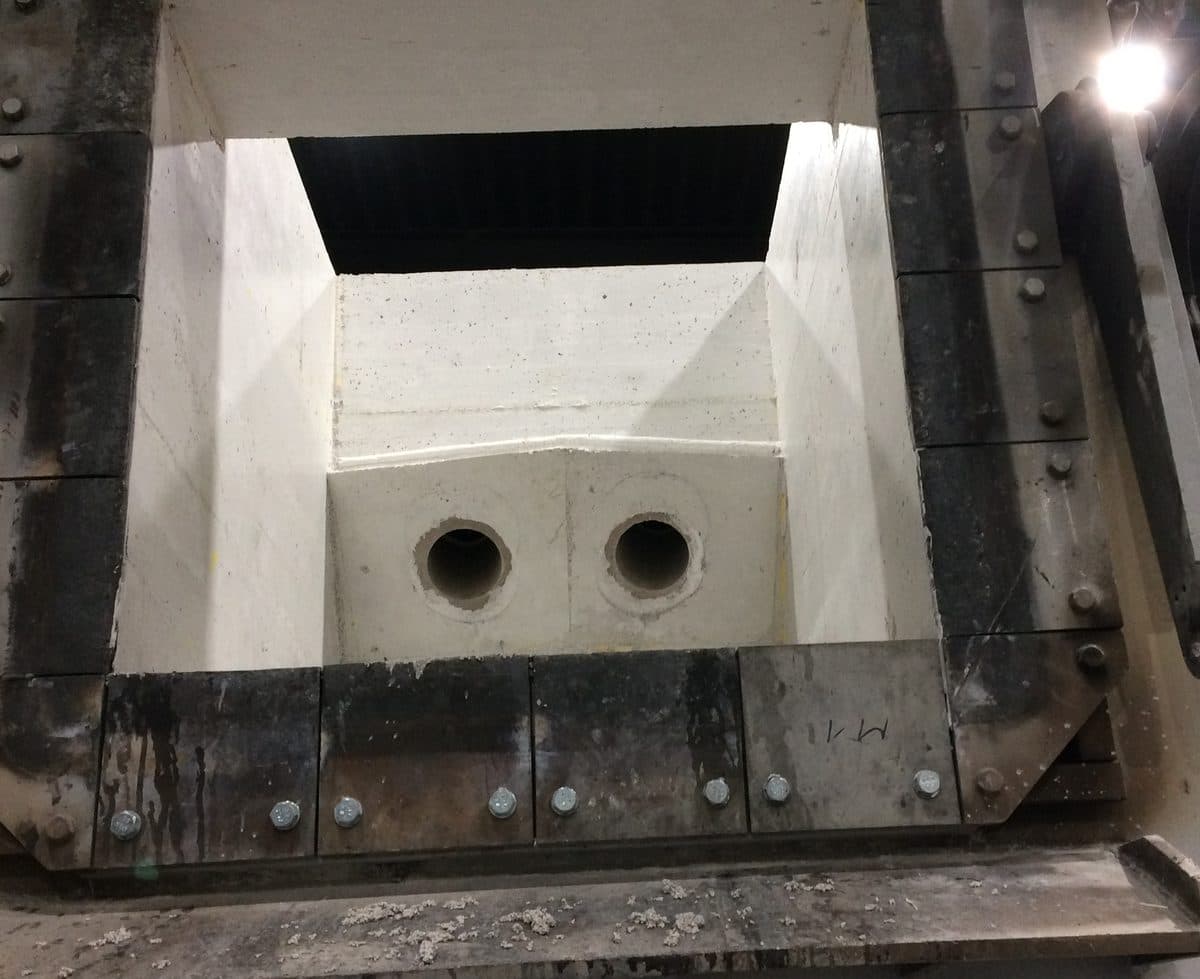
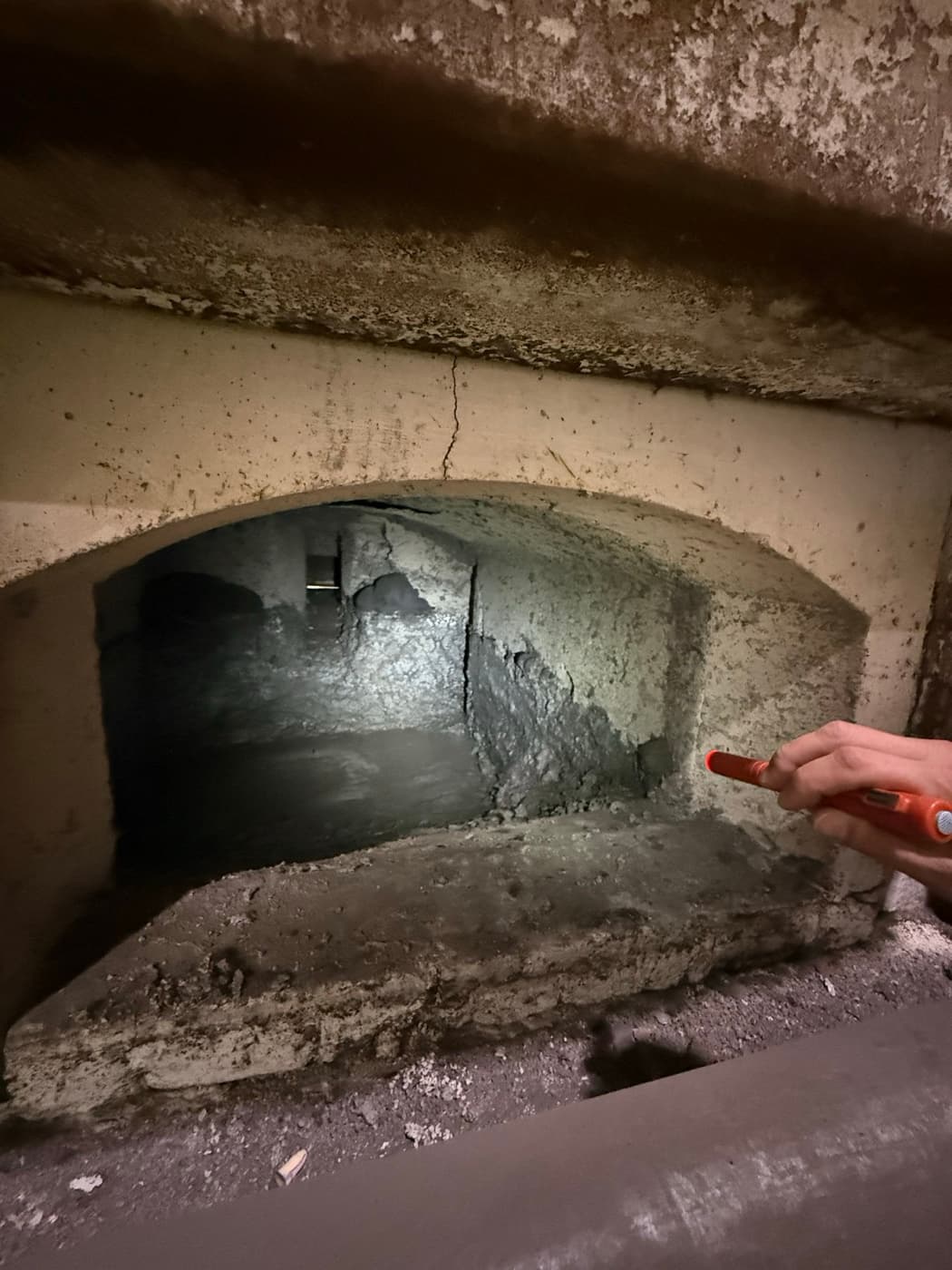
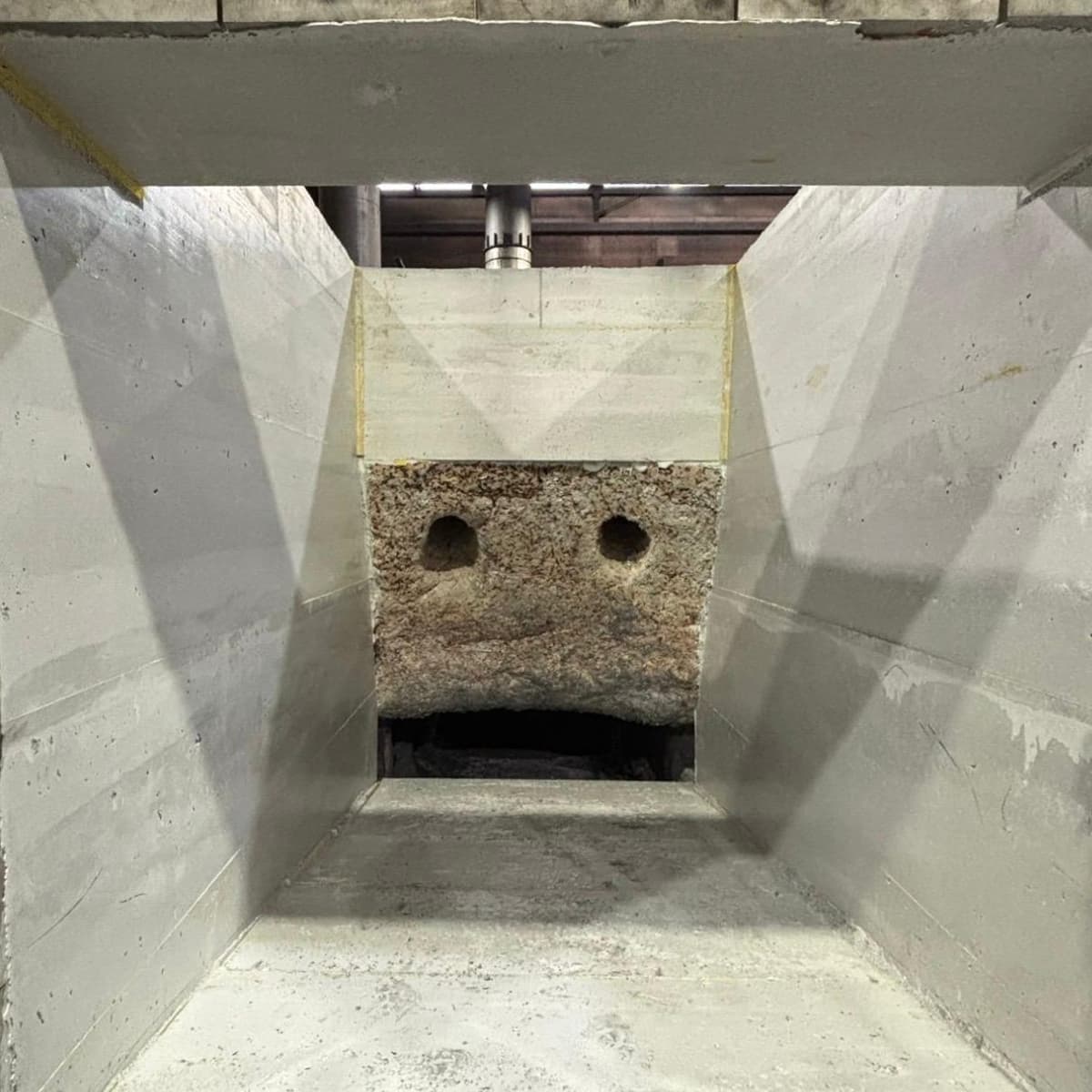
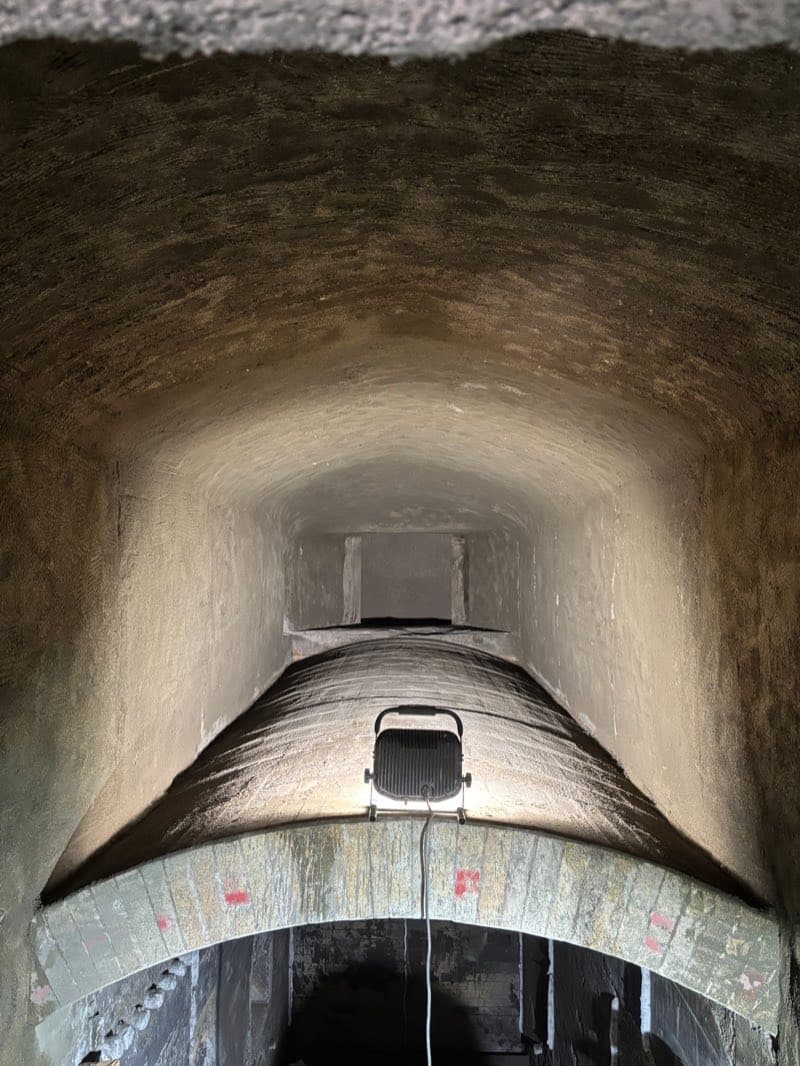
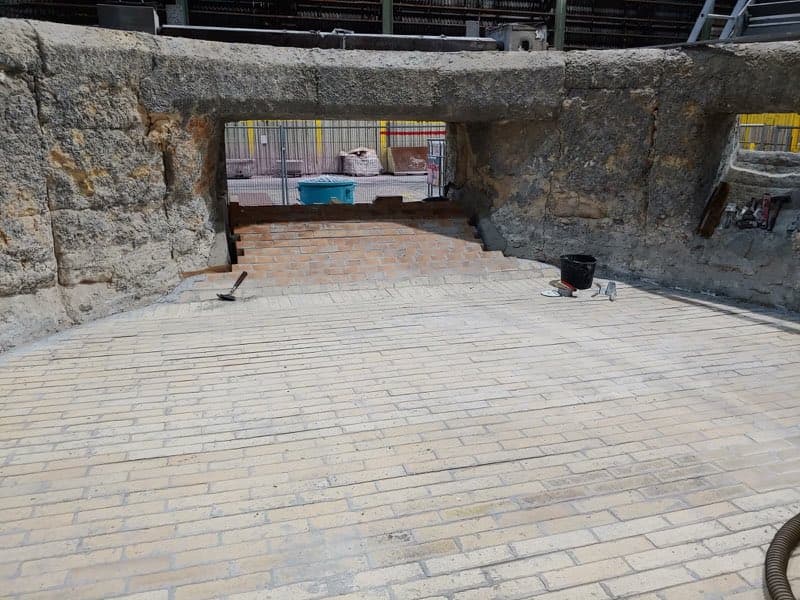
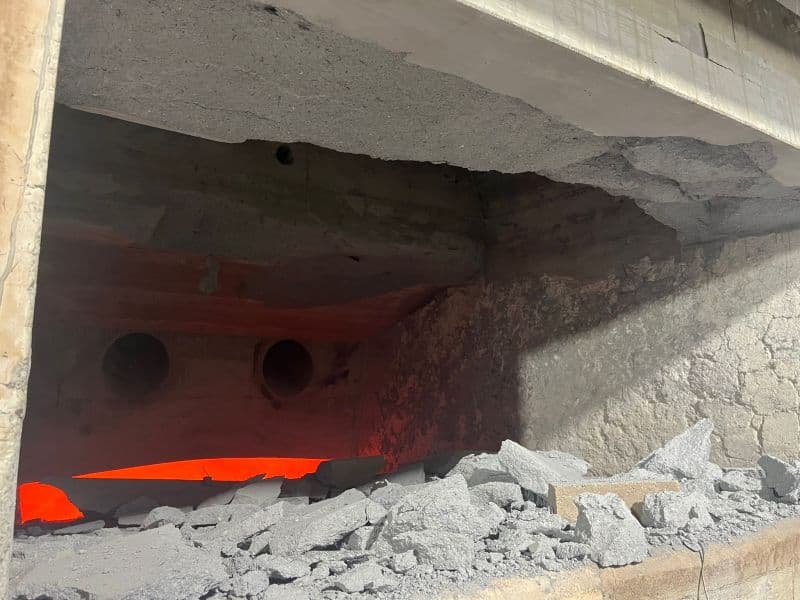
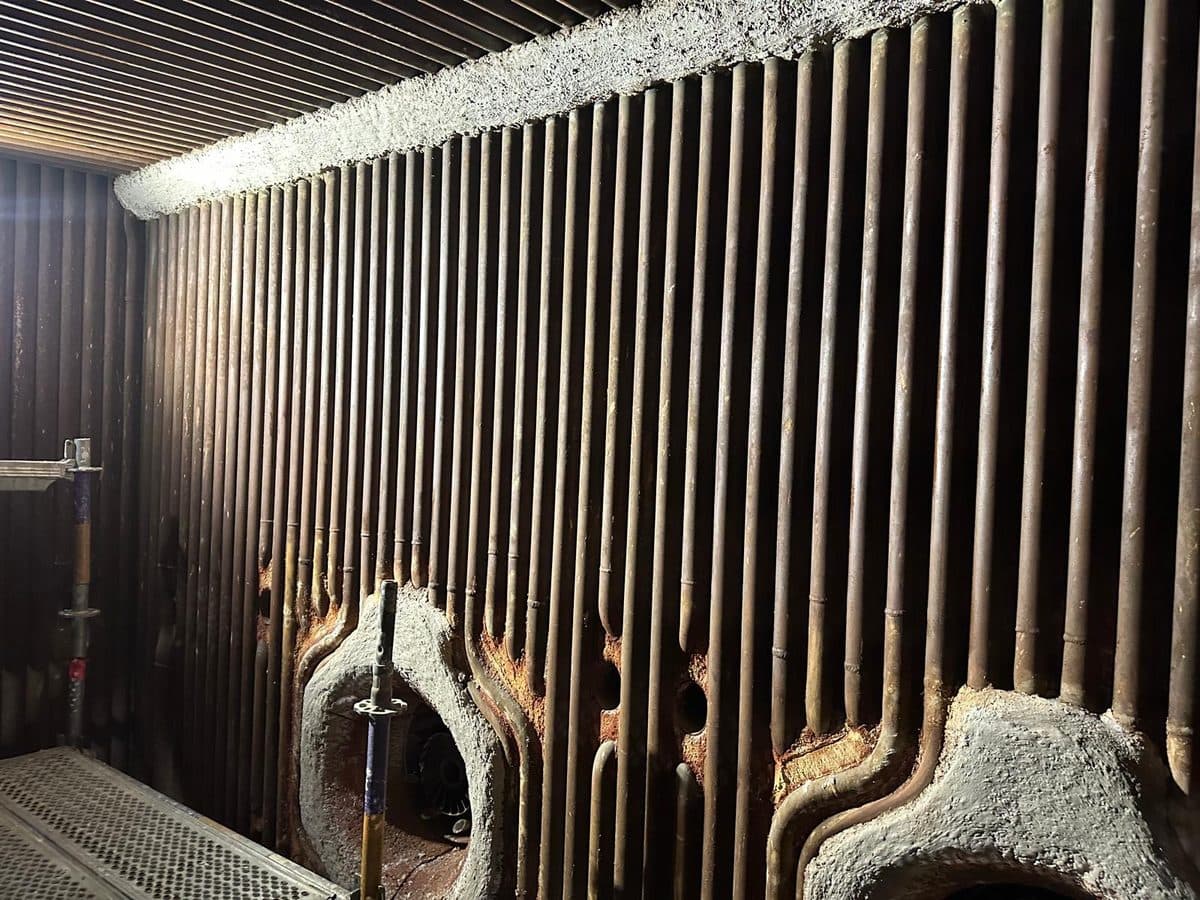
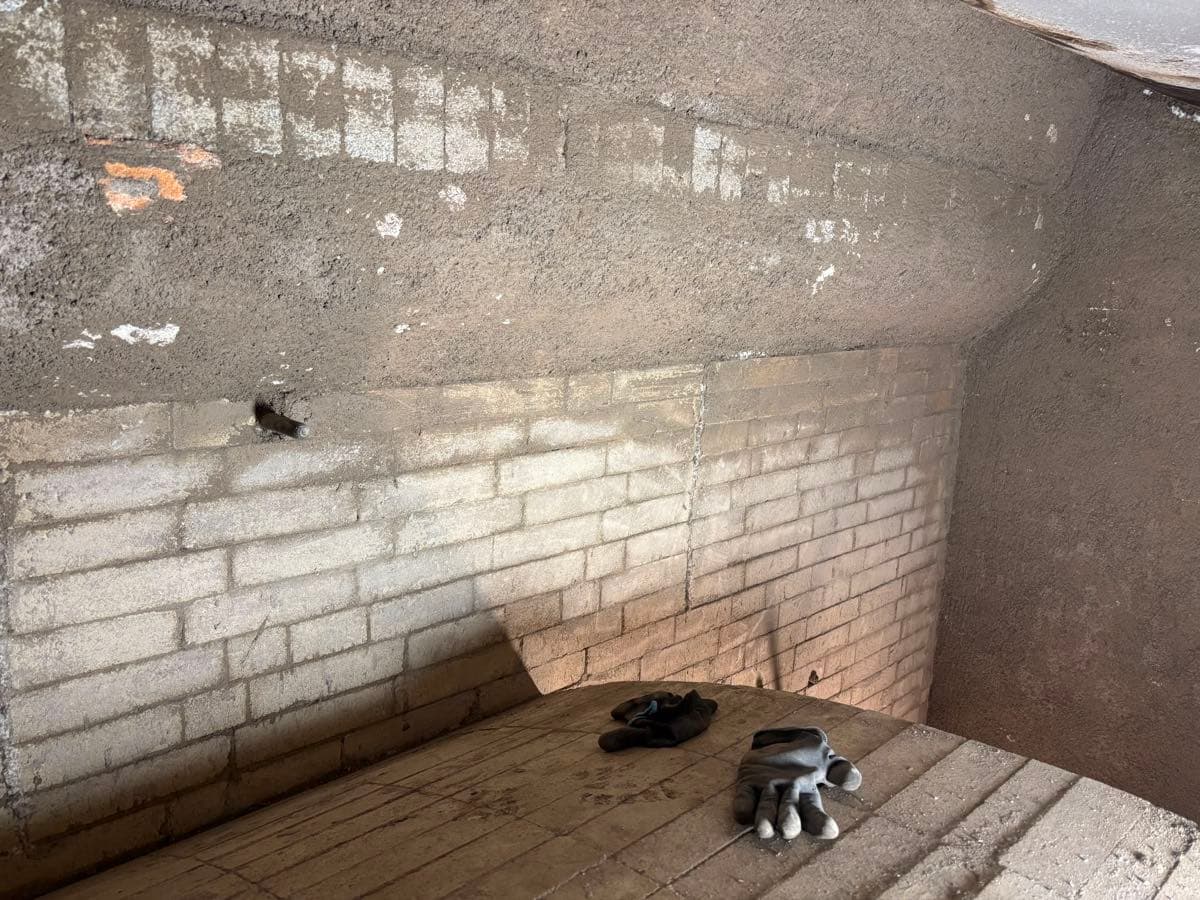
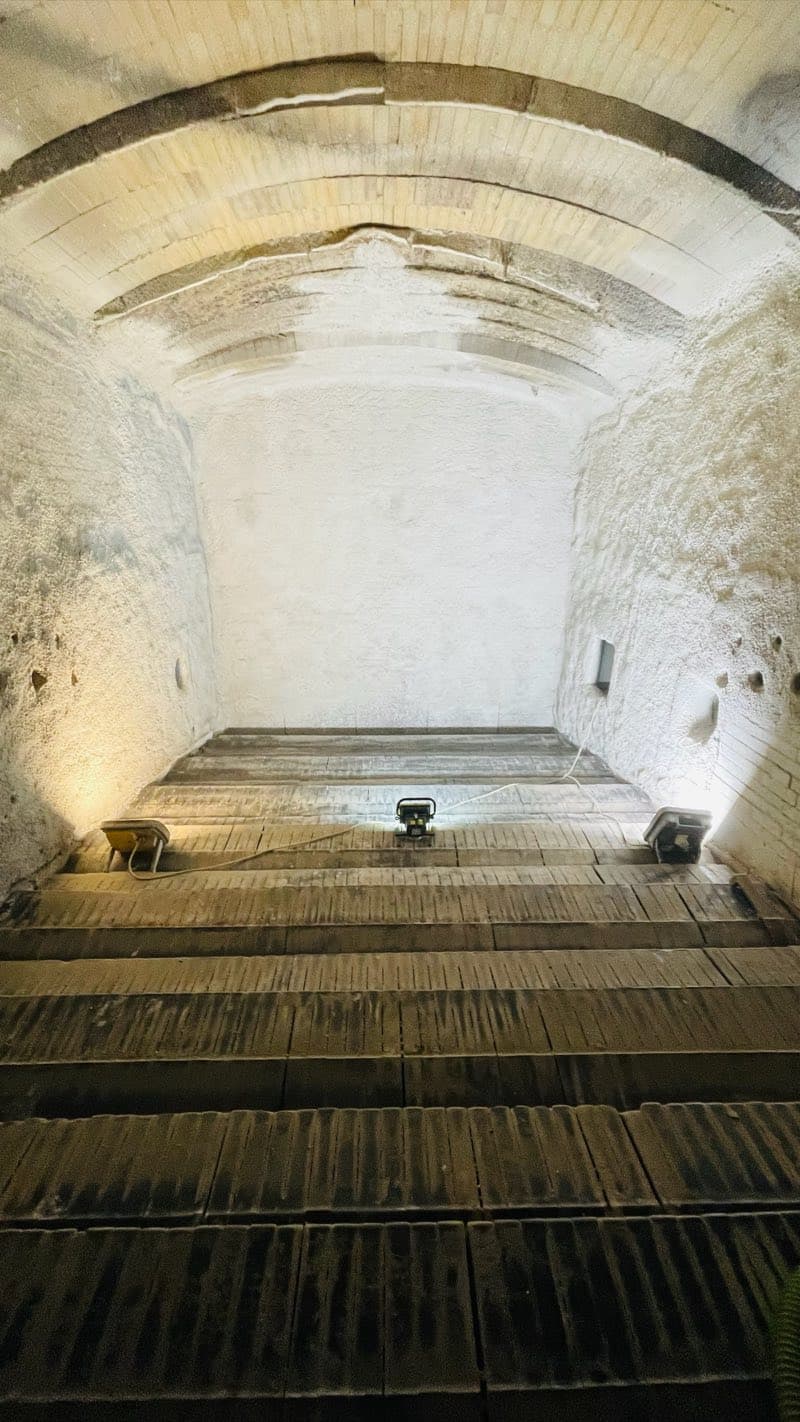
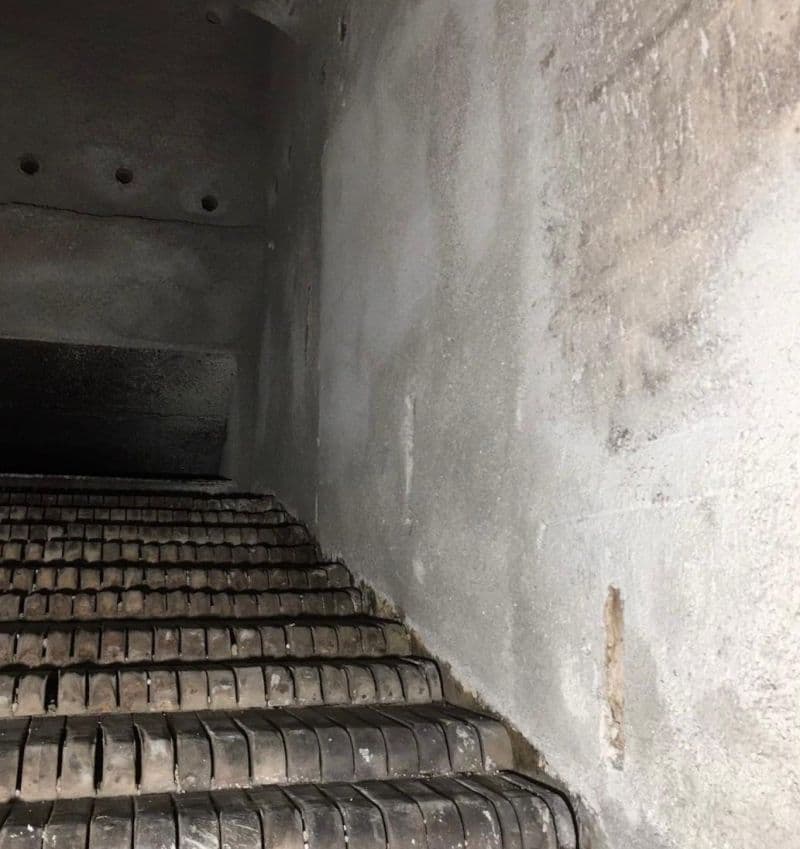
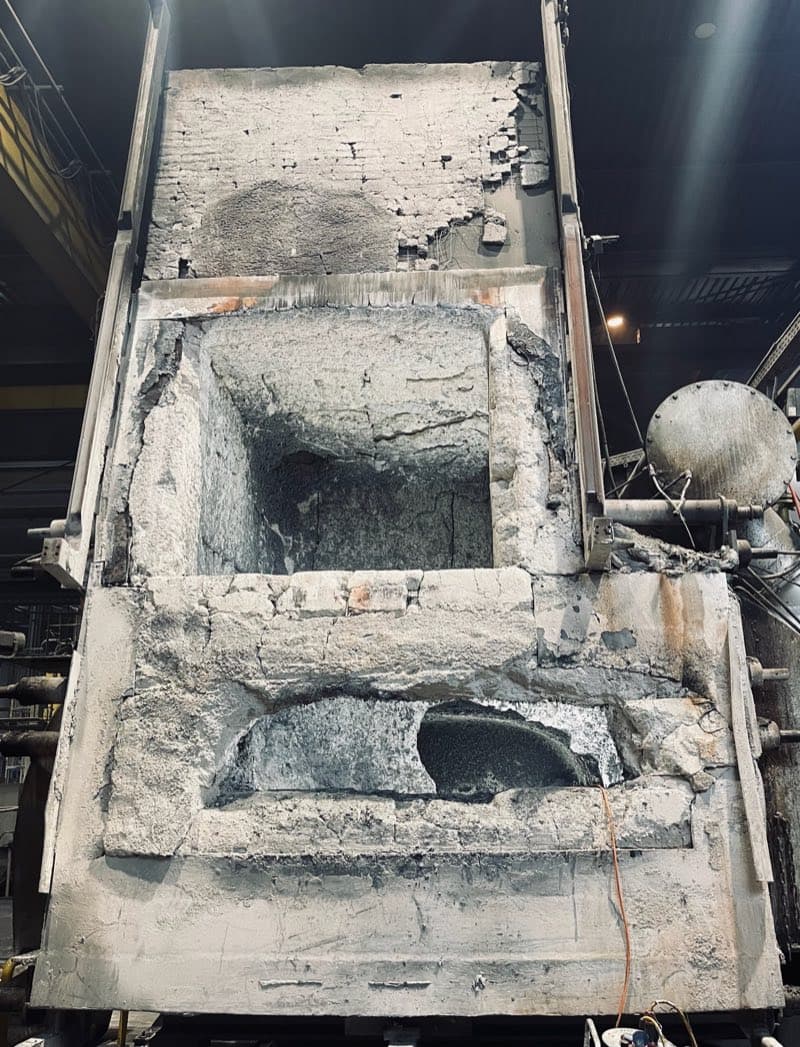
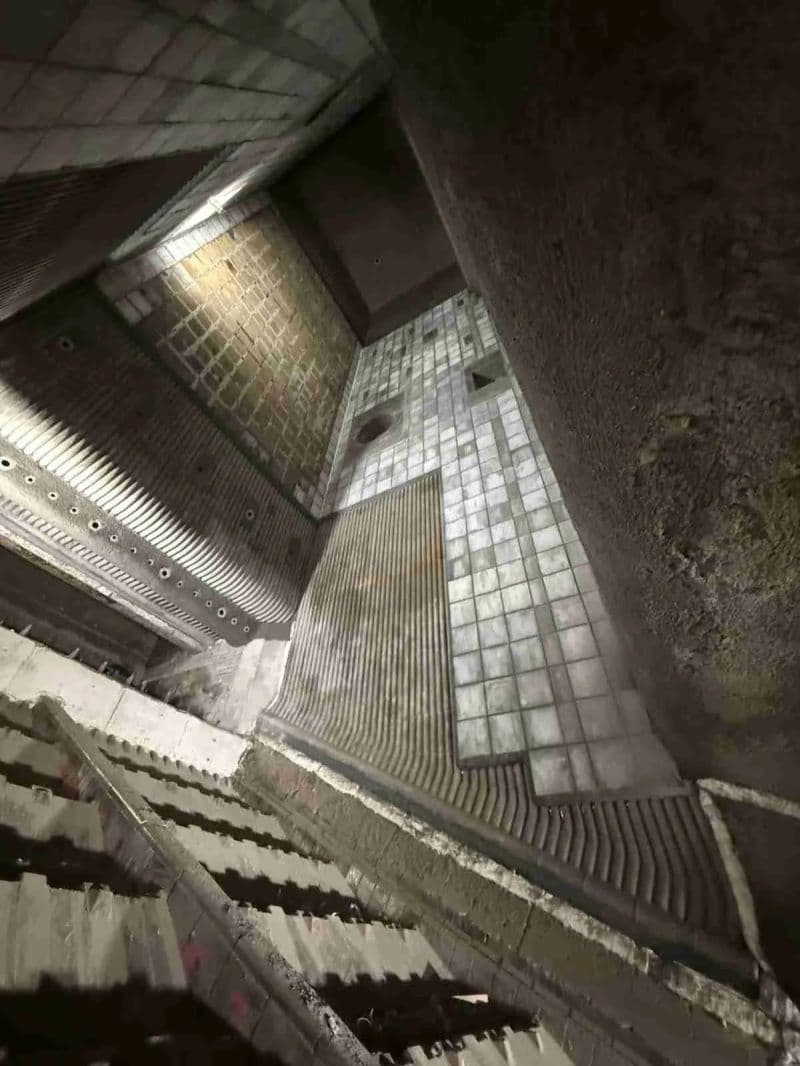
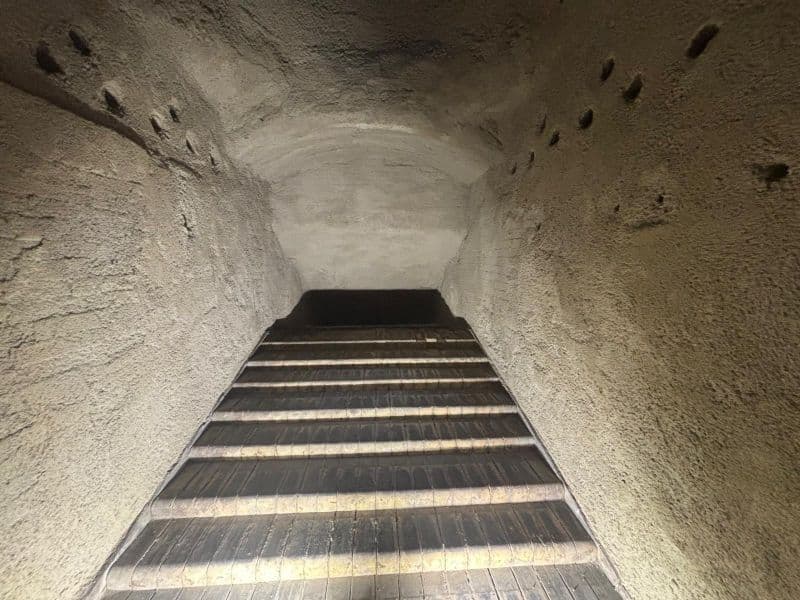
Biomass boiler combustion chamber with firebrick lining above the moving grate and a monolithic lining above it
Refractory engineering

Brick or castable: what belongs where in a biomass combustion chamber

In a combustion chamber with a moving grate, the fuel bed, the grate movement and the alkalis attack in completely different places. Line it all with the same material and you either overpay or stand still again next winter.

7 minBiomassCombustion chamberMoving grateExpansion jointsMaterial selection
New · Download centre

Practice sheets to take away — checklists, tables, curves

Our expert articles now come with two-page practice sheets as PDFs: the extra knowledge for site and purchasing that doesn't fit into the article. The download is free — you sign up once for our technical newsletter.

  • 15 practice sheets, 2 pages A4 each
  • Newsletter once a month, unsubscribe anytime
Expertise

All articles

Layer upon layer: when previous repairs eat up furnace capacity
Refractory technology

Layer upon layer: when previous repairs eat up furnace capacity

An aluminium furnace was delivering 3 tonnes instead of 4. The cause was not wear, but up to 100 mm of gunned concrete that a previous contractor had applied over slag.

4 minRead more
The six-month window: what a postponed maintenance interval costs
Refractory technology

The six-month window: what a postponed maintenance interval costs

A repair deferred to save 5,000 euros cost 80,000 six months later. A year without maintenance cost over 100,000. Twice the same mechanism.

4 minRead more
An emergency is not chaos: how a furnace call-out runs within 24 hours
Refractory technology

An emergency is not chaos: how a furnace call-out runs within 24 hours

Reported on Thursday evening, repaired on Friday. What has to happen in those hours so that an emergency repair does not turn into improvisation.

4 minRead more
Complete overhaul or partial repair: where the line runs
Refractory technology

Complete overhaul or partial repair: where the line runs

The partial repair is cheaper — until it isn't. Three criteria show when the complete overhaul is the more economical decision.

3 minRead more
Material transitions: where the most dangerous damage begins
Refractory technology

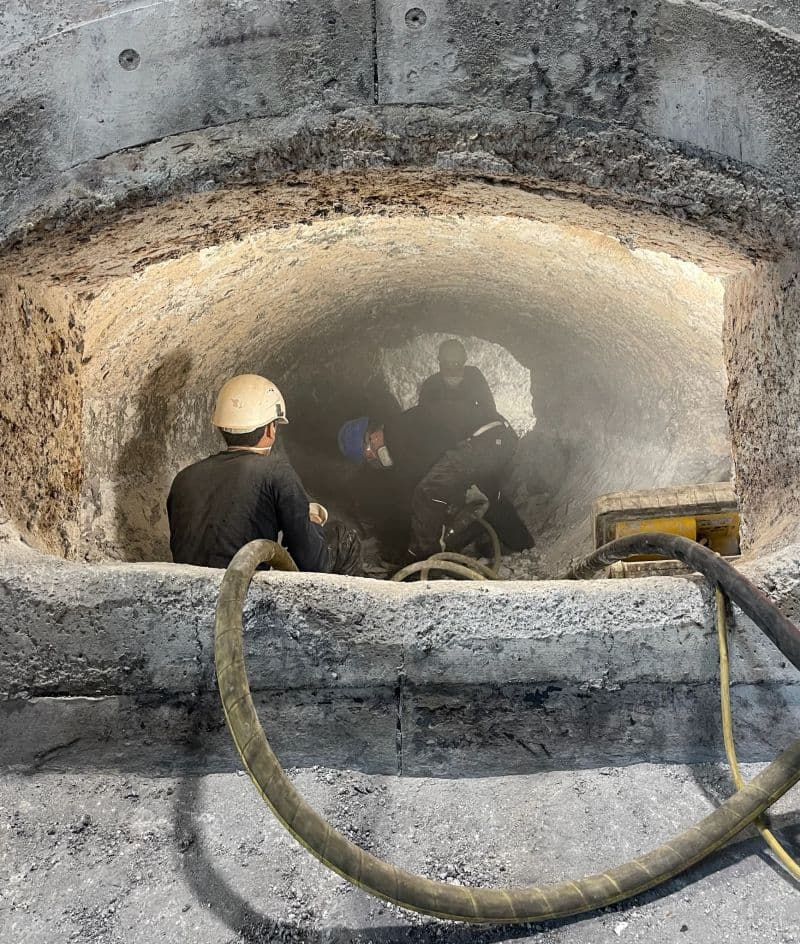
Material transitions: where the most dangerous damage begins

It is not the material that fails first, but the point where two materials meet. Why transitions are the focal point of damage in every lining.
4 minRead more
The charging chamber: the underestimated energy drain on an aluminium furnace
Refractory technology

The charging chamber: the underestimated energy drain on an aluminium furnace

It is opened with every charge, mechanically stressed and rarely inspected. Why of all things the charging chamber decides the energy balance.

3 minRead more
Reading crack patterns: symptom, cause, need for action
Refractory technology

Reading crack patterns: symptom, cause, need for action

Cracks are symptoms, not surprises. How the course, width and position of a crack reveal what lies behind it — and what needs to be done.

4 minRead more
Keep the steelwork, renew the lining: the furnace hood as a repair case
Refractory technology

Keep the steelwork, renew the lining: the furnace hood as a repair case

A worn furnace hood does not have to be built anew. How to tell whether the steel structure underneath will still carry a second lining.

3 minRead more
Wall thickness and safety: when a lining becomes too thin
Refractory technology

Wall thickness and safety: when a lining becomes too thin

Residual wall thickness is the hardest shutdown criterion in furnace operation — and the one most rarely measured. How to determine the limit before it is crossed.

4 minRead more
Strip-out by excavator or by hand: criteria for the demolition method
Refractory technology

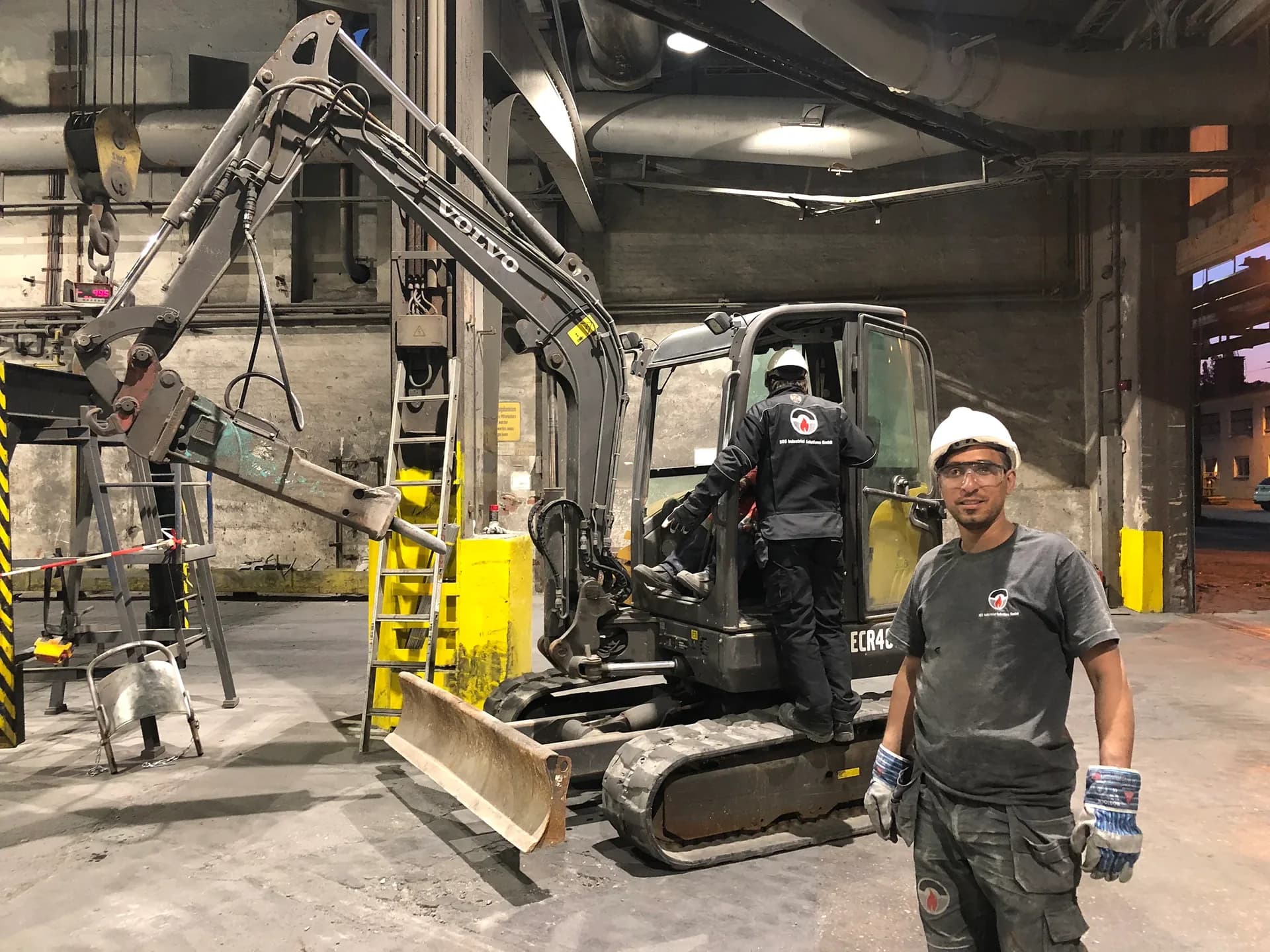
Strip-out by excavator or by hand: criteria for the demolition method

Mechanical strip-out is faster — but not possible everywhere. Four questions decide which method suits the plant and the shutdown window.

3 minRead more
What a multi-year lining contract does differently from the one-off order
Refractory technology

What a multi-year lining contract does differently from the one-off order

With a one-off order, every project starts from zero. What changes when the same contractor looks after a site over a period of years.

3 minRead more
Overhauling a low-pressure die casting furnace: when the general overhaul is the better investment
Refractory technology

Overhauling a low-pressure die casting furnace: when the general overhaul is the better investment

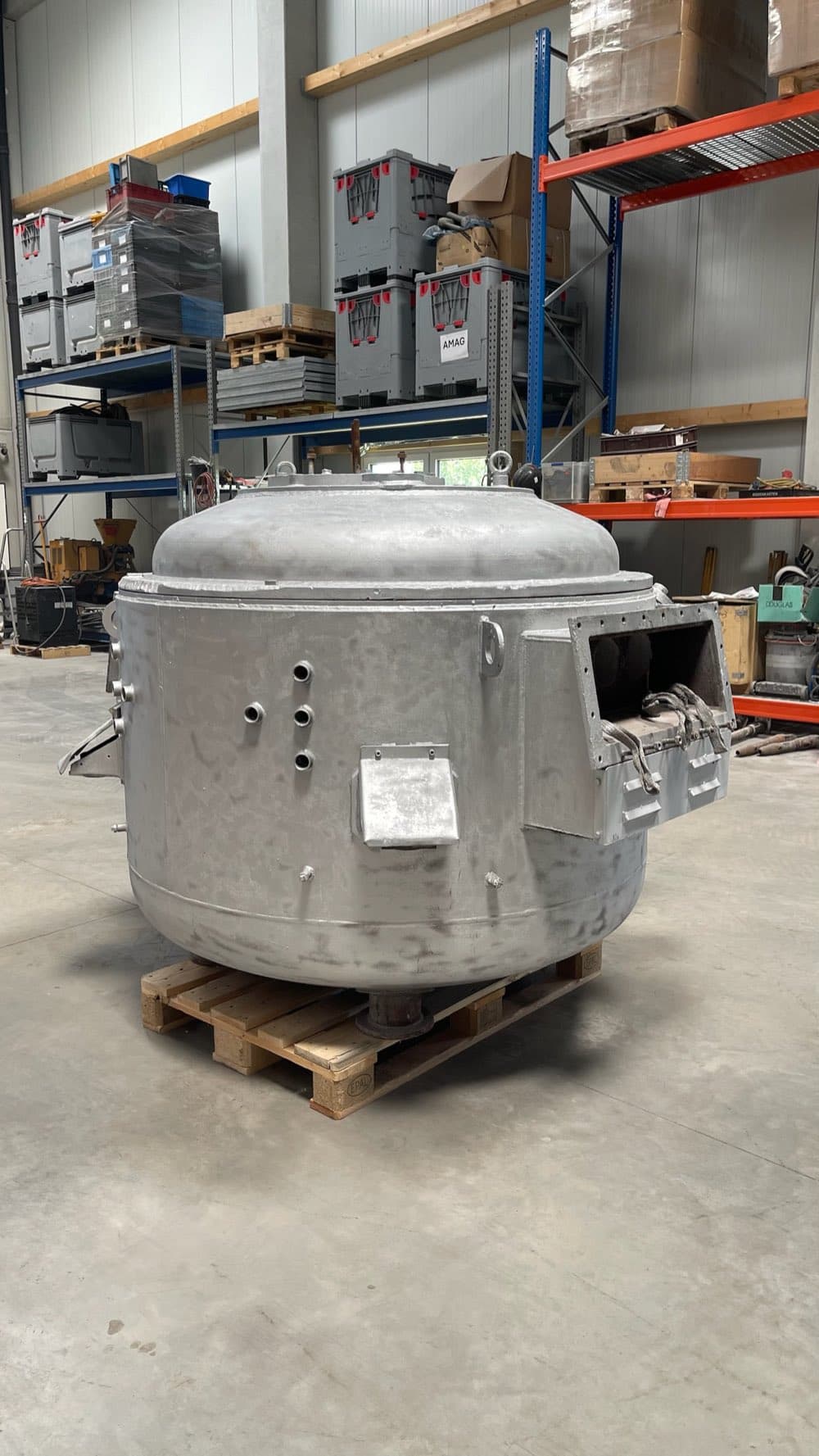
A low-pressure die casting furnace is a refractory-lined pressure vessel — and it can be fully reconditioned instead of replaced. What counts technically during the overhaul.

3 minRead more
Industrial electricity price: what the 50 per cent condition means for operators
Industry & energy transition

Industrial electricity price: what the 50 per cent condition means for operators

The 50 per cent condition on the industrial electricity price is usually quoted in short. The exact wording matters to furnace operators: the lining can be an eligible efficiency measure.

2 minRead more
Adhesion decides: why substrate preparation determines service life
Refractory technology

Adhesion decides: why substrate preparation determines service life

The most expensive refractory material will not hold if the substrate is not right. Four steps that nobody sees in the end — and that determine the service life of the entire lining.

2 minRead more
Thermography on a running furnace: spotting damage before it leads to a shutdown
Refractory technology

Thermography on a running furnace: spotting damage before it leads to a shutdown

Around 80 per cent of refractory failures announce themselves — often weeks in advance. Thermography on the running furnace makes them visible without interrupting operation.

2 minRead more
The bath line: why the boundary between melt and air is the most critical zone
Refractory technology

The bath line: why the boundary between melt and air is the most critical zone

When an aluminium furnace fails, it almost always starts at the same narrow line: where the melt meets the air. The bath line is the most demanding zone in the entire furnace.

2 minRead more
Casting instead of bricking: when a monolithic lining beats brickwork
Refractory technology

Casting instead of bricking: when a monolithic lining beats brickwork

Brickwork or monolithic castable? When lining an aluminium furnace, this question often decides years of service life — usually in the joints.

2 minRead more
The combustion chamber from the inside: what matters when lining the hottest zone
Refractory technology

The combustion chamber from the inside: what matters when lining the hottest zone

The combustion chamber is the heart of every grate firing system — its lining determines the availability of the entire plant. Five points from practice.

2 minRead more
Anchoring: the invisible part of the lining that determines service life
Refractory technology

Anchoring: the invisible part of the lining that determines service life

When a lining fails prematurely, the refractory material is rarely to blame — the anchoring behind it is. Five rules from overhaul practice.

2 minRead more
The arch above the furnace door: why of all places this spot fails first
Refractory technology

The arch above the furnace door: why of all places this spot fails first

The most common weak point on an industrial furnace is rarely where you look for it: it is above the door. Four causes and the route to a repair relining.

2 minRead more
A dosing furnace is not a melting furnace: refractory lining in holding operation
Refractory technology

A dosing furnace is not a melting furnace: refractory lining in holding operation

A holding and dosing furnace does not melt, it keeps aluminium liquid for weeks. Instead of thermal shock, permanent contact with the melt dominates.

2 minRead more
Slagging in the biomass boiler: the surface determines the cleaning intervals
Refractory technology

Slagging in the biomass boiler: the surface determines the cleaning intervals

In a biomass boiler, ash deposits are rarely the real problem — the problem is how quickly they come back. Five levers from biomass CHP projects.

2 minRead more
Expansion joints: the most inconspicuous cause of refractory damage
Refractory technology

Expansion joints: the most inconspicuous cause of refractory damage

A 10-metre fireclay wall expands by around 5 centimetres when heated up. If that expansion is given no room, spalling and cracks are the result.

2 minRead more
The furnace walk-through: what a look inside reveals
Refractory technology

The furnace walk-through: what a look inside reveals

Thermography from outside shows symptoms; the walk-through during a shutdown shows causes. Four inspection points and the outcome: a prioritised action plan.

2 minRead more
The heat-up curve: why the first few days decide years of service life
Refractory technology

The heat-up curve: why the first few days decide years of service life

The complete relining is finished — and now begins the phase that decides years of service life: the controlled heat-up.

2 minRead more
What does an hour of furnace downtime cost? The figure that decides the strategy
Refractory technology

What does an hour of furnace downtime cost? The figure that decides the strategy

What does an hour of unplanned furnace downtime cost? That figure decides the right maintenance strategy — and very few operators have it to hand.

2 minRead more
12 months' warranty: what that means in practice in refractory construction
Refractory technology

12 months' warranty: what that means in practice in refractory construction

A warranty is only worth as much as the workmanship behind it. Four points that make up a warranty you can rely on in refractory technology.

2 minRead more
Extending campaign life: what really helps on industrial furnaces
Refractory technology

Extending campaign life: what really helps on industrial furnaces

Two identical furnaces with identical linings can last for very different lengths of time. The difference comes down to a handful of decisions.

2 minRead more
From the first call to handover: why an end-to-end process decides plant availability
Refractory technology

From the first call to handover: why an end-to-end process decides plant availability

With a refractory lining, the material alone rarely decides the outcome — how reliably the whole sequence is organised does. Our process in six steps.

2 minRead more
Refractory lining for rotary kilns: what matters during the overhaul
Refractory technology

Refractory lining for rotary kilns: what matters during the overhaul

Rotating kilns are among the most demanding units in refractory construction. Mechanical flexing, high temperatures and chemical attack hit the lining all at once.

2 minRead more
Repair relining instead of complete replacement: when partial refurbishment pays off
Refractory technology

Repair relining instead of complete replacement: when partial refurbishment pays off

Wear is rarely evenly distributed — frequently only 20 to 30 per cent of the lining has reached the end of its service life. A blanket complete relining pays more than necessary.

2 minRead more
Material selection as an investment decision: when ceramic fibre is the right choice
Refractory technology

Material selection as an investment decision: when ceramic fibre is the right choice

Material selection is an investment decision, not a question of price. Ceramic fibre cuts energy consumption by 20–40 % — but it is no cure-all.

2 minRead more
Documentation is capital: why the furnace file decides the next overhaul
Refractory technology

Documentation is capital: why the furnace file decides the next overhaul

The most expensive gap in a furnace file is the one that only comes to light at the next overhaul. A case from practice — and why as-built documentation is standard.

2 minRead more
Acid protection in the chemical plant: why the joint decides corrosion protection
Refractory technology

Acid protection in the chemical plant: why the joint decides corrosion protection

In a chemical plant, corrosion protection almost never fails because of the brick — it fails at the joint. Five points from more than 150 acid protection projects.

2 minRead more
Damage analysis on aluminium furnaces: the basis of all sustainable maintenance
Refractory technology

Damage analysis on aluminium furnaces: the basis of all sustainable maintenance

Why systematic damage analysis is the basis of any sound maintenance strategy on aluminium furnaces. Whoever repairs damage without understanding its causes is investing in the next shutdown.

5 minRead more
Moisture in refractories: the underestimated safety risk
Refractory technology

Moisture in refractories: the underestimated safety risk

Residual moisture in refractory linings can cause explosive spalling during heat-up. Why controlled drying is not an option but an obligation.

5 minRead more
Materials technology in biomass power plant combustion chambers
Refractory technology

Materials technology in biomass power plant combustion chambers

The combustion chamber is the heart of every biomass power plant. What demands biogenic fuels place on the refractory lining, and how materials concepts maximise service life.

5 minRead more
The refractory system as the decisive factor in the aluminium melting furnace
Refractory technology

The refractory system as the decisive factor in the aluminium melting furnace

The quality of the refractory lining determines energy consumption, melt losses and furnace availability. Why the refractory system is the most important lever for economical furnace operation.

5 minRead more
Identifying and designing the critical zones in a combustion chamber
Refractory technology

Identifying and designing the critical zones in a combustion chamber

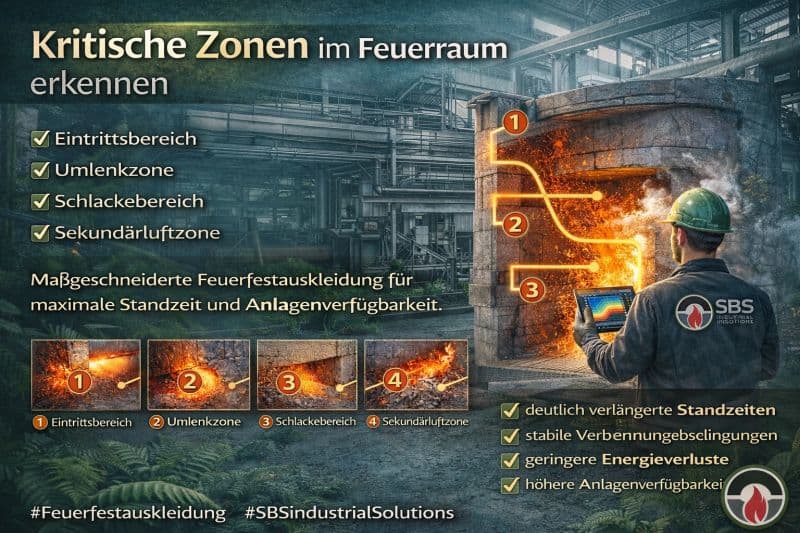
Not every area of a combustion chamber lining carries the same load. Whoever knows the critical zones and designs them specifically extends service life and cuts maintenance costs considerably.

5 minRead more
Thermal cycling: the real endurance test for refractory linings
Refractory technology

Thermal cycling: the real endurance test for refractory linings

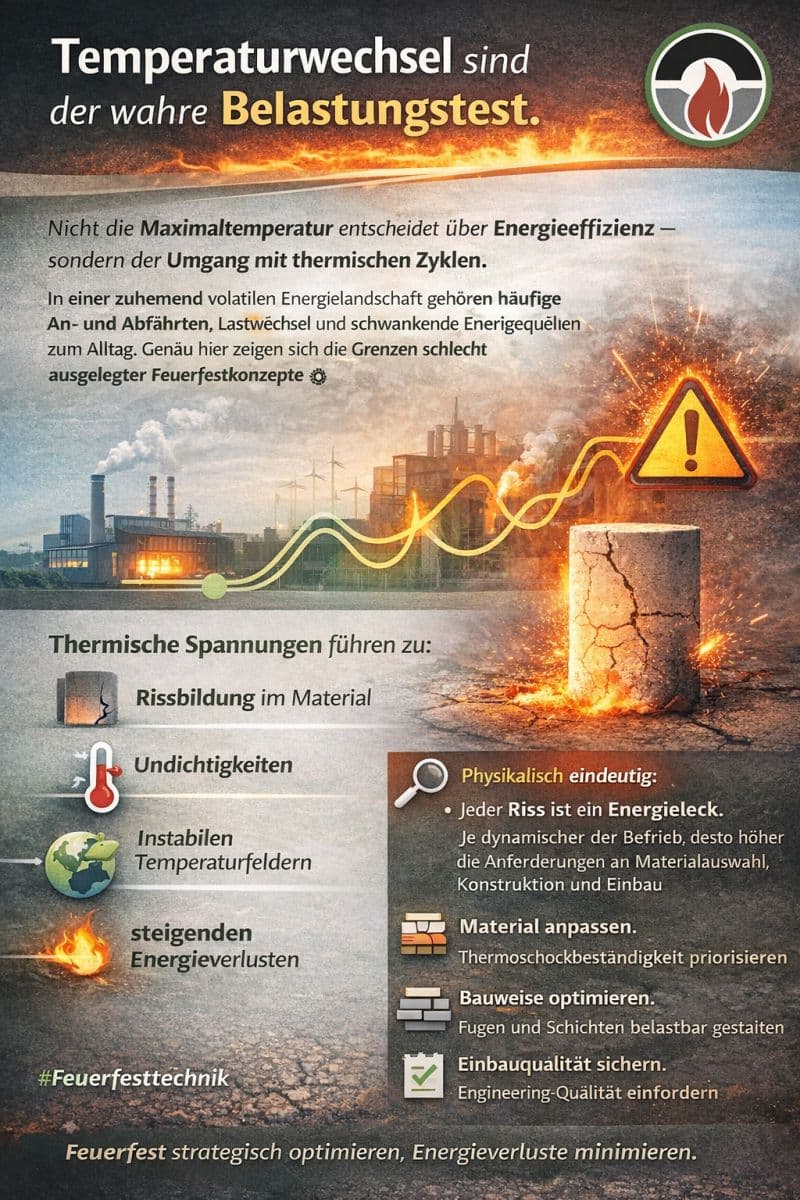
It is not the peak temperature alone that determines service life, but the frequency and intensity of the temperature changes. Why thermal cycles are the strongest driver of wear.

5 minRead more
Ash and slag: the enemies of the refractory lining in biomass plants
Refractory technology

Ash and slag: the enemies of the refractory lining in biomass plants

Biomass ashes and slags attack refractory materials chemically and mechanically. How the composition of the fuel determines the service life of the lining, and which protective measures work.

5 minRead more
Care spraying and shotcrete: extending service life intelligently
Refractory technology

Care spraying and shotcrete: extending service life intelligently

Care spraying carried out in good time can extend the service life of a refractory lining by a whole campaign. When shotcrete pays off, how it works and what matters in its execution.

5 minRead more
Refractory technology as a key technology of the energy transition
Industry & energy transition

Refractory technology as a key technology of the energy transition

The energy transition is decided in furnaces and combustion chambers. Why refractory linings are a key technology for the transformation of industry.

5 minRead more
Sustainability happens in the furnace, not in the reporting
Industry & energy transition

Sustainability happens in the furnace, not in the reporting

ESG reports and carbon footprints matter. But real sustainability arises where the energy is consumed: in industry's furnaces and thermal processes.

5 minRead more
Security of supply: why industrial operations have to act strategically now
Industry & energy transition

Security of supply: why industrial operations have to act strategically now

Rising energy prices, fragile supply chains and regulatory pressure are forcing industrial companies to rethink strategically. How operations can position themselves resiliently.

4 minRead more
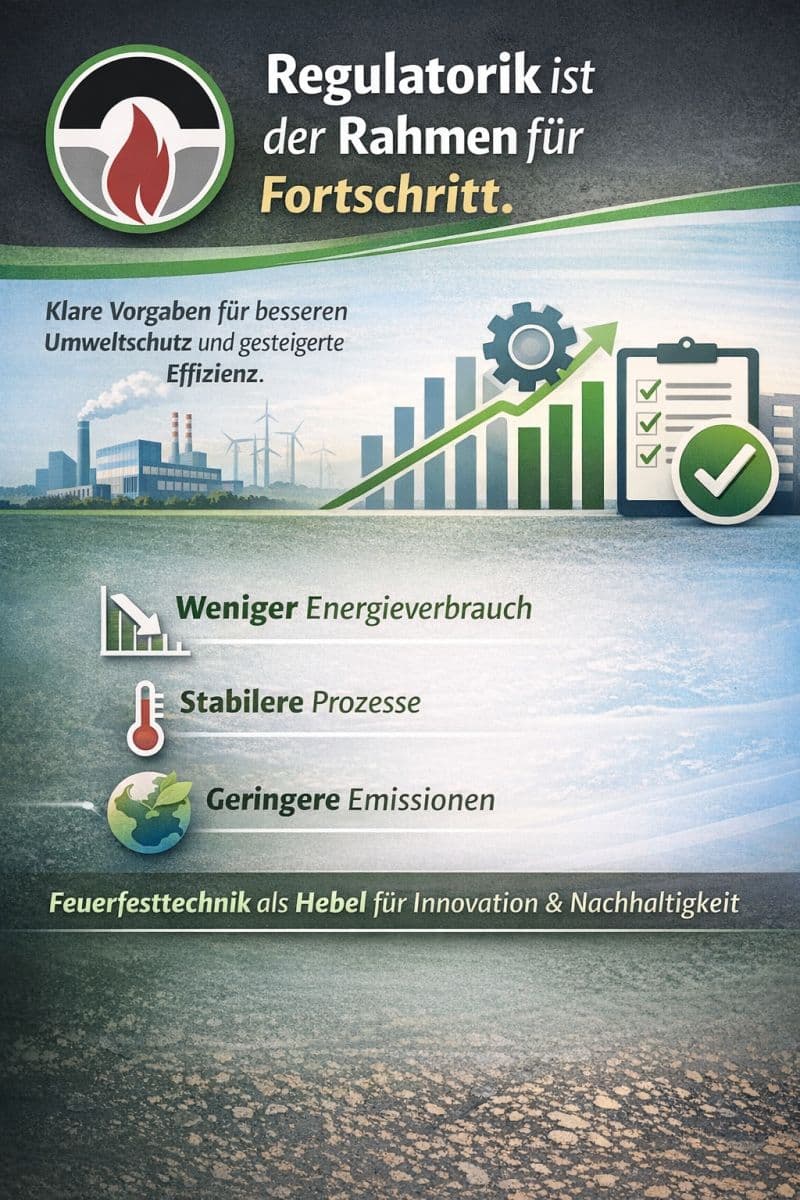
Regulation is not an obstacle but a framework
Industry & energy transition

Regulation is not an obstacle but a framework

Many industrial operations regard new regulations as a burden. Why dealing strategically with regulatory requirements can become a competitive advantage.

4 minRead more

Planning a project?

Whether complete relining, repair or emergency — free initial consultation and a fast response.