
SBS Refractory Service
Costs and process3 min

The overhaul window belongs in the annual plan, not in the inspection report

If the scope of an overhaul is only decided after the inspection, three to four weeks of material lead time have to fit into a window of five days. The order can be reversed.

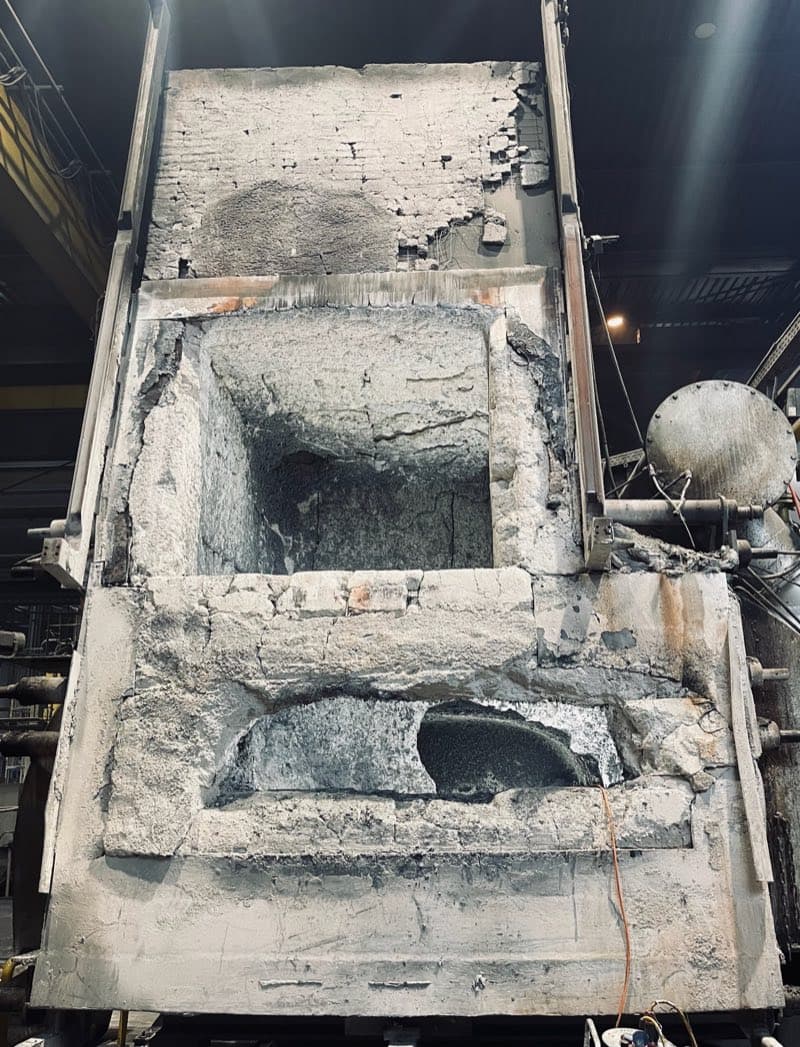
Furnace at standstill, the scope of the forthcoming work being assessed

The usual sequence looks like this: the furnace is shut down, inspected, then a decision is made on what will be done, then material is ordered. Every single step is right. In this order they are expensive together.

The reason lies in the lead times. Special castables and bricks in particular grades are not held in stock; three to four weeks of lead time is normal. A standstill window lasts five to ten days. The two periods do not fit inside one another.

What happens if you do it that way anyway

  • You work with what is available — not with what belongs in that place.
  • Or the work is split: the urgent part now, the rest next time. Next time the area will be bigger.
  • Or the standstill is extended. That is the most honest variant and the most expensive.
  • In every case the decision is made under time pressure — and under time pressure the cheapest option is rarely chosen, but the fastest one is.

The scope of an overhaul is not determined at the inspection. It is determined at the one before — you only have to write it down.

The reverse order

Every inspection delivers two things: a condition and a direction. The condition decides this standstill, the direction the next one. Record both and next time you have no surprise but an expectation.

In practice that means: at the end of every overhaul there is not only the report but an outline plan for the next one — which zones are likely to be due, which materials would be needed for them, in what quantity. This list is not binding. It is the basis for ordering early enough.

Why summer is the right time to plan

Most overhauls fall in the weeks of low production, and in many plants those are in summer or around the turn of the year. Which means: everyone plans at the same time — and they ask the same contractors and the same works.

Ask three months ahead and you get an offer with a firm date. Ask three weeks ahead and you get an offer with a reservation. The difference is not in the price per tonne but in the availability of crew and material in exactly the week the plant cannot move.

What belongs in the annual plan

  • The window itself — date, duration, and who else will be working on the plant that week.
  • Cooling and heat-up time as separate items, not as a buffer.
  • The expected scope from the last inspection, with quantities.
  • A decision on what happens if the finding turns out worse than expected — reserve in the window or reserve in the budget.

If the last point is settled beforehand, it does not have to be settled during the standstill. That is the real gain: not less work, but decisions that are not made under pressure.

At a glance
3–4 weeks
Typical material lead time for special materials
5–10 days
Typical standstill window
the one before
The inspection that determines the scope

Practice sheets on this topic

Technical newsletter

Get new practice sheets automatically

All PDFs on this page are free, without sign-up. If you want to know when a new sheet is added: one e-mail a month, unsubscribe anytime.

Turnaround in summer: plan it in good time
PDFEnergy & Combustion

Turnaround in summer: plan it in good time

Why the summer half of the year is the most economical turnaround window.

Only in the PDFNine points that have to be settled before the turnaround date — from thermography to sign-off
To the article
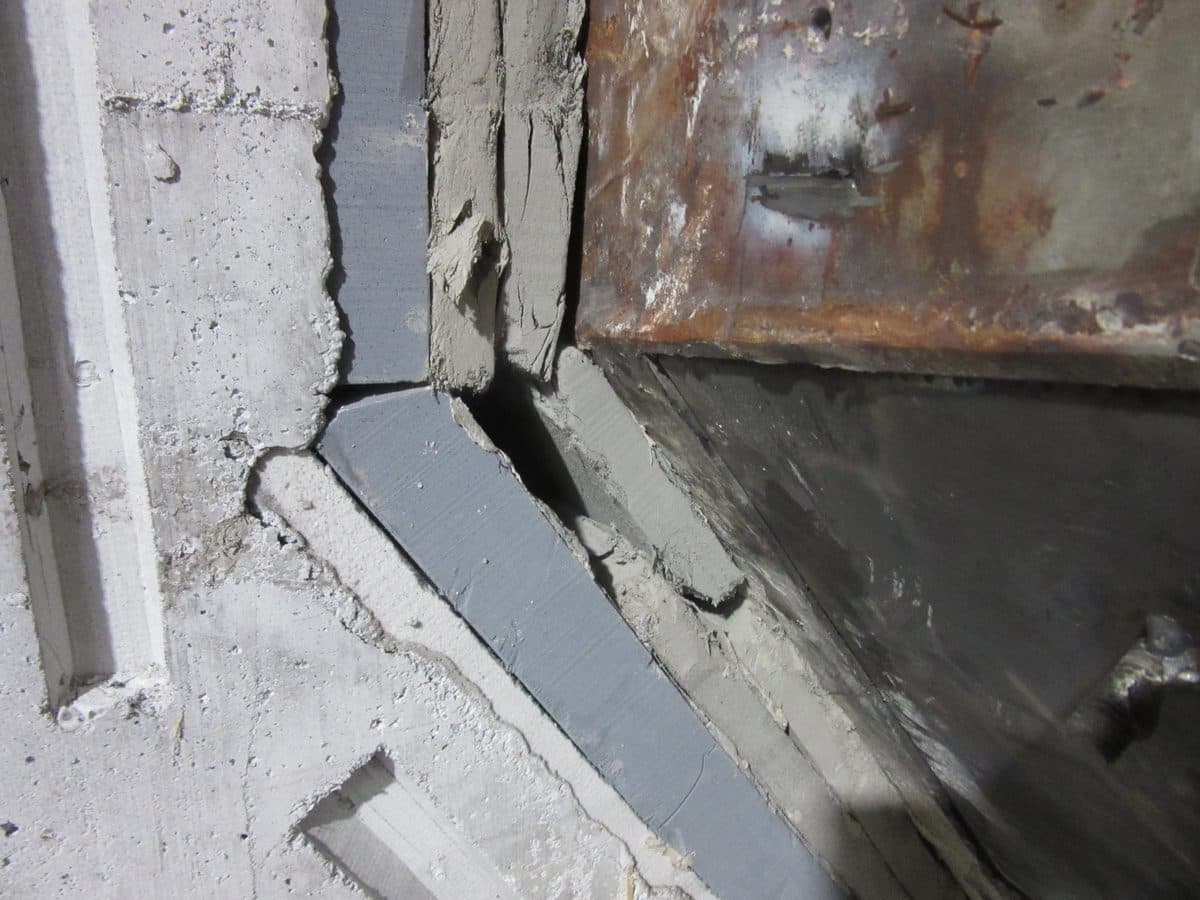
Repair or reline? The three findings
PDFAll furnace types

Repair or reline? The three findings

When a targeted repair is enough, and the three findings where only a relining will hold.

Only in the PDFDecision table with 6 findings, the 3 typical wrong decisions, 2 photos from a relining
To the article
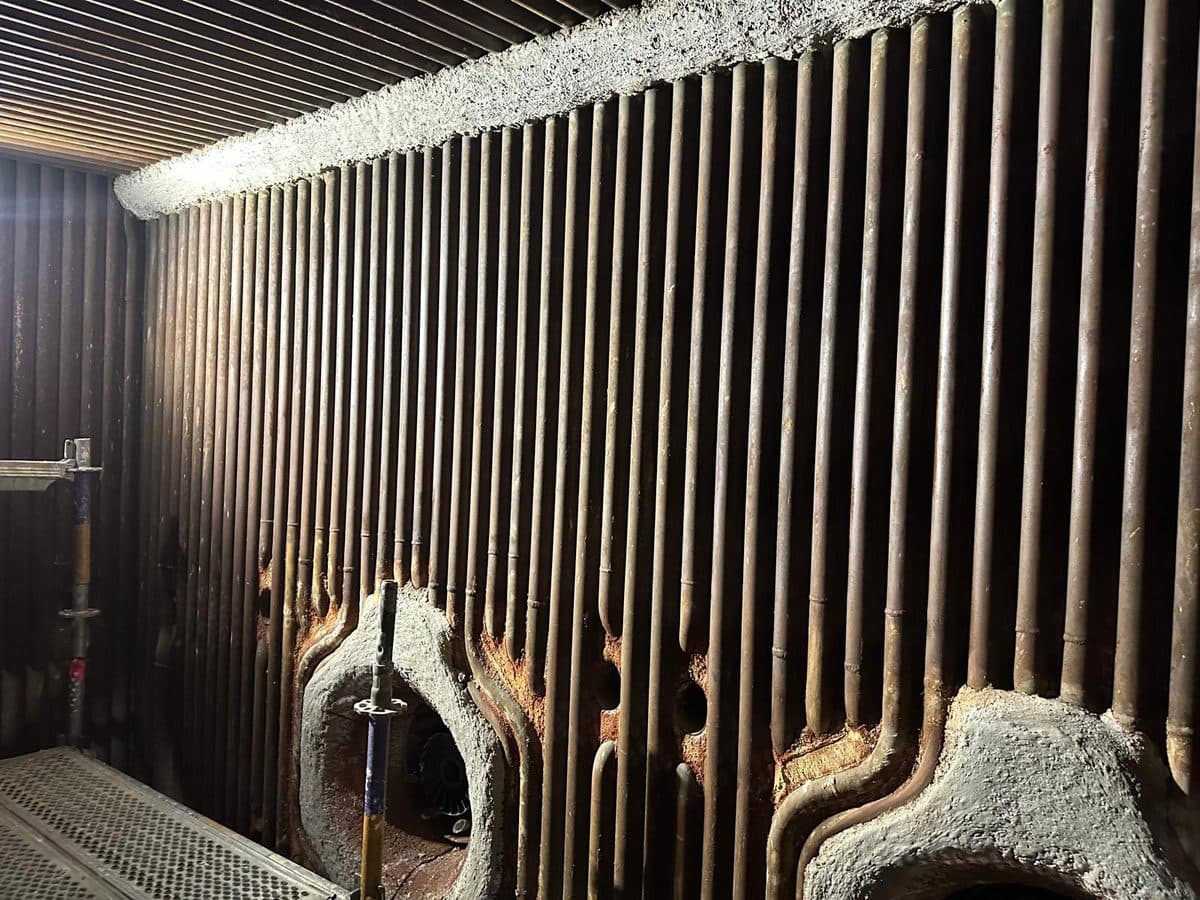
Refractory on the tube wall: The inspection points
PDFEnergy & Combustion

Refractory on the tube wall: The inspection points

Protecting without blocking the heat: what matters when lining a boiler tube wall.

Only in the PDF7-point checklist for tube walls, the 3 typical mistakes, 2 photos from the boiler
To the article

More insights from our projects

New insights from the job site every week – damage patterns, relinings and practical refractory know-how.

Share this article on LinkedIn

Planning a project?

Whether complete relining, repair or emergency — free initial consultation and a fast response.

CallSend enquiry

Your privacy matters to us.

We use cookies and similar technologies to ensure that our website functions properly and to analyse how our content is used. In the settings you can choose which cookies you wish to allow. Privacy policy