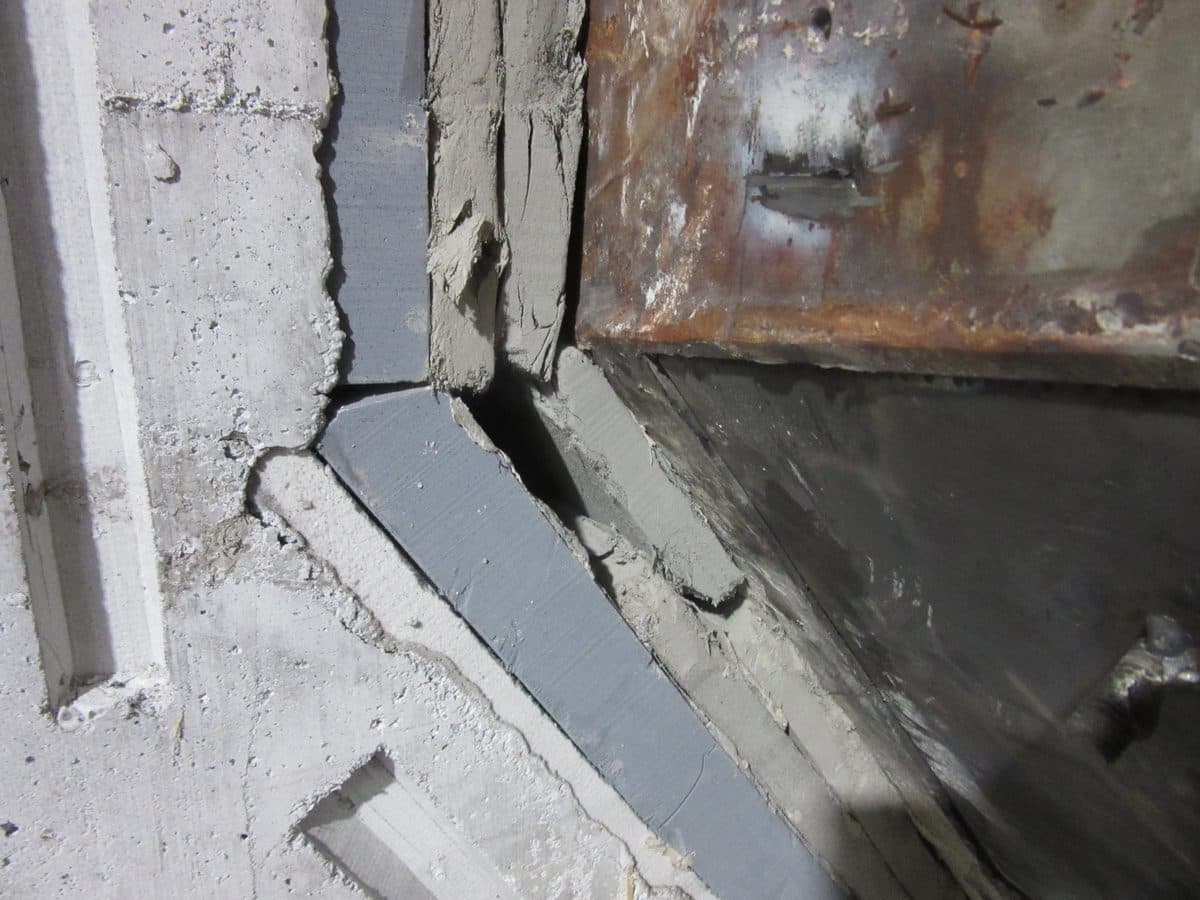
Complete overhaul or partial repair: where the line runs
The partial repair is cheaper — until it isn't. Three criteria show when the complete overhaul is the more economical decision.

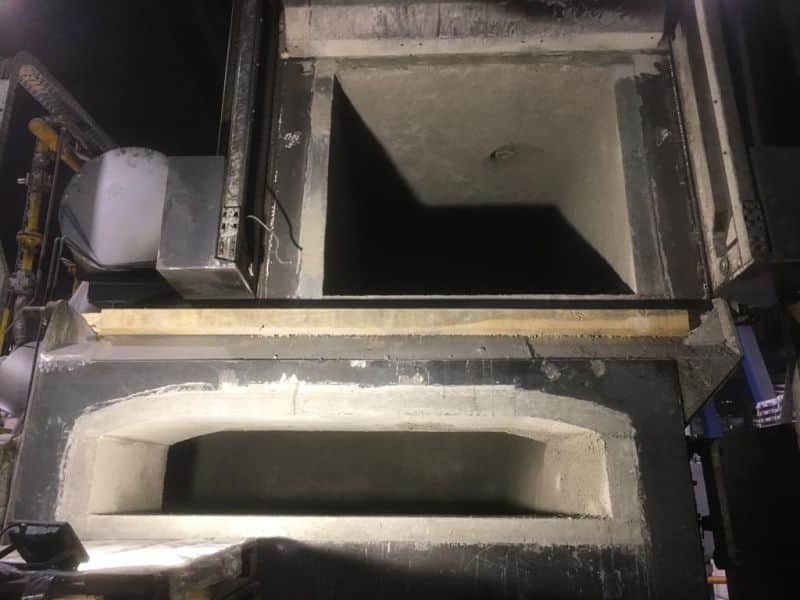
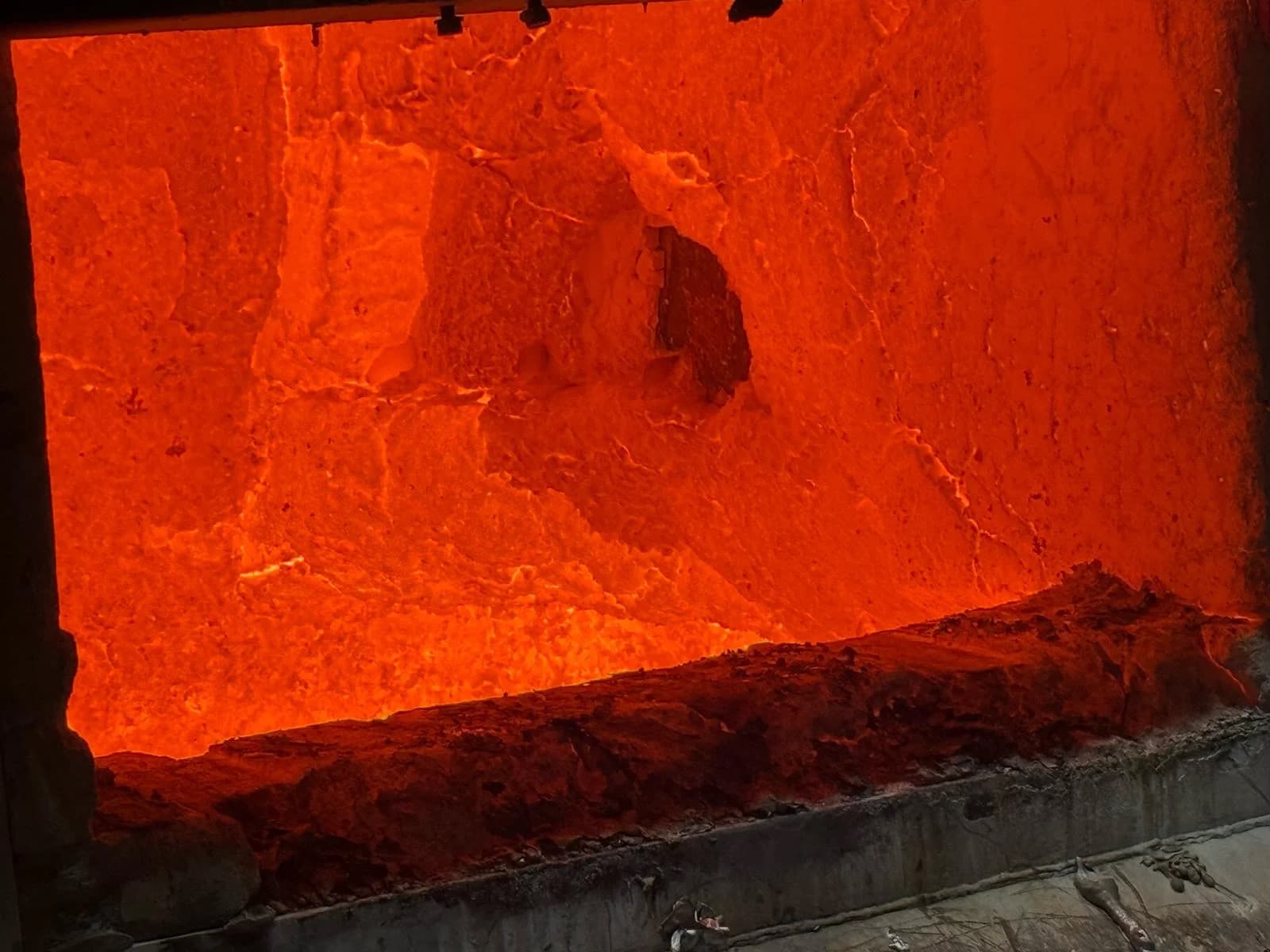
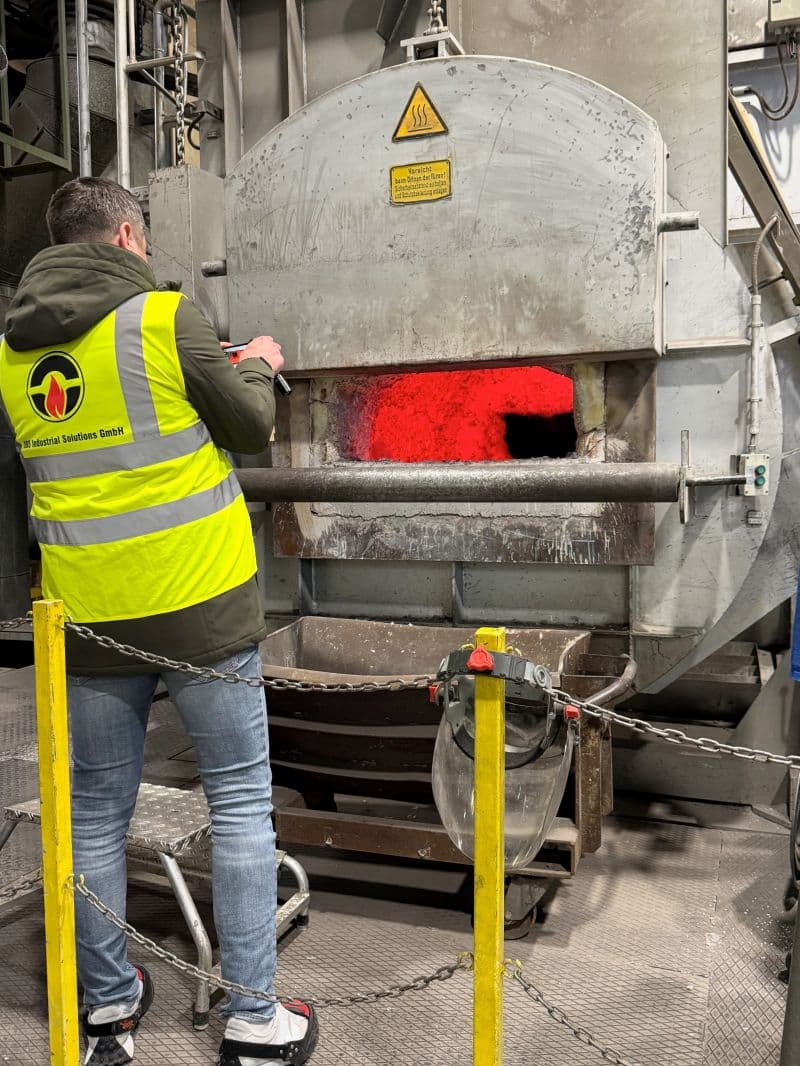
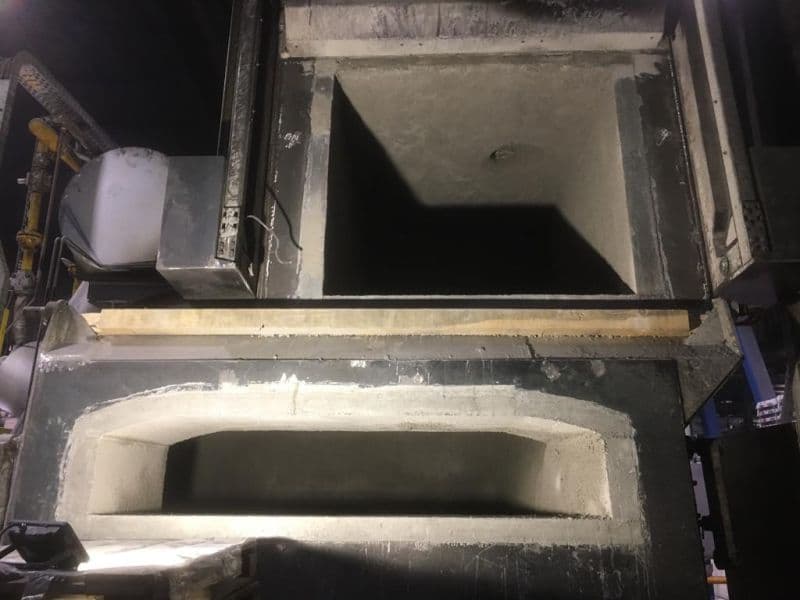
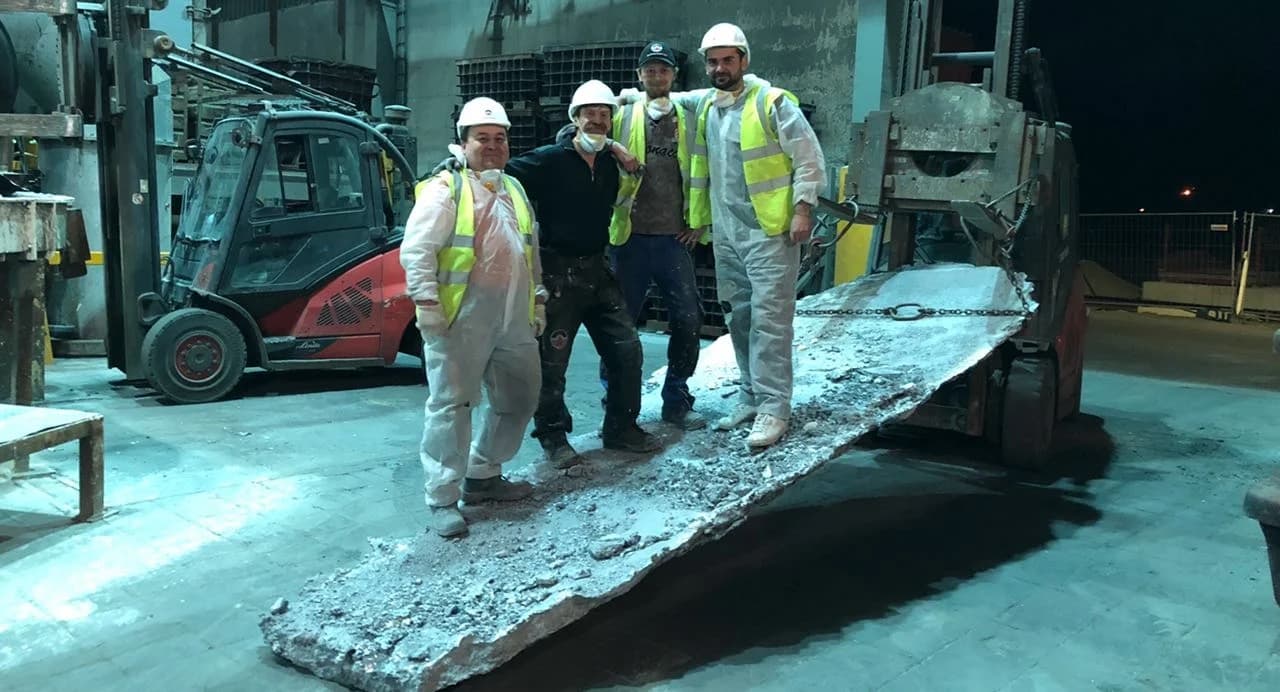
The question comes up at every overhaul: will a partial repair do, or does the furnace have to be completely overhauled? The partial repair is always cheaper to begin with — it costs less material, less shutdown, less money. The catch is that it loses this advantage as soon as you carry it out for the second or third time on the same plant. In one project we completely overhauled an aluminium furnace after repeated leakage at the door portal — and gained 30 per cent more capacity along the way, because legacy material from earlier partial repairs could be removed at the same time.
Three criteria for the decision
- How often has this same zone already been repaired? From the third partial repair on the same spot onwards, shutdowns and call-out journeys usually add up to more than the cost of a complete overhaul.
- Is the damage confined to one zone or is it travelling? Locally confined damage is a repair case. If new spots appear at ever shorter intervals, the lining as a system has reached its end — and then every partial repair merely prolongs the problem.
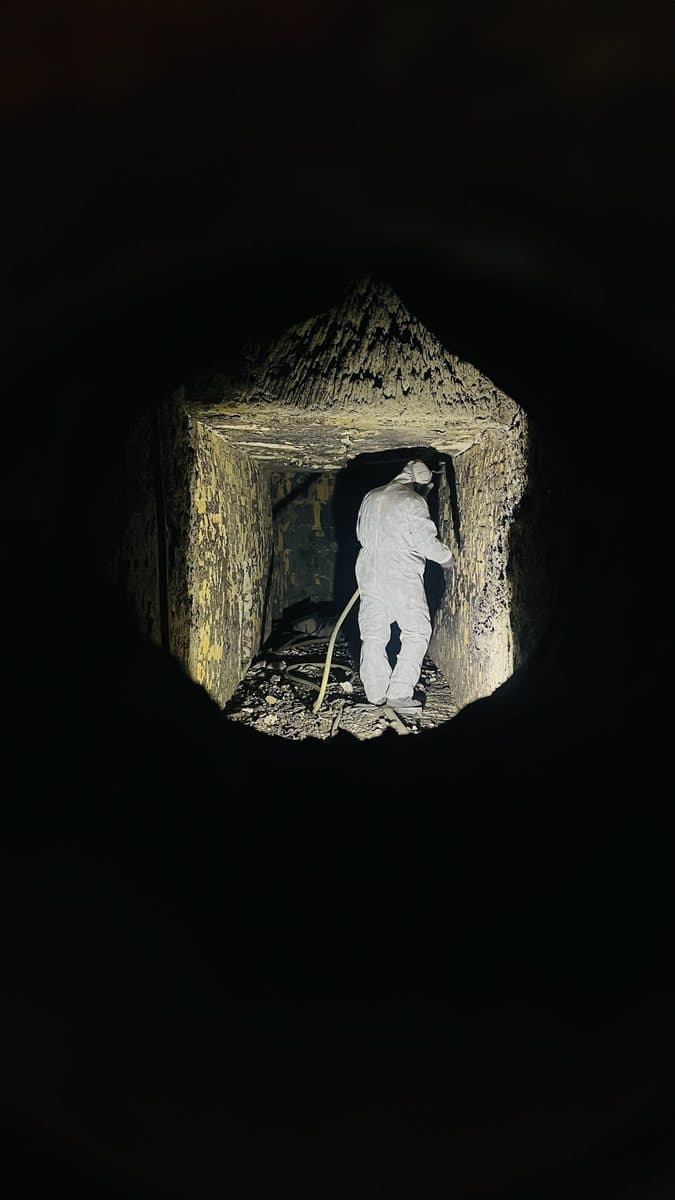
- What lies beneath the repair? Layers applied during earlier campaigns reduce the usable furnace volume. Only a complete strip-out restores the original geometry — and with it the capacity the furnace was designed for.
The honest calculation does not compare repair against overhaul, but the overhaul against the sum of all the partial repairs that will still follow it — including the shutdowns.
Related articles
Matching references

Complete overhaul of an aluminium furnace
Comprehensive modernisation of an aluminium furnace following a leak at the door frame – with a 30 % increase in capacity and 23 % lower energy consumption per tonne.

Maintenance uncovers a loss of capacity
Professional maintenance of an aluminium furnace uncovers faulty repairs by a previous contractor – after correction, around 20 tonnes more aluminium per month and noticeably reduced energy consumption.
Planning a project?
Whether complete relining, repair or emergency — free initial consultation and a fast response.