Damage analysis on aluminium furnaces: the basis of all sustainable maintenance
Why systematic damage analysis is the basis of any sound maintenance strategy on aluminium furnaces. Whoever repairs damage without understanding its causes is investing in the next shutdown.
Why damage analysis is more than taking stock
In the aluminium industry, every hour of furnace availability counts. When a melting furnace stops unexpectedly, the result is not only repair costs but massive production losses. Even so, systematic damage analysis is underestimated in many plants or reduced to a purely visual inspection. That is a mistake with expensive consequences. A sound damage analysis is not an optional extra service, but the basis of any economically sound maintenance strategy. It answers not only the question of what broke, but above all why it broke and how the next failure can be prevented.
Typical damage patterns on aluminium furnaces
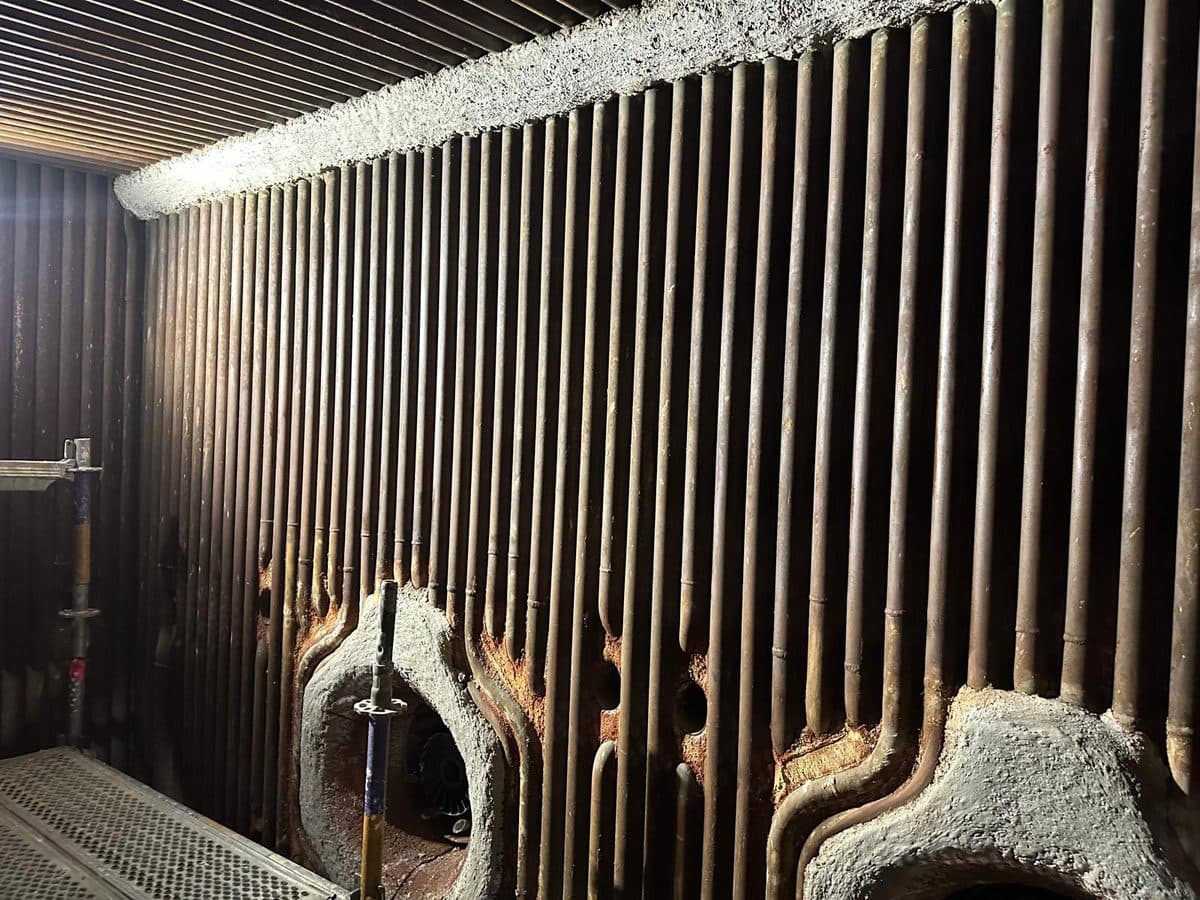
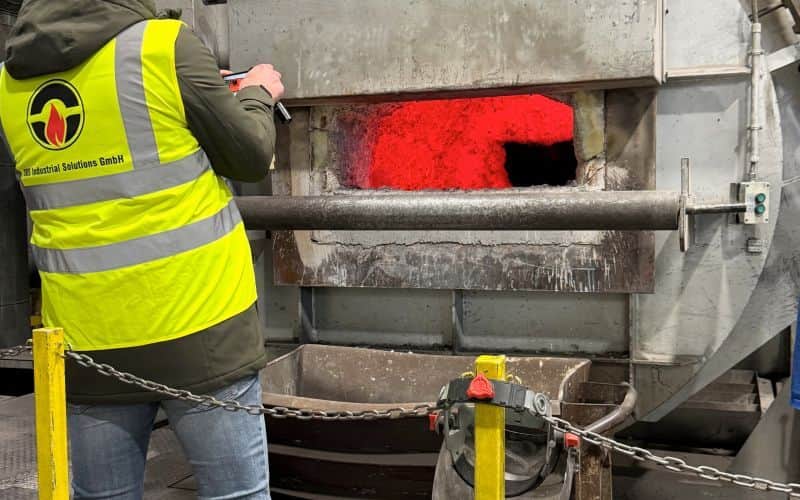
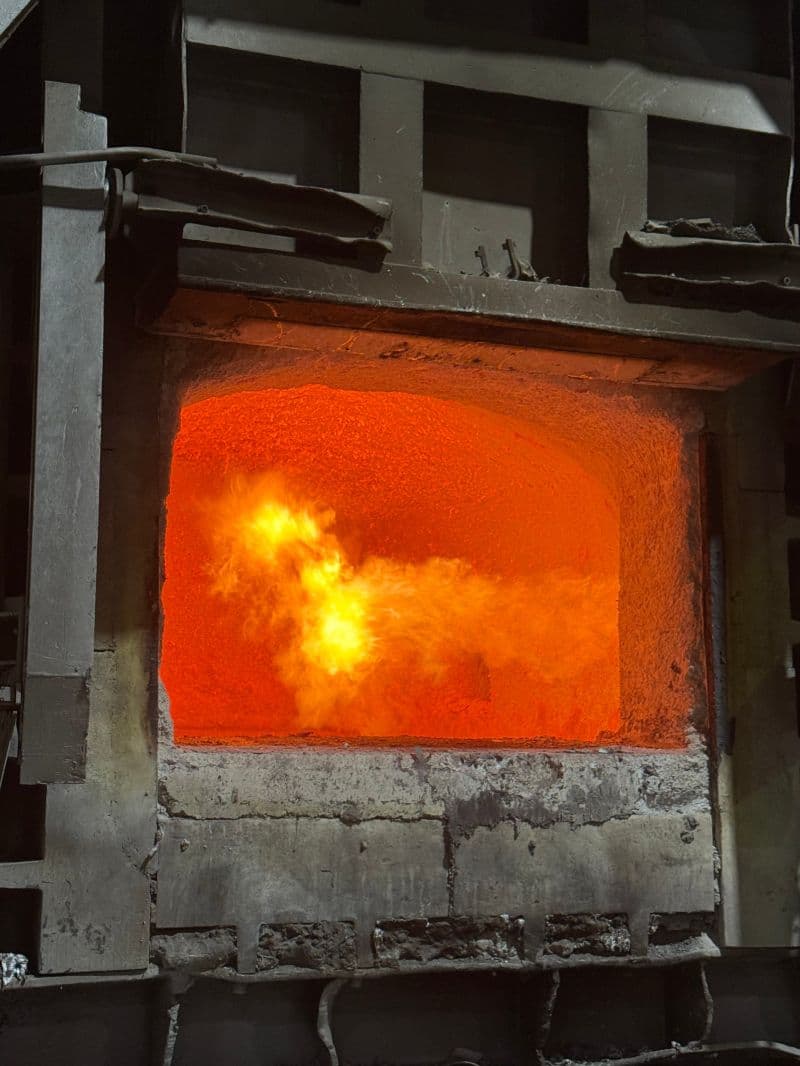
The refractory lining of an aluminium furnace is exposed to extreme loads. Temperatures between 700 and 1,100 degrees Celsius, aggressive slags, mechanical loading from charging operations and cyclical thermal loads act on the lining continuously. The resulting damage patterns can be divided into four main categories, each of which calls for different causes to be addressed and different countermeasures.
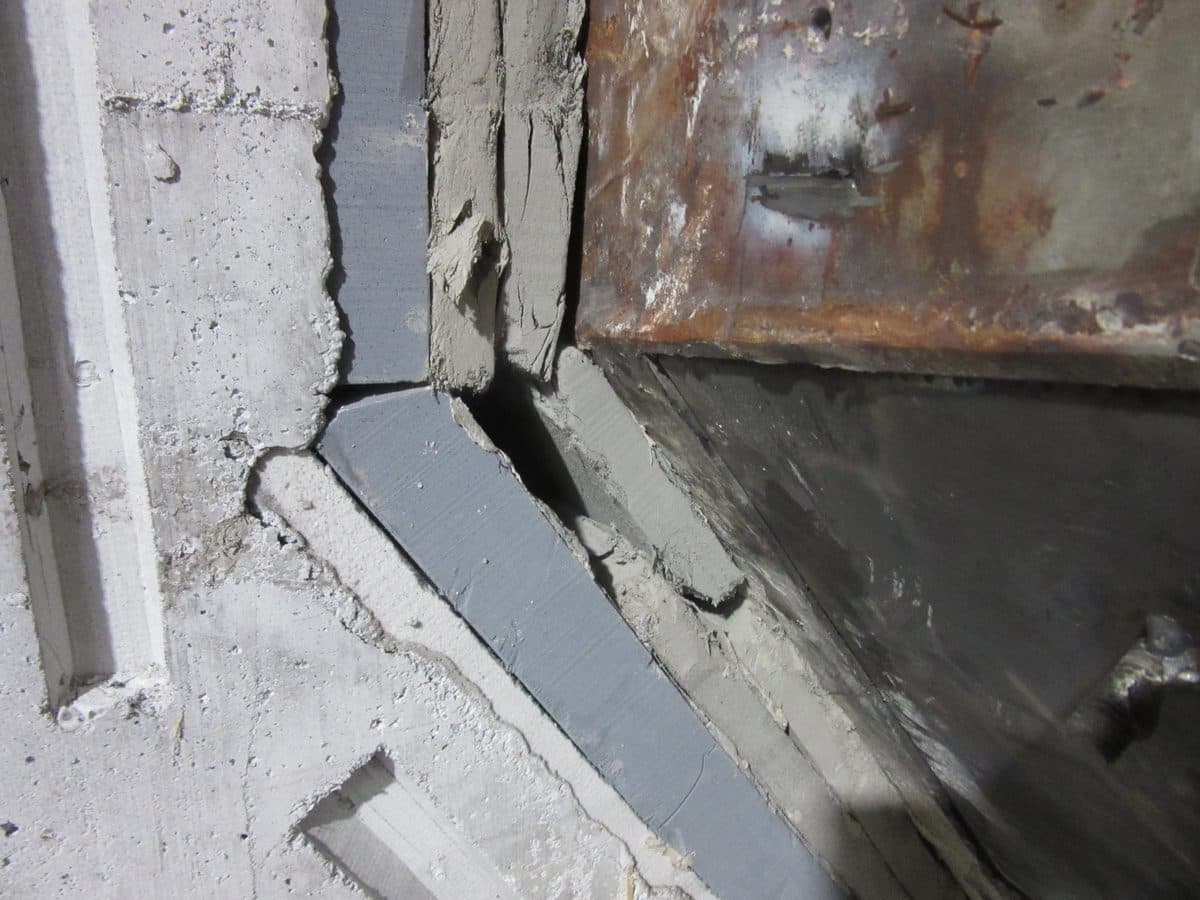
Chemical attack: aluminium melt and slag penetrate the pore structure of the refractory material and alter its mineralogical composition. The consequences are swelling, spalling and a creeping loss of material that destroys the lining from the inside out.
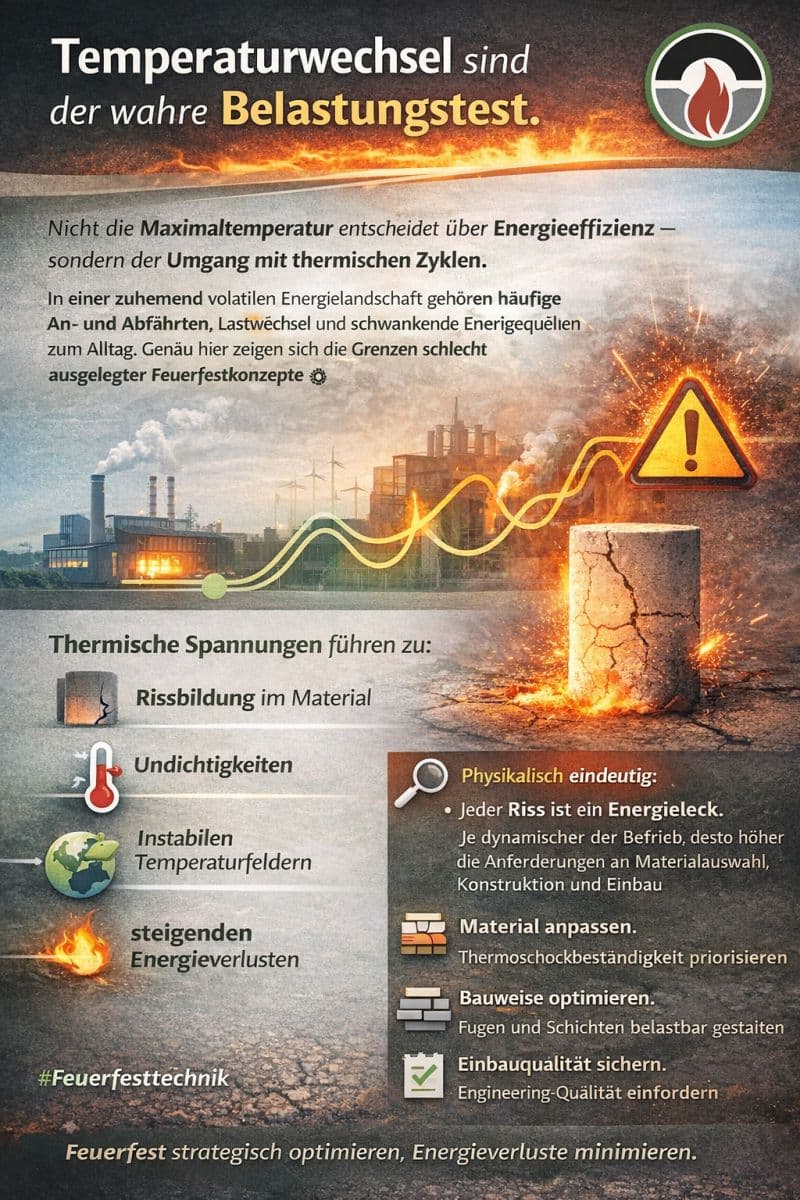
Thermomechanical cracking: recurring temperature changes generate stresses in the refractory material. Rapid heating and cooling phases are particularly critical and can lead to network cracks and later to large-area spalling.
Erosion and mechanical wear: charging operations, stirrers and the flow of the melt itself remove material. The slag zone and the hearth area, where the mechanical load is highest, are particularly affected.
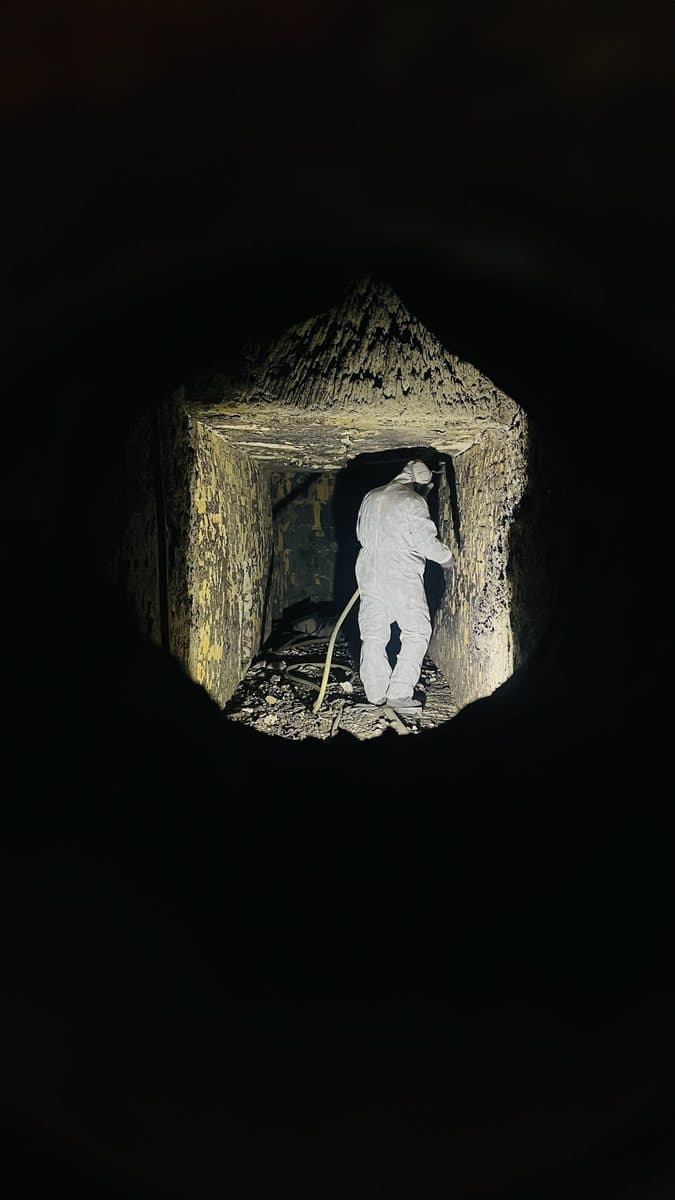
Structural damage: failure of the anchoring, sagging of roof structures or deformation of the steel shell due to thermal overload are types of damage that go beyond refractory technology alone and call for a holistic view.
The most frequent cause of premature refractory failure on aluminium furnaces is not the single extreme event, but the combination of several moderate loads which, in their interaction, exceed the limits of the material.
The methodology of a professional damage analysis
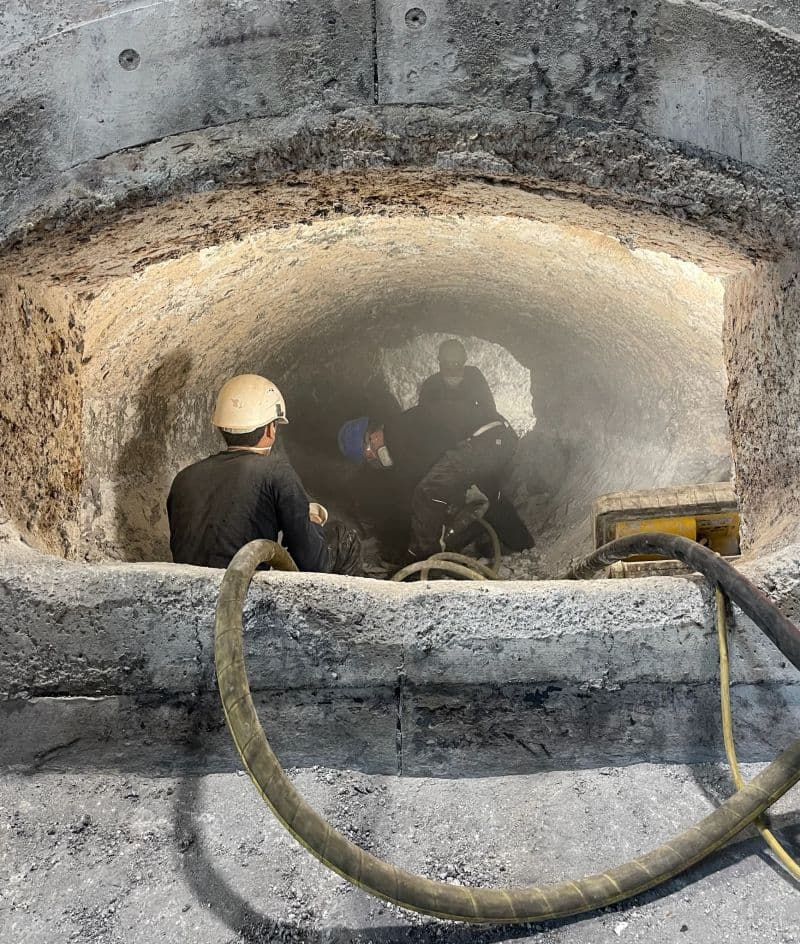
A reliable damage analysis follows a structured process. It begins with detailed documentation of the current condition: photographic recording of all damaged areas, measurement of the residual thicknesses, taking of material samples and recording of the operating parameters of the last campaign. Correlating damage patterns with the operating history is particularly revealing. When was the furnace last heated up? Were there unplanned cooling phases? Was the slag drawn off regularly? Which alloys were melted? This information provides decisive clues to the actual causes of damage.
Laboratory examination of the material samples supplies the final building block. Mineralogical and chemical analyses make it possible to determine exactly which mechanisms led to the failure. Only on this basis can material selection, design and operating practice be optimised in a targeted way. At SBS Refractory Service we document every finding systematically and draw up an action plan that covers both the short-term repair and the long-term optimisation of the lining.
From analysis to strategy
The real value of a damage analysis lies not in the findings themselves, but in the conclusions drawn from them. A good analysis leads to a concrete maintenance strategy: which areas have to be refurbished immediately? Where is care spraying enough to extend the remaining service life? Which changes of material are required at the next complete relining? And how do the operating parameters have to be adjusted in order to increase service life systematically? Anyone who does not answer these questions on the basis of solid data is repairing blind. That may be quicker in the short term, but over the length of a campaign it costs many times more.
At a glance
700–1,100 °C
operating temperature of aluminium furnaces
4
main categories of damage patterns
30–50 %
increase in service life achievable through systematic analysis
We use cookies and similar technologies to ensure that our website functions properly and to analyse how our content is used. In the settings you can choose which cookies you wish to allow. Privacy policy

 PDFAll furnace types