
 PDFAll plants
Working in confined spaces: Before we go in
Access, supervision, light and air: what is settled before anyone enters a furnace or boiler.
Only in the PDF7-point pre-entry checklist, the 3 typical omissions, 2 photos
To the articleA furnace is a confined space in the sense of occupational safety. What has to be settled before entry determines not only safety but also whether the inspection yields anything at all.
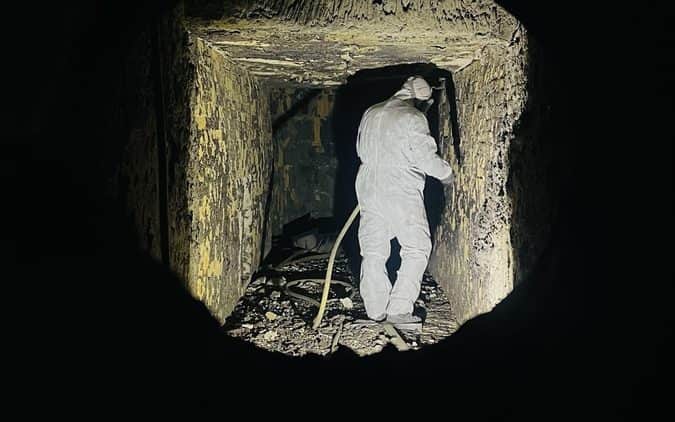
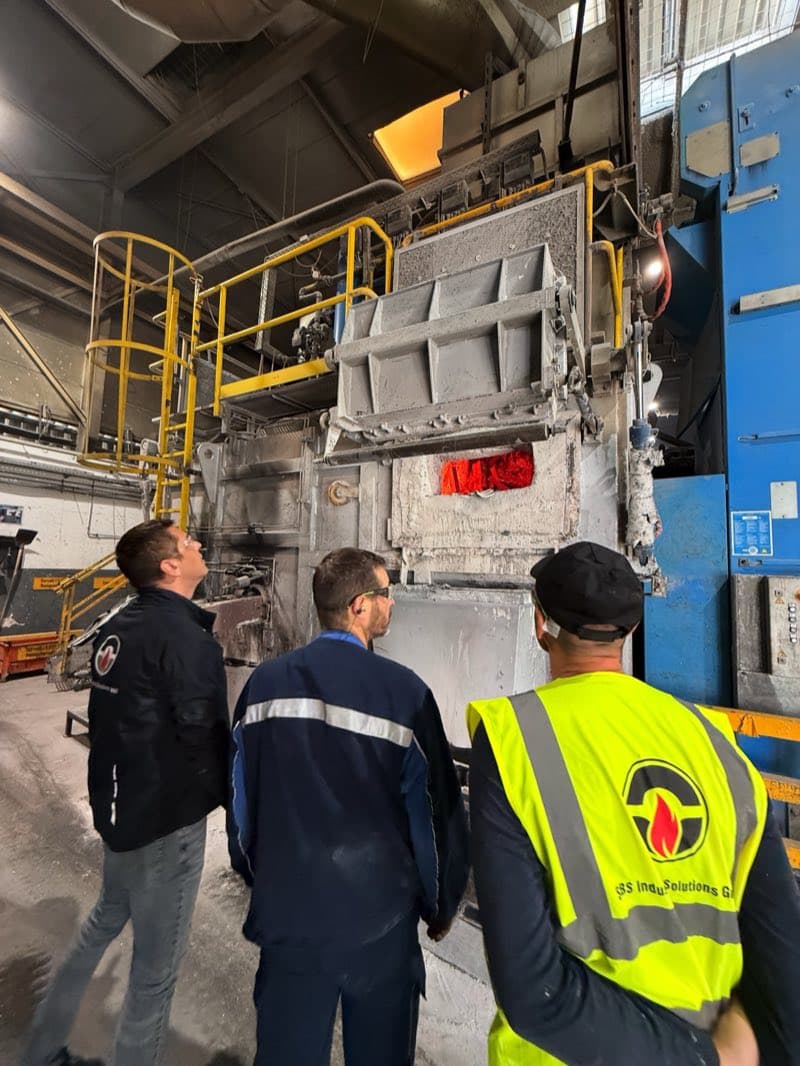
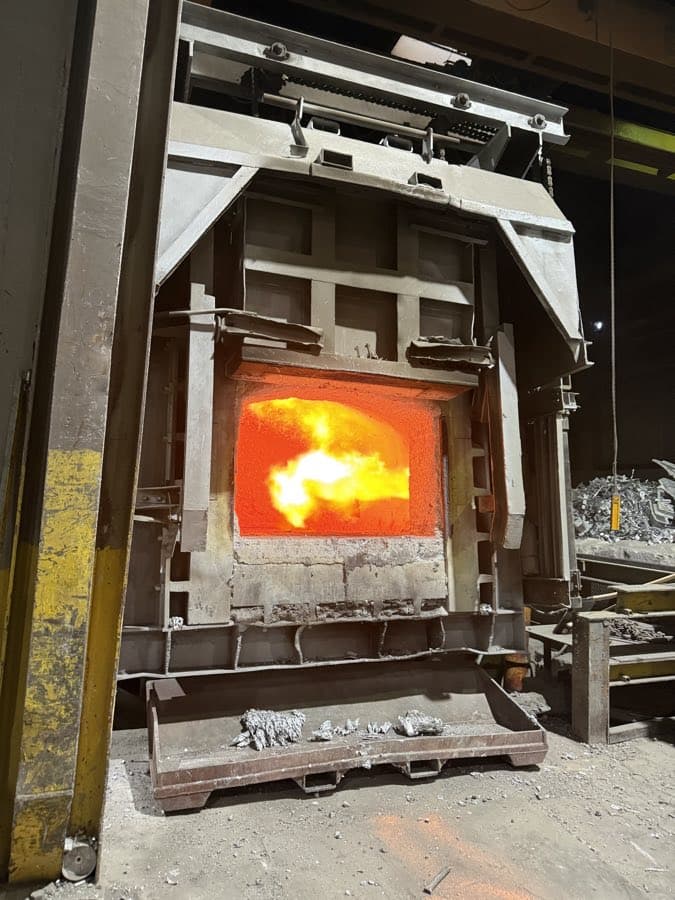
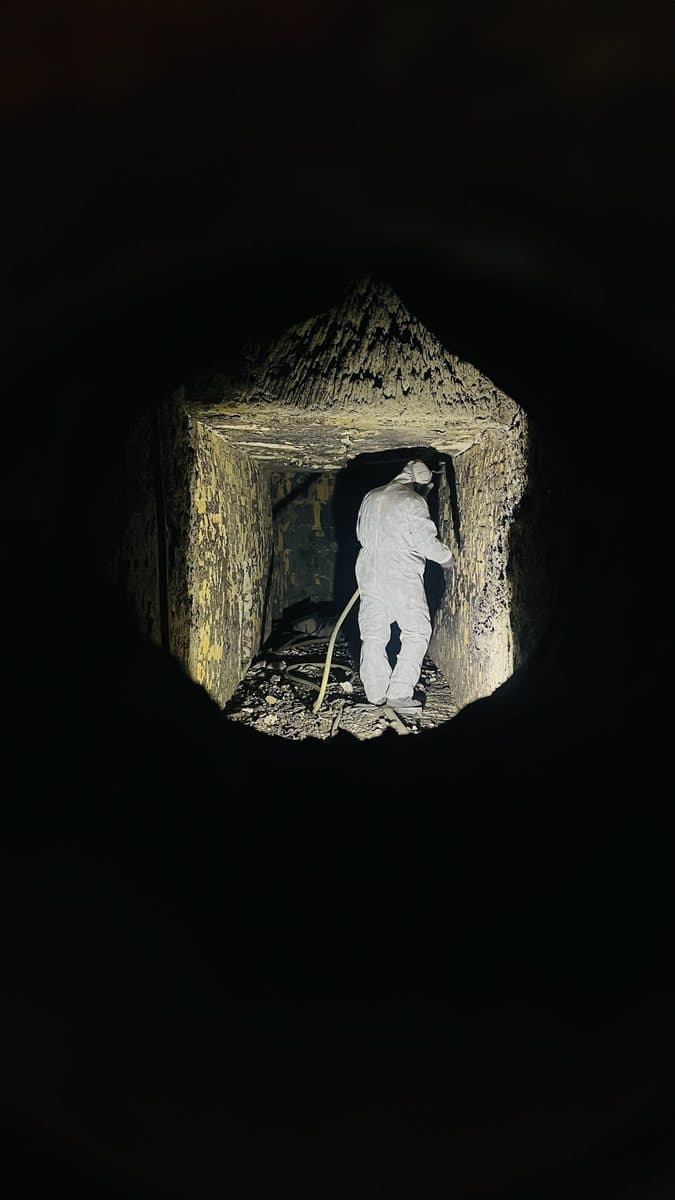
A shut-down furnace looks harmless. It is cold, it is empty, the door is open. That very perception is the problem: a furnace is a confined space with one access, poor ventilation and residues from operation.
The preparation for this is regulated and well known. What is missing in practice is the link between safety preparation and technical preparation — the two happen separately, and so someone often ends up inside the furnace who is safe but does not know what to look for.
The most common shortcut is the quick look without a permit: “I’m only going to look in.” That is precisely the case that is not regulated, because it is not foreseen.
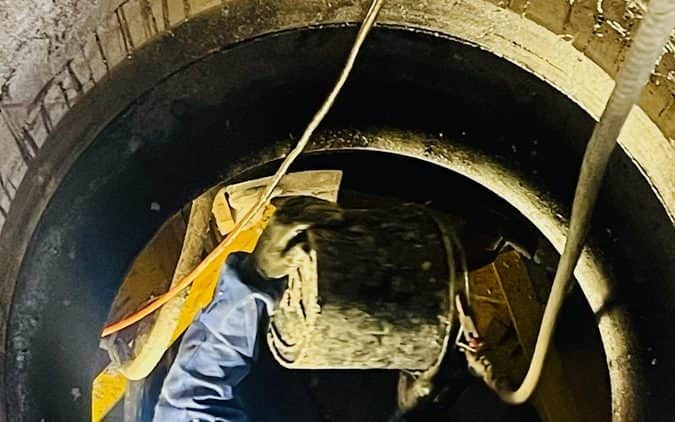
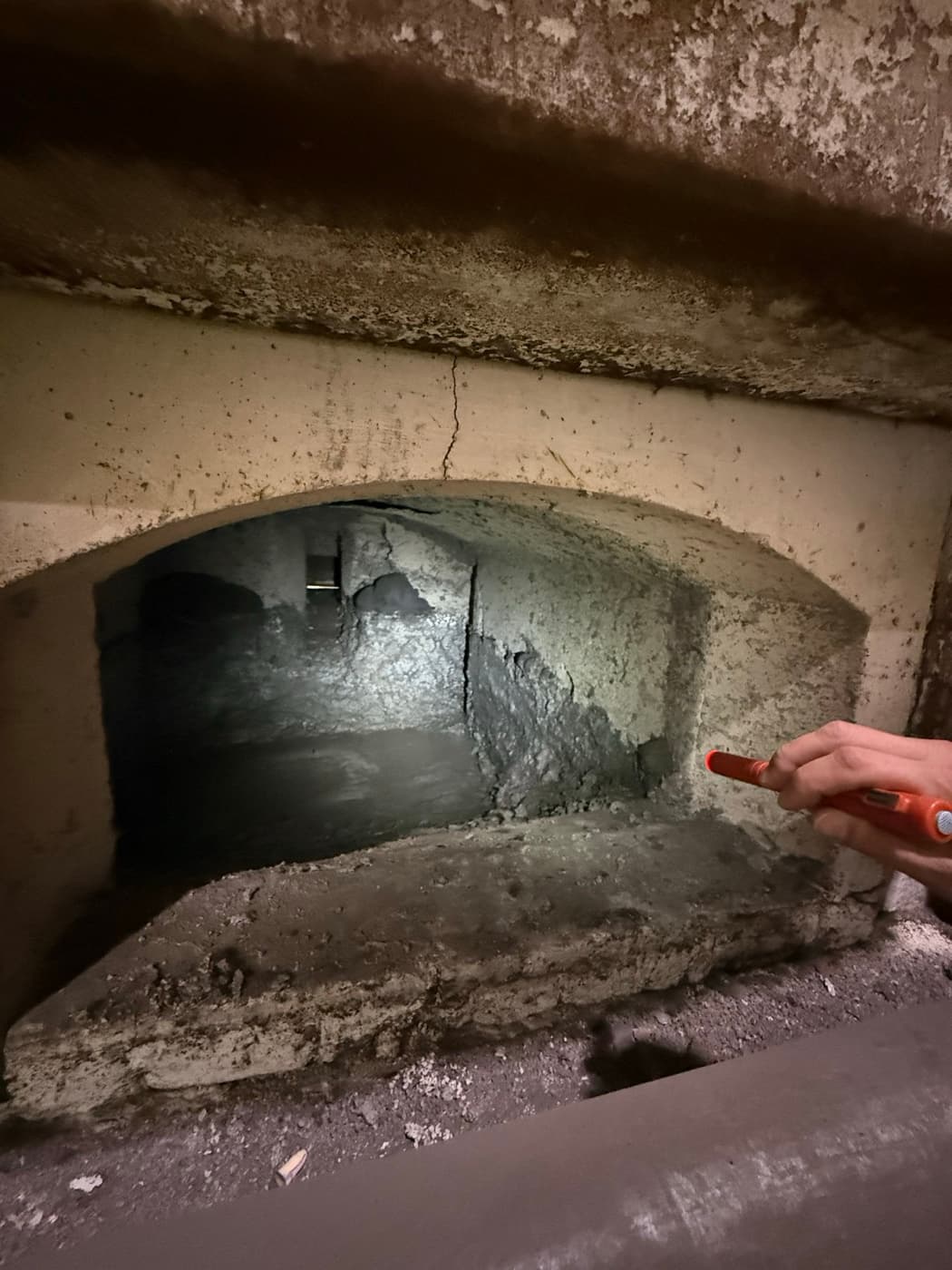
Whoever goes in has limited time and limited light. An inspection without a plan becomes a photo series; an inspection with a plan becomes a finding.
A well-prepared inspection takes less time. Someone who knows where to go is out again sooner — and that is at the same time the most effective safety measure, because every minute in a confined space carries a risk that cannot be organised away.
That is why we treat safety preparation and the inspection plan as one procedure with one signature, not as two lists with two people responsible.
Regular inspections and predictive maintenance for maximum furnace availability.
Technical design, calculations and complete project documentation.
24/7 emergency hotline and rapid response teams for unplanned furnace shutdowns.
All PDFs on this page are free, without sign-up. If you want to know when a new sheet is added: one e-mail a month, unsubscribe anytime.
PDFAll plantsAccess, supervision, light and air: what is settled before anyone enters a furnace or boiler.
 PDFAll furnace types
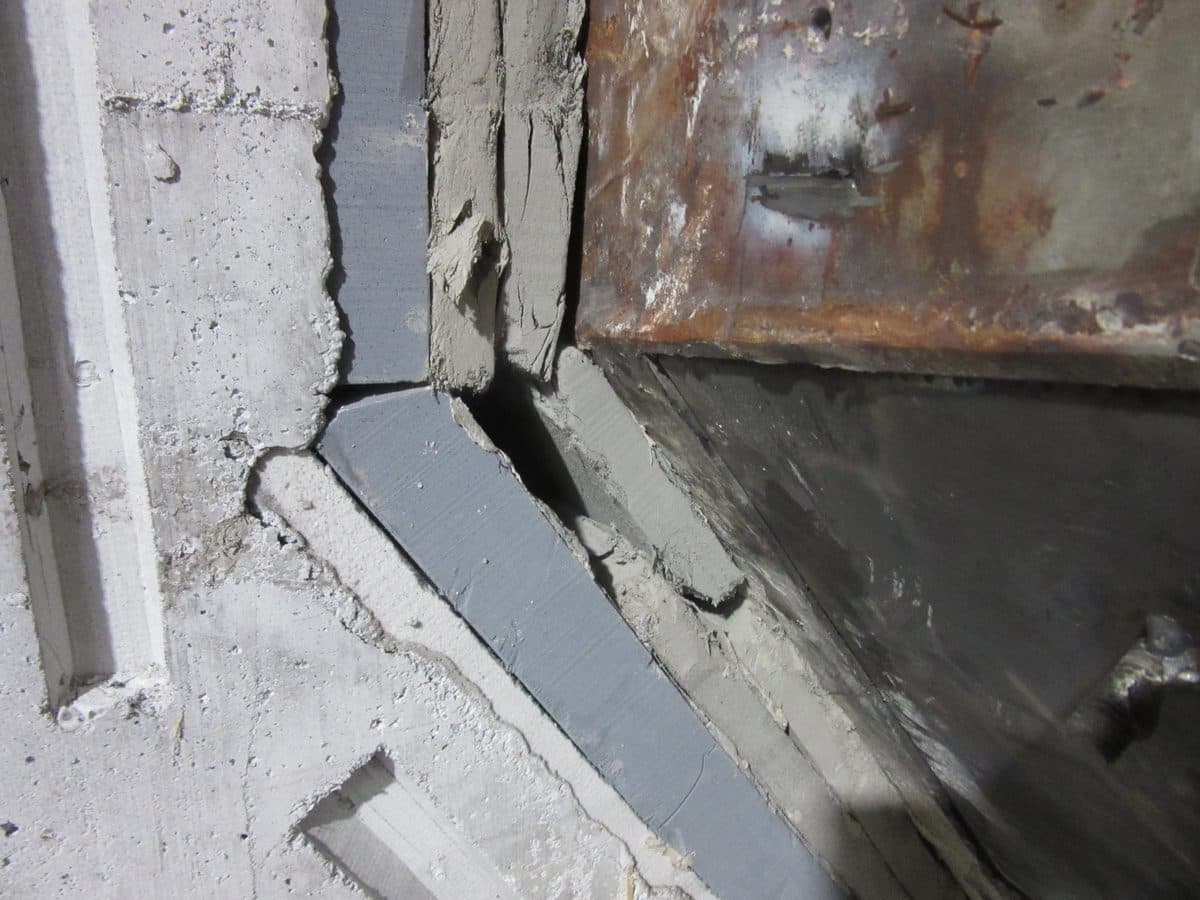
When a targeted repair is enough, and the three findings where only a relining will hold.
 PDFEnergy & Combustion
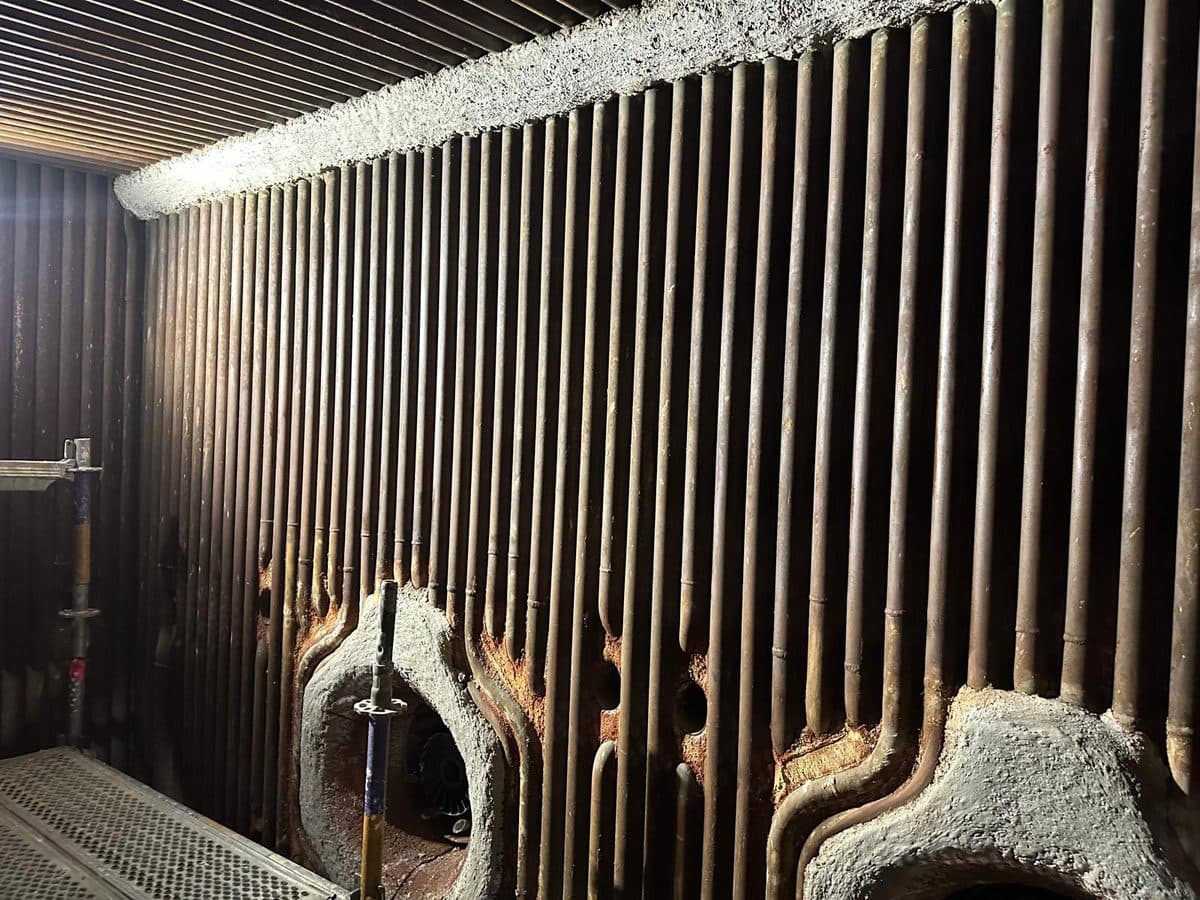
Protecting without blocking the heat: what matters when lining a boiler tube wall.
More insights from our projects
New insights from the job site every week – damage patterns, relinings and practical refractory know-how.
Whether complete relining, repair or emergency — free initial consultation and a fast response.
Your privacy matters to us.
We use cookies and similar technologies to ensure that our website functions properly and to analyse how our content is used. In the settings you can choose which cookies you wish to allow. Privacy policy