
Insulation & Energy Efficiency Optimisation
Analysis and optimisation of the thermal insulation of industrial furnaces – for measurably lower energy consumption and better working conditions.
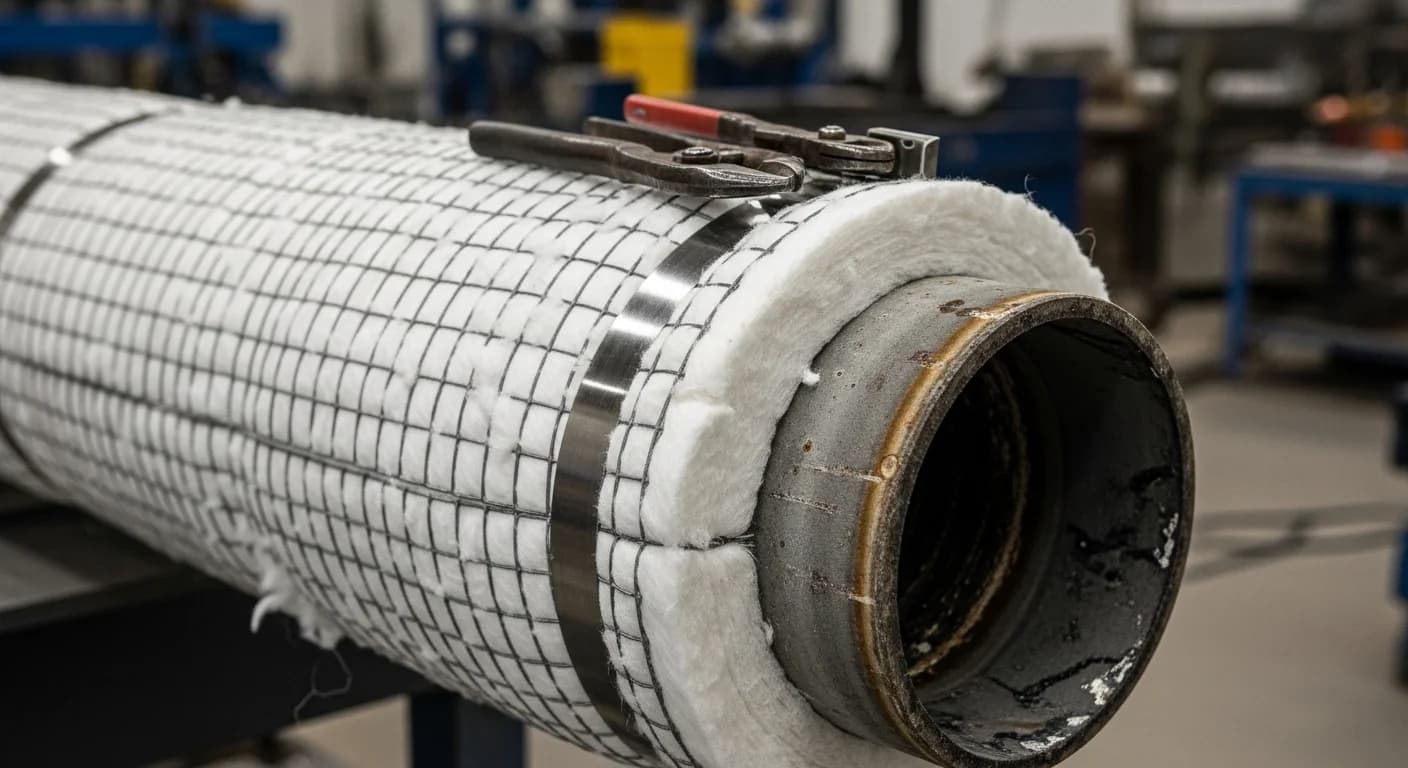
What does Insulation involve?
Rising energy prices and stricter climate regulations are making thermal insulation a decisive cost factor in industrial furnace technology. With our insulation and energy efficiency optimisation, we identify heat losses, calculate the savings potential and implement the measures – with measurable results.
The first step is always a thermographic analysis of the furnace at operating temperature. Our infrared cameras show precisely where heat is being lost – whether through outdated insulation materials, damaged areas or design-related thermal bridges. Based on this data, we calculate the current energy balance and the realistic savings potential.
Implementation ranges from retrofitting modern insulation materials and replacing ceramic fibre modules to design changes to eliminate thermal bridges. After the optimisation, we carry out a follow-up measurement and document the savings achieved. This gives you clear evidence for your energy balance and CO₂ reporting.
At a glance
- Thermography possible on the furnace at operating temperature
- Insulation work carried out during a shutdown
Step by step to the result
Structured, transparent and on schedule — this is how we work.
Thermography
Heat loss analysis with an infrared camera
Using professional infrared cameras, we record the surface temperatures of your furnace in operation. The thermographic images reveal overheated areas, defective insulation and thermal bridges at a glance. The examination is non-destructive and does not affect ongoing operations.
Calculation
Calculating the energy balance and savings potential
Our engineers calculate the current rate of heat loss and compare it with the optimised condition. You receive a detailed report showing the expected savings potential in kWh, euros and CO₂. The various measures are evaluated in terms of cost and benefit.
Optimisation
Implementing the insulation measures
During a planned shutdown, we implement the recommended measures: replacing outdated insulation materials, retrofitting ceramic fibre modules, eliminating thermal bridges or optimising the furnace geometry. Modern high-performance insulation materials reduce heat loss with a lower layer thickness.
Verification
Verifying success through follow-up measurement
After recommissioning, we carry out a further thermographic survey and compare the results with the initial condition. The savings actually achieved are documented and you receive a final report as evidence for your energy balance.
Insulation & Energy Efficiency Optimisation in pictures
Insights into our work on site.
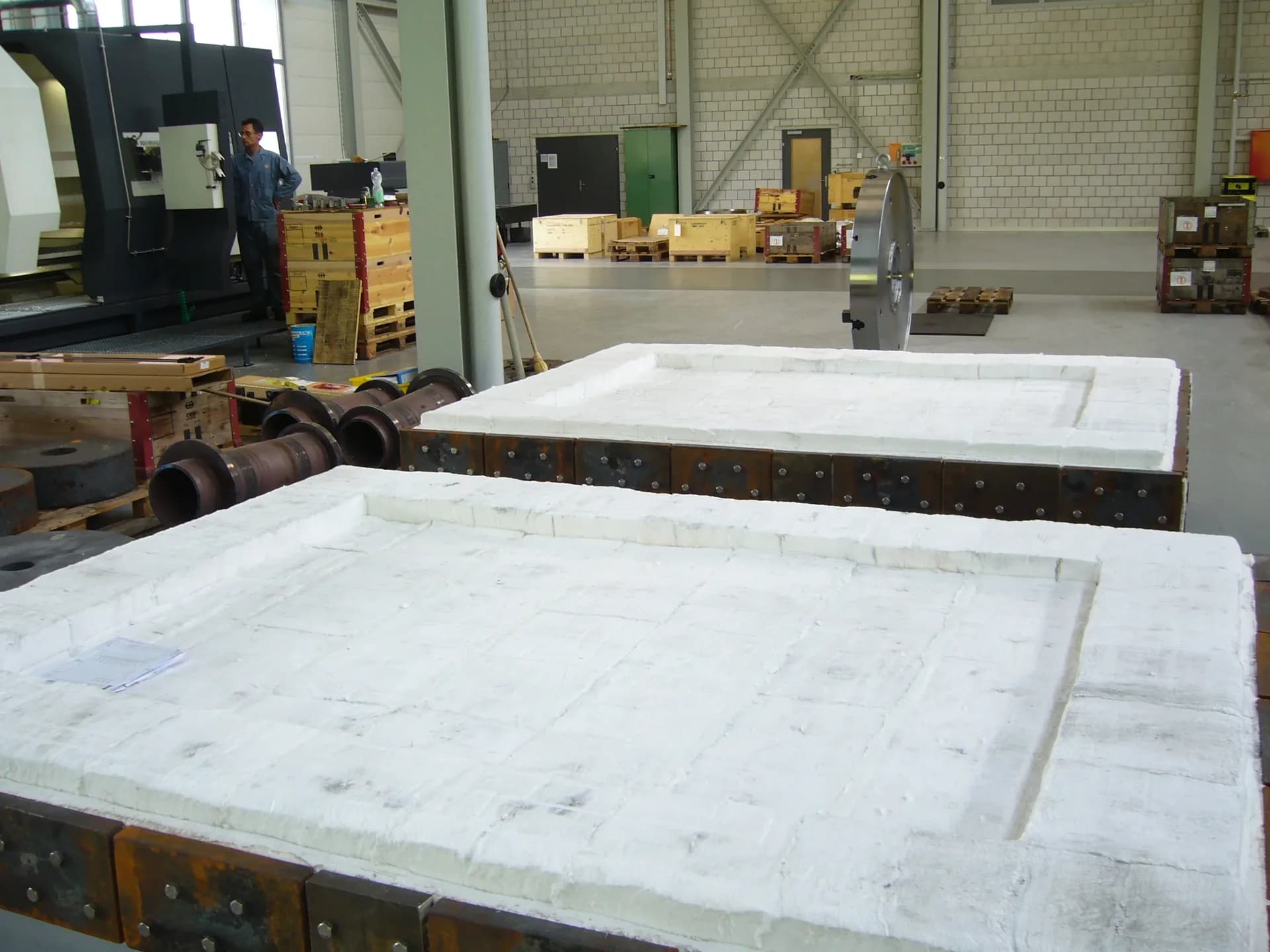
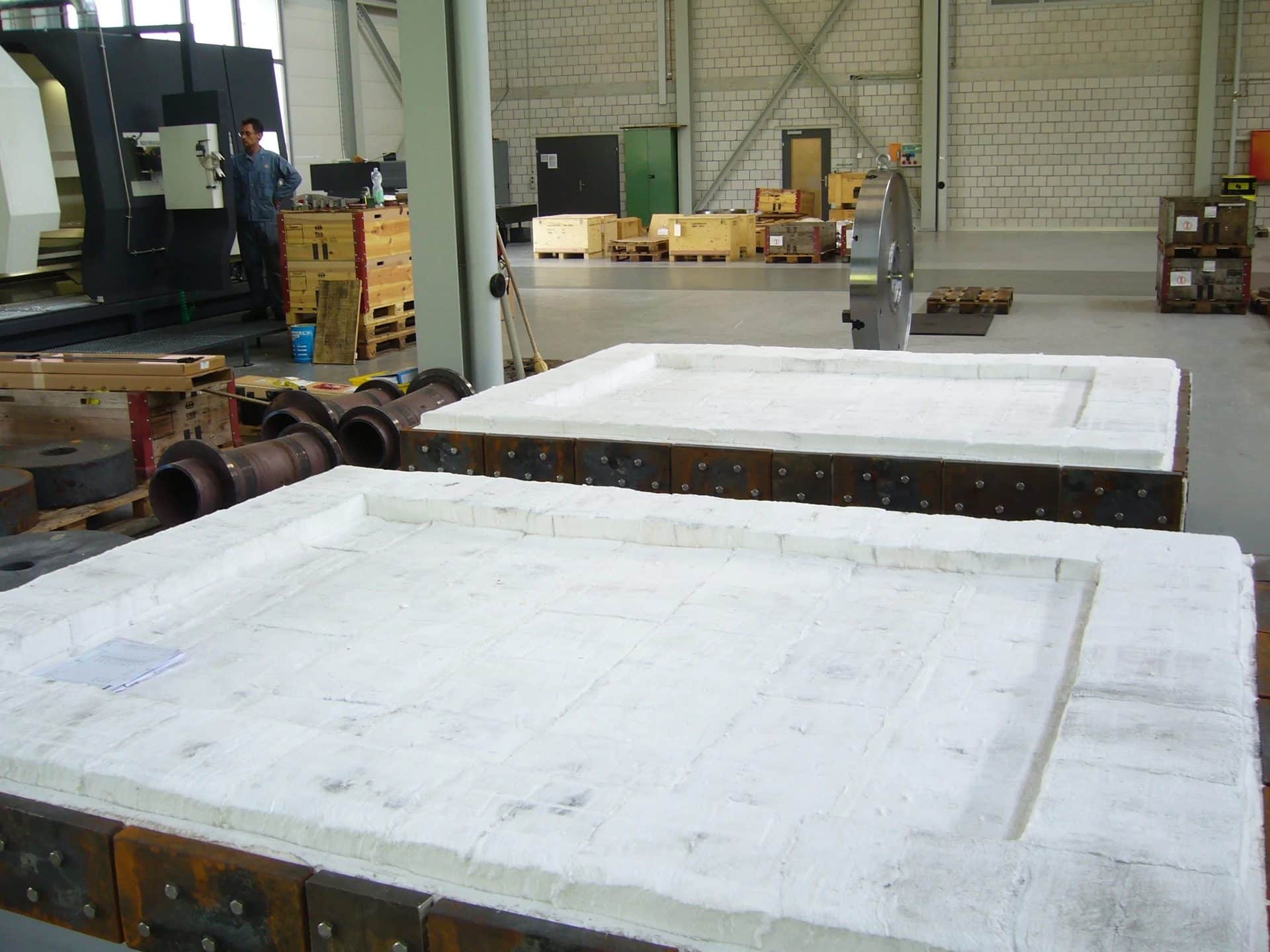
Fully insulated furnace roof with new ceramic fibre modules
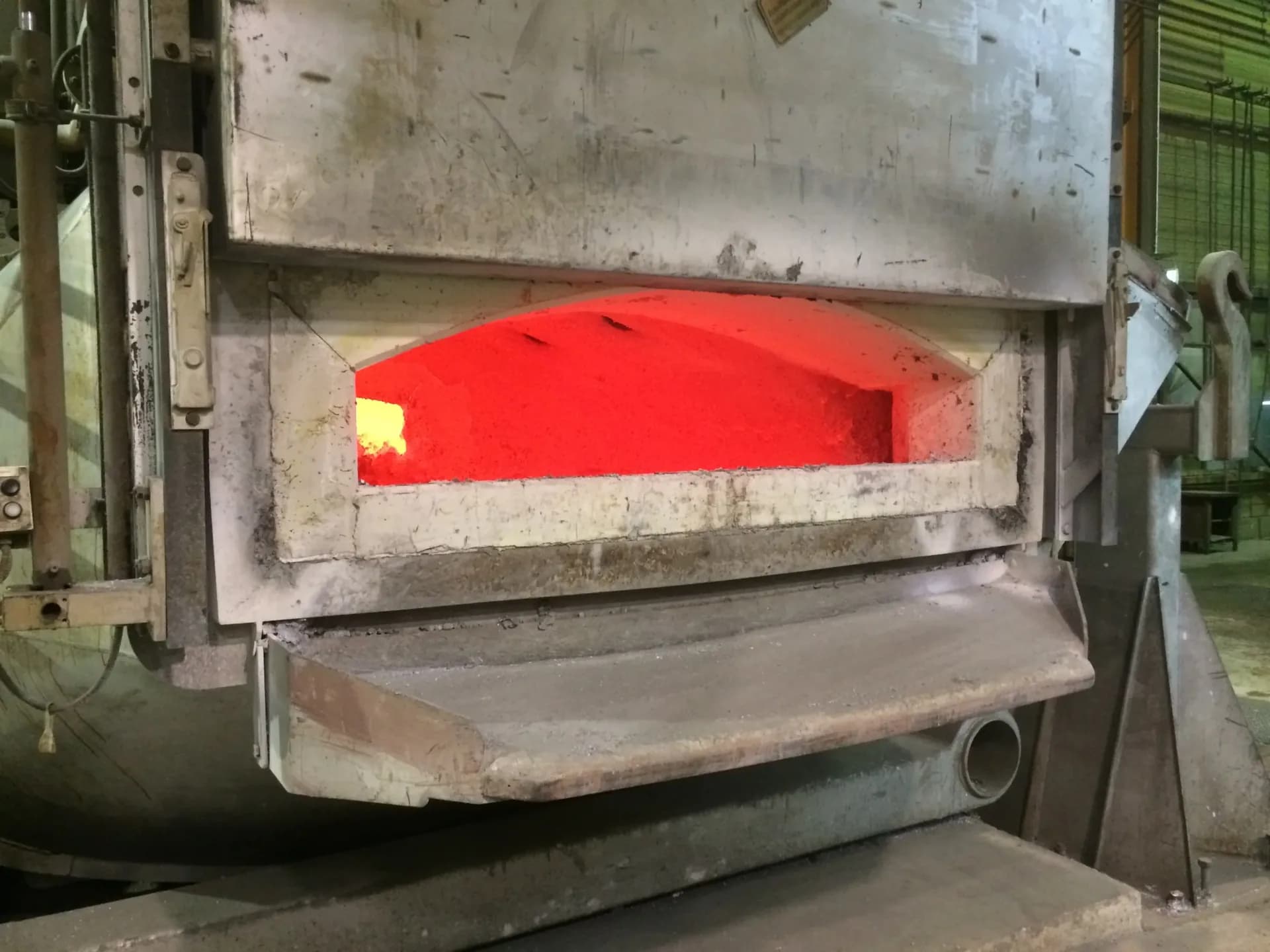
Furnace after insulation optimisation – back in full operation
Your advantages at a glance
Measurable energy savings
Through before-and-after thermography, we document the savings actually achieved – in black and white.
Fast payback
At current energy prices, the investment in better insulation typically pays for itself within two years.
CO₂ evidence for reporting obligations
Our documentation provides robust figures for your CO₂ balance and sustainability reports.
Improved working conditions
Less heat radiation means more comfortable temperatures in the workplace and greater safety for your employees.
When does Insulation make sense?
Typical situations in which this service is used.
High energy costs
Uneven temperature distribution
Excessive shell temperatures on the furnace
CO₂ reduction targets
Frequently asked questions
Everything you need to know about Insulation & Energy Efficiency Optimisation
Your question not listed?
Request personal adviceProjects with this service
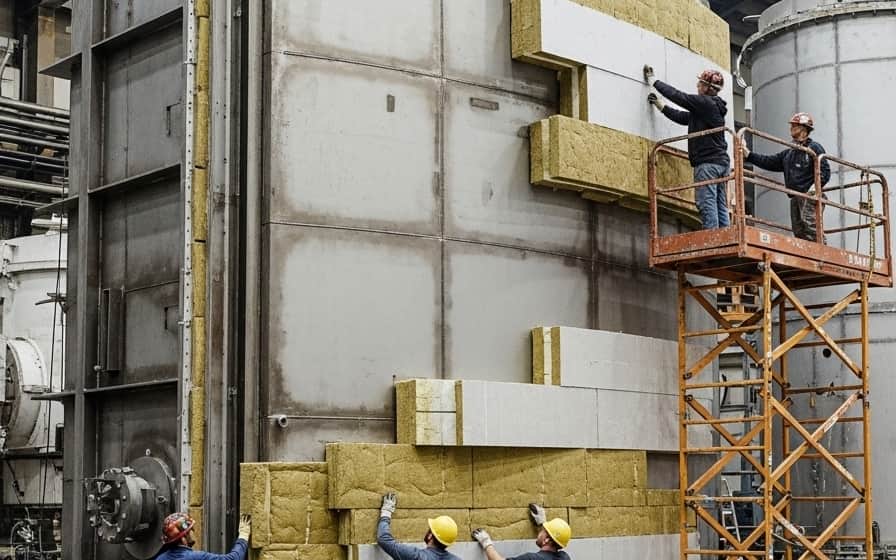
Further reading
You may also be interested in
Planning a project?
Whether complete relining, repair or emergency — free initial consultation and a fast response.