What you see of a furnace wall is the first of three layers
Energy use and service life are decided by the two layers you never set eyes on again after the first heat-up. Judging a lining by its inner face alone means judging one third of it.
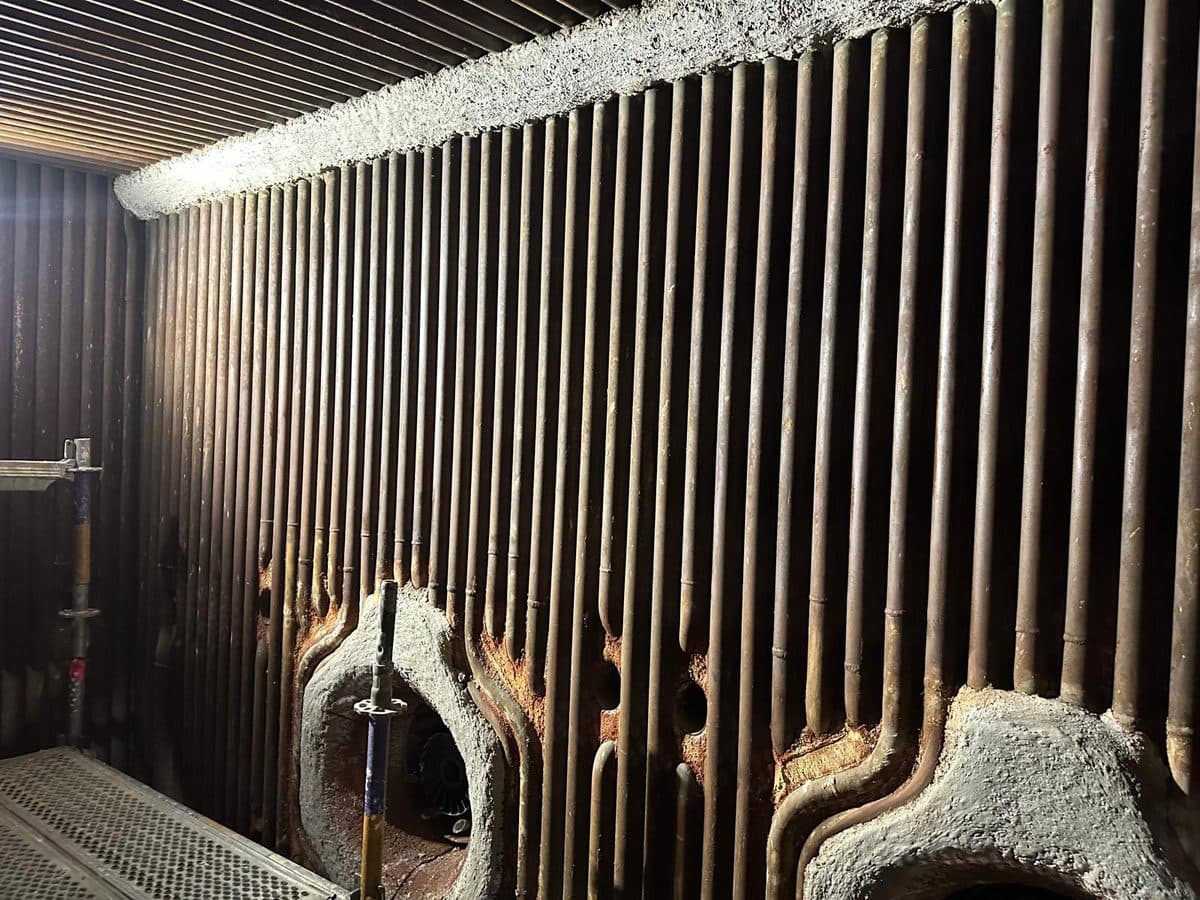
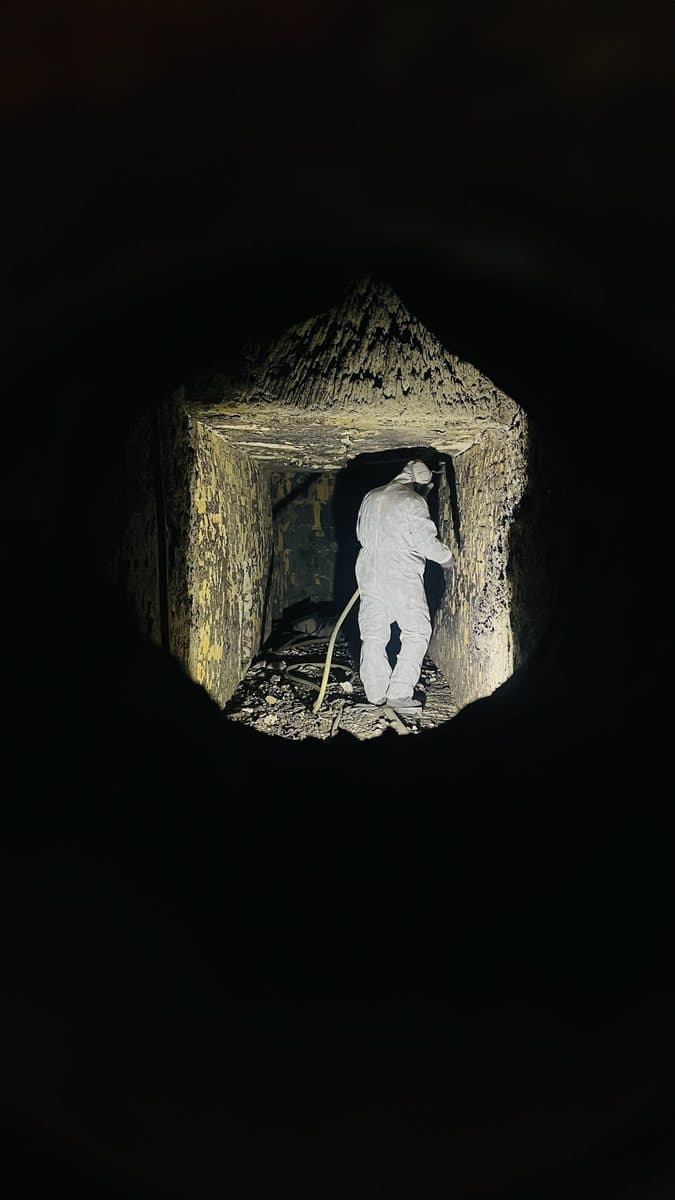
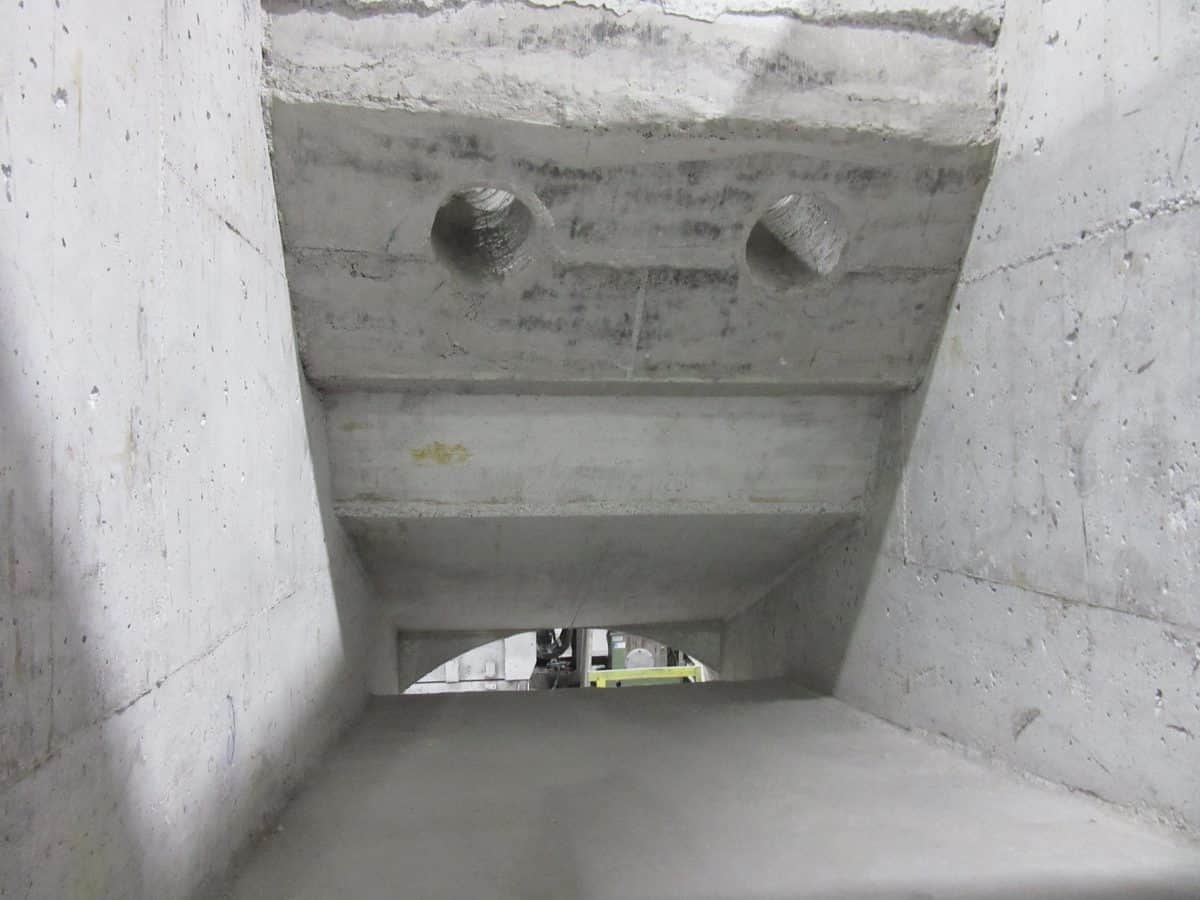
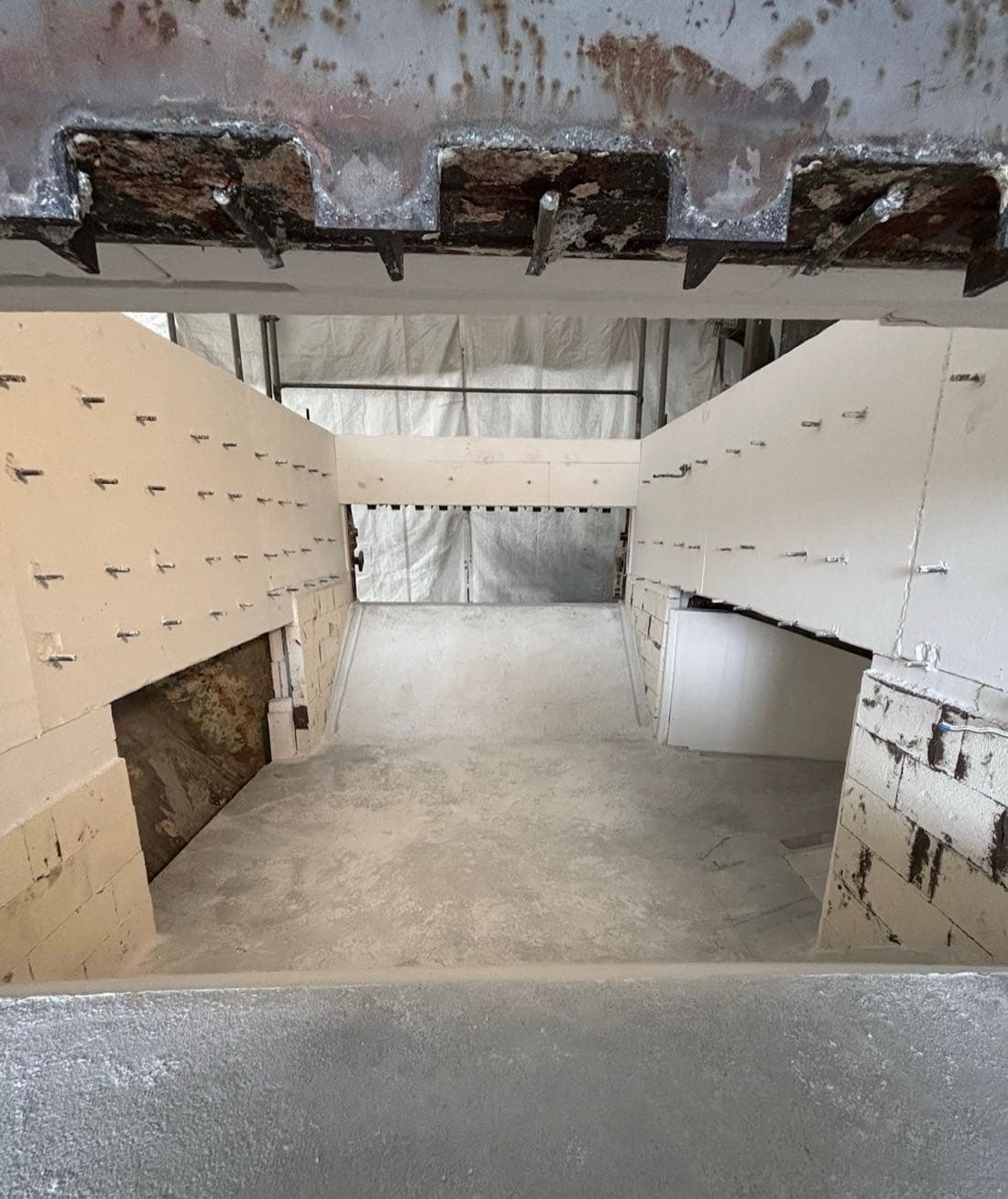
Climb into a cold furnace and you see one surface: the working layer. It is the only one you can judge without breaking anything open — and therefore the only one anyone talks about.
Behind it lie two more layers that you never set eyes on again after the first heat-up. They decide energy consumption and service life at least as strongly as the face in front of them.
The wall from the outside in
It is built from the steel outwards, not from the furnace chamber inwards. That is the order in which it is made, and the order in which it should be thought about.
Safety layer. It sits directly against the furnace shell and has a single job: protect the steel should metal ever get through. It is not designed for normal operation, but for the case that is not supposed to happen.
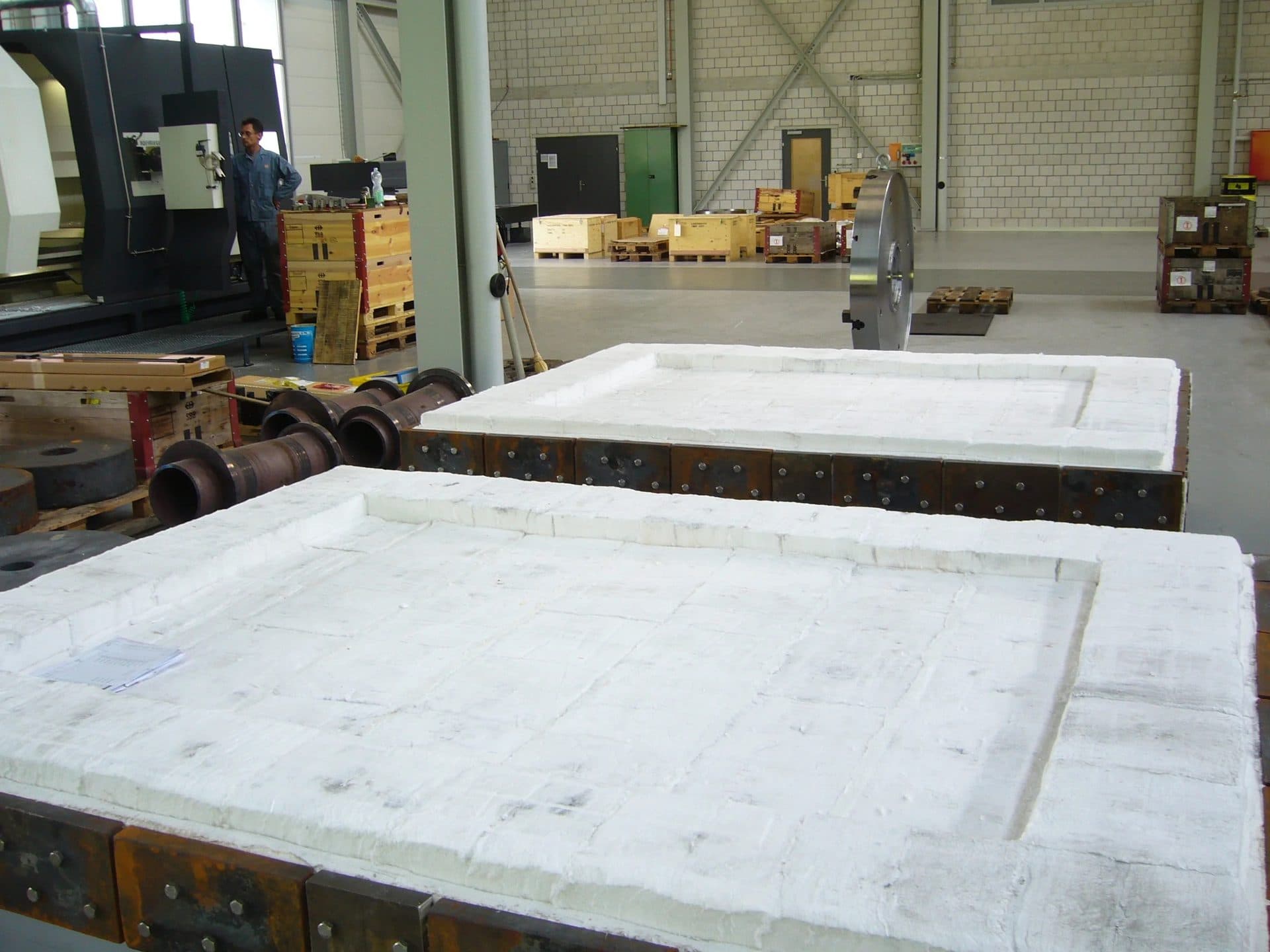
Insulating layer. It limits heat flow to the outside. Every centimetre missing here raises the shell temperature permanently, and with it consumption — not once, but in every operating hour.
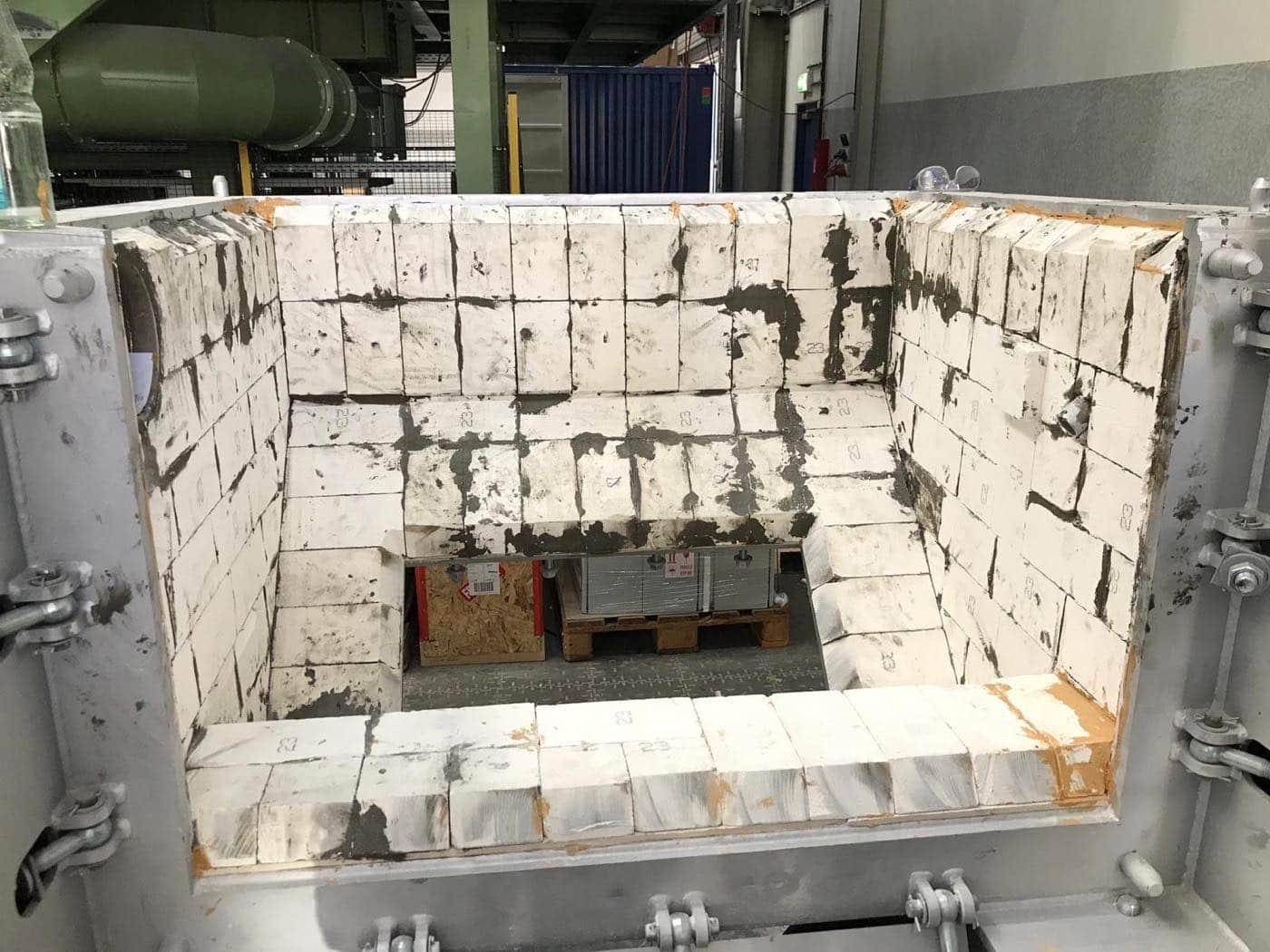
Working layer. It stands in the melt and has to withstand infiltration, abrasion and thermal cycling. It wears out by design; the two layers behind it are not supposed to.
The three layers have different jobs and therefore different materials. A wall made throughout of one material is either too weak on the inside or too expensive on the outside.
Why the middle layer is the one most often cut
The insulating layer is the only one whose absence you neither see nor notice straight away. The furnace runs, the charge gets hot, nothing fails. The bill arrives through the electricity account or the gas meter, spread over years, and is attributed to nobody.
There is a second effect that is considered less often: the better the insulation, the more even the temperature in the working layer. A wall losing heat outwards has a gradient inside — and a gradient is stress, working away at the joints.
What makes the layer boundaries so sensitive
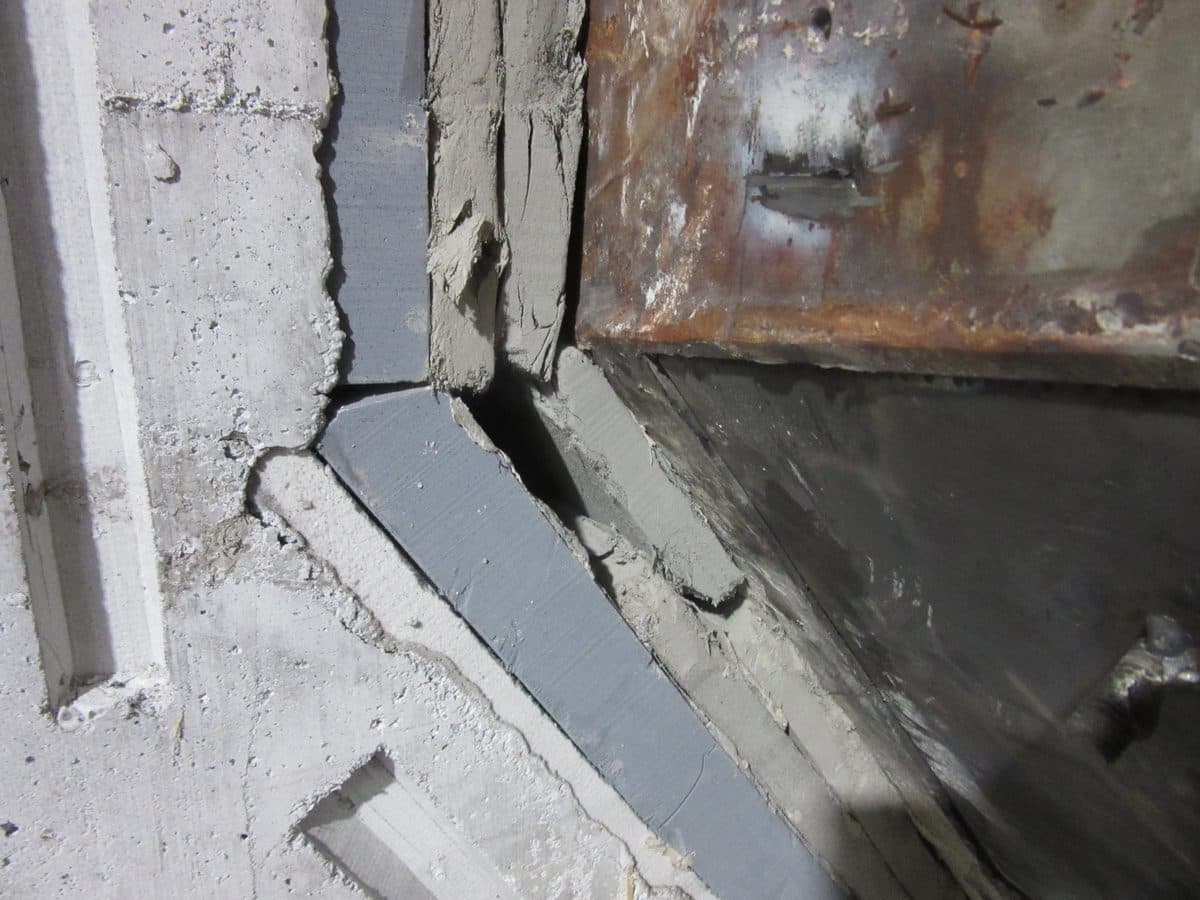
The most dangerous place in a multi-layer wall is not one of the layers, but the transition between two of them. That is where materials with different expansion meet.
Different expansion. Every material grows differently on heating. At the boundary of two layers this creates movement that no heat-up programme removes — it can only be planned for.
Continuous joints. If a joint in the working layer sits above a joint in the layer beneath, a continuous path to the outside is created. That is why layers are staggered, never flush.
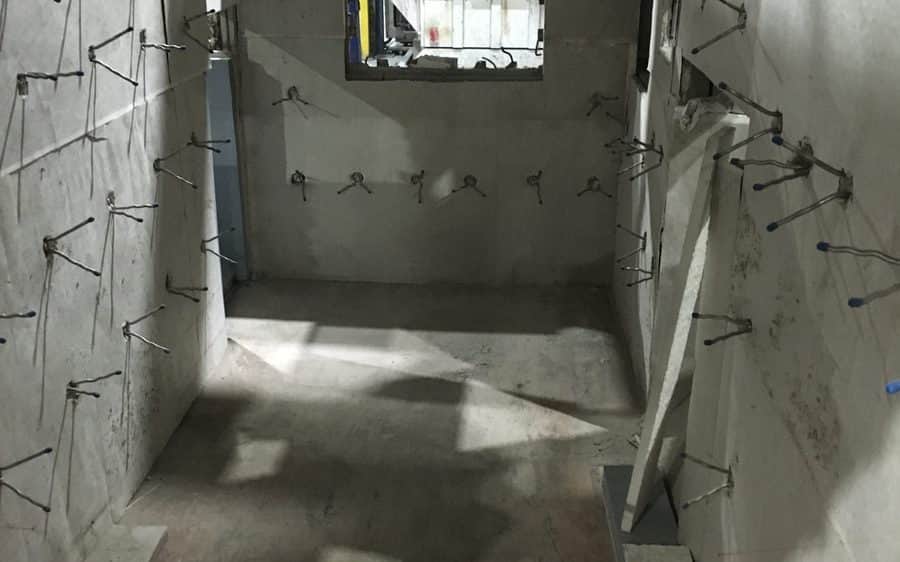
Anchors as thermal bridges. Every anchor connects the furnace chamber to the shell. It has to hold and should conduct as little heat as possible — two requirements that contradict each other.
Dimensional accuracy underneath. An uneven insulating layer produces a working layer of uneven thickness. Different thickness means different expansion, and precisely where you can no longer see it later.
That is why the old lining comes out completely in a relining. A new working layer on an aged insulating layer is two thirds patchwork with one third new material in front of it.
What can still be judged from inside
The two rear layers are not visible — but they are not unobservable. They report in indirectly.
Shell temperature is the most direct clue: it is the figure an operator can measure without outside help, and it says more about the insulating layer than any visual check inside the chamber. A spot markedly warmer than its surroundings shows a gap behind the surface you can see.
What follows for planning
At the next relining it is worth asking about all three layers, not just the quality of the working layer. Which material sits against the shell? How thick is the insulation, and on what basis was it chosen? How are the joints staggered?
The working layer decides when you reline next. The two layers behind it decide what the furnace consumes every day until then.
At a glance
Three layers
safety, insulation, working face
Two of them
are never seen again after heat-up
By load
each layer designed on its own, not from a catalogue
We use cookies and similar technologies to ensure that our website functions properly and to analyse how our content is used. In the settings you can choose which cookies you wish to allow. Privacy policy

 PDFAll furnace types