SBS Refractory Service
Refractory technology4 min

Material transitions: where the most dangerous damage begins

It is not the material that fails first, but the point where two materials meet. Why transitions are the focal point of damage in every lining.

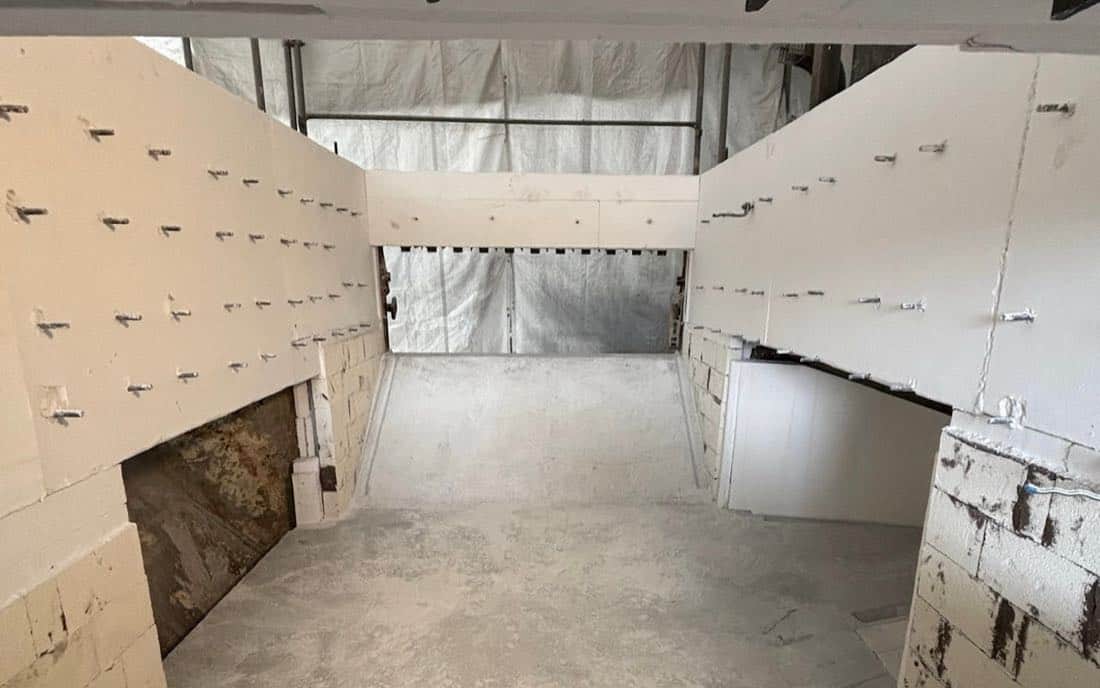
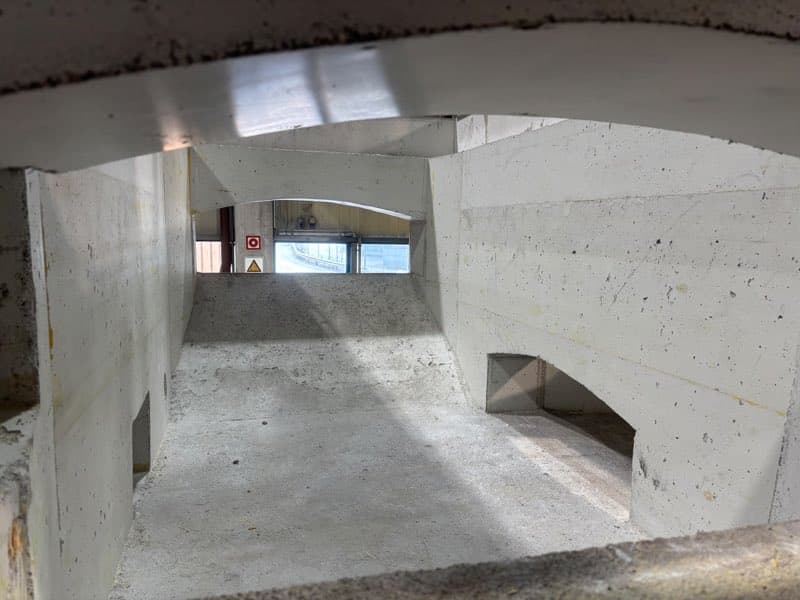
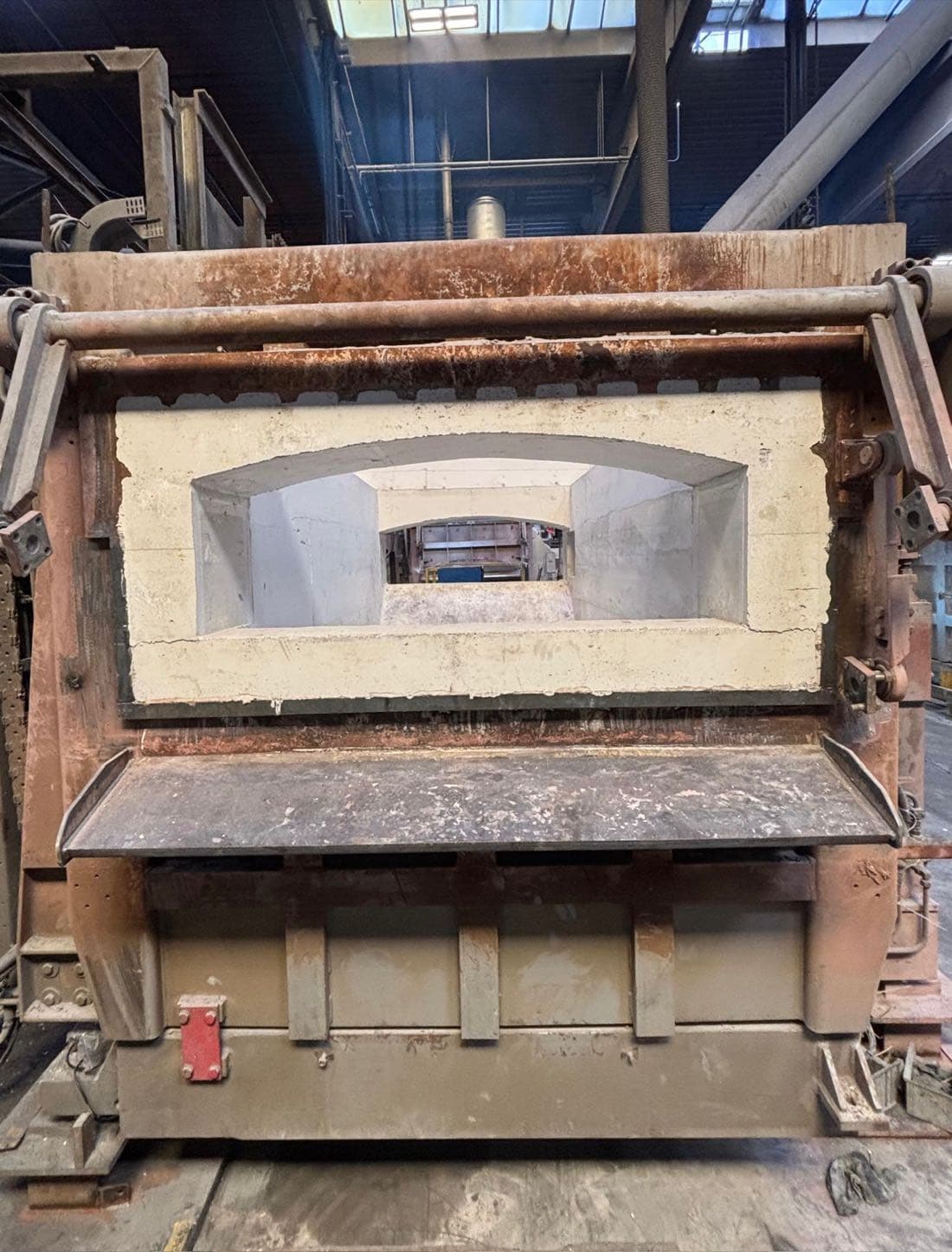
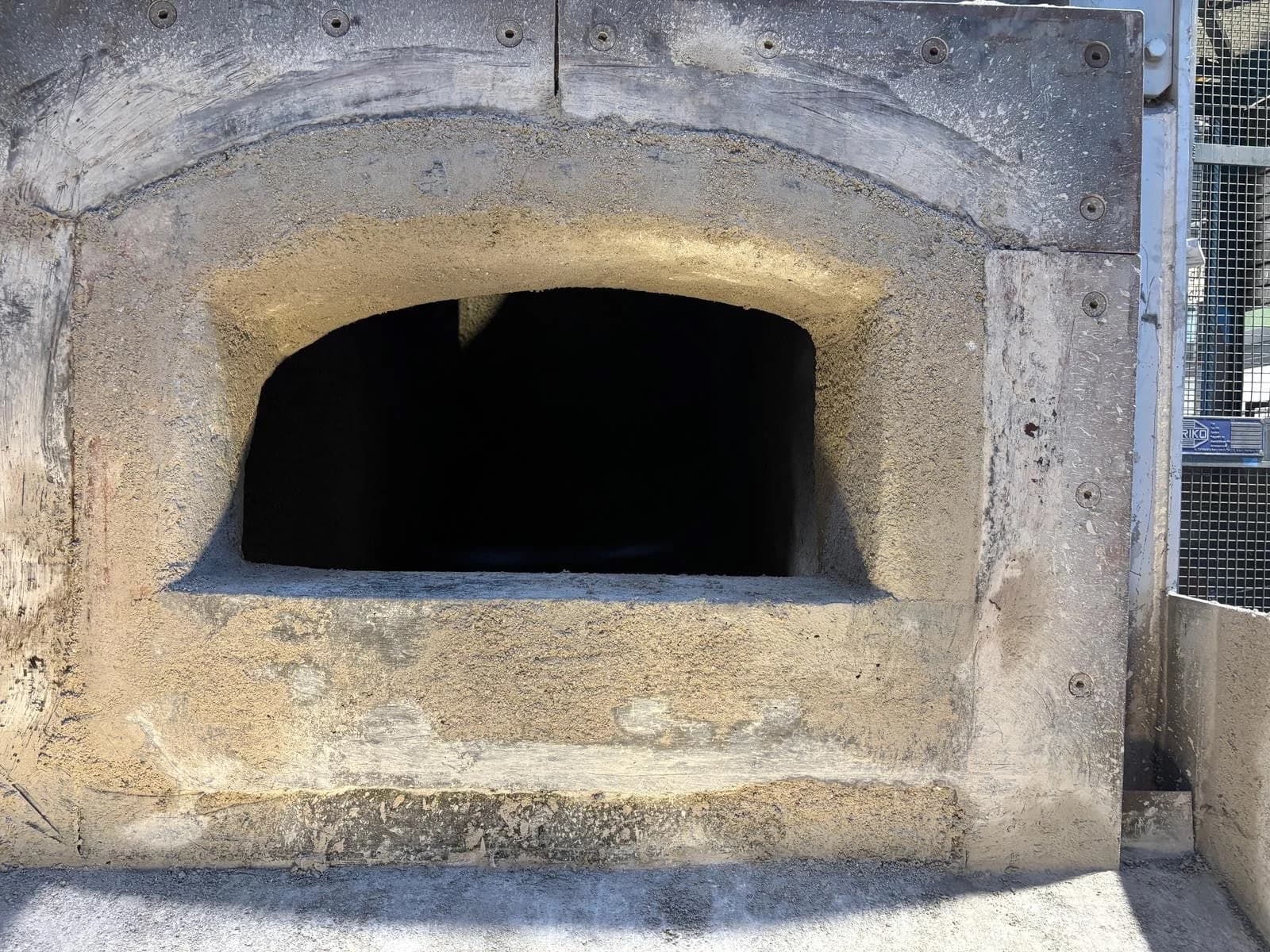
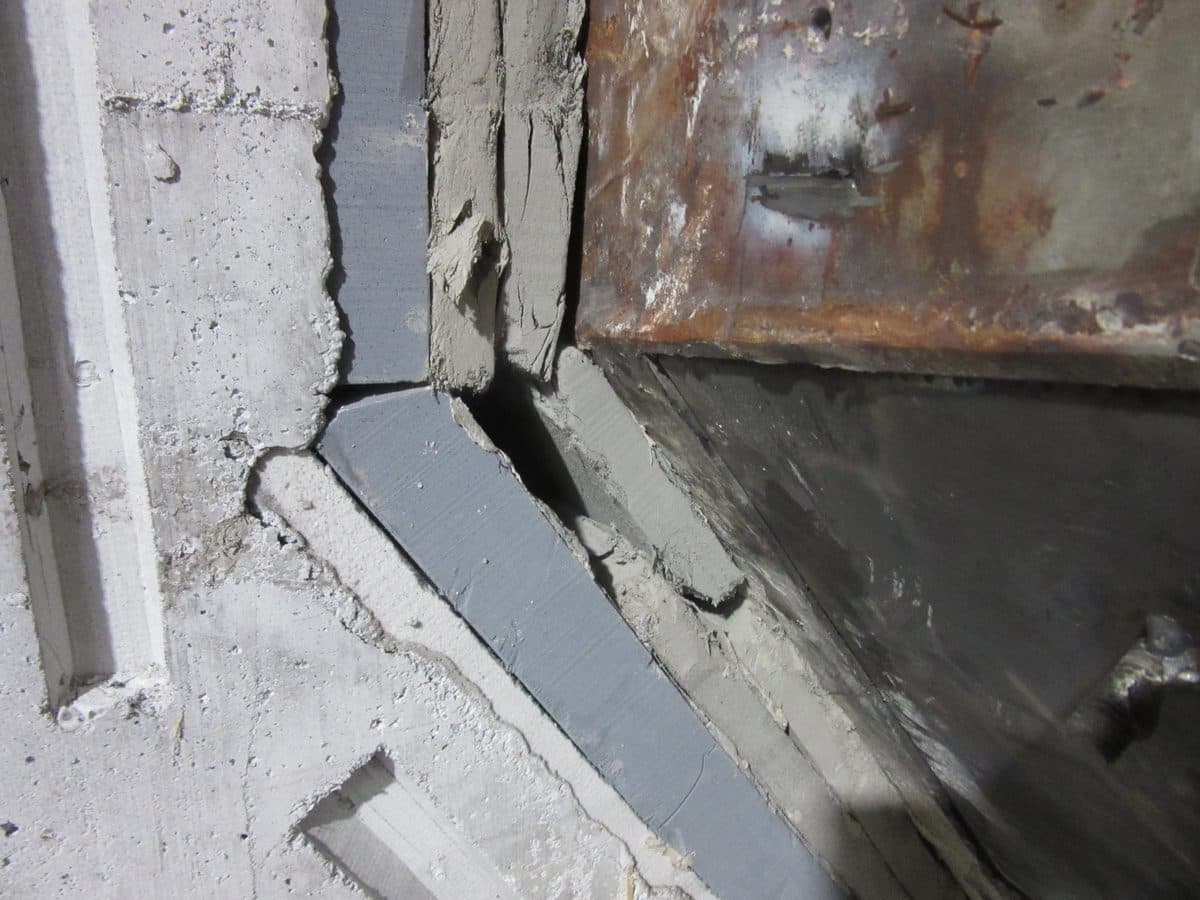
Anchoring and material transition during the complete relining

A refractory lining rarely consists of a single material. Castable meets brick, wear layer meets insulating layer, refractory meets steel. It is precisely at these seams that most damage begins — not because one material is poor there, but because two materials react differently.

Four transitions you need to know

  • Castable on brick: the two expand to different degrees. Without a planned expansion joint at the transition, pressure builds up and releases itself as spalling on the weaker side.
  • Wear layer on insulating layer: the insulating layer is softer and carries less load. If the wear layer becomes too thin, it works its way into the insulation — the damage is then driven from behind.
  • Refractory on steel: steel expands considerably more and conducts heat away. Anchors have to absorb this movement, not block it — otherwise they tear out.
  • Old on new: in partial repairs, the boundary between the existing and the new lining is the most critical point of the entire measure. Here it is the preparation of the old material that decides, not the quality of the new.

What helps during planning

  • Do not place transitions in the most heavily loaded zone where this can be avoided
  • Set expansion joints deliberately at the transition and do not leave them to chance
  • In partial repairs, mechanically roughen the connecting surface and free it completely of build-up
  • Document the position of the transitions in the furnace file — at the next overhaul, that is the first place to look

Anyone assessing a lining does not look at the surfaces. They look at the lines in between.

At a glance
4 types
castable/brick, wear/insulation, refractory/steel, old/new
Transition
most frequent starting point of damage

Planning a project?

Whether complete relining, repair or emergency — free initial consultation and a fast response.