SBS Refractory Service
Refractory technology2 min

Anchoring: the invisible part of the lining that determines service life

When a lining fails prematurely, the refractory material is rarely to blame — the anchoring behind it is. Five rules from overhaul practice.

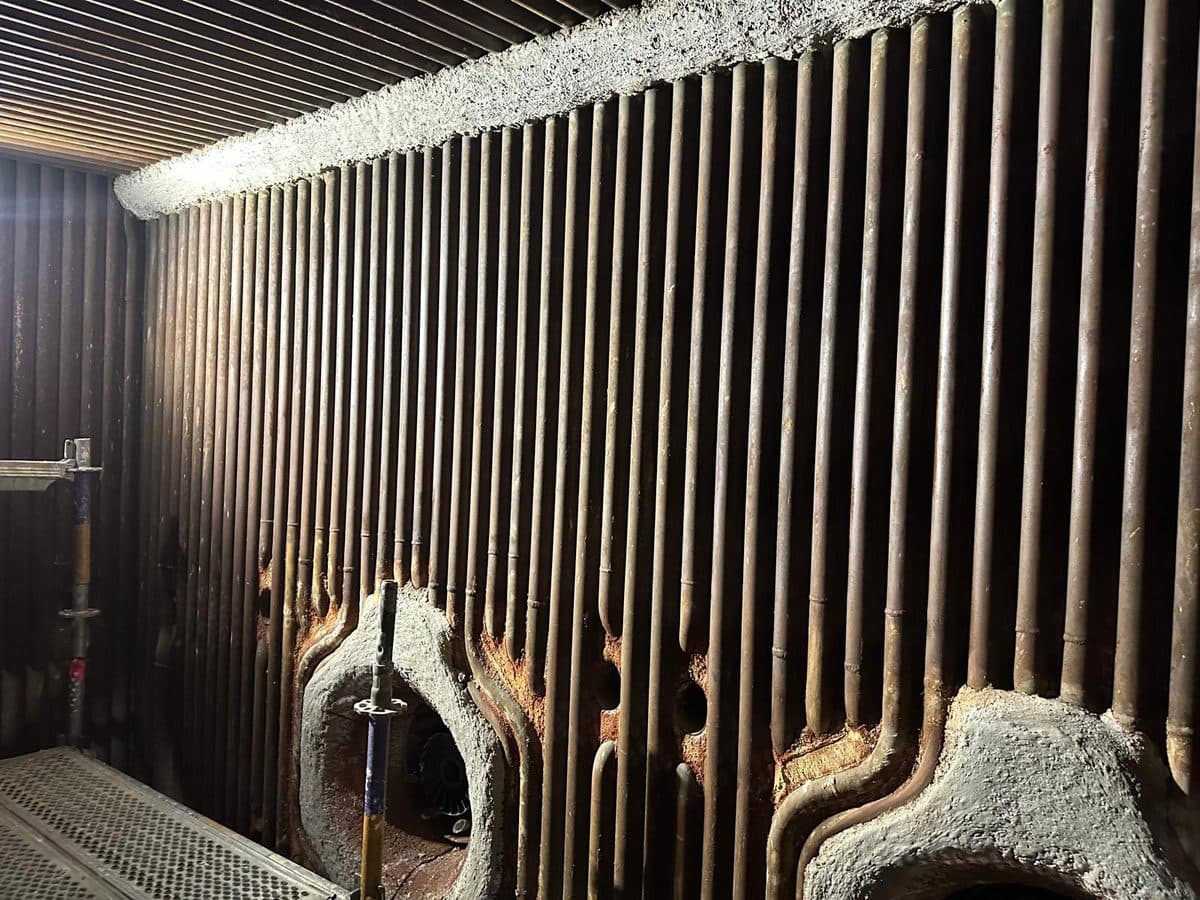
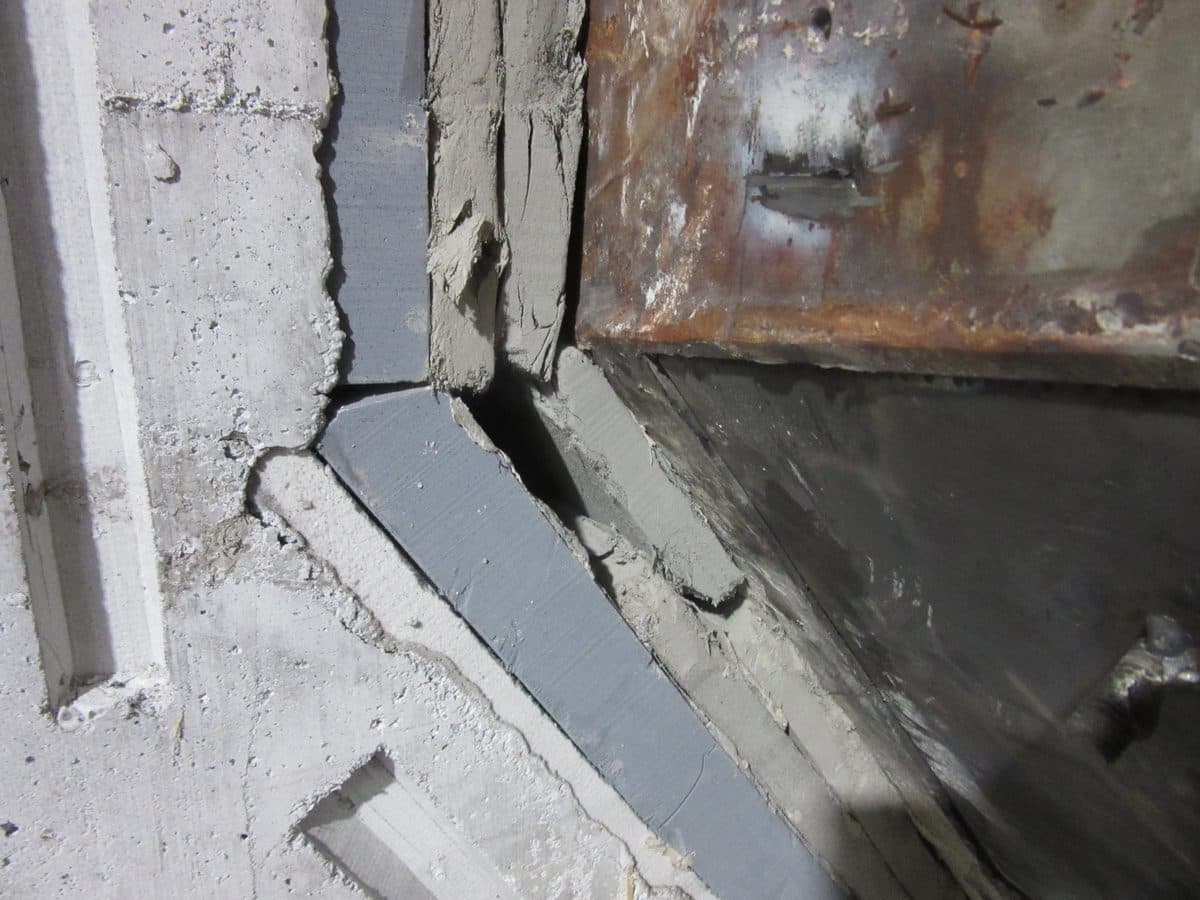
Exposed anchor construction on a boiler wall during the overhaul

When a lining fails prematurely, the refractory material is rarely to blame — the anchoring behind it is. During a boiler overhaul on a grate firing system we found exactly that picture: the right material, clean workmanship, but scale-corroded and partly cracked anchors from the previous lining. The lining was held by friction, not by design.

Five rules for anchoring

  • Anchor material to suit the operating temperature: at 900–1,100 °C, heat-resistant steels such as 1.4828 or 1.4841 — structural steel simply scales away.
  • Anchor spacing matched to the layer thickness, typically 200–300 mm; closer on the roof and arch than on the wall.
  • Expansion compensation at the anchor heads so that the steel can move without blowing off the material.
  • Anchors are wearing parts — renew them consistently at every repair relining.
  • Record the material and the spacing in the as-built documentation. That saves time and money at the next overhaul.

Many cases of damage reported as material failure are in truth anchor failure. That is why we also check the anchoring at every inspection.

At a glance
1.4828 / 1.4841
heat-resistant anchor steels for 900–1,100 °C
200–300 mm
typical anchor spacing depending on layer thickness

Planning a project?

Whether complete relining, repair or emergency — free initial consultation and a fast response.