Refractory technology2 min
Adhesion decides: why substrate preparation determines service life
The most expensive refractory material will not hold if the substrate is not right. Four steps that nobody sees in the end — and that determine the service life of the entire lining.

In every repair relining we deliberately invest time in a step that nobody sees in the end: cleaning and preparing the surface onto which the lining is applied. This step determines adhesion — and with it the service life of the entire lining.
What our installation teams look out for
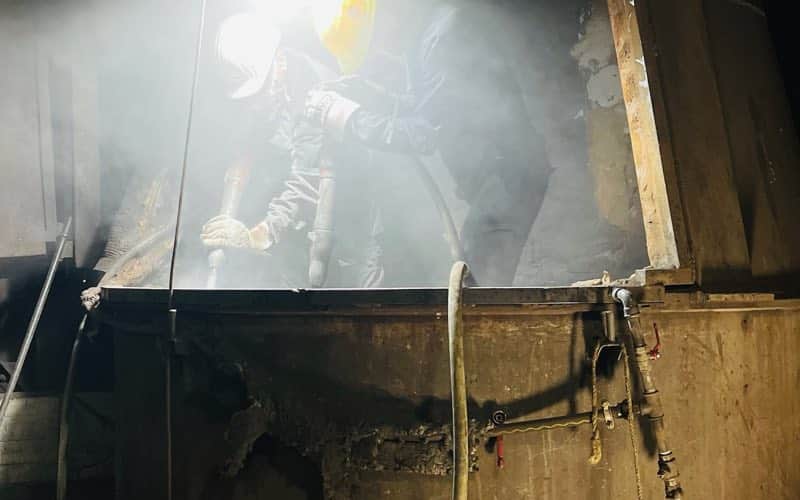
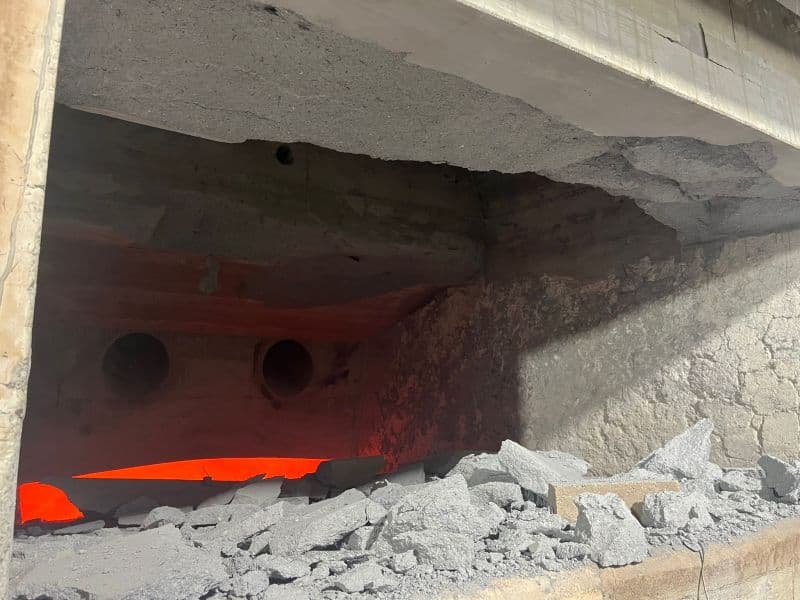
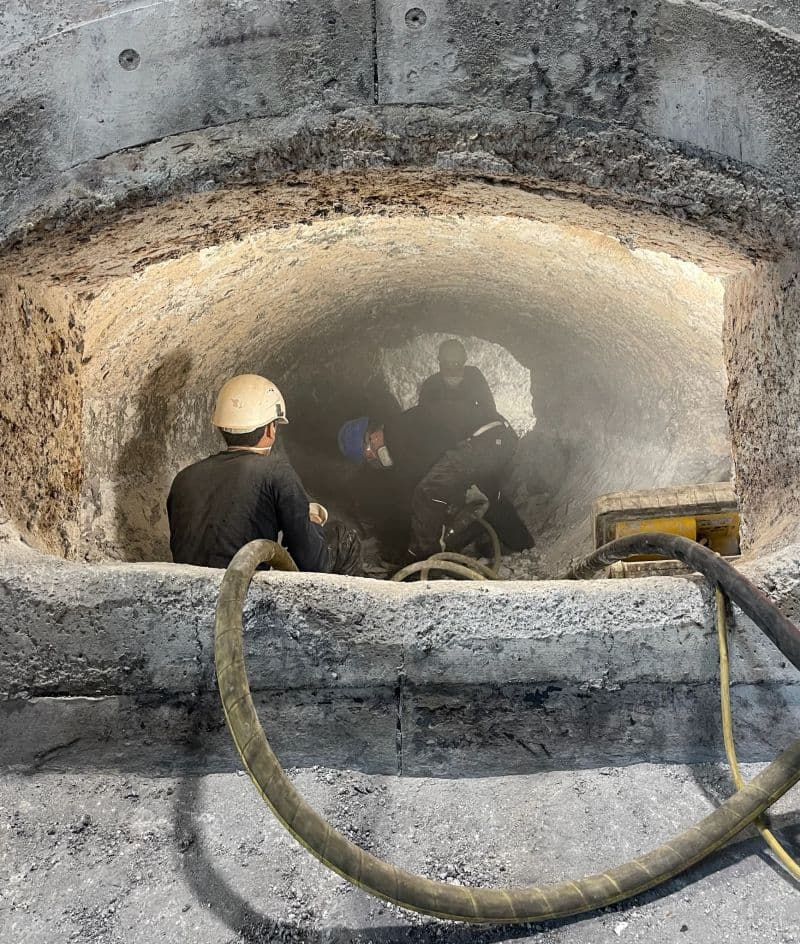
- Thorough strip-out: infiltrated old material is not left in place. Whatever is saturated will not carry load and later comes away together with the new lining.
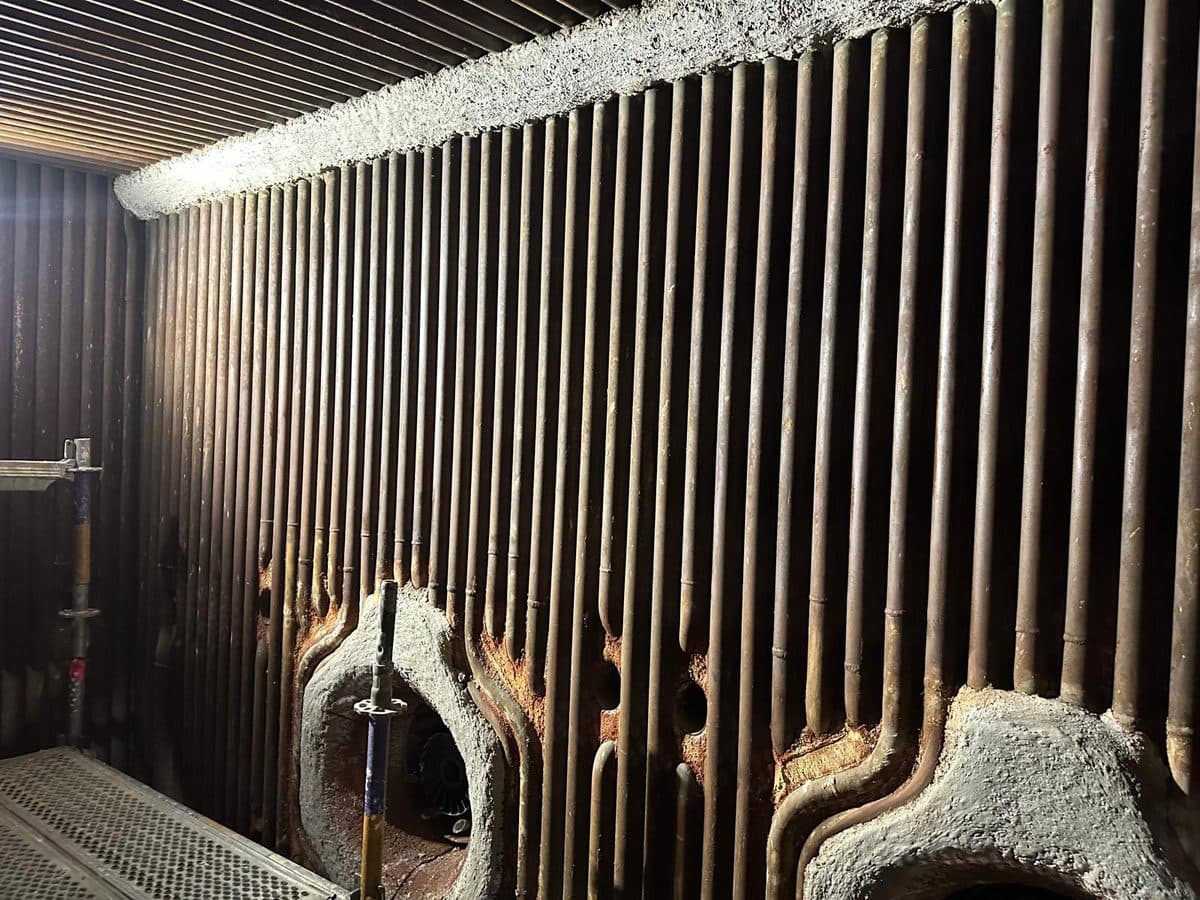
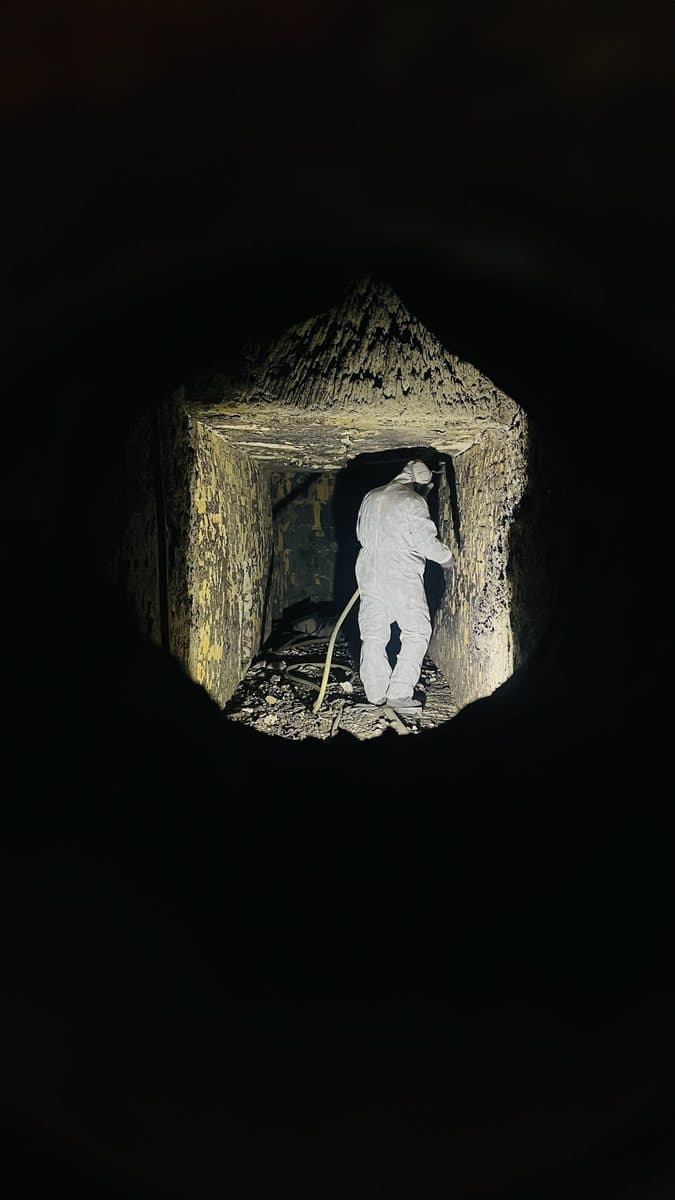
- Complete removal of deposits and slag: especially in flue gas passes and ducts, the actual condition can only be assessed after blasting — which frequently changes the scope of the repair.
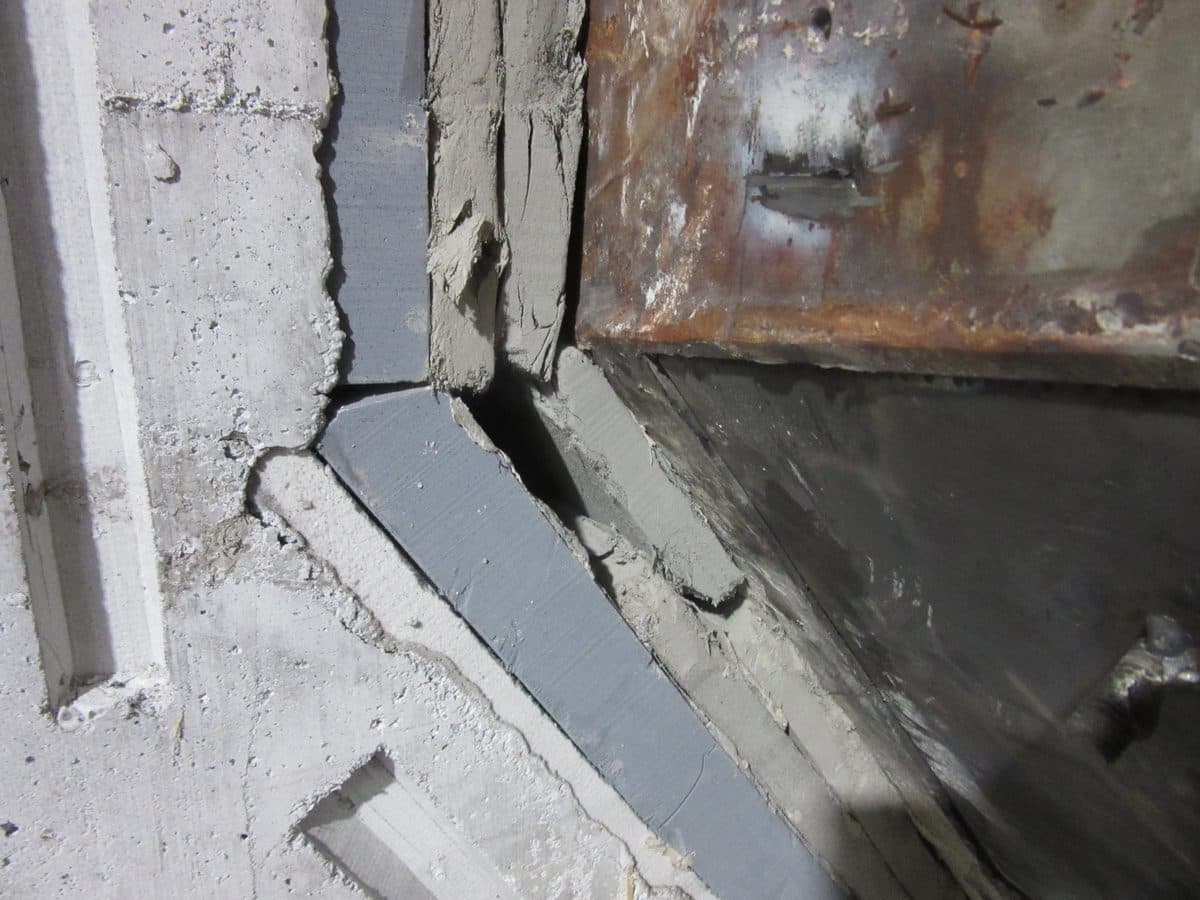
- Checking and renewing the anchoring: anchors are wearing parts. No new lining will hold on scaled old material.
- Dust-free handover: fine dust on the contact surface acts as a separating layer — vacuum it off rather than blowing it away, then shutter and cast.
These hours are firmly scheduled into the sequence — even when every hour counts in the shutdown window. They are the cheapest contribution to service life that an overhaul can make.
At a glance
4
work steps before every complete relining
Firmly scheduled
share of preparation in the overhaul sequence
Further reading
Related articles
From practice
Matching references
Planning a project?
Whether complete relining, repair or emergency — free initial consultation and a fast response.