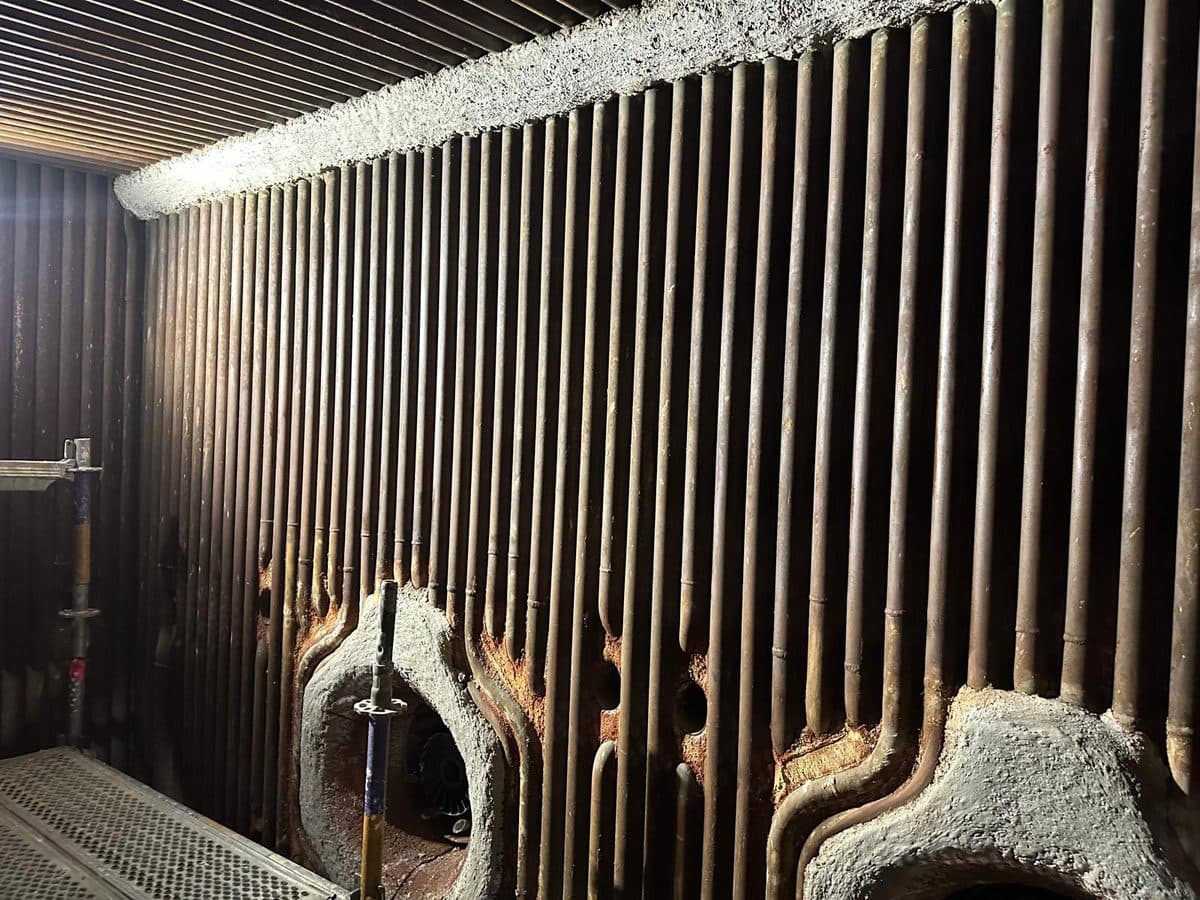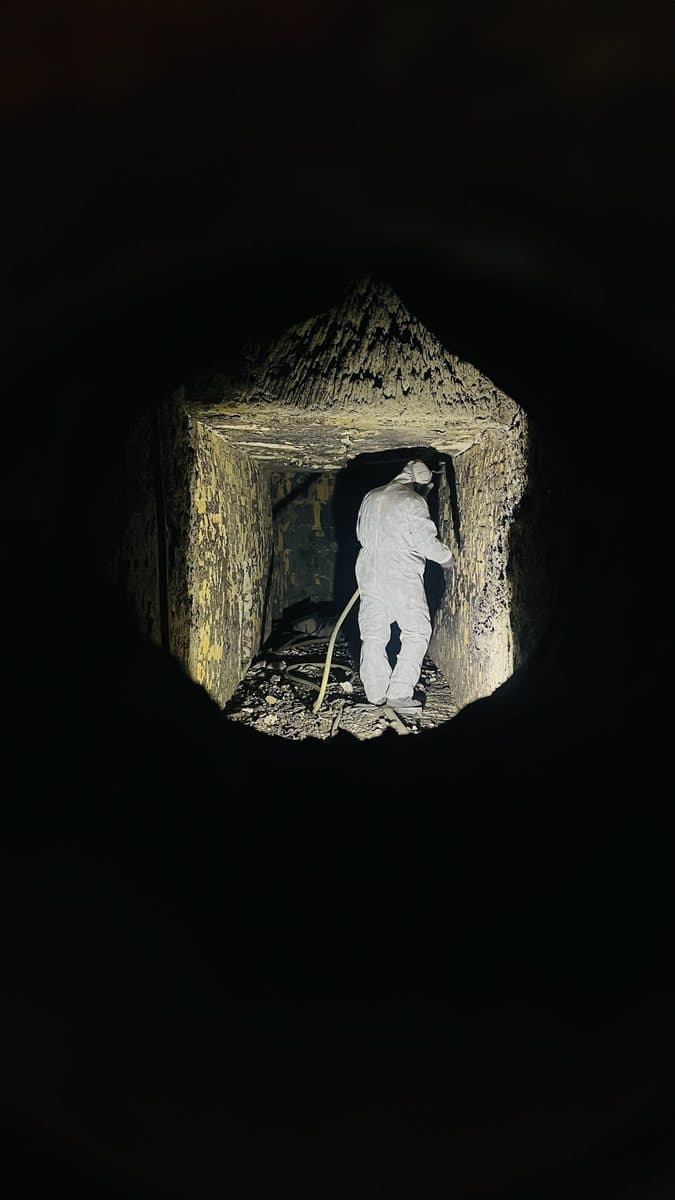
Moisture in refractories: the underestimated safety risk
Residual moisture in refractory linings can cause explosive spalling during heat-up. Why controlled drying is not an option but an obligation.

Why water in refractories is so dangerous
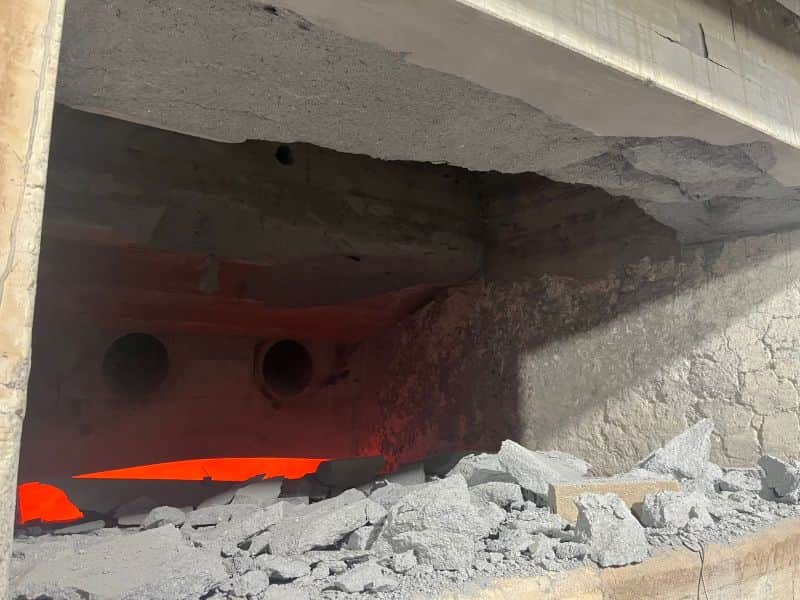
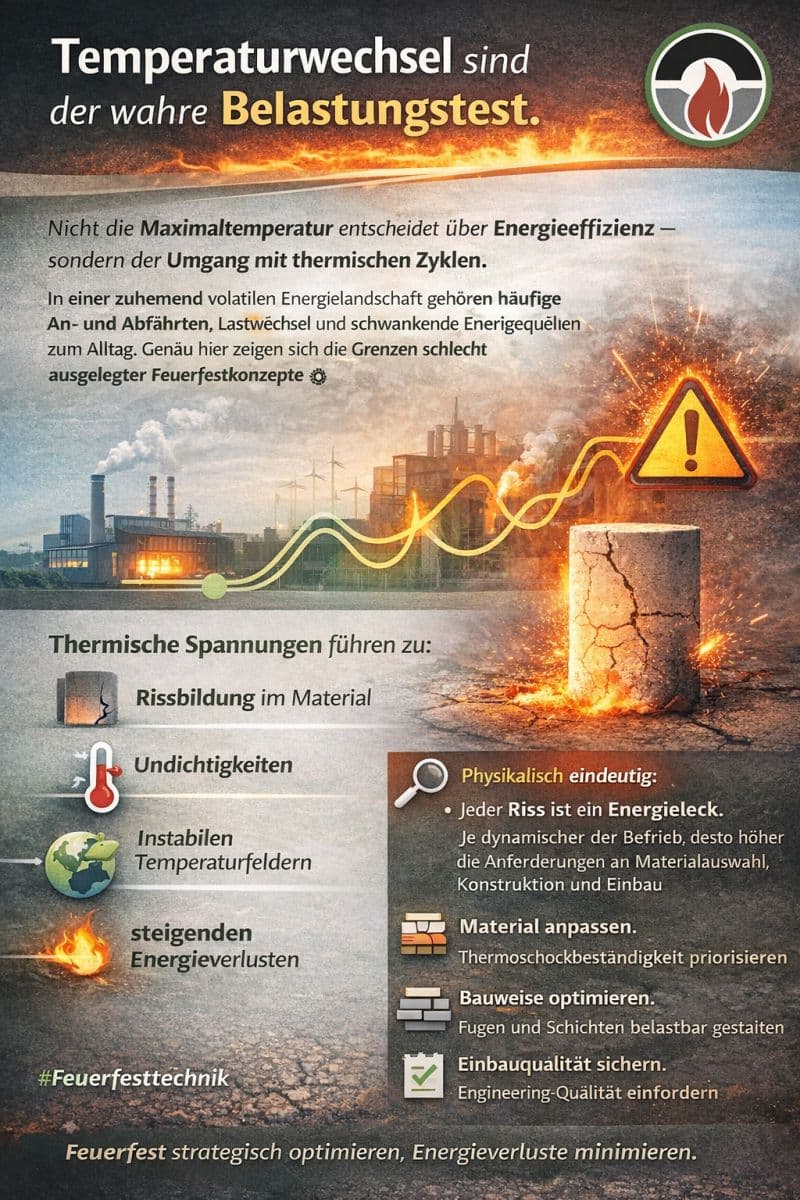
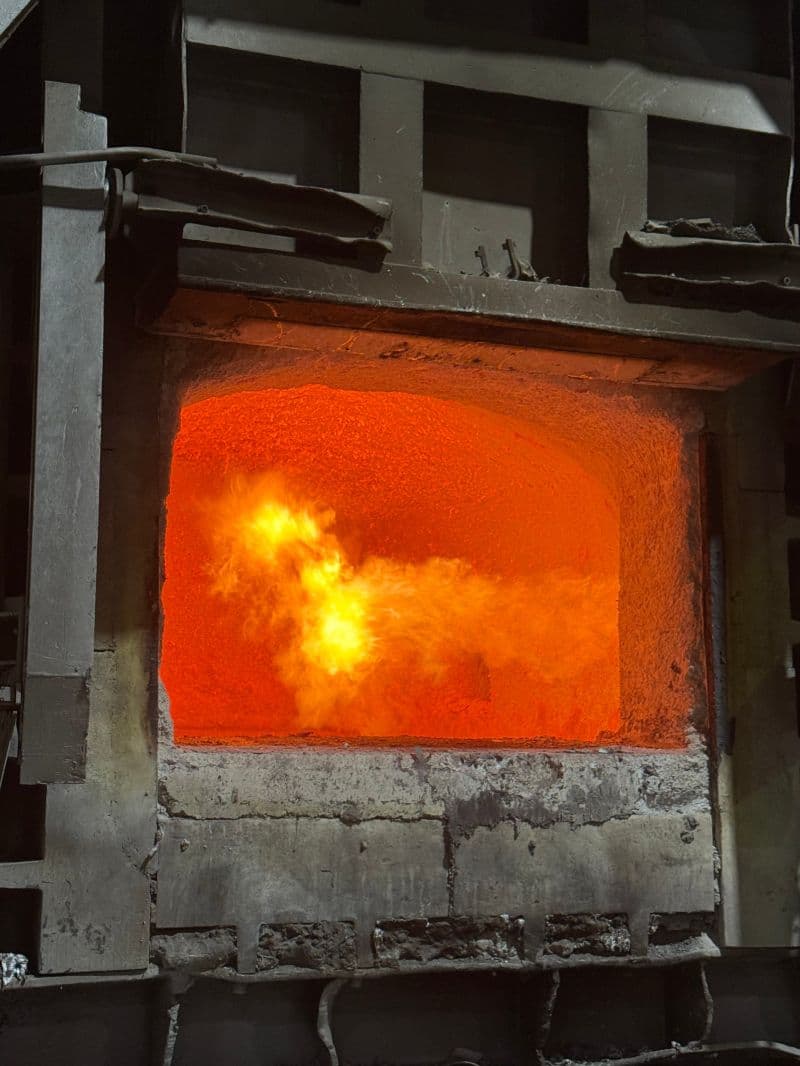
Refractory materials and water do not go together. What sounds trivial is in practice one of the most frequent causes of serious operational disruption and safety incidents in high-temperature industry. If a freshly lined or repaired furnace is heated up too quickly, the moisture bound in the material cannot escape in a controlled way. The resulting steam pressure blows the material apart from the inside. The consequences are explosive spalling that not only destroys the lining but also endangers personnel and plant.
At temperatures above 100 degrees Celsius, free water begins to evaporate. In doing so its volume increases by a factor of 1,700. In a dense refractory material that cannot carry the steam away quickly enough, a pressure builds up that blows the material apart.
Sources of moisture
Moisture in refractory material has various origins that have to be taken into account when planning the drying process. Castables and ramming mixes contain water as mixing water by virtue of the process. Depending on the type of material, the water content is between 4 and 12 per cent. Some of this water is present as free water in the pores, some as chemically bound water of crystallisation in the binder phases. Both forms have to be driven out in a controlled way during heat-up, though at different temperatures and at different speeds.
- Mixing water in castables: 4–8 per cent water content, has to be driven out via holding times at 110 and 350 degrees Celsius
- Water of crystallisation in cement bonds: only released at 400–600 degrees Celsius and requires slow heating rates in this range
- Ambient moisture: open furnaces absorb moisture from the air during longer shutdowns, especially in the cold months
- Condensation: with changes in temperature, condensate can form in the insulating layer behind the hot face
- Process water: cooling water leaks or leaking cooling elements can introduce moisture into the lining
Controlled drying as a safety measure
Professional drying follows a material-specific heat-up curve matched exactly to the refractory products used. In the critical temperature ranges, the heating rate must not exceed certain limits. Typically, heating is carried out at a maximum of 25 to 50 degrees per hour, with defined holding times at 110, 350 and 600 degrees Celsius. With large furnace volumes or particularly thick linings, the holding times can amount to several hours or even days.
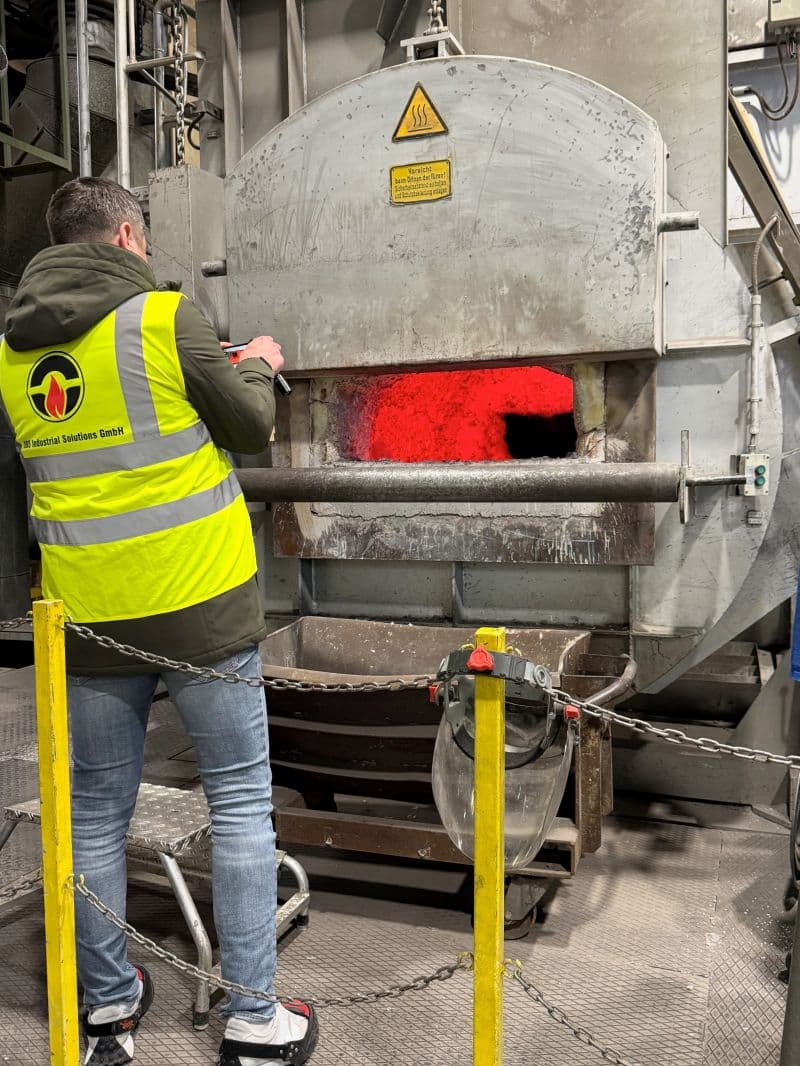
Temperature monitoring during drying is not negotiable. Thermocouples at various points in the lining record the temperature distribution and make it possible to identify hotspots and cold zones. Only in this way can it be ensured that drying proceeds evenly and that no areas are skipped. At SBS Refractory Service we draw up an individual drying curve for every project and monitor the entire process without gaps.
A rule of thumb in refractory technology: the drying time in hours should correspond to at least twice the lining thickness in centimetres. A 30-centimetre layer of castable therefore requires at least 60 hours of controlled drying.
Consequences of inadequate drying
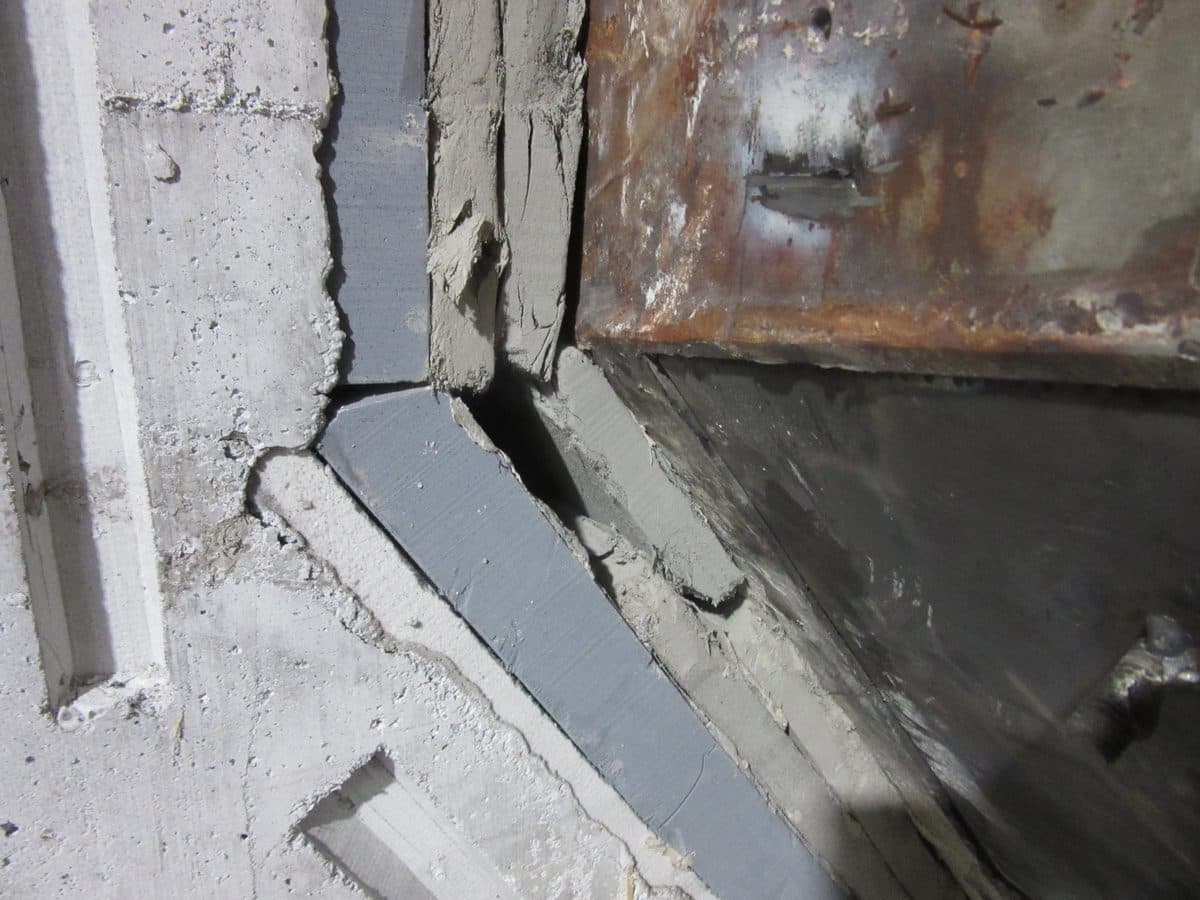
The consequences of inadequate drying range from surface spalling to total failure of the lining. In the worst case, a crack penetrates the entire lining and melt escapes. Such events are not only commercially catastrophic but present an acute danger to operating personnel. Less dramatic consequences such as microcracks and reduced material strength also impair service life considerably. Material that was damaged during the first heat-up never reaches its full performance. Investing in careful drying therefore always pays for itself within the first campaign.
Related articles
Planning a project?
Whether complete relining, repair or emergency — free initial consultation and a fast response.