
SBS Refractory Service
Refractory technology2 min

Expansion joints: the most inconspicuous cause of refractory damage

A 10-metre fireclay wall expands by around 5 centimetres when heated up. If that expansion is given no room, spalling and cracks are the result.

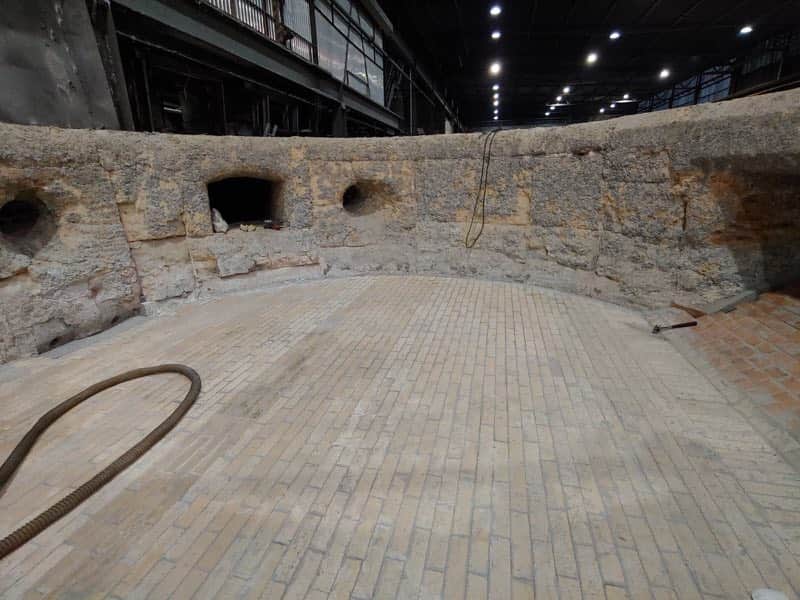
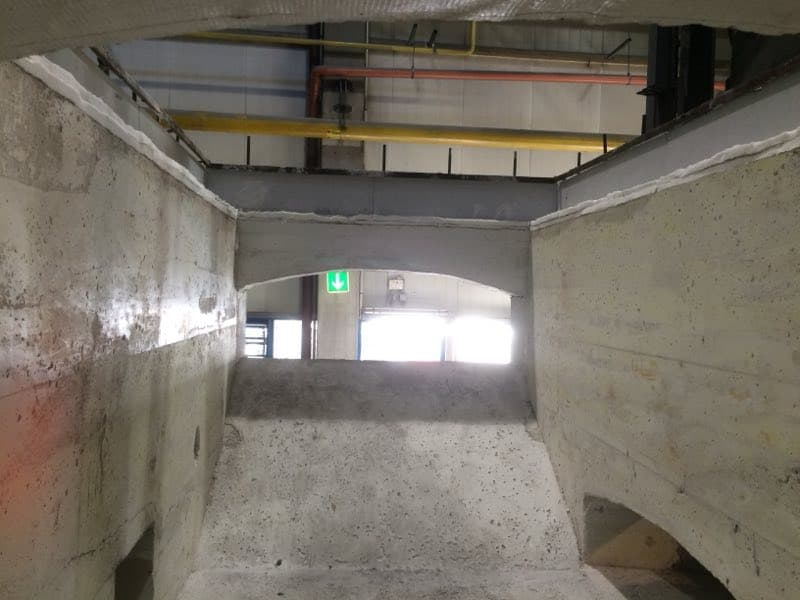
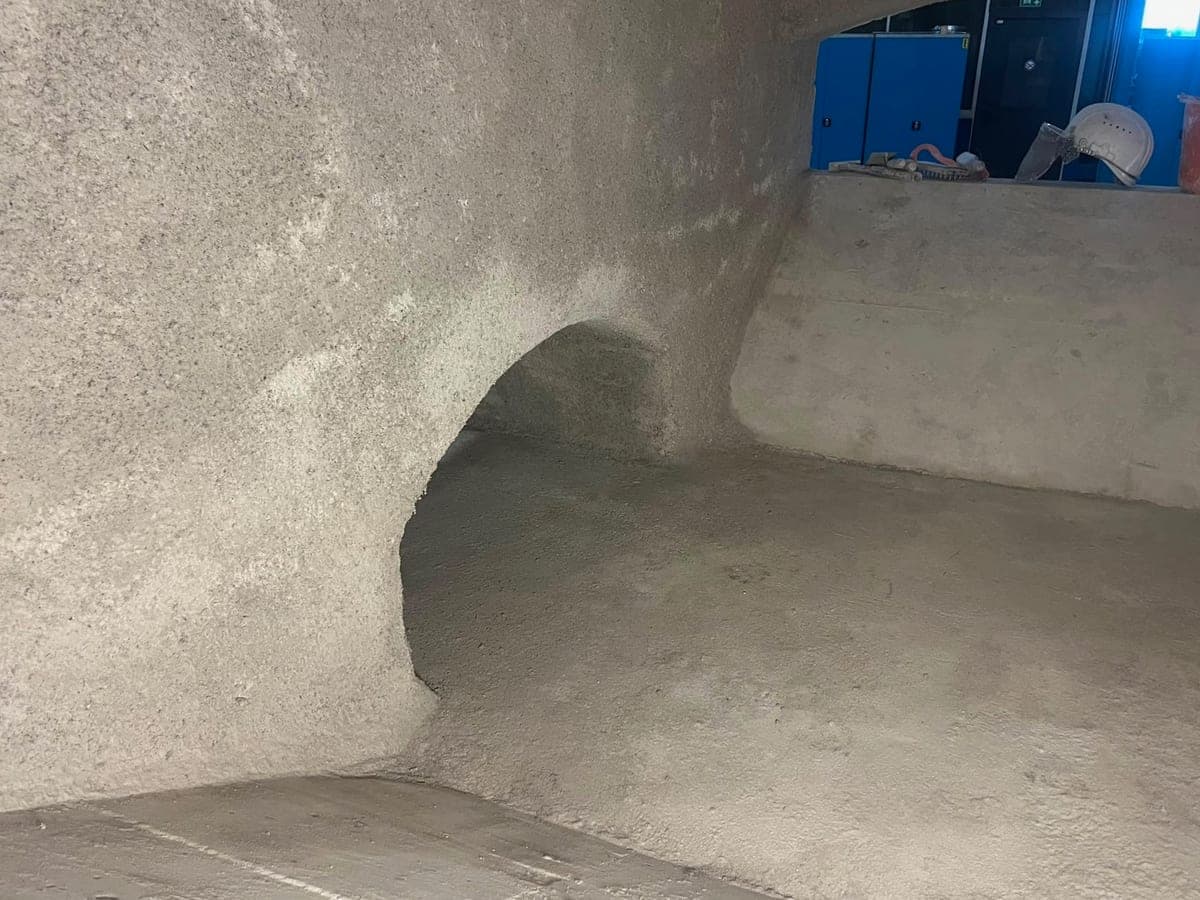
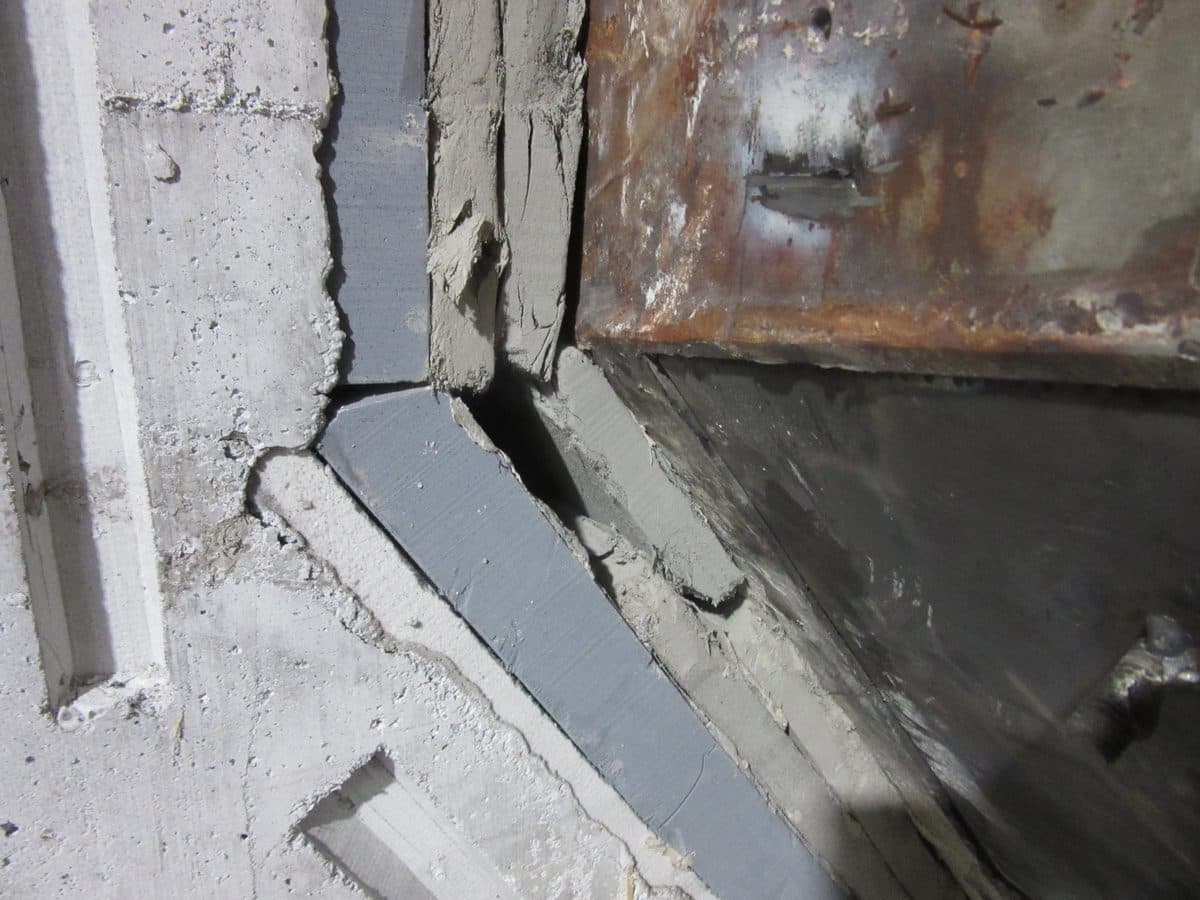
Refractory brickwork with executed expansion joints in the furnace chamber

5 centimetres — that is how much a 10-metre fireclay wall expands when heated up to operating temperature. Dense high-alumina or magnesite grades expand considerably more. This expansion needs room. If it does not get it, compressive stresses build up — and from them come spalling, bulging and cracks.

From more than 500 projects we know that expansion joints are among the most frequent, yet least considered, causes of damage in refractory construction.

Five principles from practice

  • Design the joint width zone by zone — according to material, temperature level and geometry, not by a rule of thumb applied across the whole furnace.
  • Prioritise critical points: corners, doors, burner penetrations and material transitions concentrate the stresses.
  • Execute joints staggered and in a labyrinth pattern — a continuous joint running through to the insulation becomes a gas duct in operation.
  • Do not oversize: joints that are too wide become infiltrated with melt and dust and burn out.
  • Document the joint pattern at every inspection: closed-up joints announce damage long before the wall deforms.

Our installation teams carry out every lining with a documented joint plan — as the basis for the warranty and for the next overhaul.

At a glance
5 cm
expansion of a 10 m fireclay wall during heat-up
A few mm
joint width decides months of service life

Planning a project?

Whether complete relining, repair or emergency — free initial consultation and a fast response.