Wall thickness and safety: when a lining becomes too thin
Residual wall thickness is the hardest shutdown criterion in furnace operation — and the one most rarely measured. How to determine the limit before it is crossed.

Wear on a refractory lining is planned for — it is a consumable. It becomes critical at the point where the remaining wall thickness no longer keeps the thermal load safely away from the shell. That limit is not a matter of opinion, it can be determined. In practice it is nevertheless rarely measured, because the furnace looks intact from the inside right up to the end.
How the limit can be determined
- The design as a reference: the original wall thickness is recorded in the furnace file. Without that figure, every residual measurement is a number without a reference point.
- Zone by zone instead of across the board: the bath line, door arch and charging area wear many times faster than the upper furnace. An average across the whole furnace conceals precisely the spot that matters.
- Thermography from the outside: the surface temperature of the shell is the most reliable indicator during operation. An emerging hot zone means a thin residual wall long before anything becomes visible inside.
- Wear rate instead of a snapshot: two measurements six months apart yield a rate — and with it a forecast of when the limit will be reached. That forecast is exactly what shutdown planning needs.
When immediate action is required
- Visible red glow or discolouration on the shell from outside
- A hot zone in the thermography that has grown between two measurements
- A through-crack in a zone in contact with the melt
- Residual wall thickness falling below the limit value laid down in the furnace file
Residual wall thickness is the one figure where the answer is not how much longer it will hold — but when the planned shutdown takes place.
Related articles
Matching references

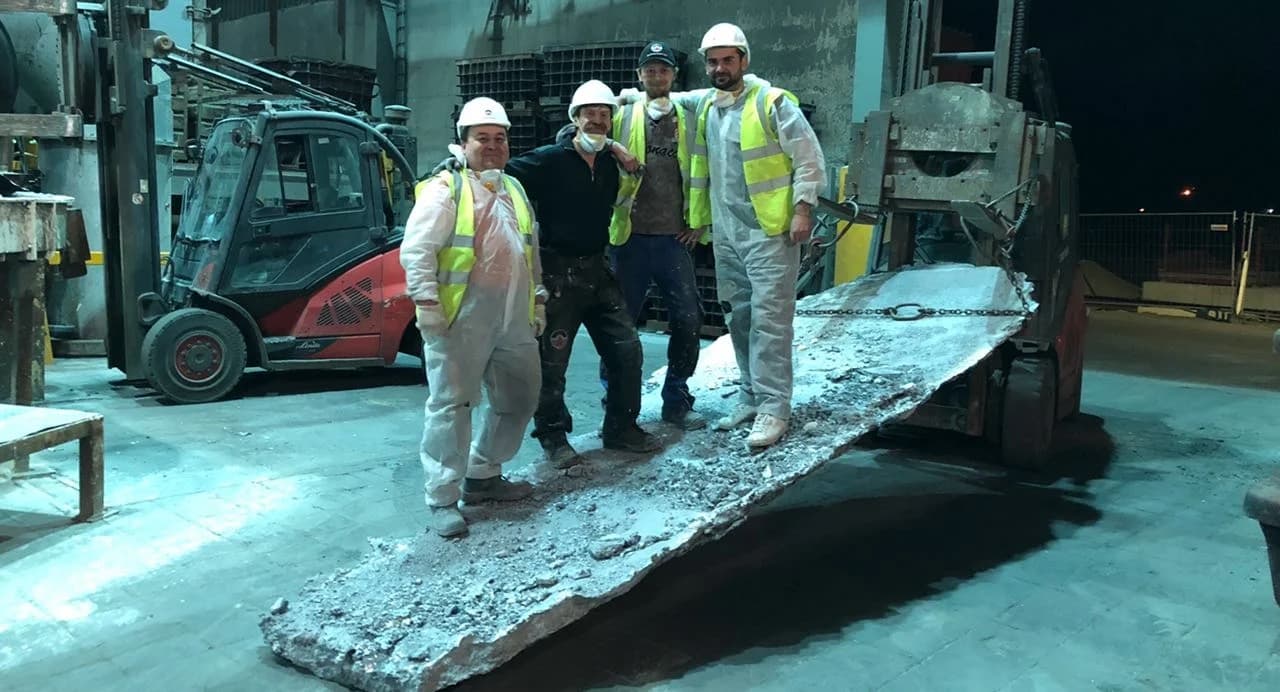
Aluminium melting furnace back in operation after relining
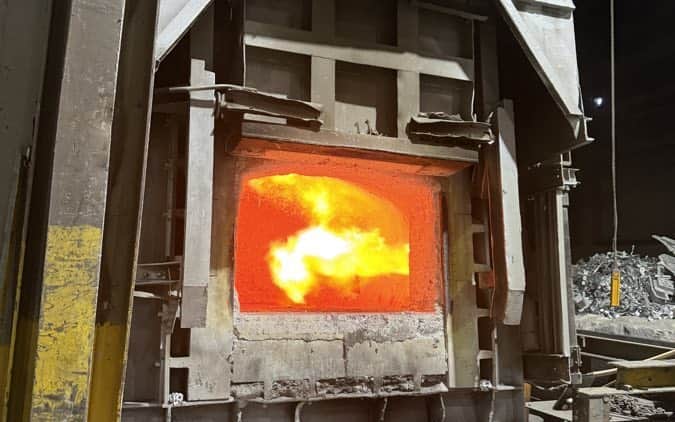
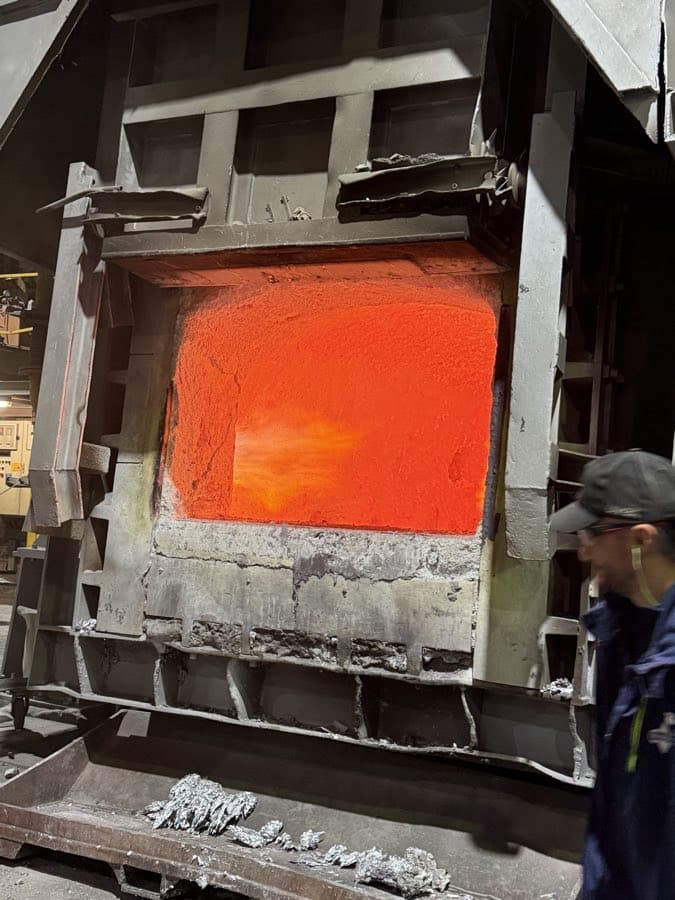
Refractory lining of a converter melting furnace in secondary aluminium by our own installation teams – the even glow pattern in operation proves the quality of the workmanship.

Maintenance uncovers a loss of capacity
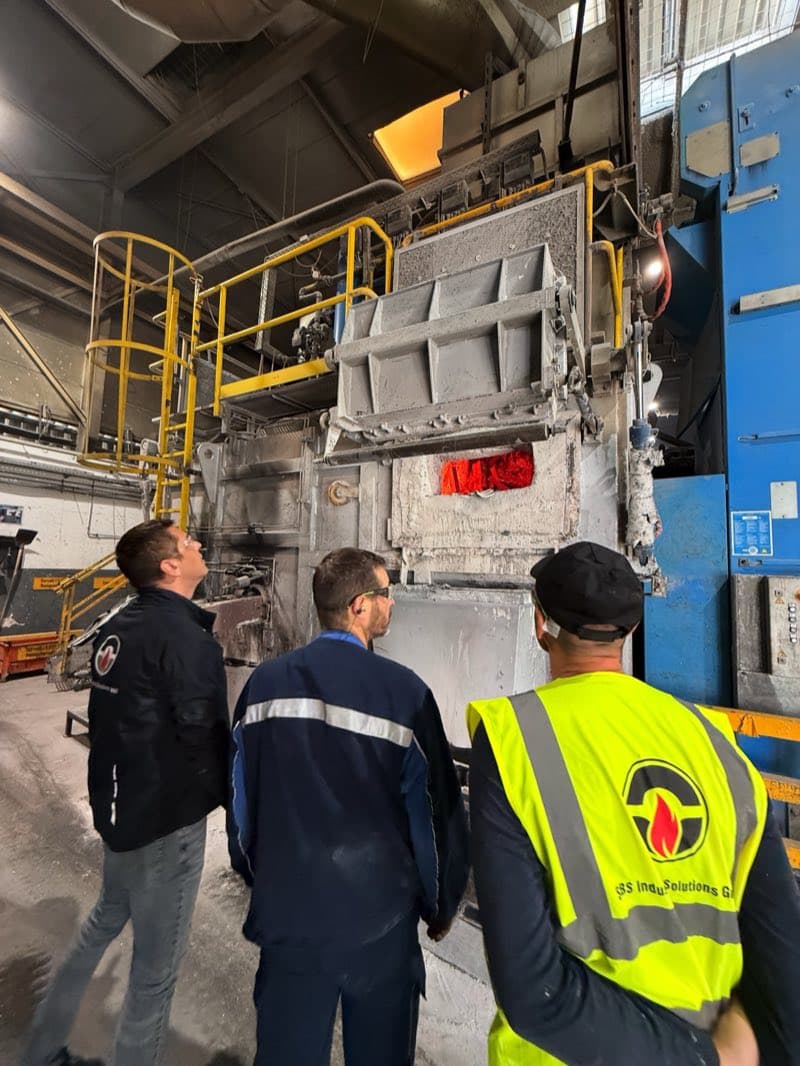
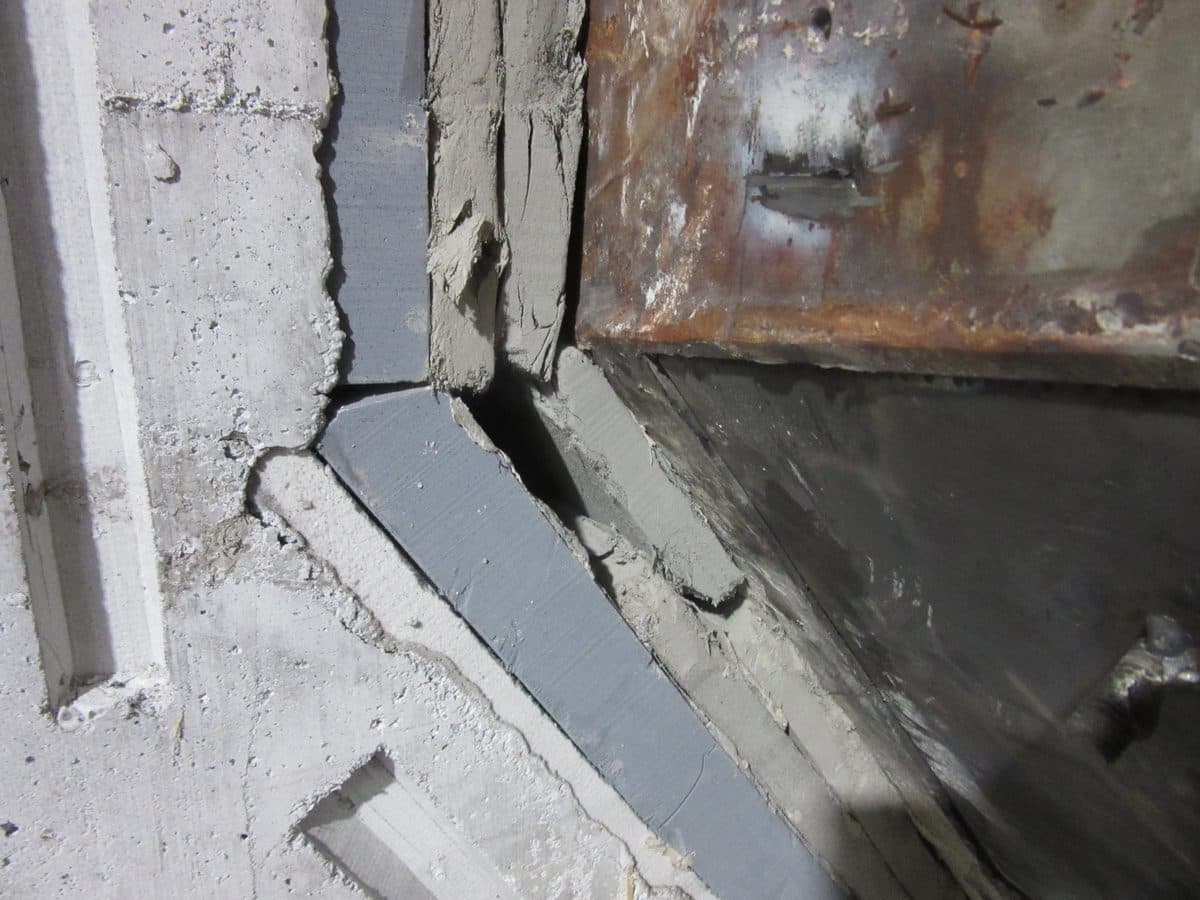
Professional maintenance of an aluminium furnace uncovers faulty repairs by a previous contractor – after correction, around 20 tonnes more aluminium per month and noticeably reduced energy consumption.
Planning a project?
Whether complete relining, repair or emergency — free initial consultation and a fast response.