
Thermography on a running furnace: spotting damage before it leads to a shutdown
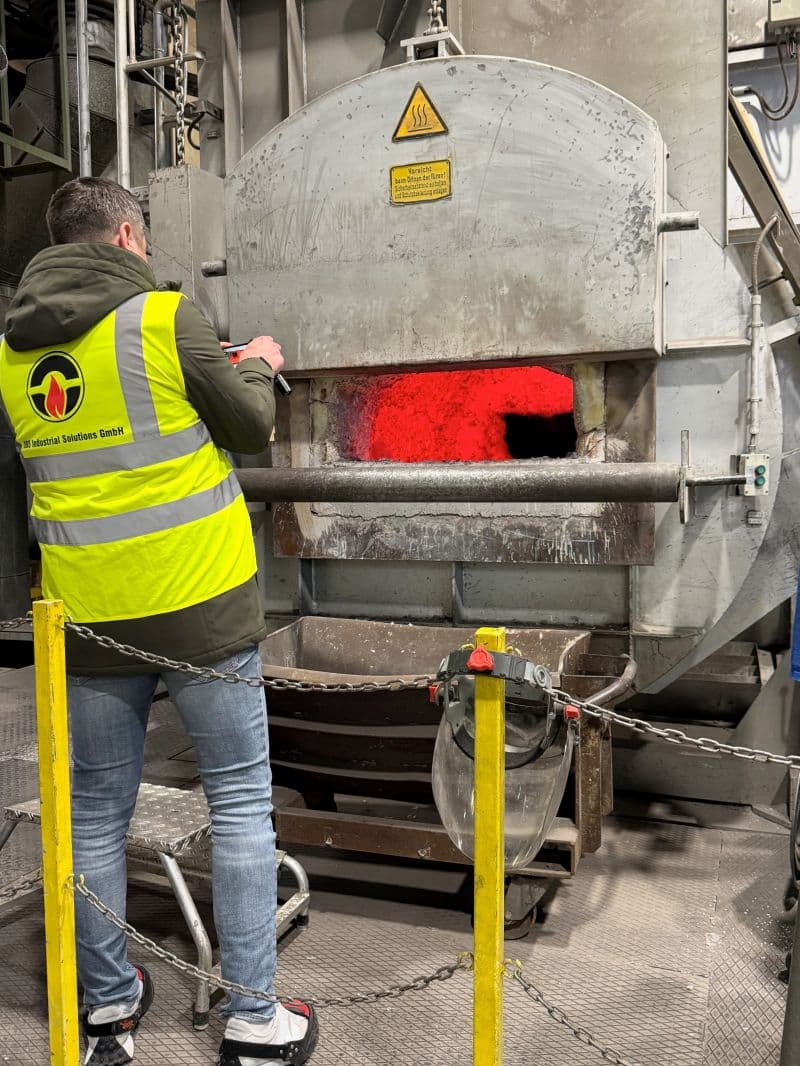
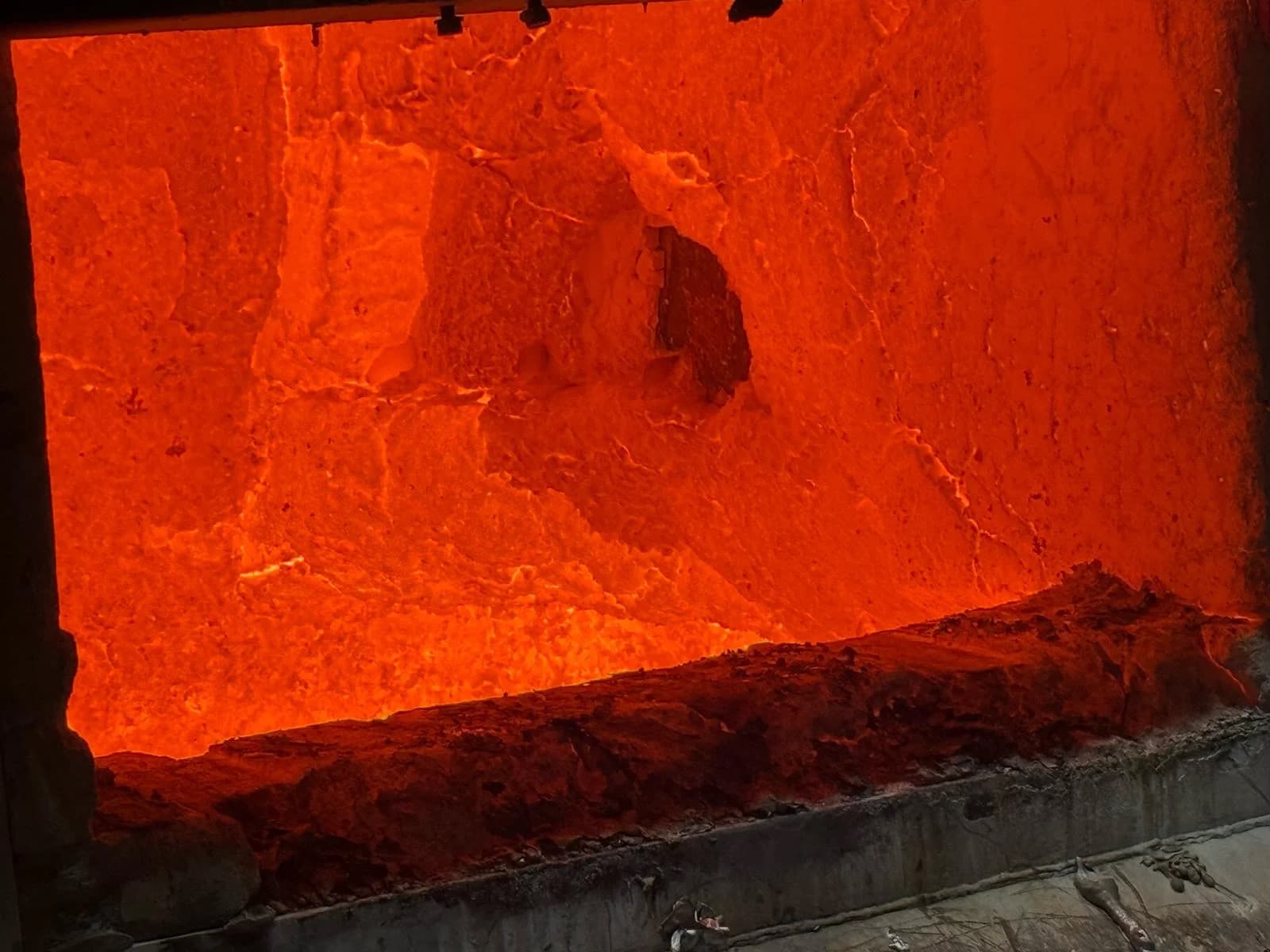
Around 80 per cent of refractory failures announce themselves — often weeks in advance. Thermography on the running furnace makes them visible without interrupting operation.

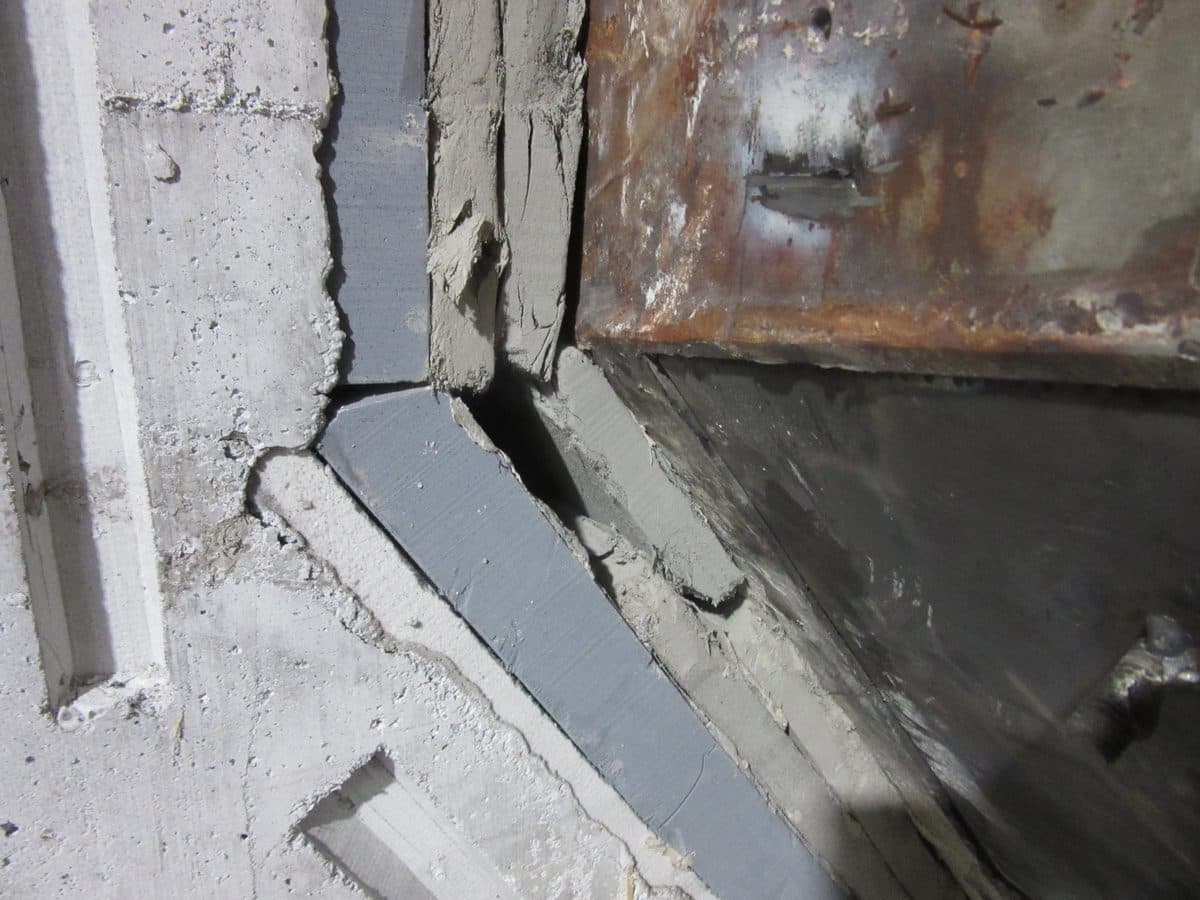
The most expensive furnace damage is the kind nobody sees coming. Around 80 per cent of refractory failures announce themselves, often weeks in advance. Thermography on the running furnace makes them visible without interrupting operation.
What we at SBS look out for
- Shell temperature at fixed measuring points, recorded as a trend — a healthy shell is usually at 80–120 °C.
- Local hotspots: if a point rises 60–80 °C above its own previous value, the residual wall thickness behind it is becoming critical.
- The change over time: the curve counts for more than the individual reading.
Readings turn into a decision
These data turn into a decision: schedule the repair into a shutdown window instead of suffering it as a breakdown. A partial repair in a planned window costs a fraction of an unplanned failure — and every hour of downtime quickly adds up to a five-figure sum.
For more than 35 years we have been looking after industrial furnaces throughout the DACH region: with our own installation teams, complete documentation and an emergency service in under 24 hours.
Related articles
Matching references
Planning a project?
Whether complete relining, repair or emergency — free initial consultation and a fast response.