SBS Refractory Service
Refractory technology2 min

Documentation is capital: why the furnace file decides the next overhaul

The most expensive gap in a furnace file is the one that only comes to light at the next overhaul. A case from practice — and why as-built documentation is standard.

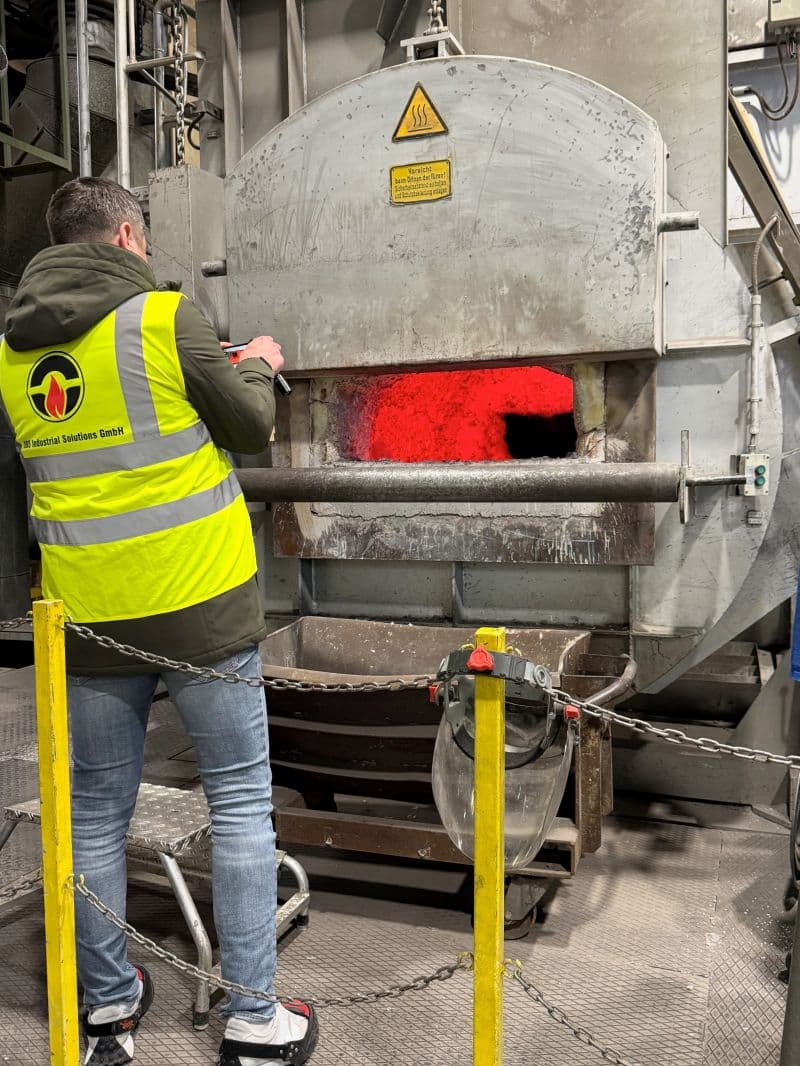
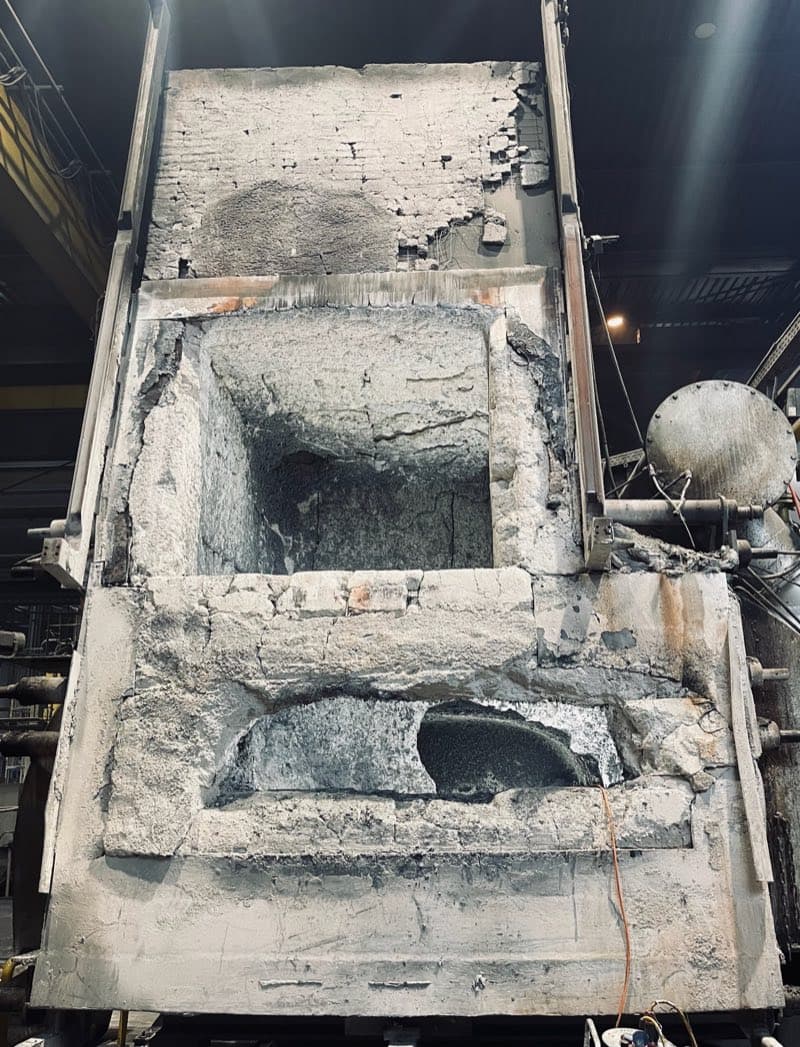
Inspection of an aluminium furnace for condition documentation

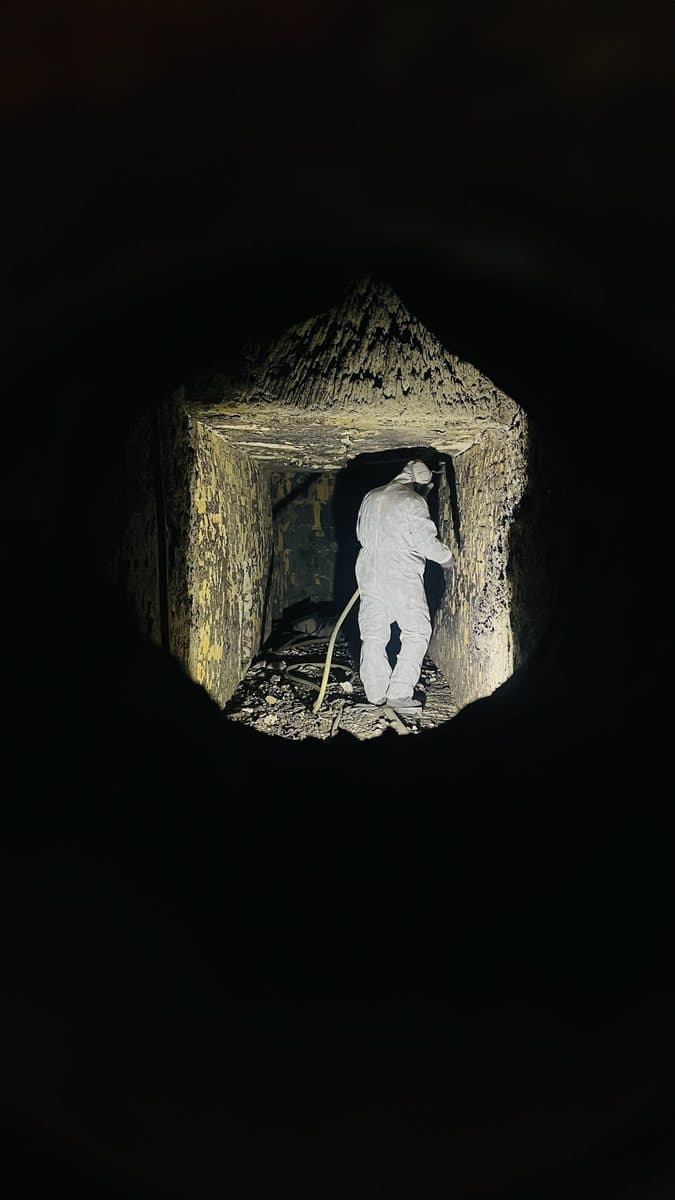
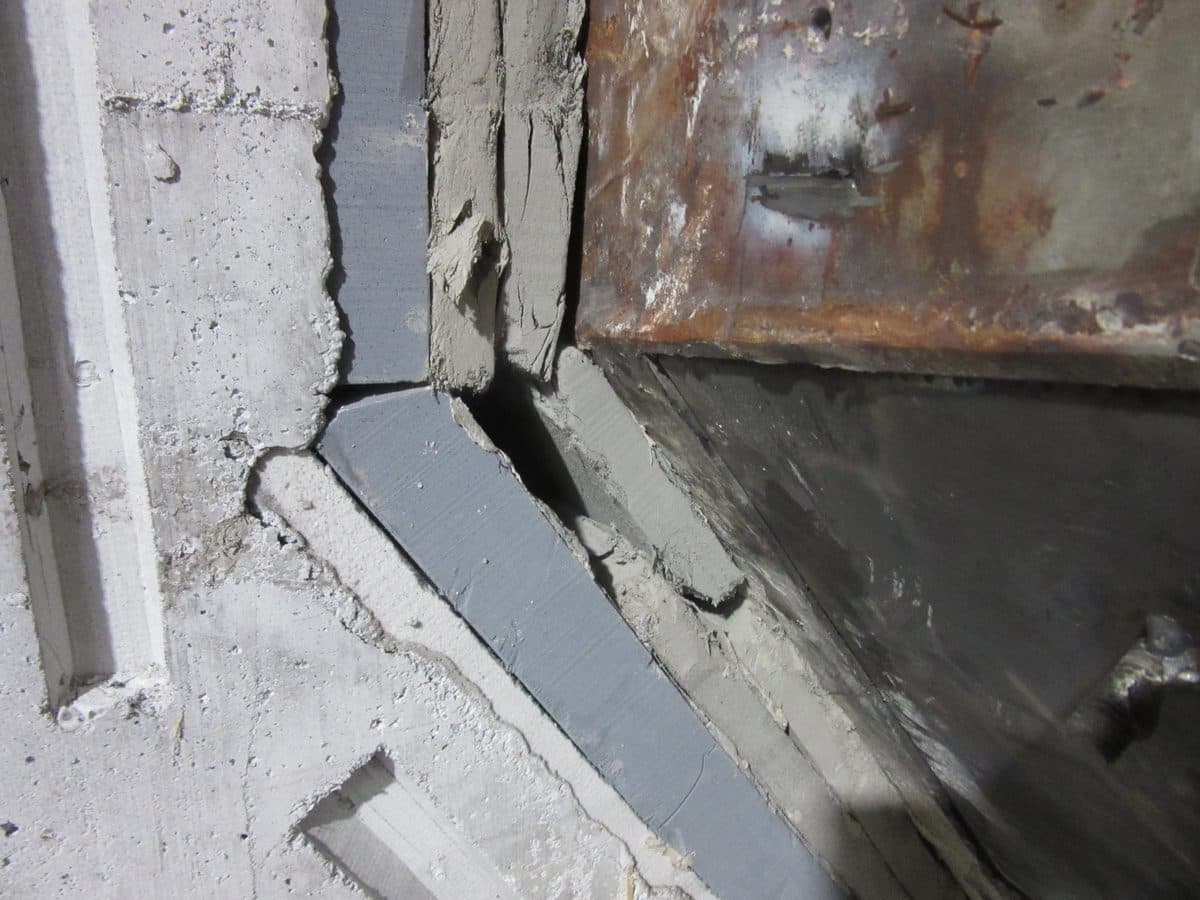
The most expensive gap in a furnace file is the one that only comes to light at the next overhaul. The operator of an aluminium furnace got in touch about a creeping loss of capacity — around 20 tonnes of aluminium per month, despite regular maintenance. Our inspection revealed that a previous contractor had layered gunned concrete over slag residues across several cycles, without removing them and without documenting it. The usable furnace volume had been massively reduced.

Why complete documentation is standard

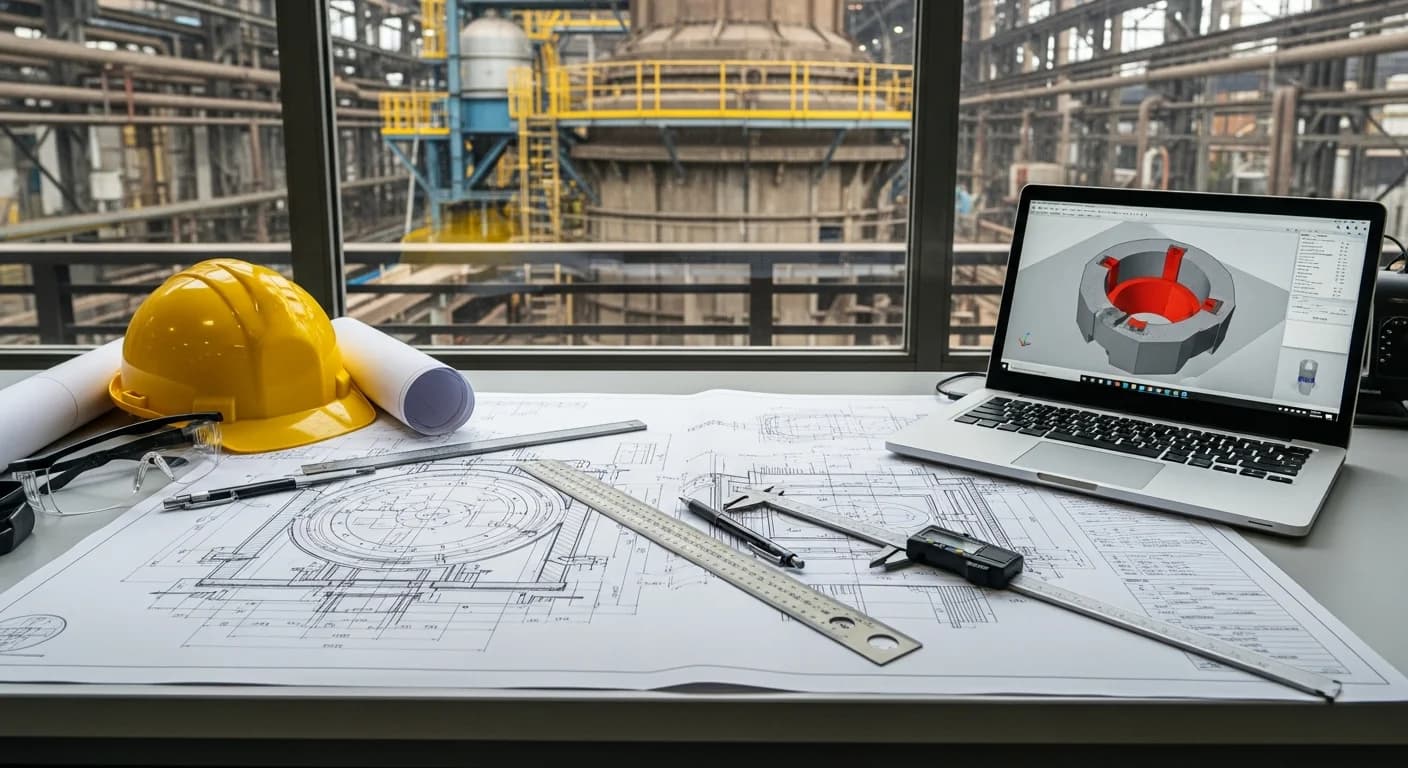
  • As-built documentation instead of a design drawing: we record what is actually installed — with batch traceability.
  • Damage documentation from the strip-out becomes the planning basis for the next lining.
  • Test records to the relevant DIN and ISO standards meet the requirements of auditors and insurers.
  • Specific maintenance recommendations with intervals prevent repeat mistakes.

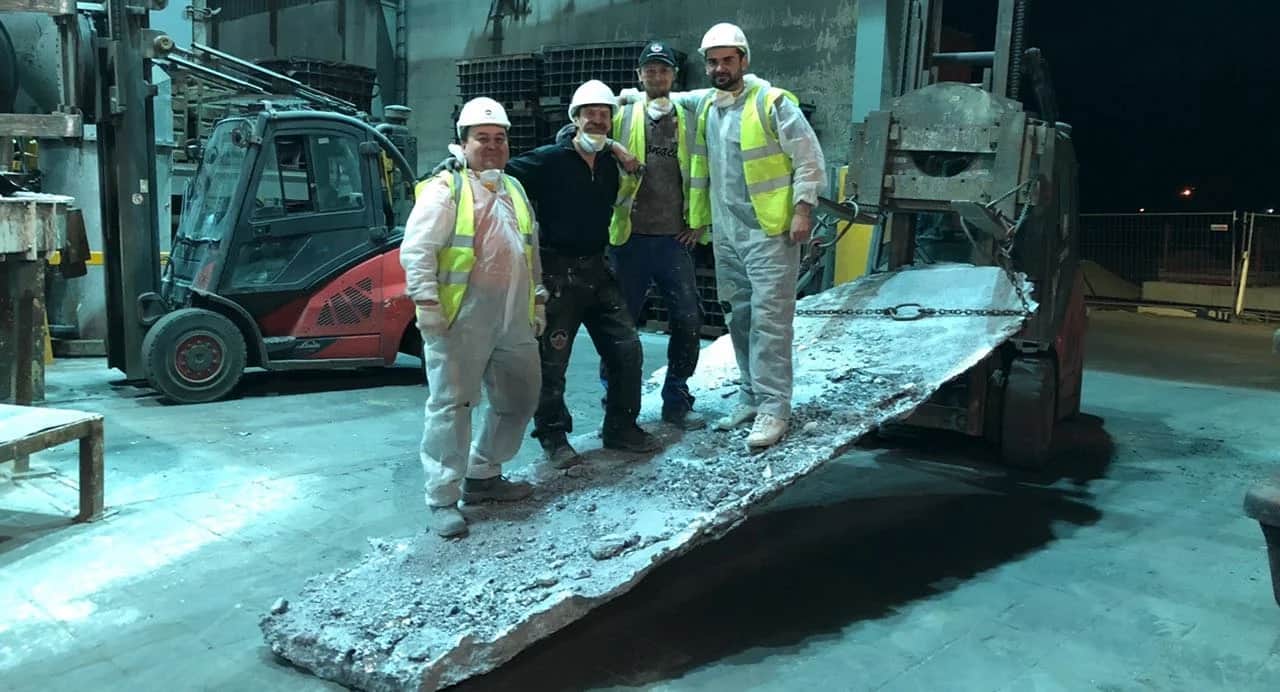
In the project mentioned, we removed the deposits properly, relined the wear areas correctly and restored the original volume: +20 t/month, reduced energy consumption, full charging capacity.

Good documentation costs one to two weeks. It is the capital for every subsequent overhaul.

At a glance
+20 t/month
melting capacity restored
50+
expert reports prepared

Planning a project?

Whether complete relining, repair or emergency — free initial consultation and a fast response.