
 PDFAll furnace types
Running heat-up curves correctly
Why the first days decide over years of service life.
Only in the PDFExample curves for ramming mix, castable and brick lining with hold points and ramp rates
To the articleIn a melting furnace the lining protects the steel. In a fire test furnace it is part of the measuring instrument: change the wall and you change the test result. Why lightweight brick is right here, where dense castable belongs everywhere else.
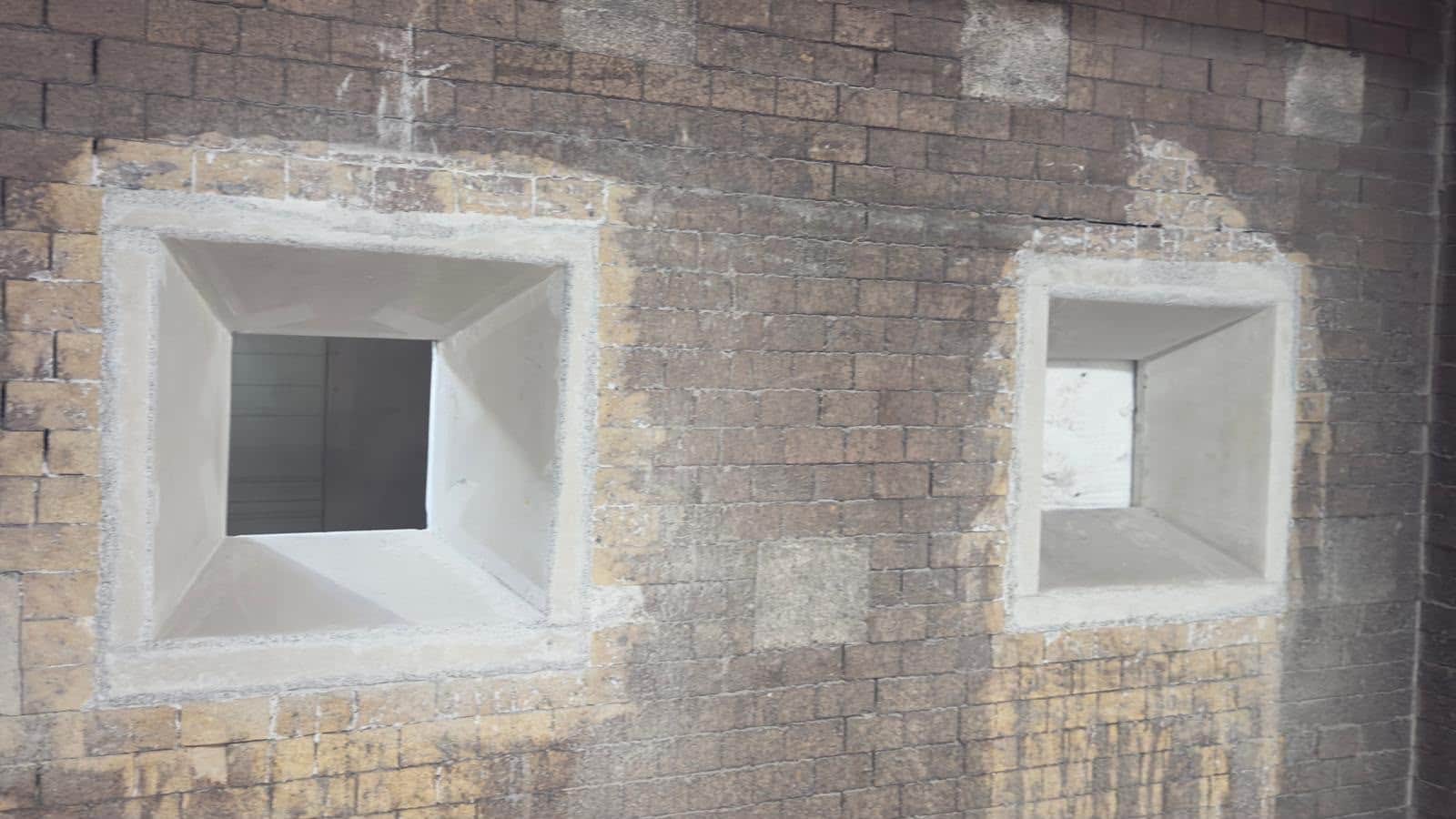
In a melting furnace the lining protects the steel. It should last, withstand attack and let as little heat as possible escape. When it slowly recedes, the energy bill notices first.
In a fire test furnace the lining is something else: it is part of the measuring instrument. Such a furnace tests how long a component withstands a fire — a door, a façade, a glazing unit. The specimen is clamped into a test frame, then the furnace runs the standard temperature-time curve: a normative curve that reproduces the course of a room fire. After thirty, sixty or ninety minutes it is settled whether the component reaches its class.
For that result to be worth anything, the curve has to be reproducible. And it depends not only on the burners but on the wall behind them: how fast the furnace heats up, how much heat the lining swallows, how evenly the radiation reaches the specimen. Change the lining and you change the measurement.
A crack in a melting furnace wall costs energy. A crack in a test furnace wall costs comparability.
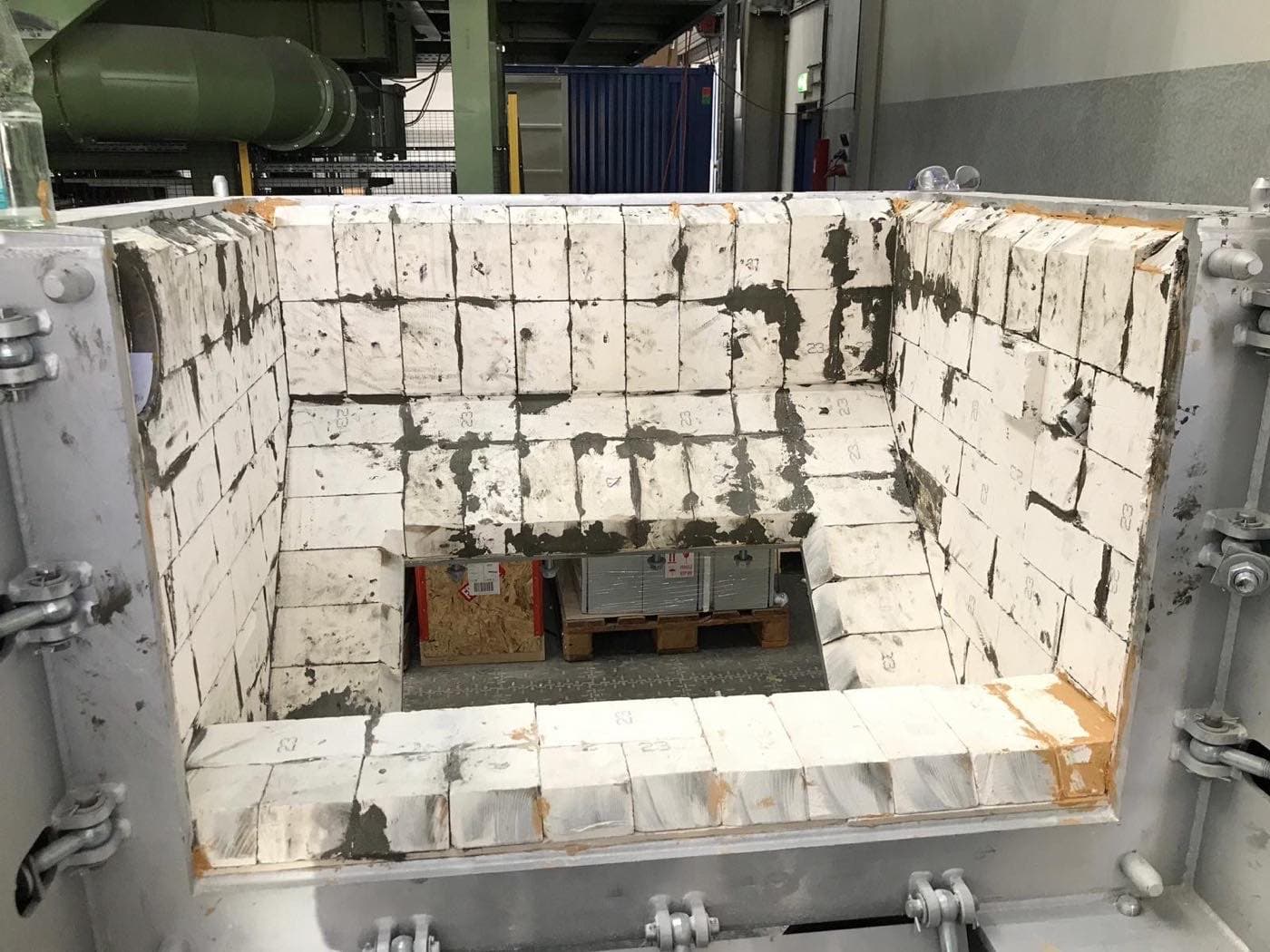
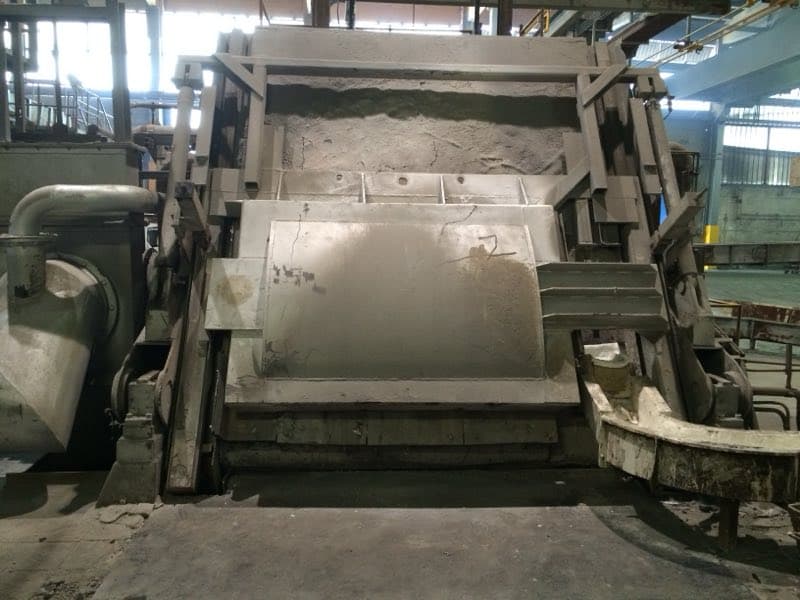
The job covered two furnaces at a manufacturer of fire-resistant glass — one small and one large test furnace. Both were worn in the same places, and that is no coincidence: they are the places where the geometry is interrupted.
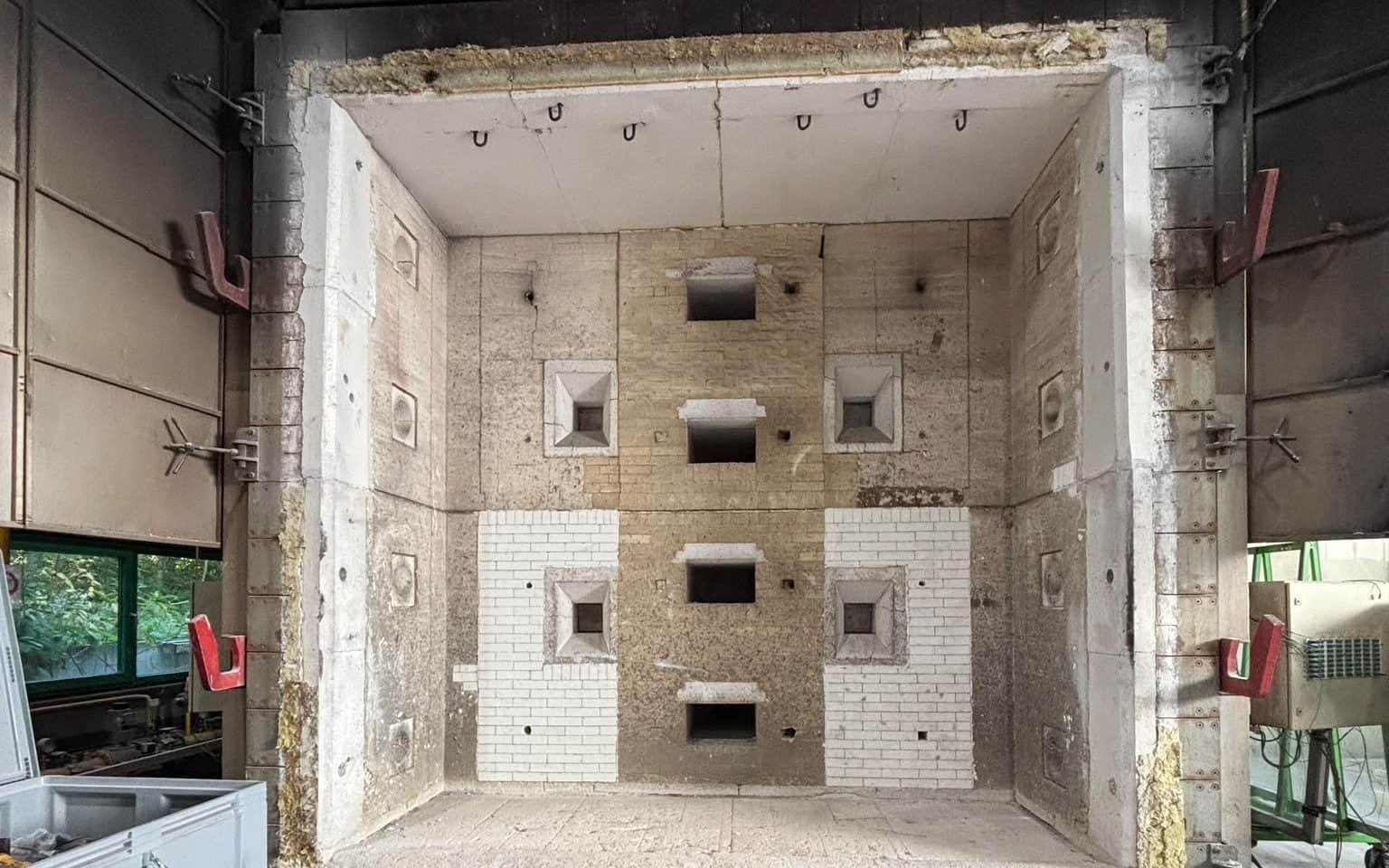
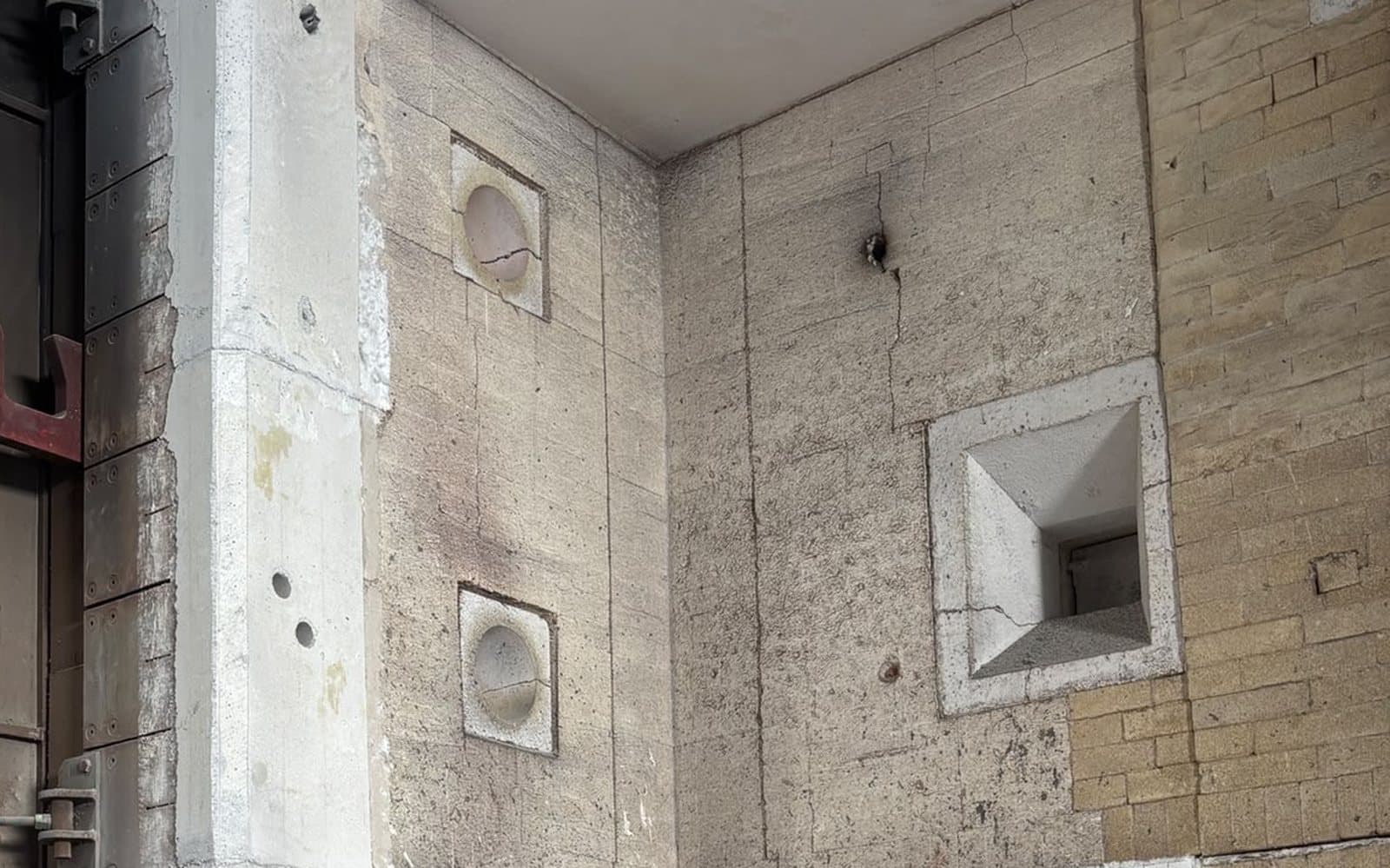
Viewing windows and pillars were broken out and recast with a two-component special castable. The reason is dimensional accuracy: a reveal that determines the viewing angle and the seal can be produced more precisely cast than bricked. And a monolithic reveal has no joints for the temperature jump to attack.
The insulating layer and the anchors were completely renewed in the process. This is the point where test furnaces are most often economised on — and the reason the same spot is back on the schedule two years later. Renew only the visible layer and you set fresh castable on old, embrittled insulation.
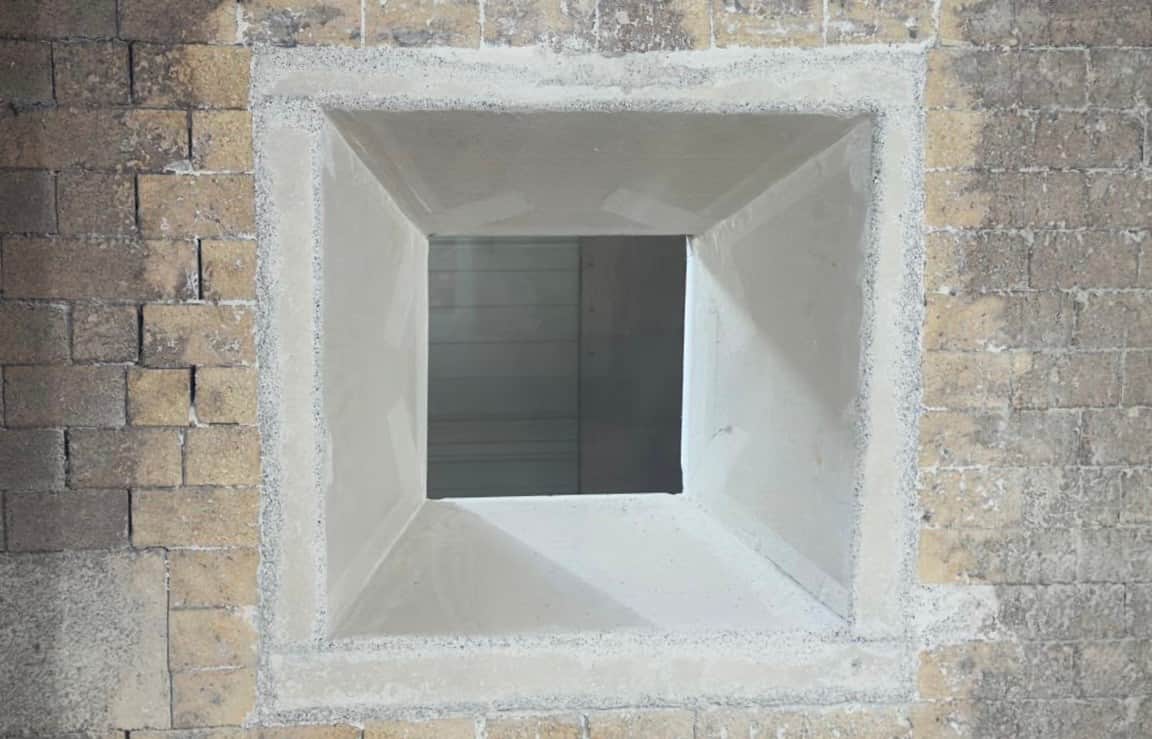
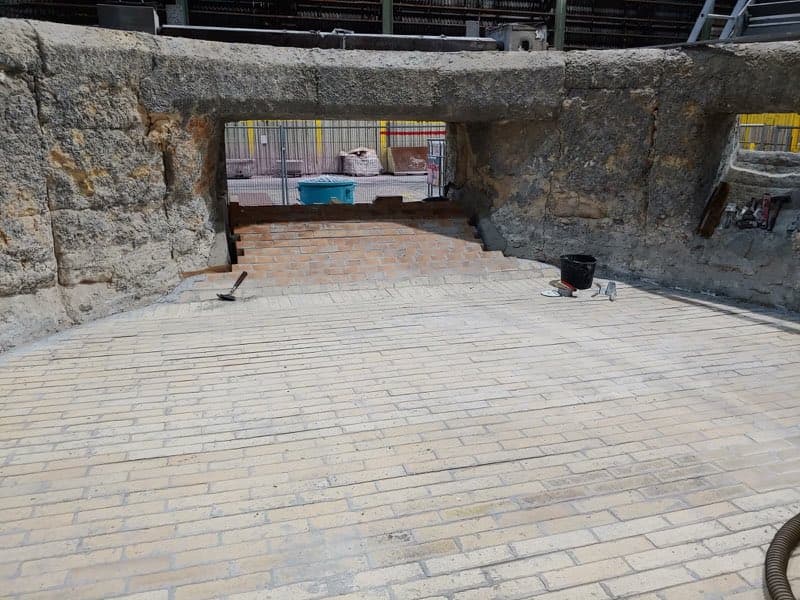
In the lower fields we laid insulating firebrick of group 26. That looks like a step backwards from casting, but it is the right choice: insulating brick has a low bulk density and therefore stores little heat.
And that is exactly what matters in a test furnace. It should follow the standard curve, not heat up against its own mass. Every kilogram of lining that has to be heated along makes the curve more sluggish. A dense, heavy material would last longer — and would falsify the measurement.
This staggering is no accident. It keeps the shell cool without building up thickness — and in a test furnace every centimetre of wall is a centimetre less test space.
Added to this was the refurbishment of the two frames that hold the specimen. They received ceramic fibre paper in two layers and a needle-reinforced castable — steel needles of heat-resistant grade, two to three per cent. The needles hold the castable together when the frame is heated abruptly during the test. Without them, a component that thin cracks on the first cycle. The work was done lying down: for the lining, the frames have to rest horizontally at floor level, otherwise the castable runs out of the formwork.
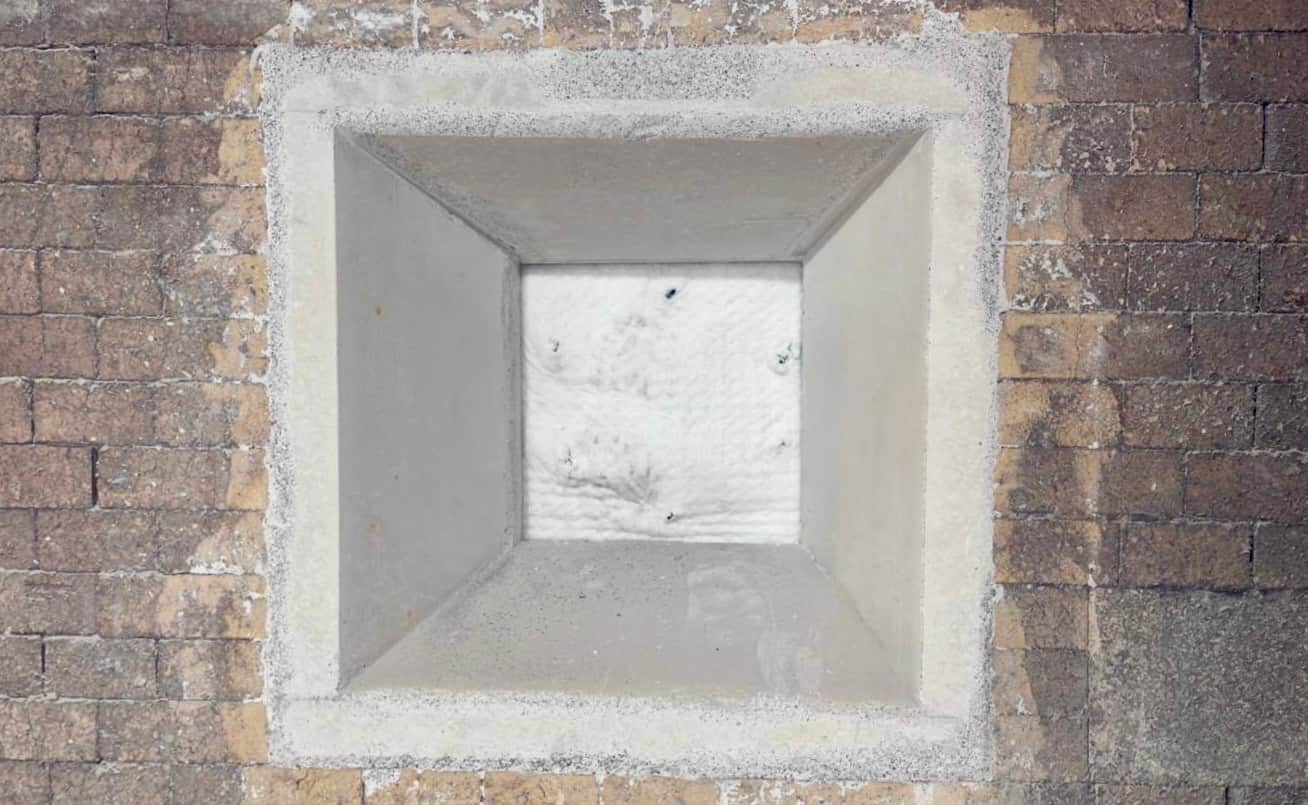
Five fitters on day shift, both furnaces in parallel, around five to six days. The lead time was three to four weeks — not because of the installation, but because of the material: special castable and insulating brick of this grade are not held in stock.
Not the installation, but the first heat-up. Freshly cast refractory concrete contains water. Heat too fast and it expands as steam many times over, bursting the lining from inside — faster in the thin sections of a test frame than anywhere else. That is why every lining needs a dry-out schedule: a curve with holding times, matched to material and component thickness. On this job we supplied the schedule; the operator carried out the dry-out himself — the usual route when the plant has its own control system.
The exact scope could only be settled at the opened furnace. That is why we invoiced according to actual effort rather than naming a fixed price on suspicion — with a component whose damage only becomes visible behind the surface, anything else is guesswork.
All PDFs on this page are free, without sign-up. If you want to know when a new sheet is added: one e-mail a month, unsubscribe anytime.
PDFAll furnace typesWhy the first days decide over years of service life.
 PDFAll furnace types
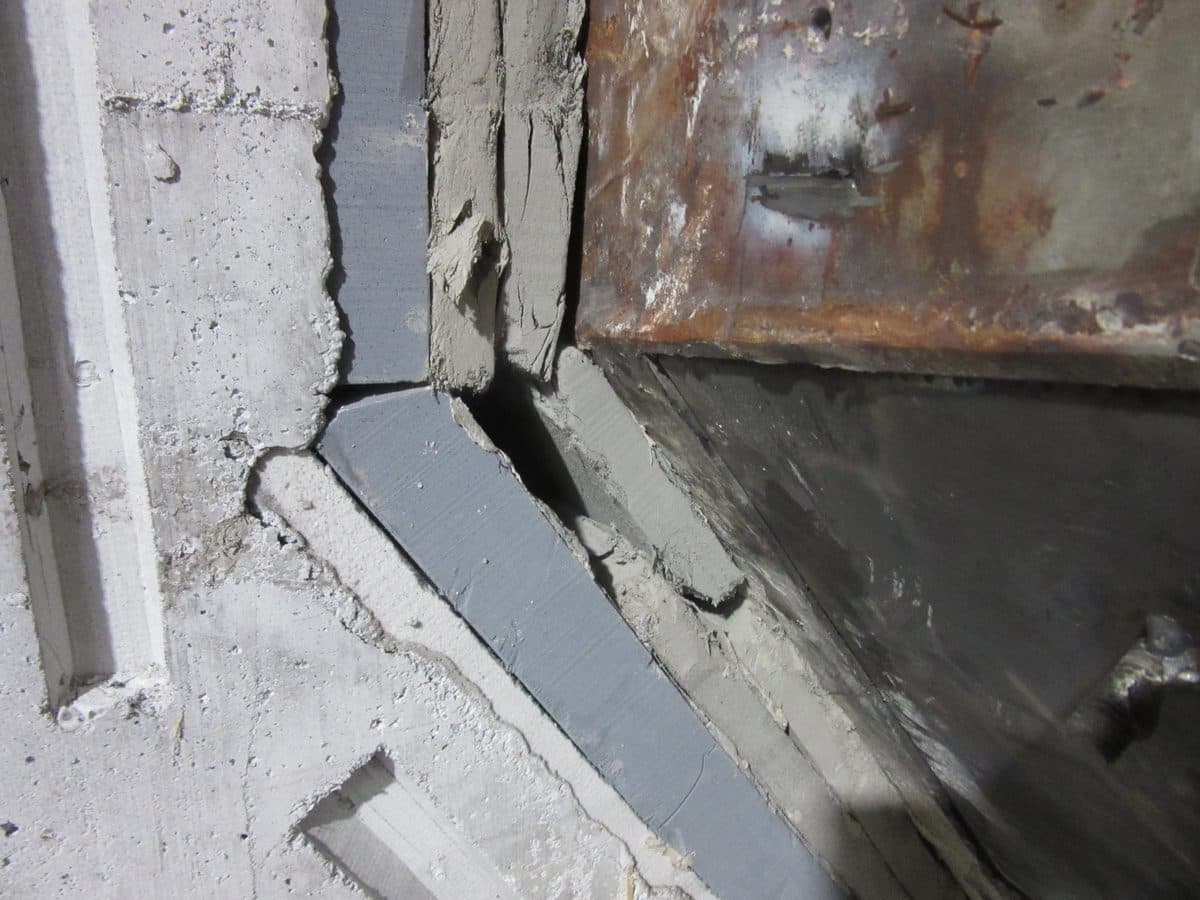
When a targeted repair is enough, and the three findings where only a relining will hold.
 PDFEnergy & Combustion
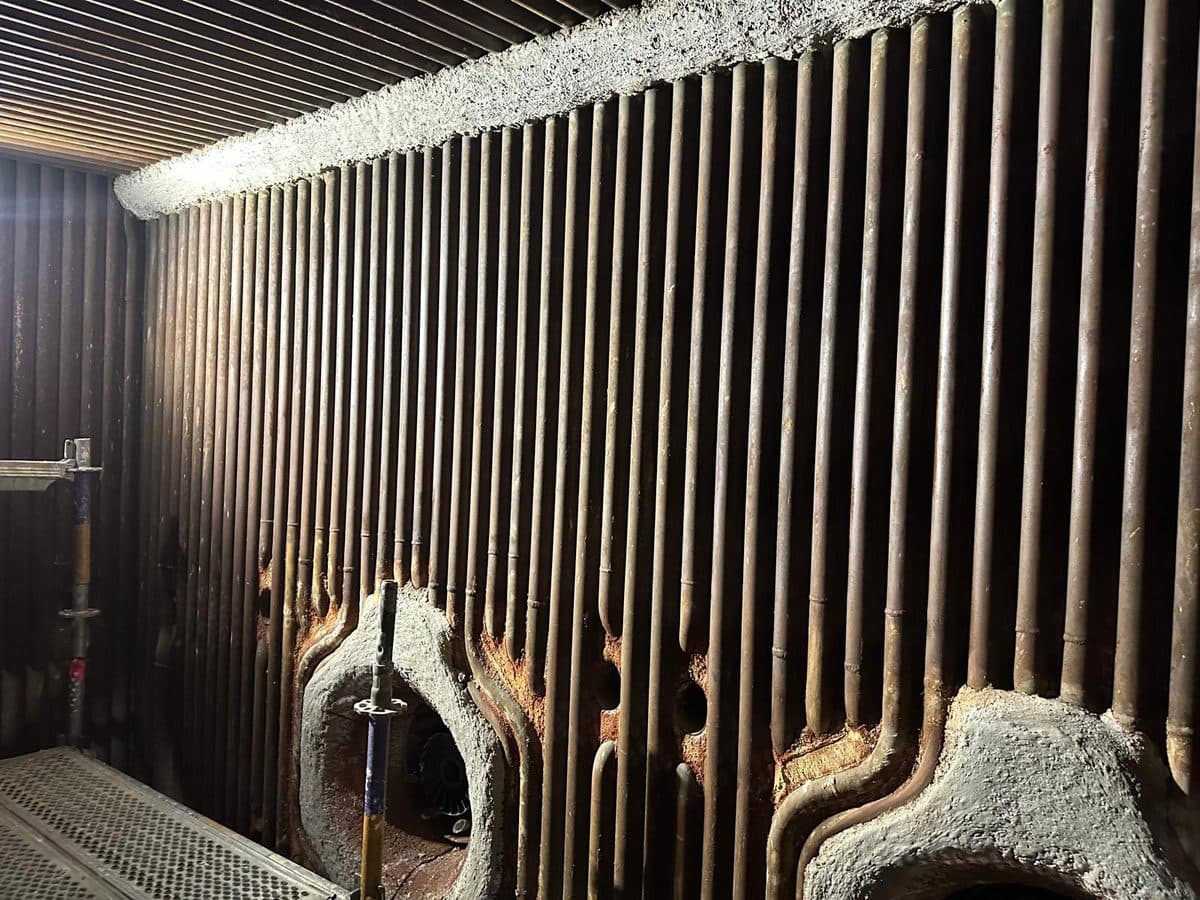
Protecting without blocking the heat: what matters when lining a boiler tube wall.
More insights from our projects
New insights from the job site every week – damage patterns, relinings and practical refractory know-how.
Whether complete relining, repair or emergency — free initial consultation and a fast response.
Your privacy matters to us.
We use cookies and similar technologies to ensure that our website functions properly and to analyse how our content is used. In the settings you can choose which cookies you wish to allow. Privacy policy