
 PDFAll furnace types
Running heat-up curves correctly
Why the first days decide over years of service life.
Only in the PDFExample curves for ramming mix, castable and brick lining with hold points and ramp rates
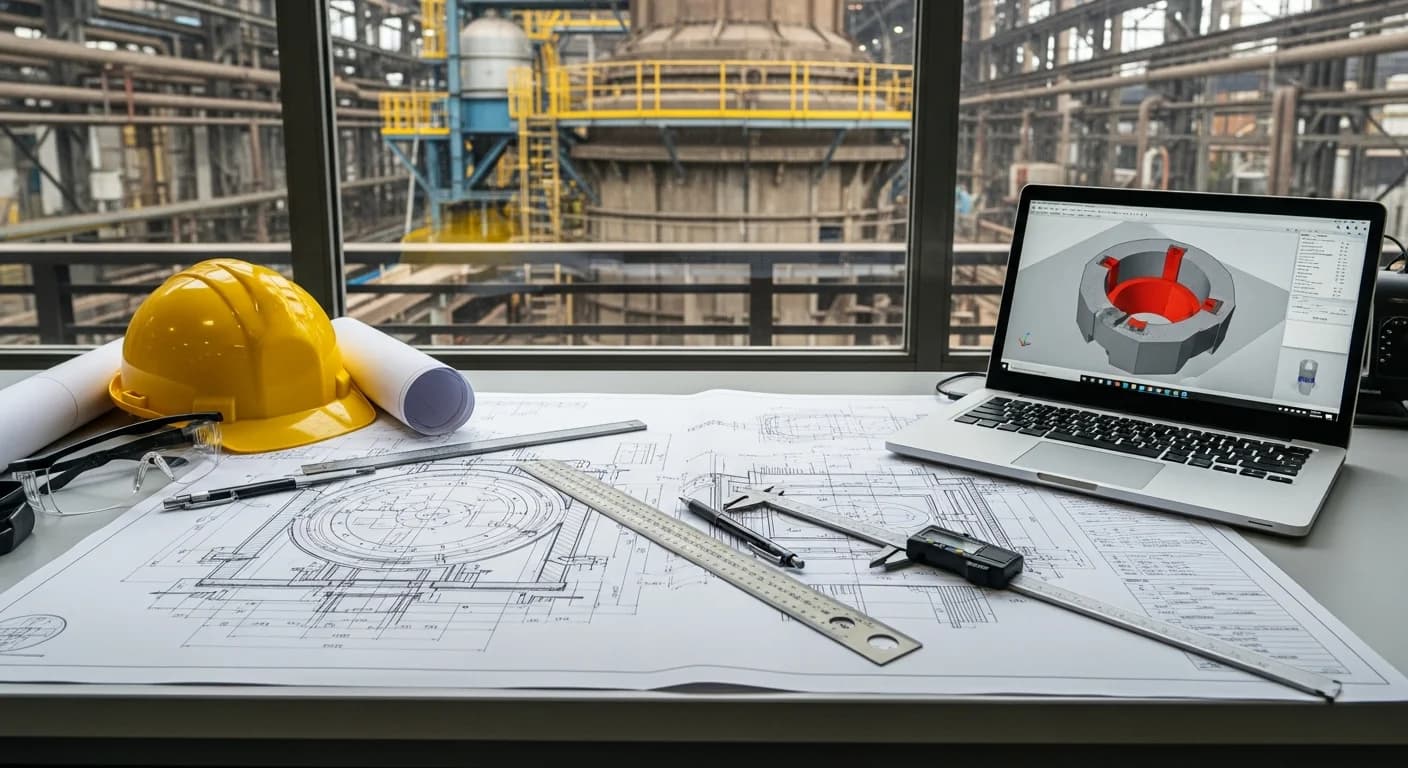
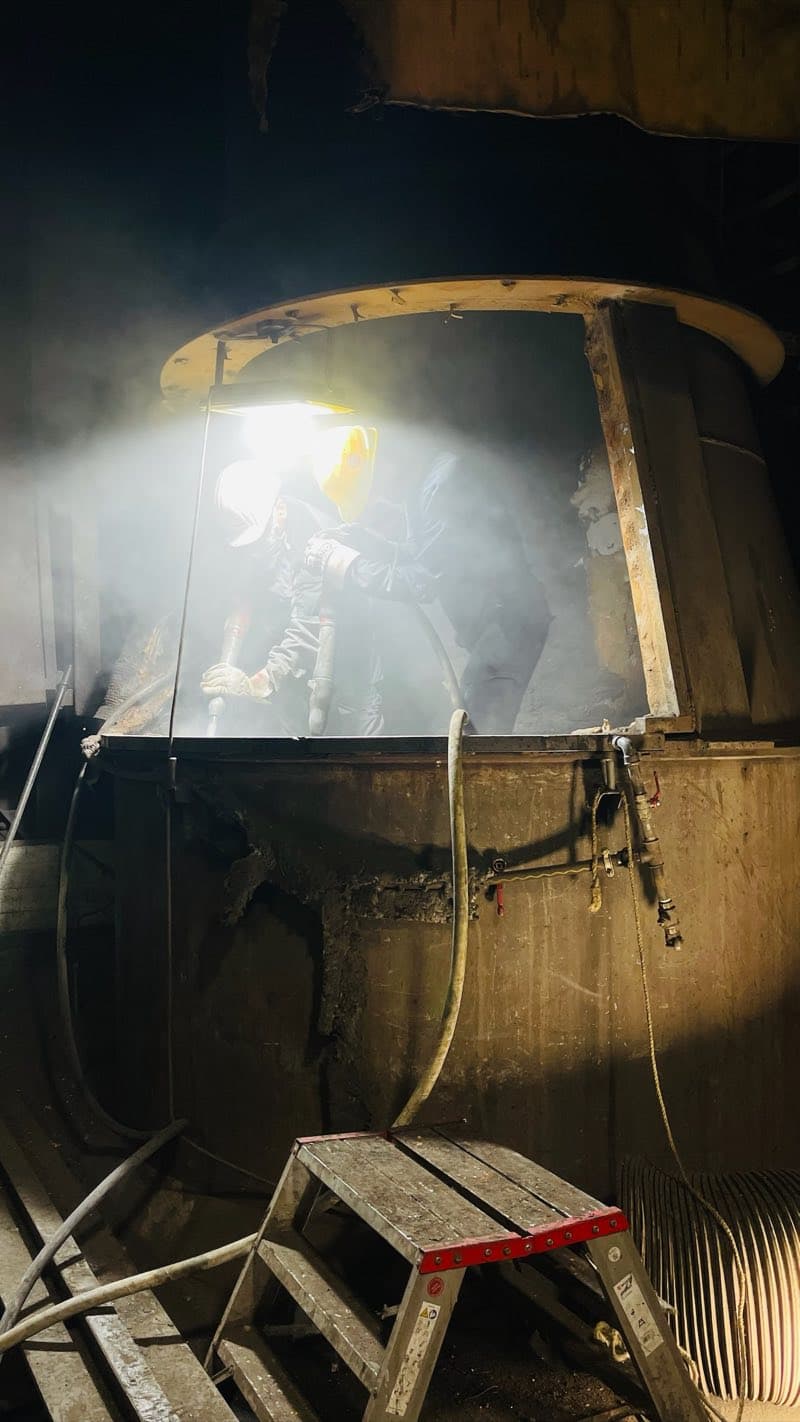
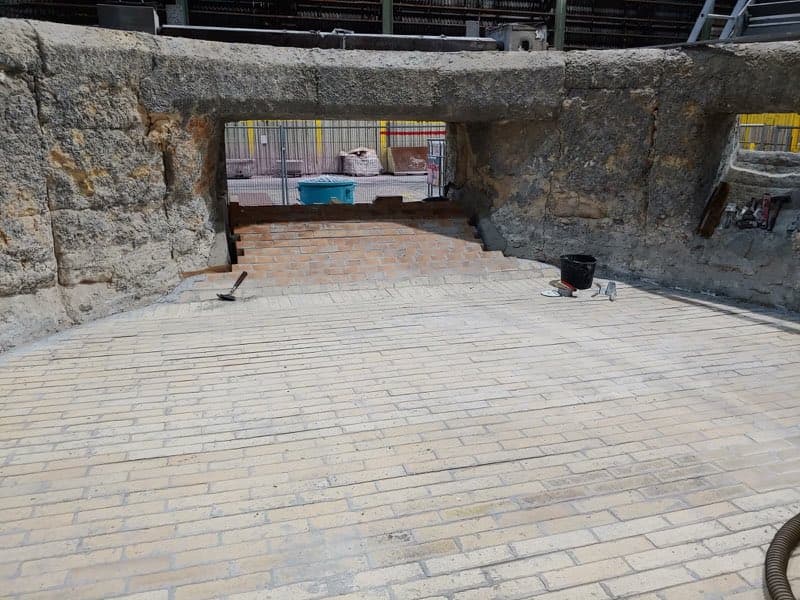
To the articleThe complete relining is finished — and now begins the phase that decides years of service life: the controlled heat-up.
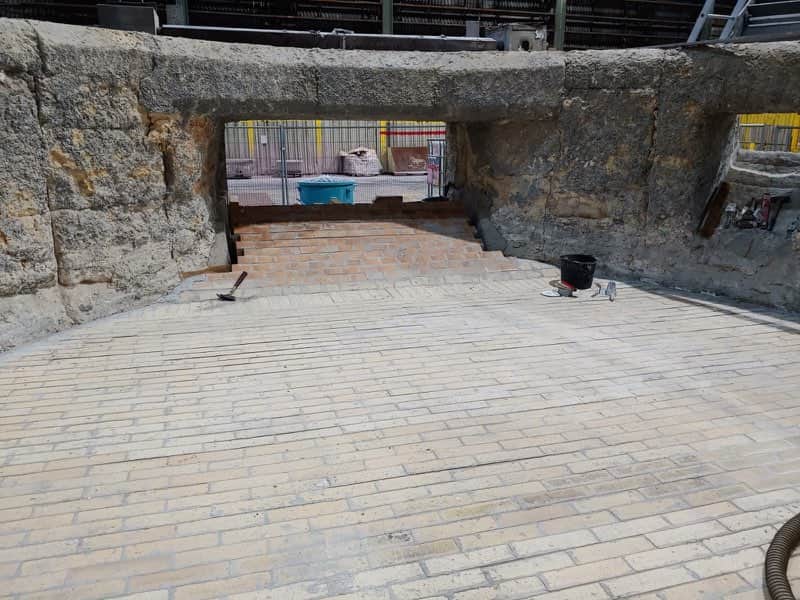
The complete relining is finished — and now begins the phase that decides years of service life: the controlled heat-up.
Whoever saves two days during start-up pays for them several times over later — with shorter campaigns and unplanned shutdowns. A properly executed heat-up curve is the cheapest lifespan insurance there is.
All PDFs on this page are free, without sign-up. If you want to know when a new sheet is added: one e-mail a month, unsubscribe anytime.
PDFAll furnace typesWhy the first days decide over years of service life.
 PDFAll furnace types
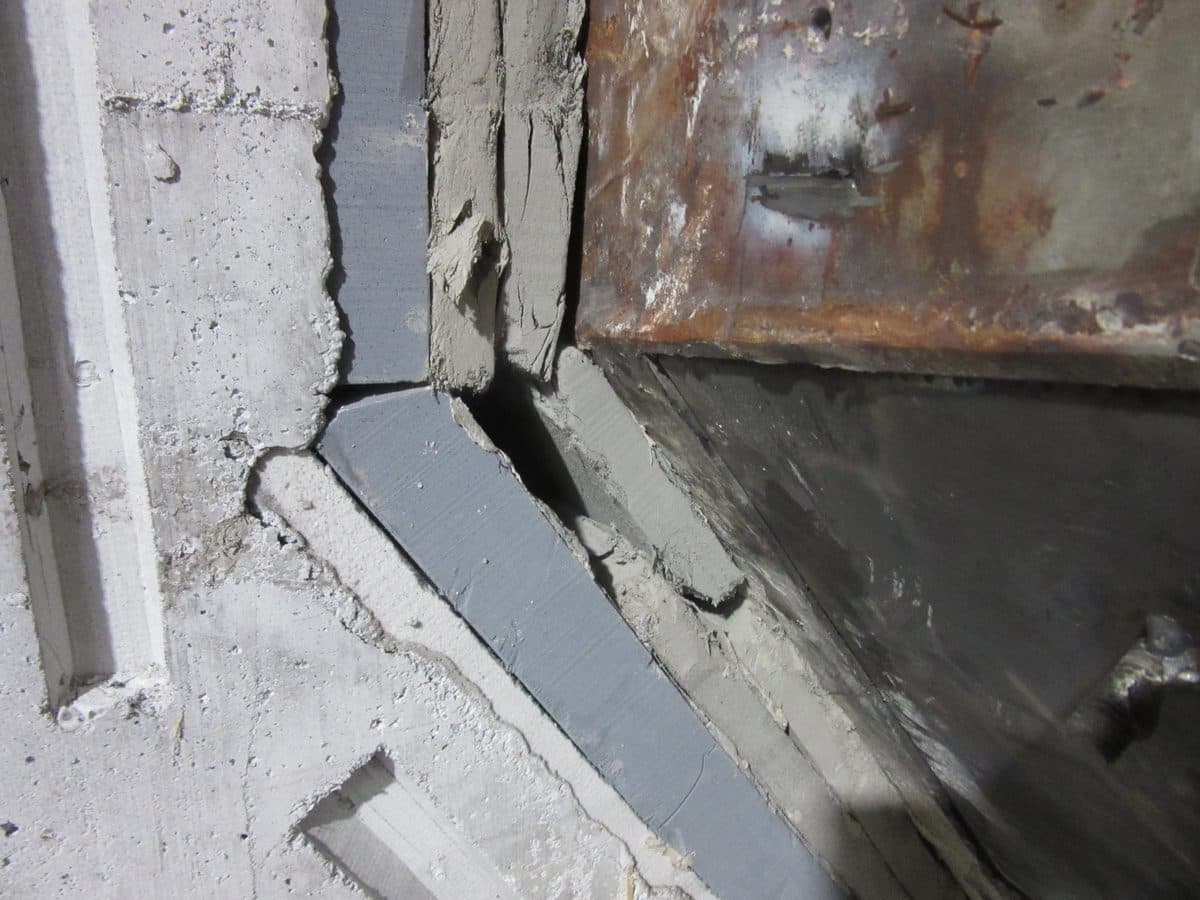
When a targeted repair is enough, and the three findings where only a relining will hold.
 PDFEnergy & Combustion
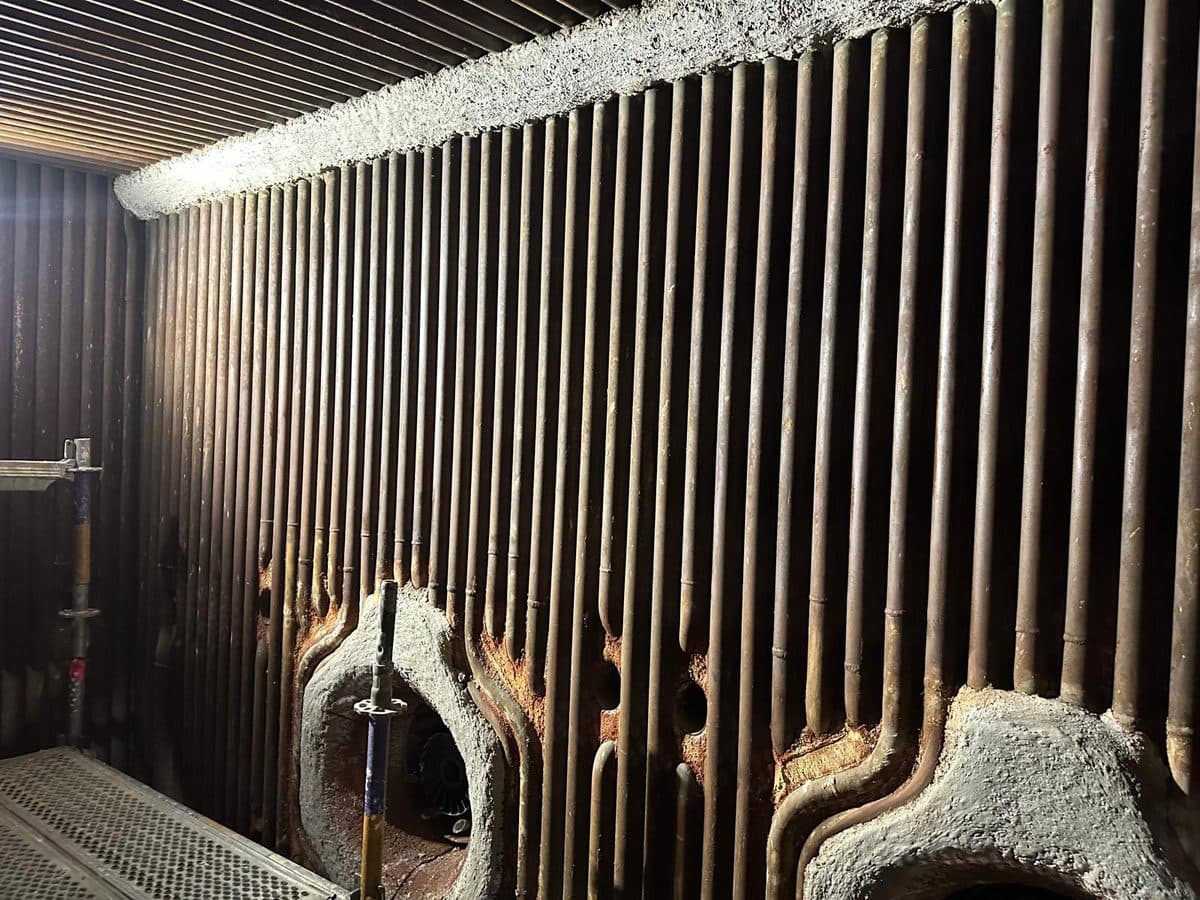
Protecting without blocking the heat: what matters when lining a boiler tube wall.
More insights from our projects
New insights from the job site every week – damage patterns, relinings and practical refractory know-how.
Whether complete relining, repair or emergency — free initial consultation and a fast response.
Your privacy matters to us.
We use cookies and similar technologies to ensure that our website functions properly and to analyse how our content is used. In the settings you can choose which cookies you wish to allow. Privacy policy