SBS Refractory Service
Repair or renew4 min

An emergency is not chaos: how a furnace call-out runs within 24 hours

Reported on Thursday evening, repaired on Friday. What has to happen in those hours so that an emergency repair does not turn into improvisation.

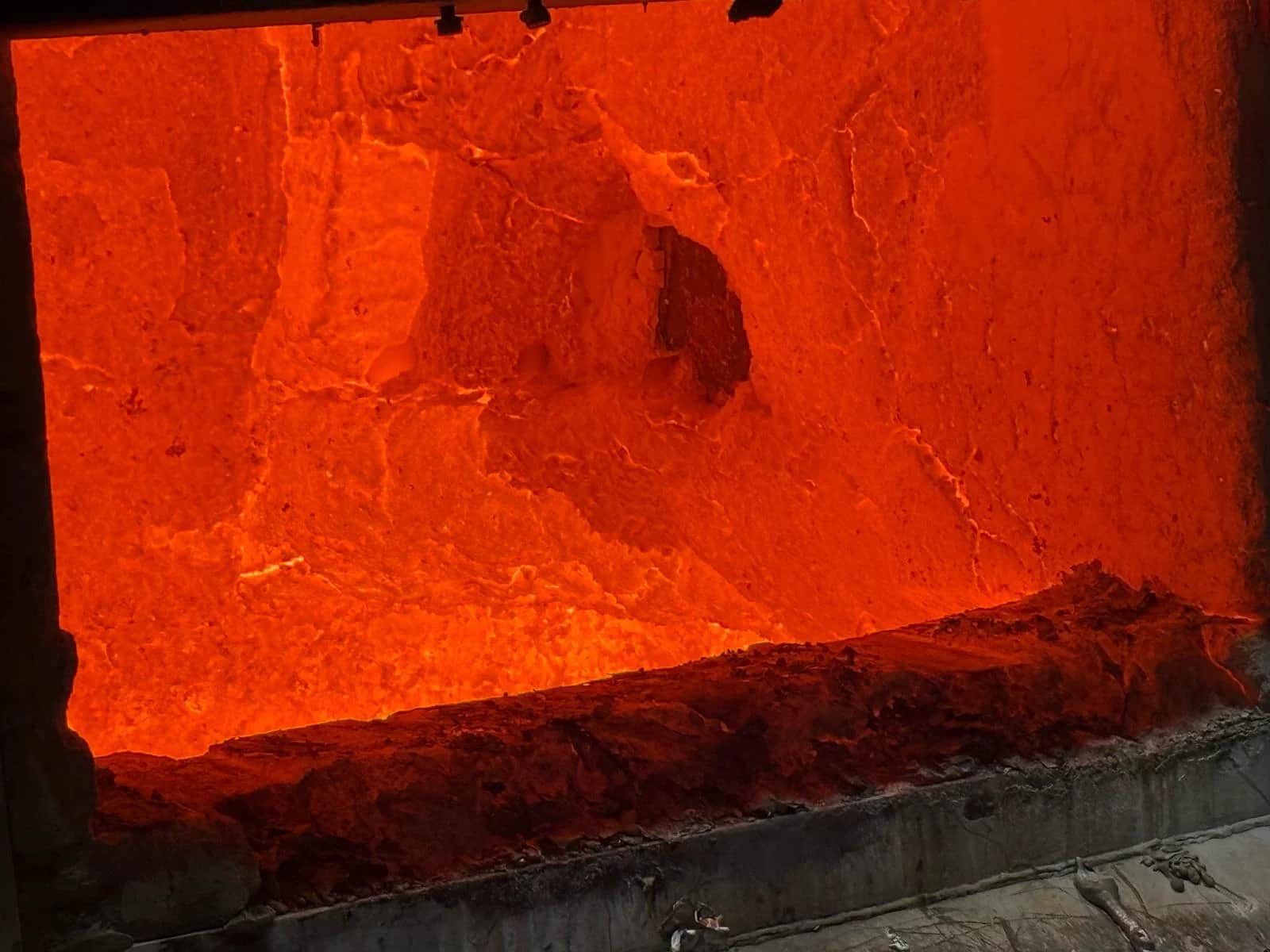
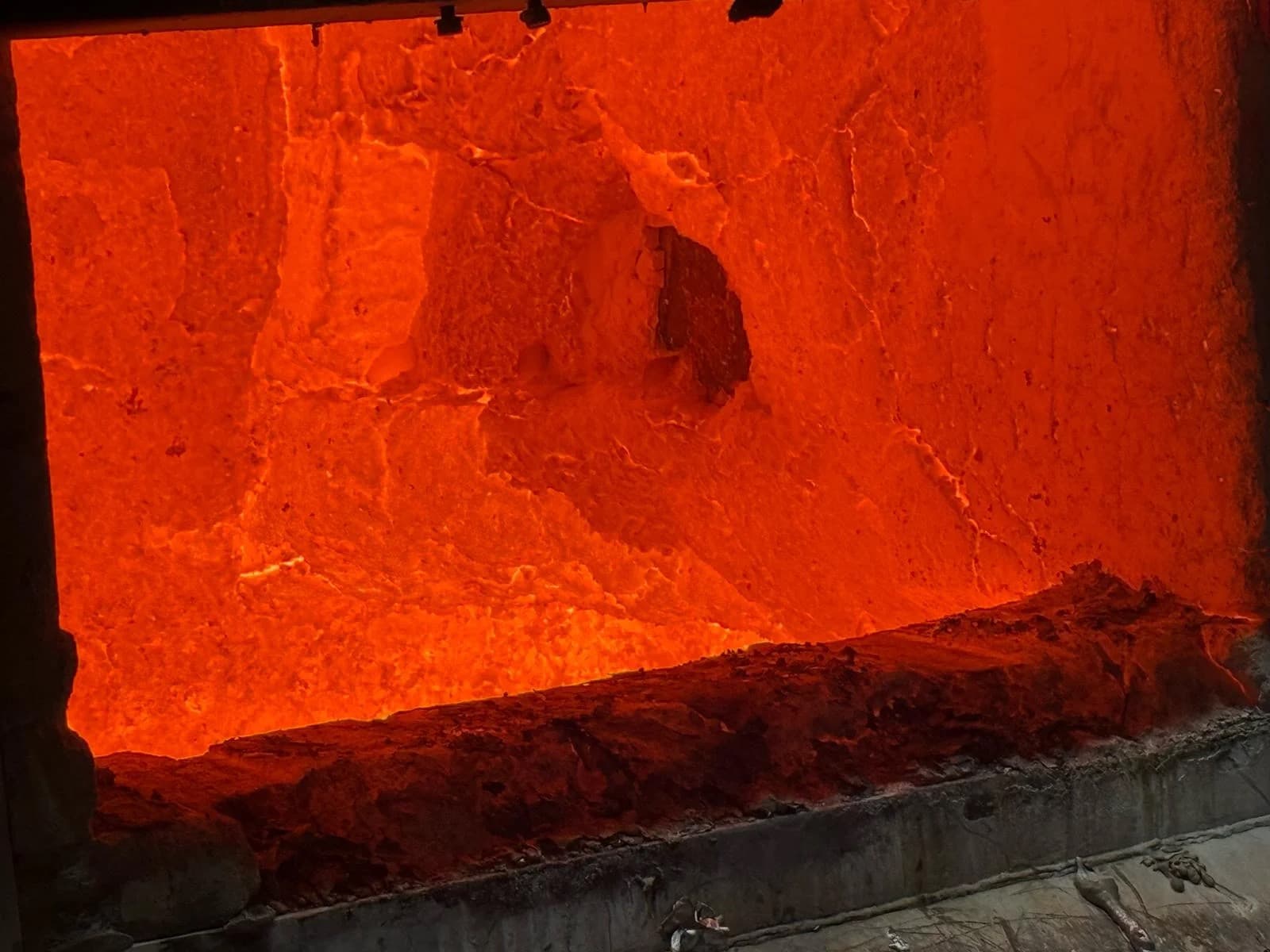
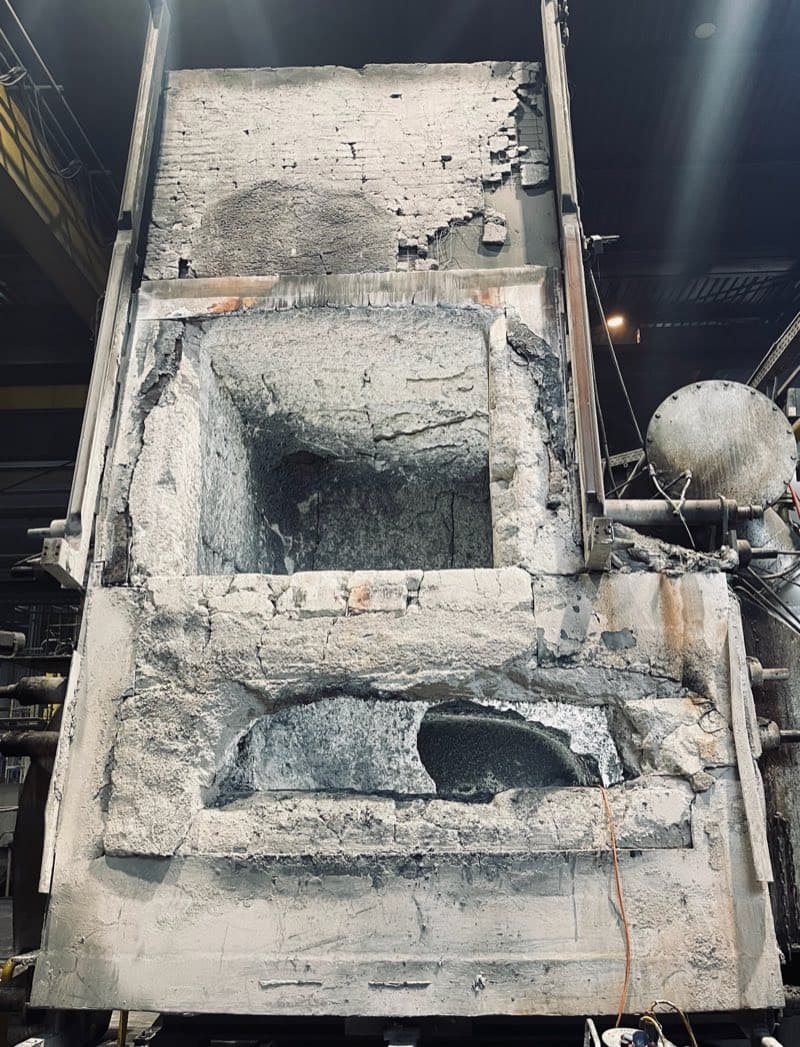
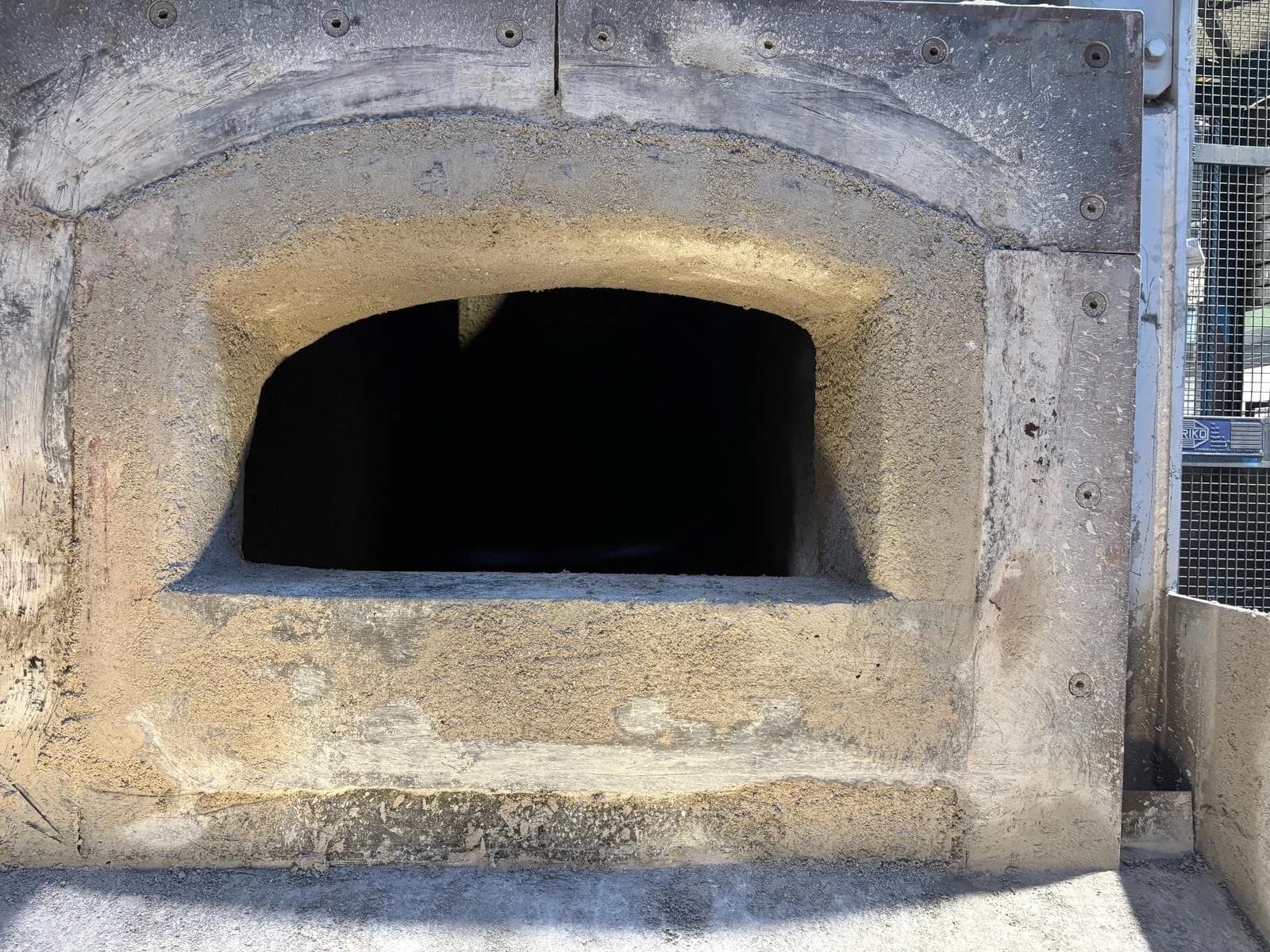
Emergency repair on an overheated aluminium furnace

A customer called on a Thursday evening: the furnace shell was overheating. In a high-temperature process that is not a cosmetic flaw but a chain of safety risk, imminent shutdown and growing consequential damage. By Friday the repair was done. That sounds like luck, but it is procedure — an emergency does not mean improvising, it means knowing the order of things.

The first hours decide

  • Remote diagnosis before travelling out: photos of the hot spot, temperature readings and operating regime clarify whether this is a local defect or a widespread problem. That determines which material comes along.
  • Material before team: whatever is not in the vehicle will not be on site the next day. In the case of overheating on the shell, the material grades are settled before anyone sets off.
  • Clarify access while someone can still be reached: gate entry, safety briefing, contact person on site. These points cost hours on the day of the job if they are left open.
  • An honest statement about scope: an emergency repair restores safe operation. Whether it is the definitive solution or will last until the next overhaul belongs in the same report — not in the invoice afterwards.

How to recognise a call-out service you can rely on

  • In-house installation teams instead of subcontractors — only then is a commitment on the phone also a commitment for the next day.
  • Own material and own tools directly available, not via an ordering chain.
  • A statement about what the repair does not cover.

The difference between a call-out service and a phone number does not show in the response time, but in what is already asked during the first call.

At a glance
< 24 h
from the report to the completed repair
Before travelling out
remote diagnosis determines the material carried

Practice sheets on this topic

Technical newsletter

Get new practice sheets automatically

All PDFs on this page are free, without sign-up. If you want to know when a new sheet is added: one e-mail a month, unsubscribe anytime.

Repair or reline? The three findings
PDFAll furnace types

Repair or reline? The three findings

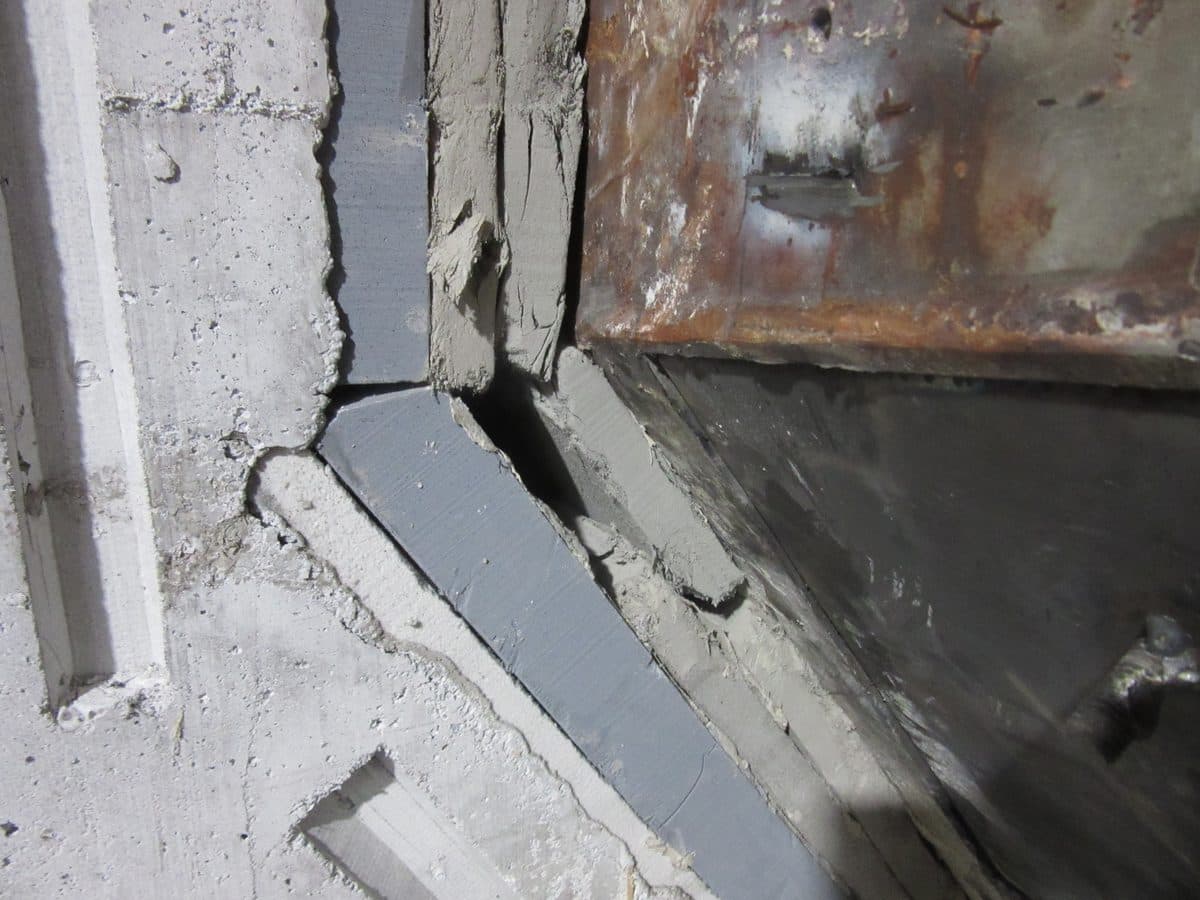
When a targeted repair is enough, and the three findings where only a relining will hold.

Only in the PDFDecision table with 6 findings, the 3 typical wrong decisions, 2 photos from a relining
To the article
Refractory on the tube wall: The inspection points
PDFEnergy & Combustion

Refractory on the tube wall: The inspection points

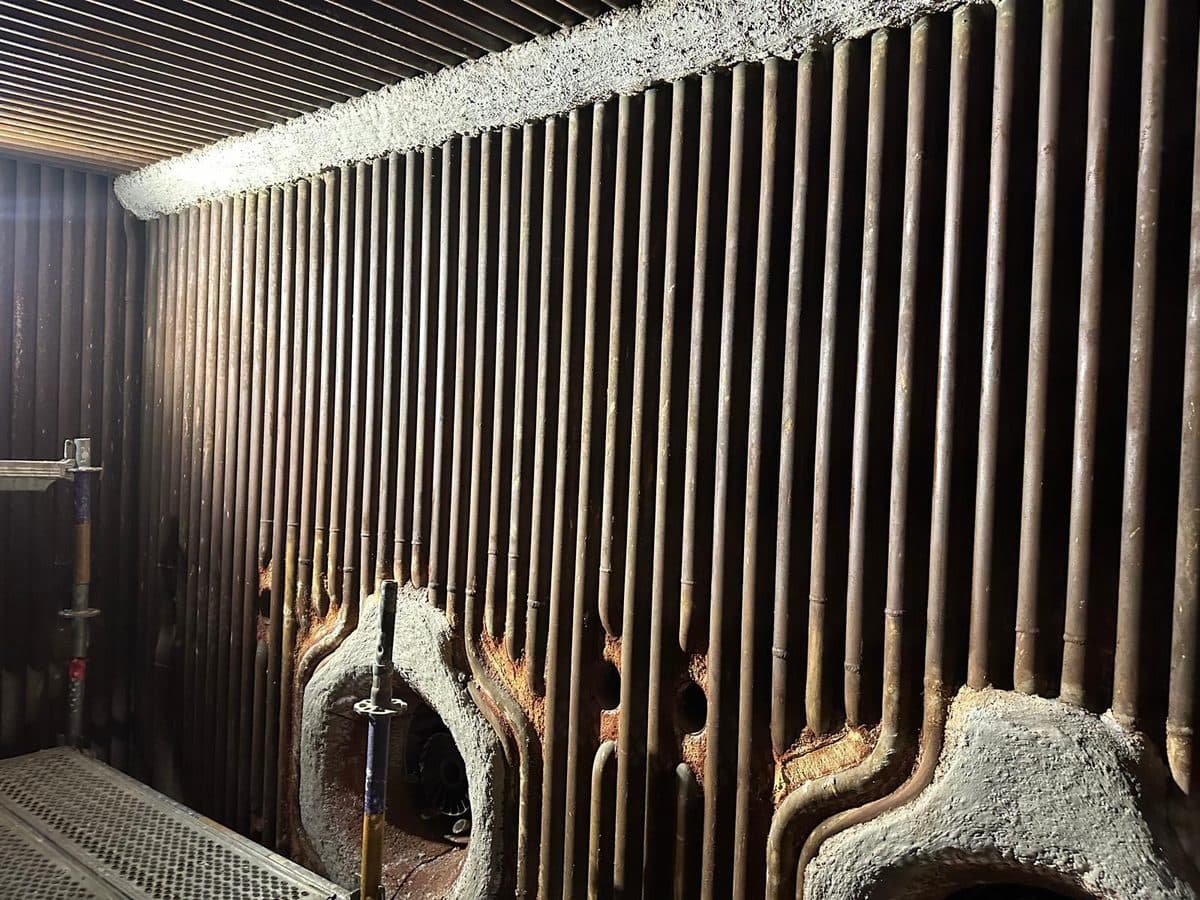
Protecting without blocking the heat: what matters when lining a boiler tube wall.

Only in the PDF7-point checklist for tube walls, the 3 typical mistakes, 2 photos from the boiler
To the article
Working in confined spaces: Before we go in
PDFAll plants

Working in confined spaces: Before we go in

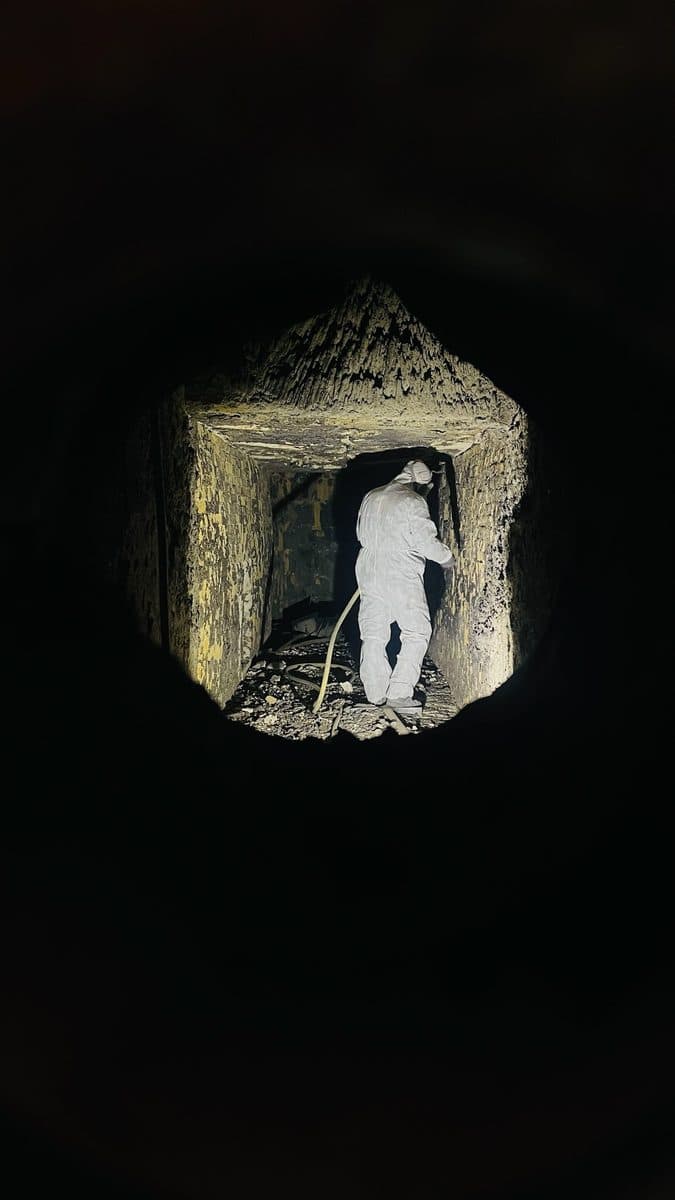
Access, supervision, light and air: what is settled before anyone enters a furnace or boiler.

Only in the PDF7-point pre-entry checklist, the 3 typical omissions, 2 photos
To the article

More insights from our projects

New insights from the job site every week – damage patterns, relinings and practical refractory know-how.

Share this article on LinkedIn

Planning a project?

Whether complete relining, repair or emergency — free initial consultation and a fast response.

CallSend enquiry

Your privacy matters to us.

We use cookies and similar technologies to ensure that our website functions properly and to analyse how our content is used. In the settings you can choose which cookies you wish to allow. Privacy policy