
 PDFEnergy & Combustion
Slagging: The surface determines the interval
Clean every four weeks — or twice per season?
Only in the PDFLevers against build-up, fuel alkalis, cleaning rules
To the articleIn a biomass boiler, ash deposits are rarely the real problem — the problem is how quickly they come back. Five levers from biomass CHP projects.
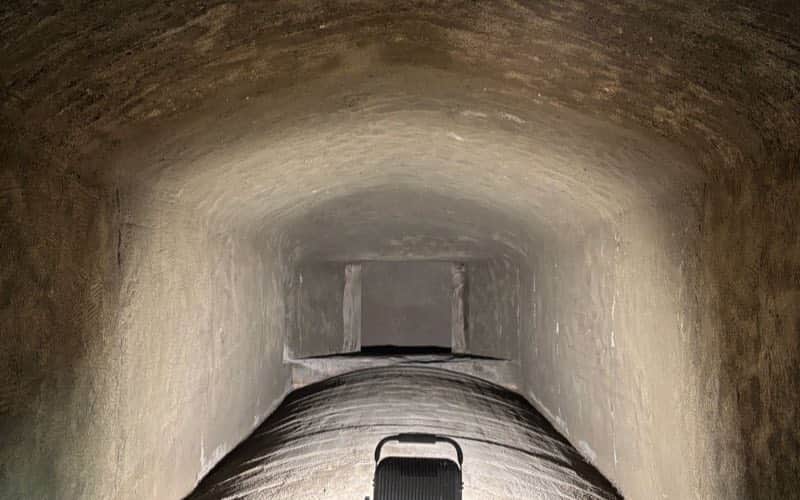
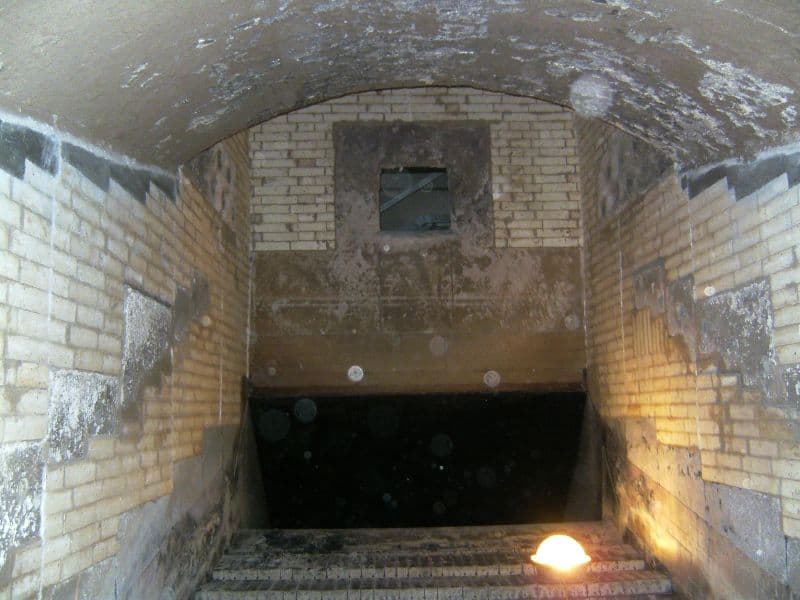
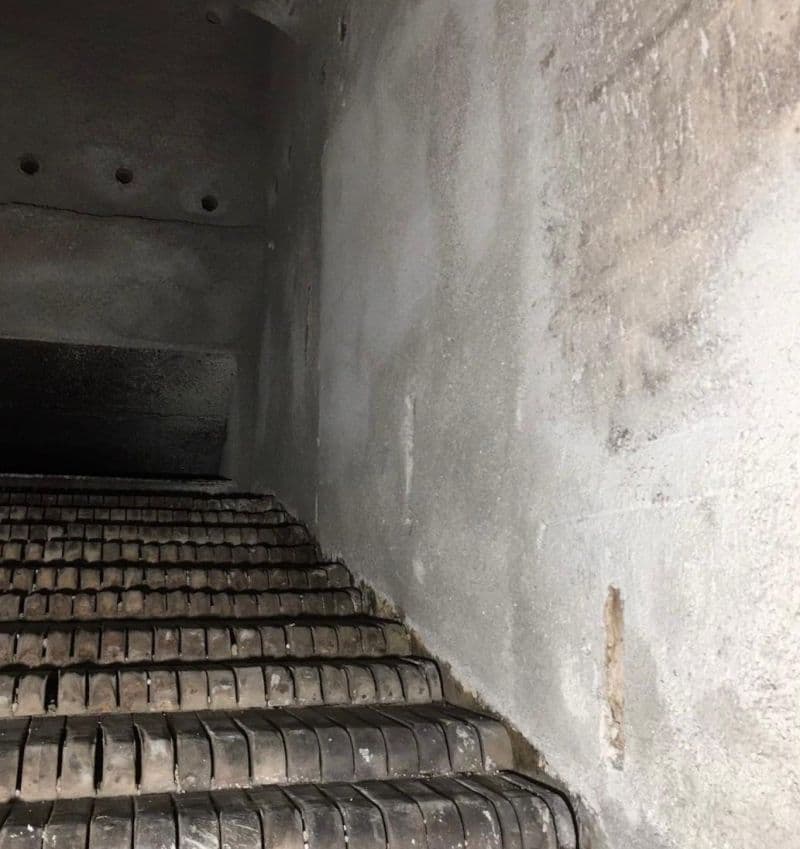
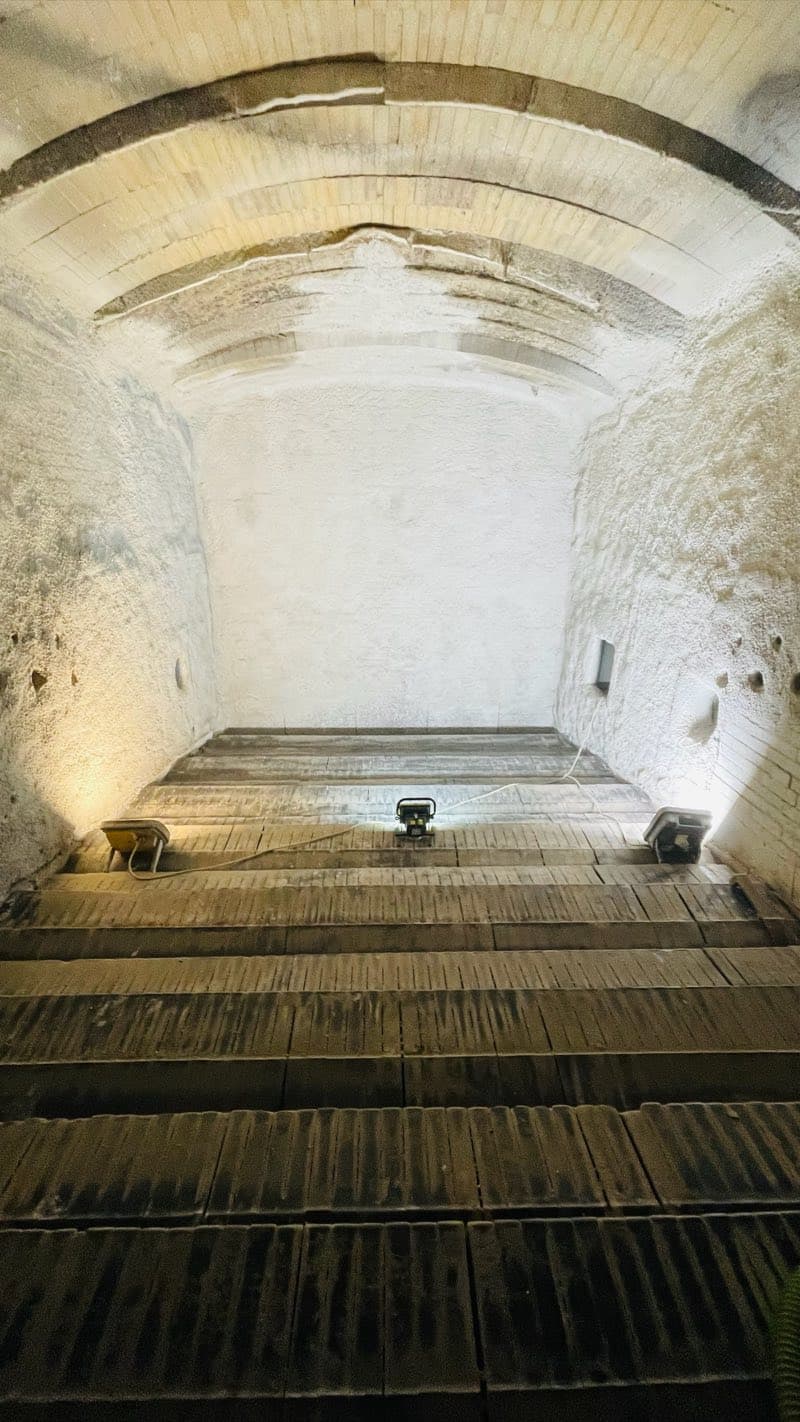
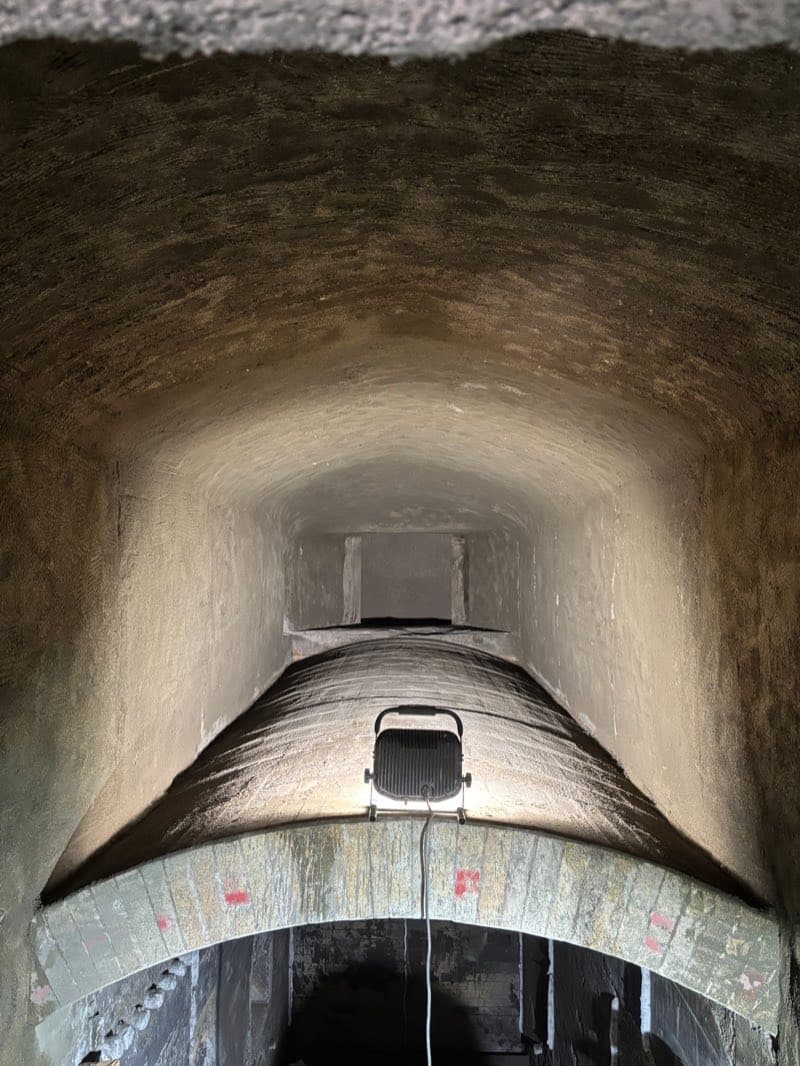
In a biomass boiler, ash deposits are rarely the real problem — the problem is how quickly they come back. In many plants, slagging is accepted as unavoidable. Yet the surface of the refractory lining plays a major part in determining how firmly slag and alkali deposits take hold — and therefore in determining the cleaning intervals.
The result: longer cleaning intervals, plannable shutdowns, higher plant availability.
All PDFs on this page are free, without sign-up. If you want to know when a new sheet is added: one e-mail a month, unsubscribe anytime.
PDFEnergy & CombustionClean every four weeks — or twice per season?
 PDFAll furnace types
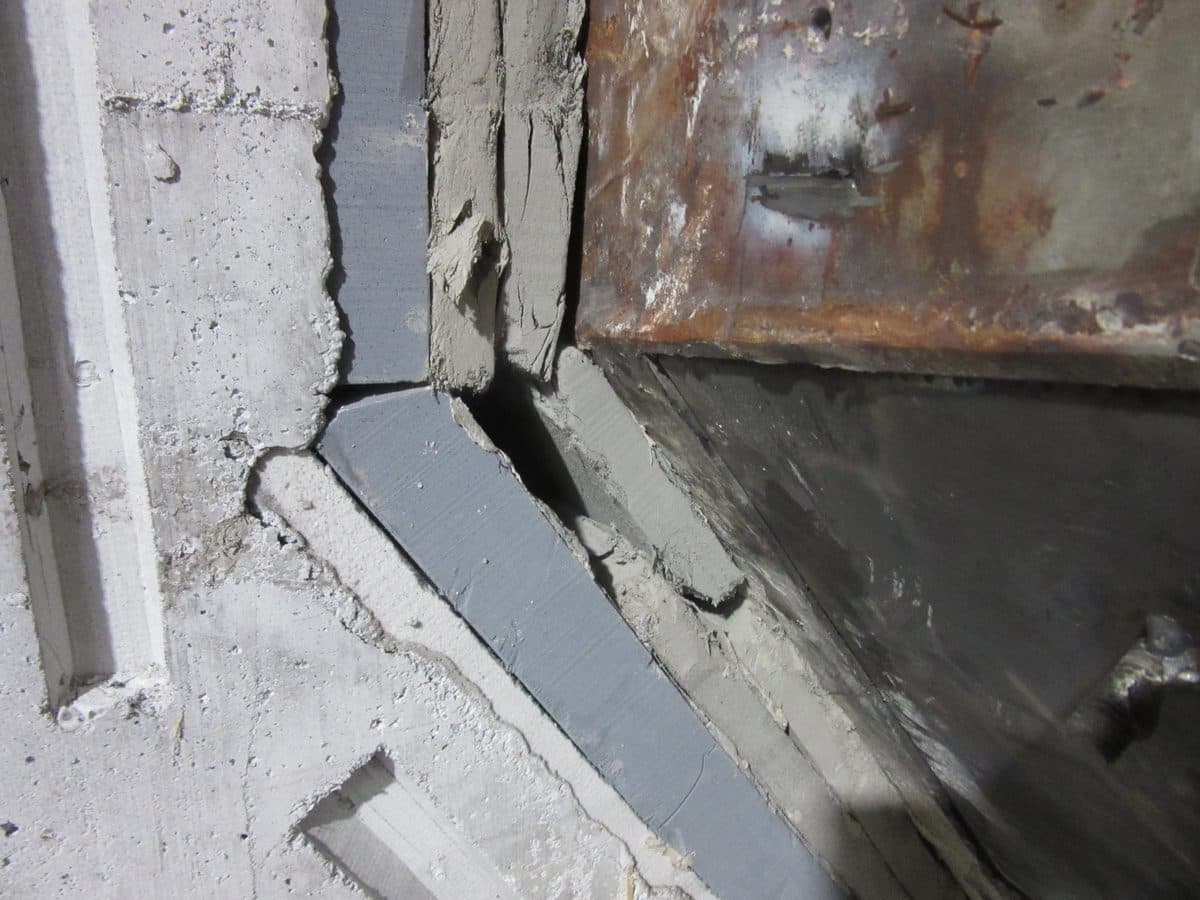
When a targeted repair is enough, and the three findings where only a relining will hold.
 PDFEnergy & Combustion
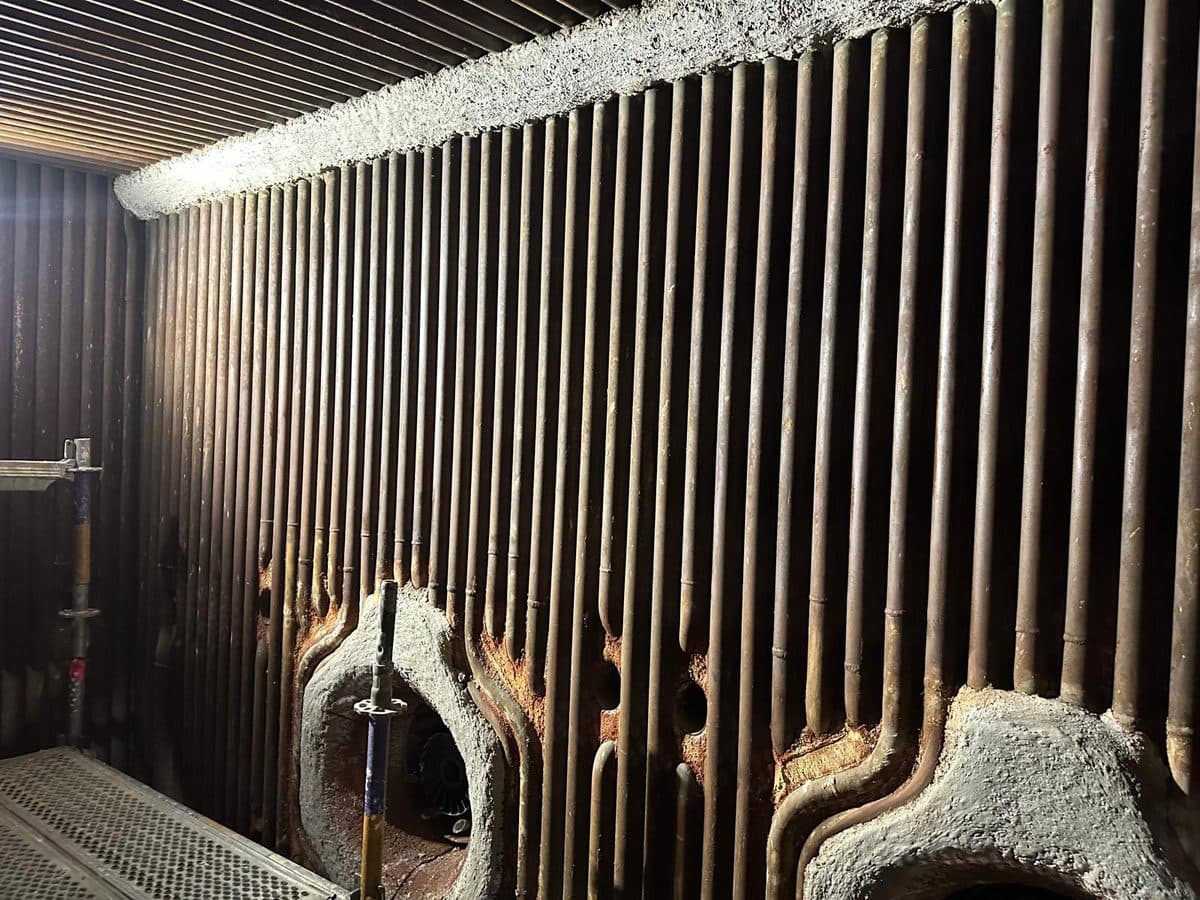
Protecting without blocking the heat: what matters when lining a boiler tube wall.
More insights from our projects
New insights from the job site every week – damage patterns, relinings and practical refractory know-how.
Whether complete relining, repair or emergency — free initial consultation and a fast response.
Your privacy matters to us.
We use cookies and similar technologies to ensure that our website functions properly and to analyse how our content is used. In the settings you can choose which cookies you wish to allow. Privacy policy