
 PDFEnergy & Combustion
Slagging: The surface determines the interval
Clean every four weeks — or twice per season?
Only in the PDFLevers against build-up, fuel alkalis, cleaning rules
To the articleThe combustion chamber is the heart of every biomass power plant. What demands biogenic fuels place on the refractory lining, and how materials concepts maximise service life.
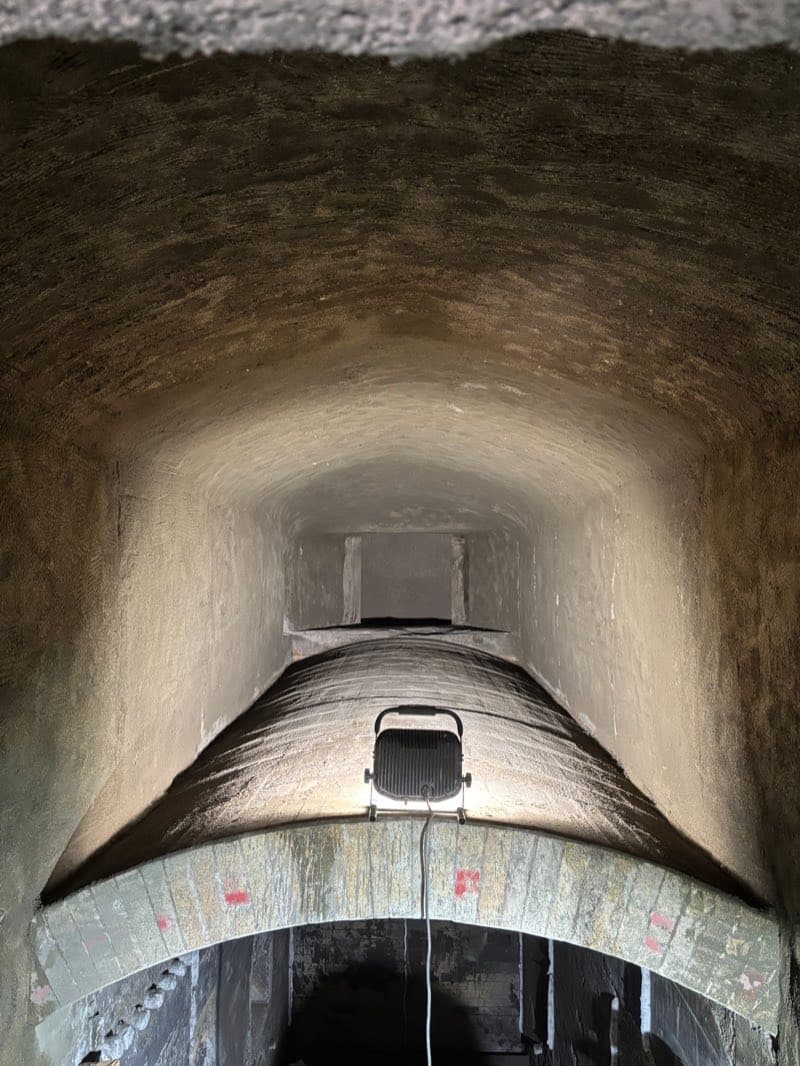
Burning biomass differs fundamentally from burning fossil fuels. Wood chips, waste wood, bark and other biogenic fuels have widely varying compositions. Moisture content, ash content and chemical composition vary not only between different types of fuel, but also between individual deliveries of the same type. This variability presents the refractory lining of the combustion chamber with particular challenges that cannot be adequately mastered with standardised material concepts.
Biomass ashes contain high proportions of alkalis such as potassium and sodium, which form aggressive melt phases at combustion temperatures. These melt phases attack the refractory lining chemically and lead to accelerated wear. The combination of high alkali contents and low ash softening points, as occurs when burning straw or cereal residues, is particularly critical.
Selecting the material for a combustion chamber lining is always a compromise. No single material meets all requirements at once. A well-conceived zoning concept that uses different materials in the various load zones achieves the best results.
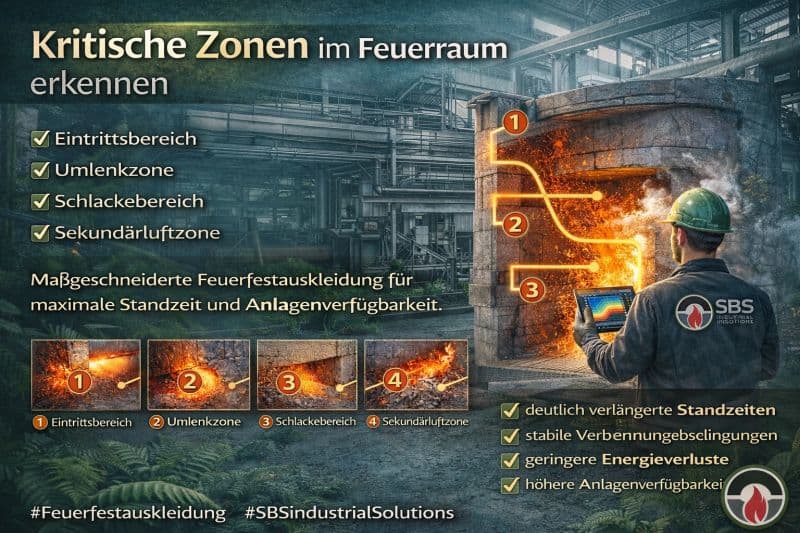
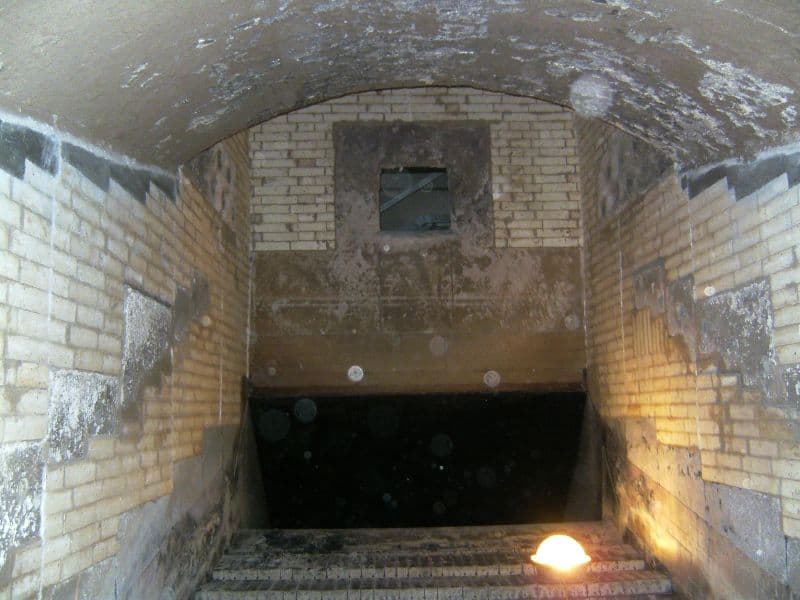
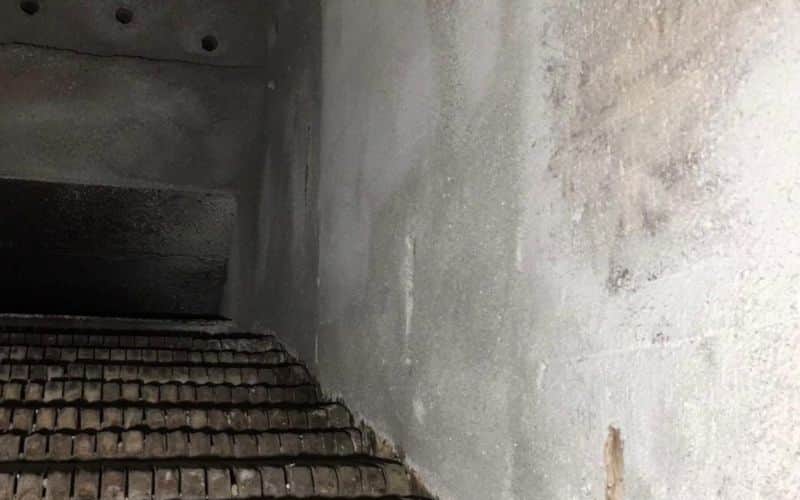
A modern combustion chamber lining is not executed with a single uniform material, but divided into zones, each of which is lined with the optimum material. The grate and feed area is subject to heavy mechanical and thermal loading and requires abrasion-resistant, thermal-shock-resistant materials. The afterburning zone is exposed to the most intense chemical attack from ash melts and needs corrosion-resistant materials. The radiant section and the constriction are primarily thermally loaded and are designed with highly refractory materials.
When planning a combustion chamber lining we work closely with the operators to establish the specific load profiles. Which fuels are used? How high is the ash content? Are there seasonal variations in fuel quality? On the basis of this information we develop a tailor-made materials concept that maximises service life and minimises maintenance costs.
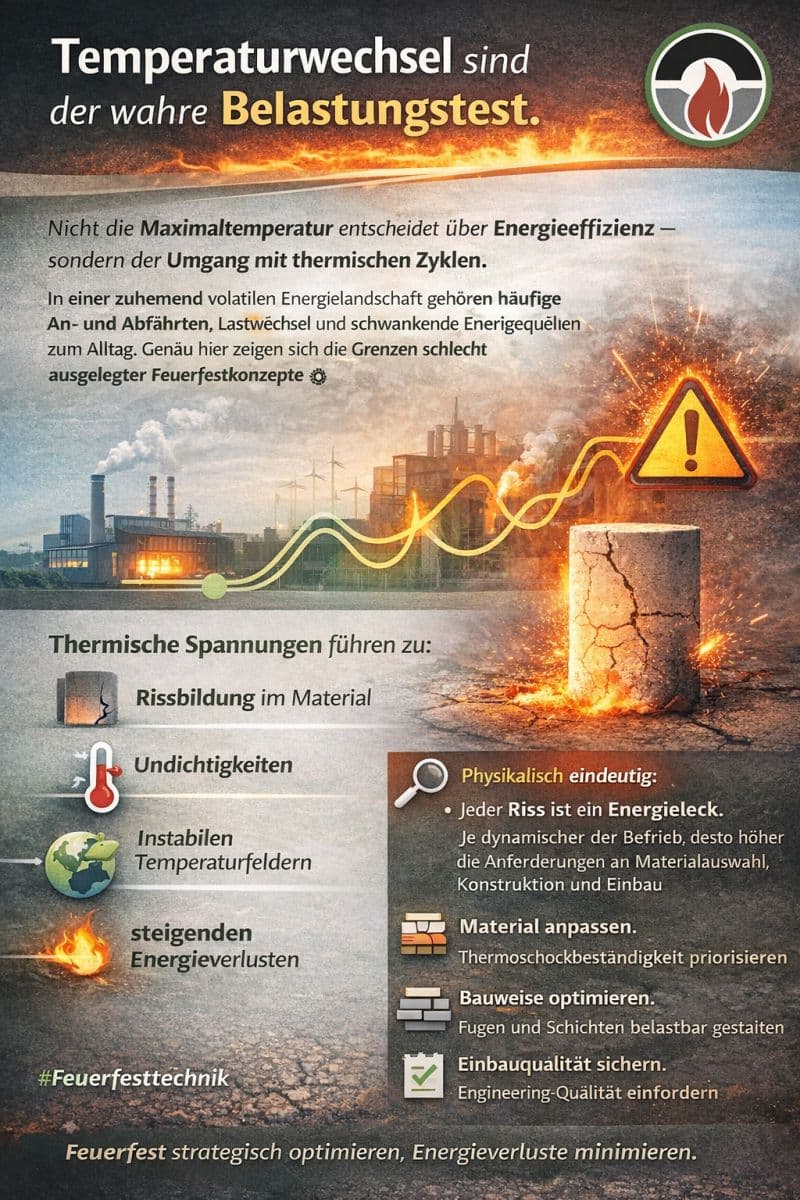
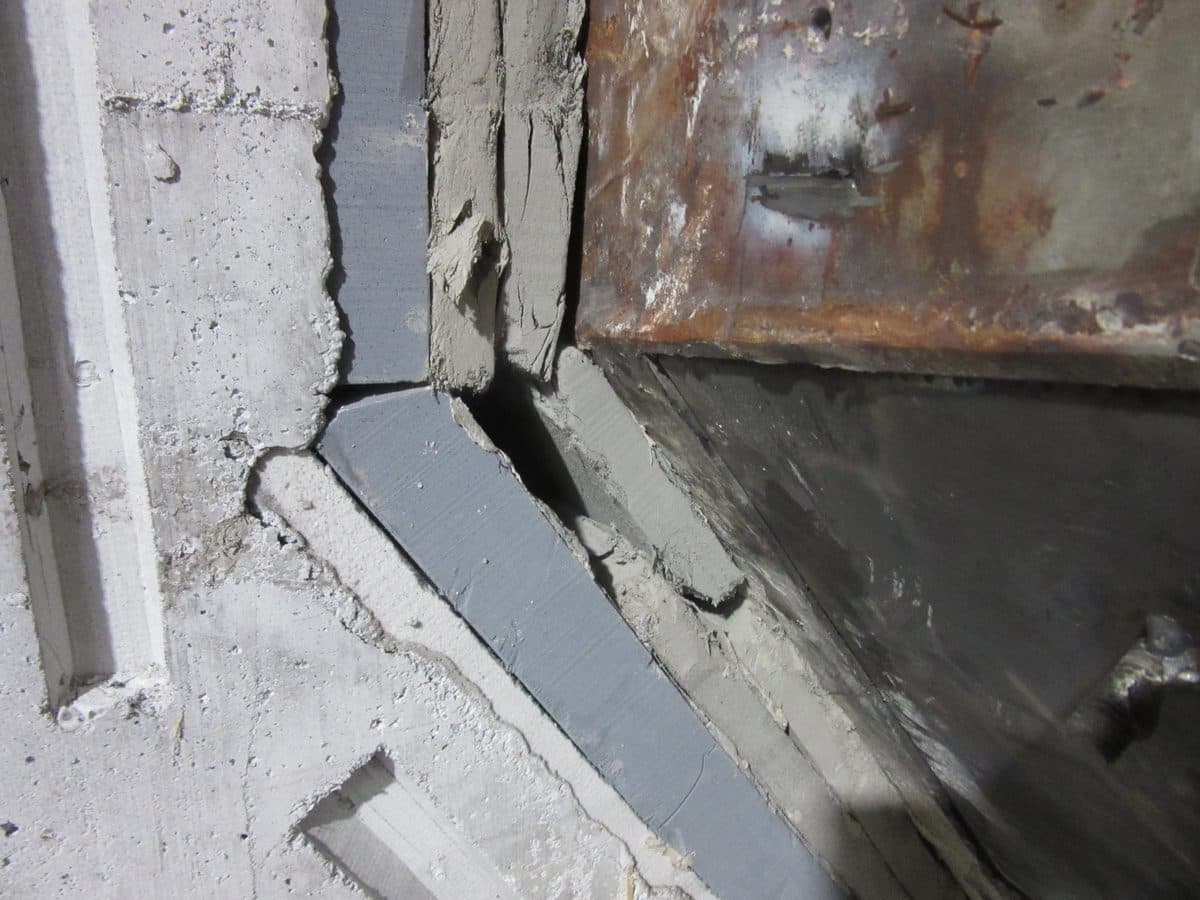
Besides the choice of material, design details decide the success or failure of a combustion chamber lining. The layout of the expansion joints, the execution of the anchoring, the avoidance of thermal bridges and the connection to adjacent components all call for years of experience and a deep understanding of thermomechanical relationships. A frequently underestimated detail is the design of the transition areas between different material zones. Here materials with differing thermal expansion behaviour meet. Without suitable expansion compensation, stress cracks form at these points that serve as an entry route for aggressive media and lead to premature failure.
All PDFs on this page are free, without sign-up. If you want to know when a new sheet is added: one e-mail a month, unsubscribe anytime.
PDFEnergy & CombustionClean every four weeks — or twice per season?
 PDFAll furnace types
When a targeted repair is enough, and the three findings where only a relining will hold.
 PDFEnergy & Combustion
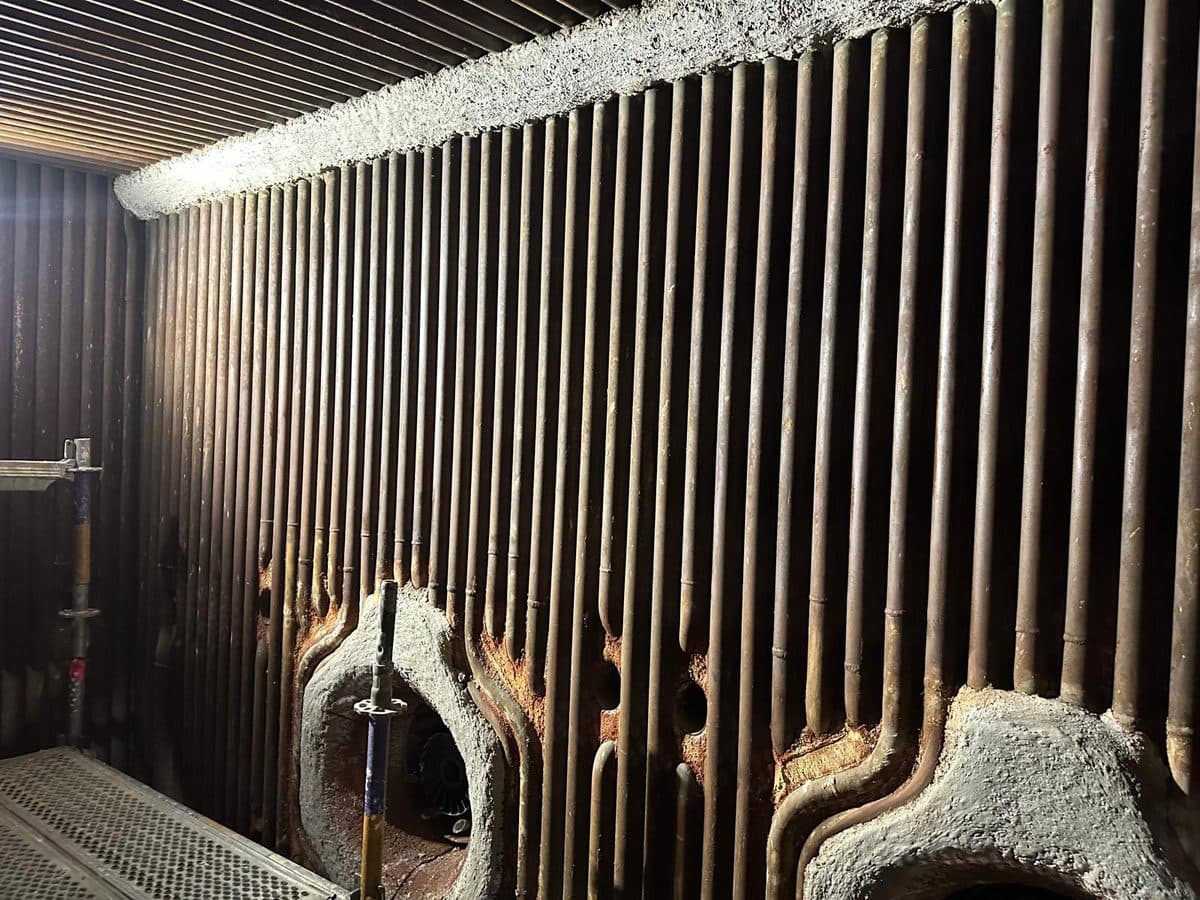
Protecting without blocking the heat: what matters when lining a boiler tube wall.
More insights from our projects
New insights from the job site every week – damage patterns, relinings and practical refractory know-how.
Whether complete relining, repair or emergency — free initial consultation and a fast response.
Your privacy matters to us.
We use cookies and similar technologies to ensure that our website functions properly and to analyse how our content is used. In the settings you can choose which cookies you wish to allow. Privacy policy