SBS Refractory Service
Refractory technology2 min

The bath line: why the boundary between melt and air is the most critical zone

When an aluminium furnace fails, it almost always starts at the same narrow line: where the melt meets the air. The bath line is the most demanding zone in the entire furnace.

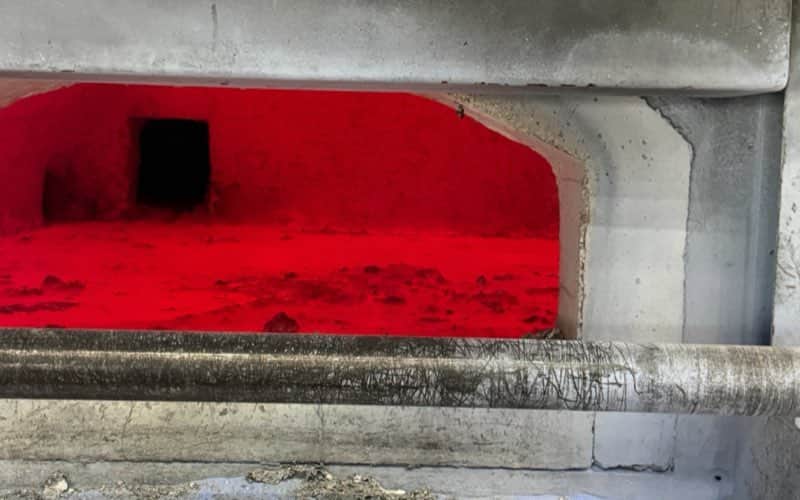
Glowing interior of an aluminium furnace with a view of the melting chamber and bath line

When an aluminium furnace fails, it almost always starts at the same narrow line: where the melt meets the air. The bath line is rarely more than a hand's breadth high — and is nevertheless the most demanding zone in the entire furnace.

The reason lies in the chemistry. At the bath line, liquid aluminium, oxygen and refractory material all come together. At this three-phase boundary, oxidation and corundum growth attack most aggressively — this is where the corundum noses form that narrow the furnace cross-section.

Three points that determine service life

  • Non-wetting, corundum-resistant materials — placed specifically in the band that is actually loaded. The highest material quality where it makes the difference.
  • The bath line is not a fixed line: the metal level moves with every charge and every tap. That is why we deliberately extend the high-grade zone 20 to 30 cm above and below the nominal level.
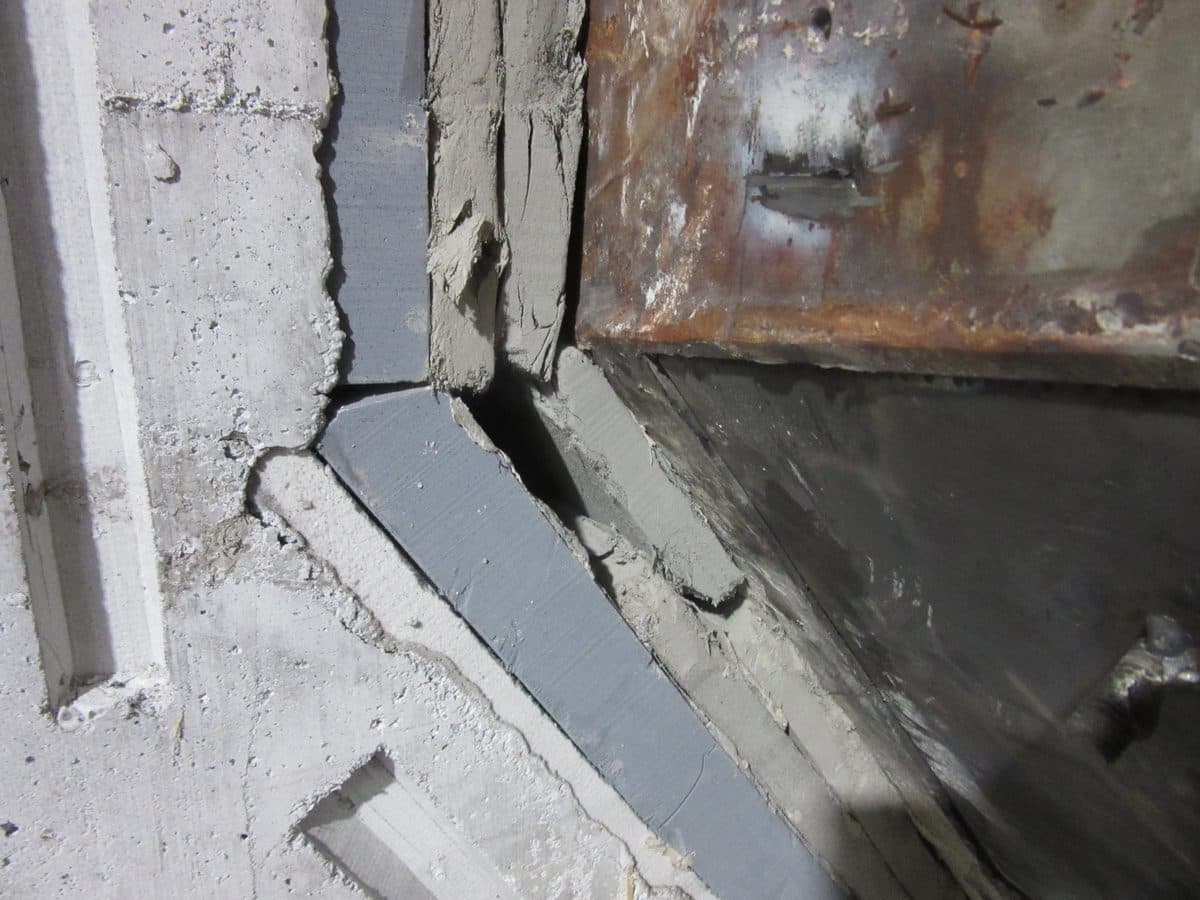
  • A dense, monolithic surface with joints kept to a minimum. Every joint at the bath line is a starting point for infiltration and growing corundum.

At every inspection we check this line first. That turns an impending failure into a plannable partial repair.

At a glance
20–30 cm
high-grade zone above and below the nominal level
Three-phase boundary
aluminium, oxygen and refractory at the bath line

Planning a project?

Whether complete relining, repair or emergency — free initial consultation and a fast response.