PDFMulti-chamber furnacesDucts and passages: The three inspection points
Thermal cycling, false air, cross-section: why ducts between furnace chambers need a lining of their own.
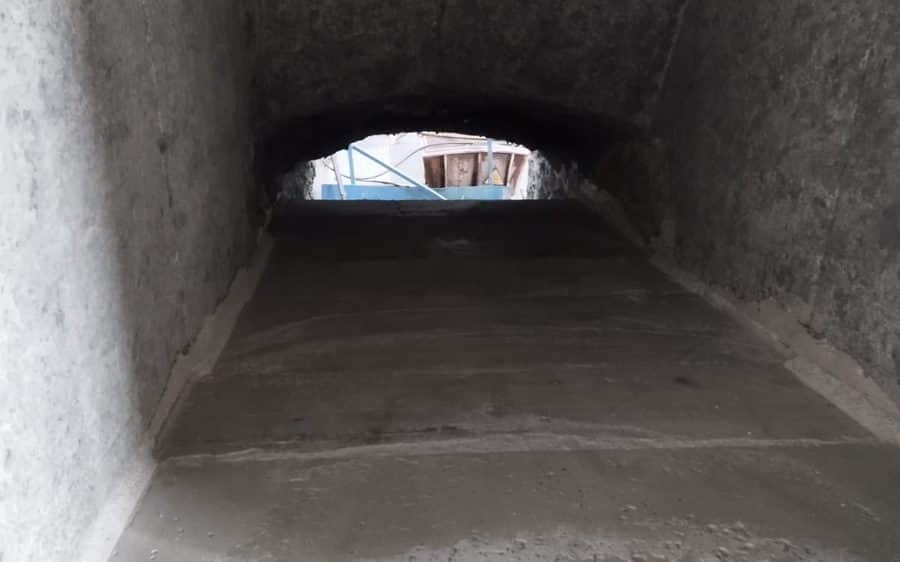
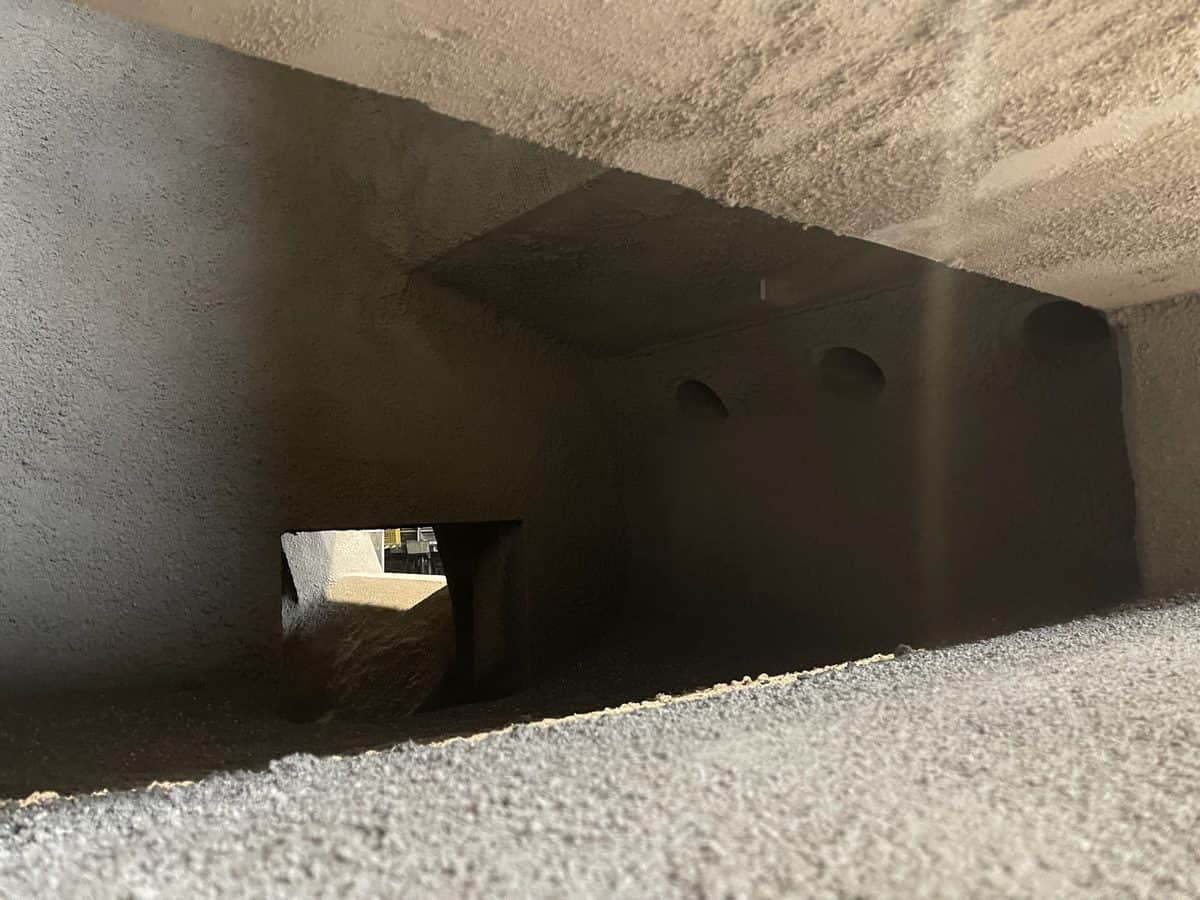
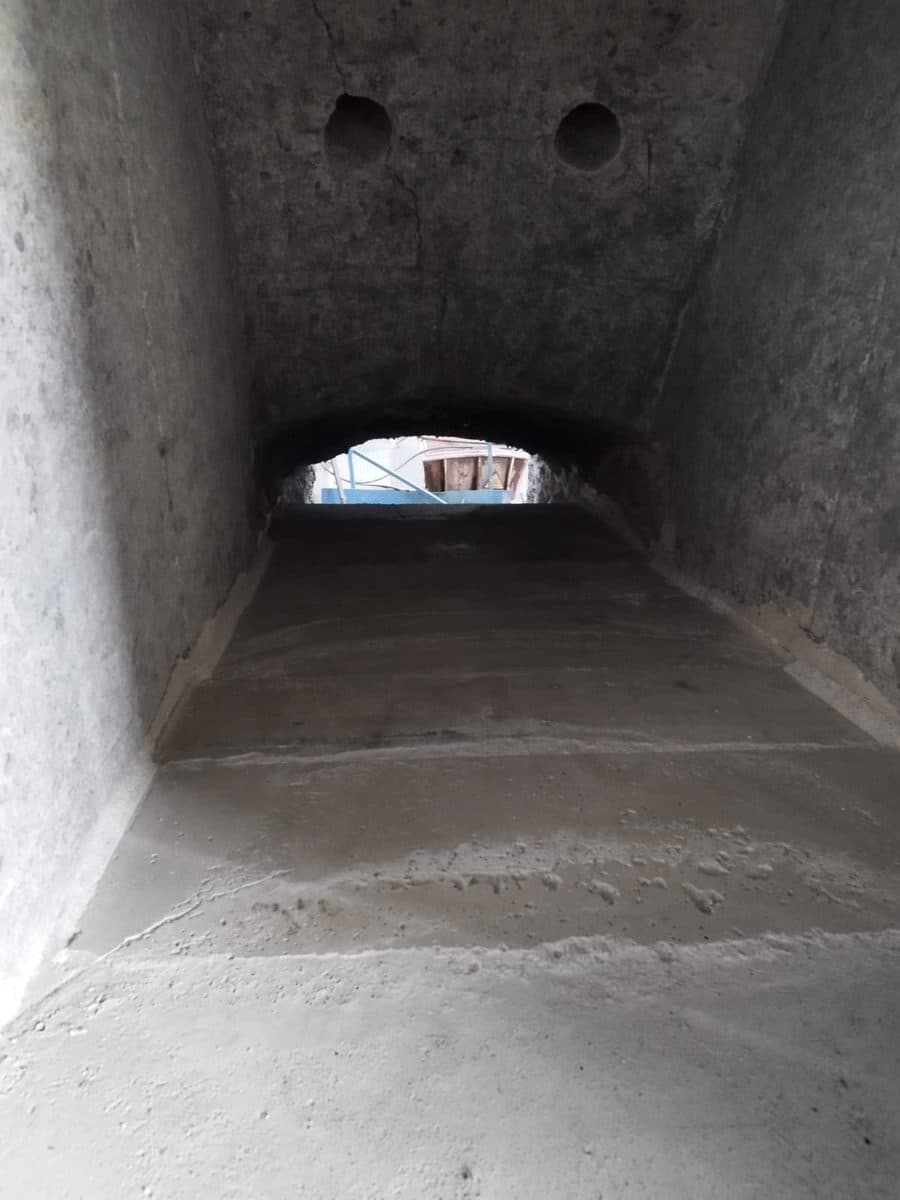
Flue gas ducts, connecting channels and passages are often skipped during an inspection — they are narrow, dark and hard to reach. Yet they fail earlier than the furnace chamber, and their failure shuts everything down.

An inspection usually ends where you can stand comfortably. The furnace chamber is searched, photographed, assessed. The ducts behind it get a glance from the opening.
That is understandable and still the wrong order. A connecting duct has no reserve: if it blocks or collapses, the plant stops — regardless of the condition of the furnace chamber.
Loss of cross-section works twice over: first resistance rises, then the fan compensates, then velocity rises — and velocity is precisely what erodes the lining further.

First the cross-section. Do not estimate, measure — at the same points as last time. A single figure says little; two figures from two overhauls say everything.
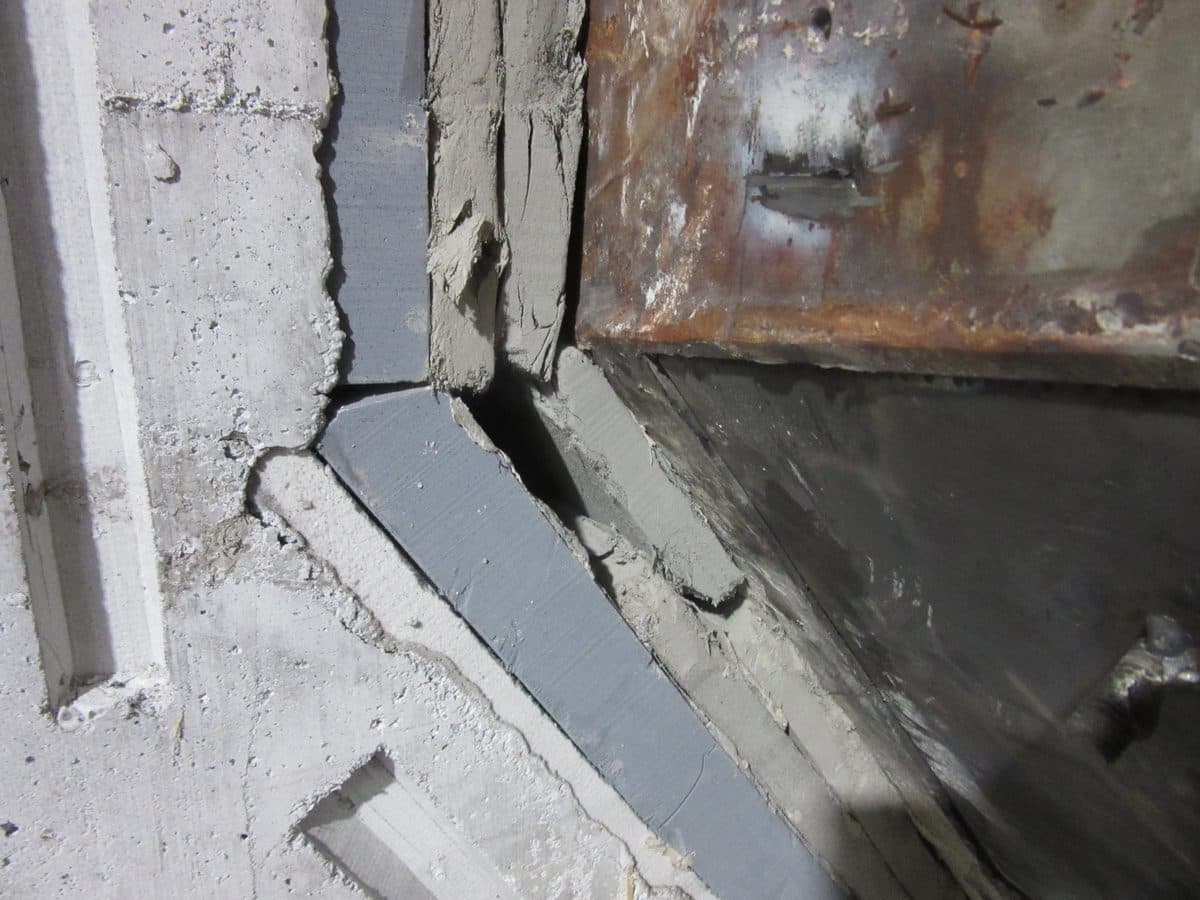
Second the bends. That is where both erosion and build-up begin. Both show up first on the outside of the curve, just after the bend in the direction of flow.
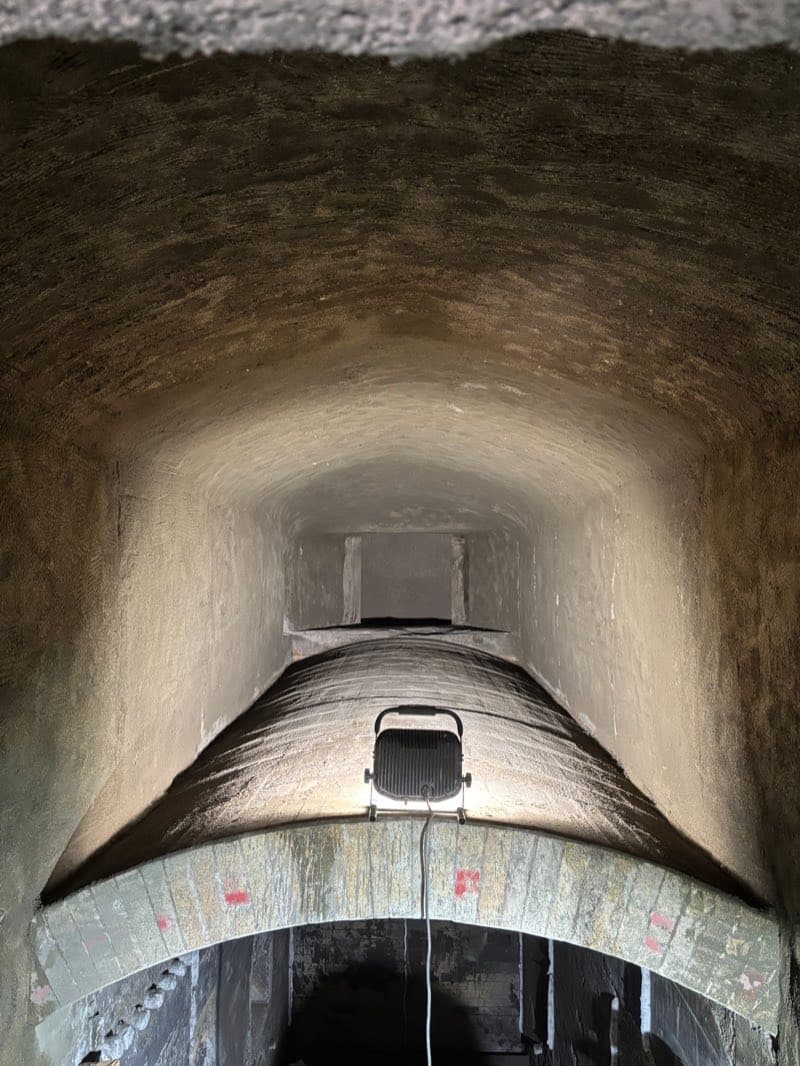
Third the roof. Seen from below, a duct arch is rarely perceived as a load-bearing component. But that is exactly what it is — and it does not fail slowly, it fails all at once.
A duct cannot be assessed while build-up is lying on it. Conversely, removing the build-up is what first reveals what is missing underneath. That is why cleaning and inspection belong in the same work step and the same shift — otherwise the record describes a surface that never existed.
In practice that means: clean, photograph, measure, then decide. Not: clean, close up and look again at the next standstill.
Regular inspections and predictive maintenance for maximum furnace availability.
Fast, professional repairs for minimum shutdown times and maximum furnace availability.
Complete refractory lining for new plants, renewals and general overhauls.
All PDFs on this page are free, without sign-up. If you want to know when a new sheet is added: one e-mail a month, unsubscribe anytime.
PDFMulti-chamber furnacesThermal cycling, false air, cross-section: why ducts between furnace chambers need a lining of their own.
PDFAll furnace typesWhen a targeted repair is enough, and the three findings where only a relining will hold.
PDFEnergy & CombustionProtecting without blocking the heat: what matters when lining a boiler tube wall.
More insights from our projects
New insights from the job site every week – damage patterns, relinings and practical refractory know-how.
Whether complete relining, repair or emergency — free initial consultation and a fast response.
Your privacy matters to us.
We use cookies and similar technologies to ensure that our website functions properly and to analyse how our content is used. In the settings you can choose which cookies you wish to allow. Privacy policy