
SBS Refractory Service
Inspect and maintain3 min

The grate edge: care point number one in a biomass boiler

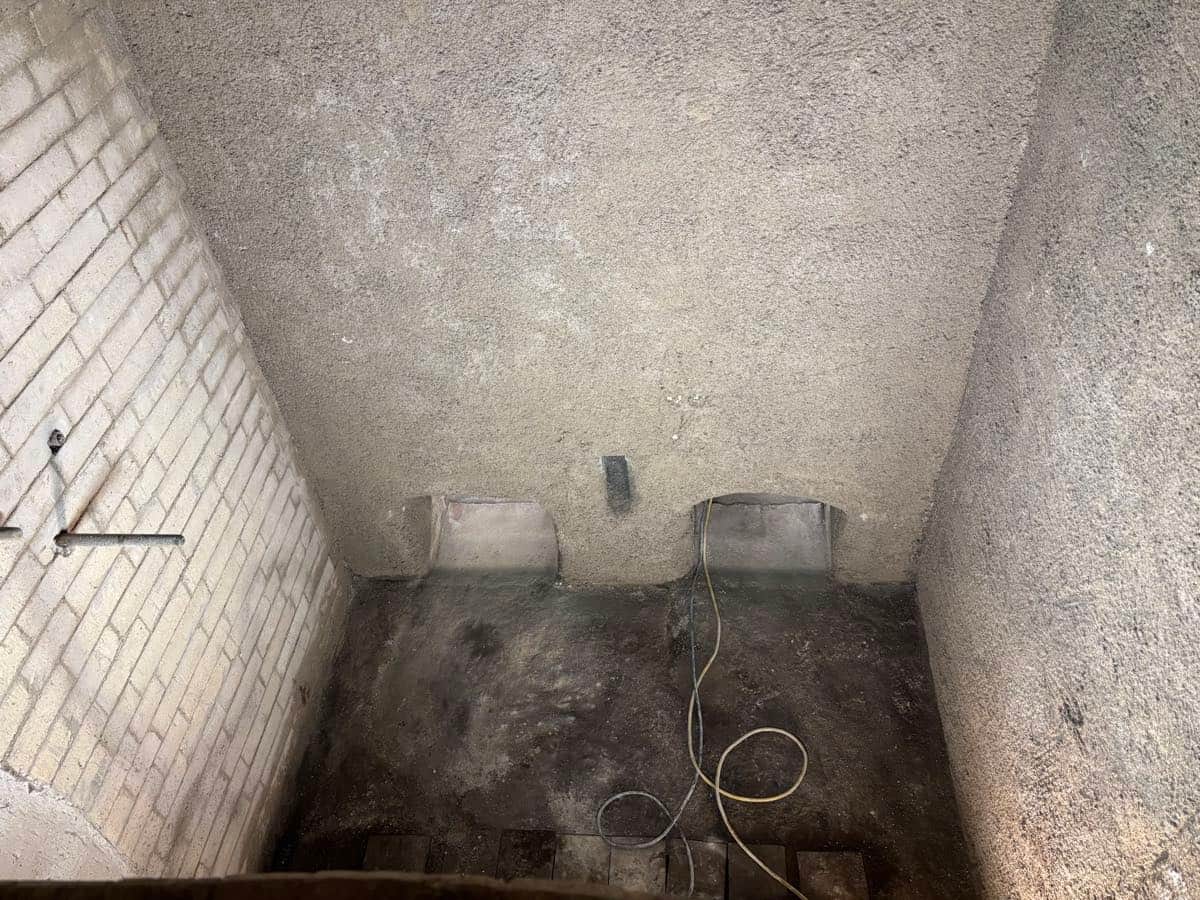
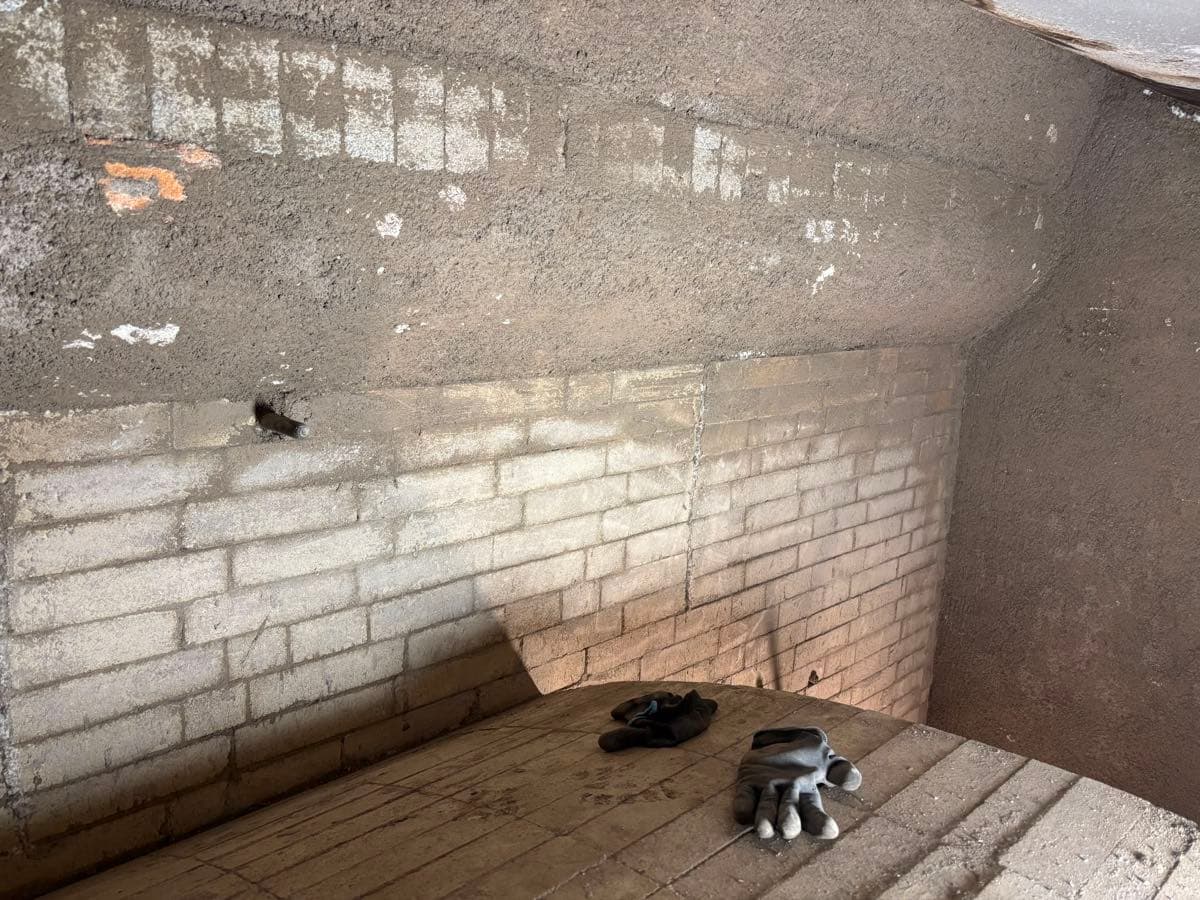
In a grate firing system there is one place that every overhaul involves: the transition from the grate to the lining. Movement, thermal shock and ash meet a rigid material there.

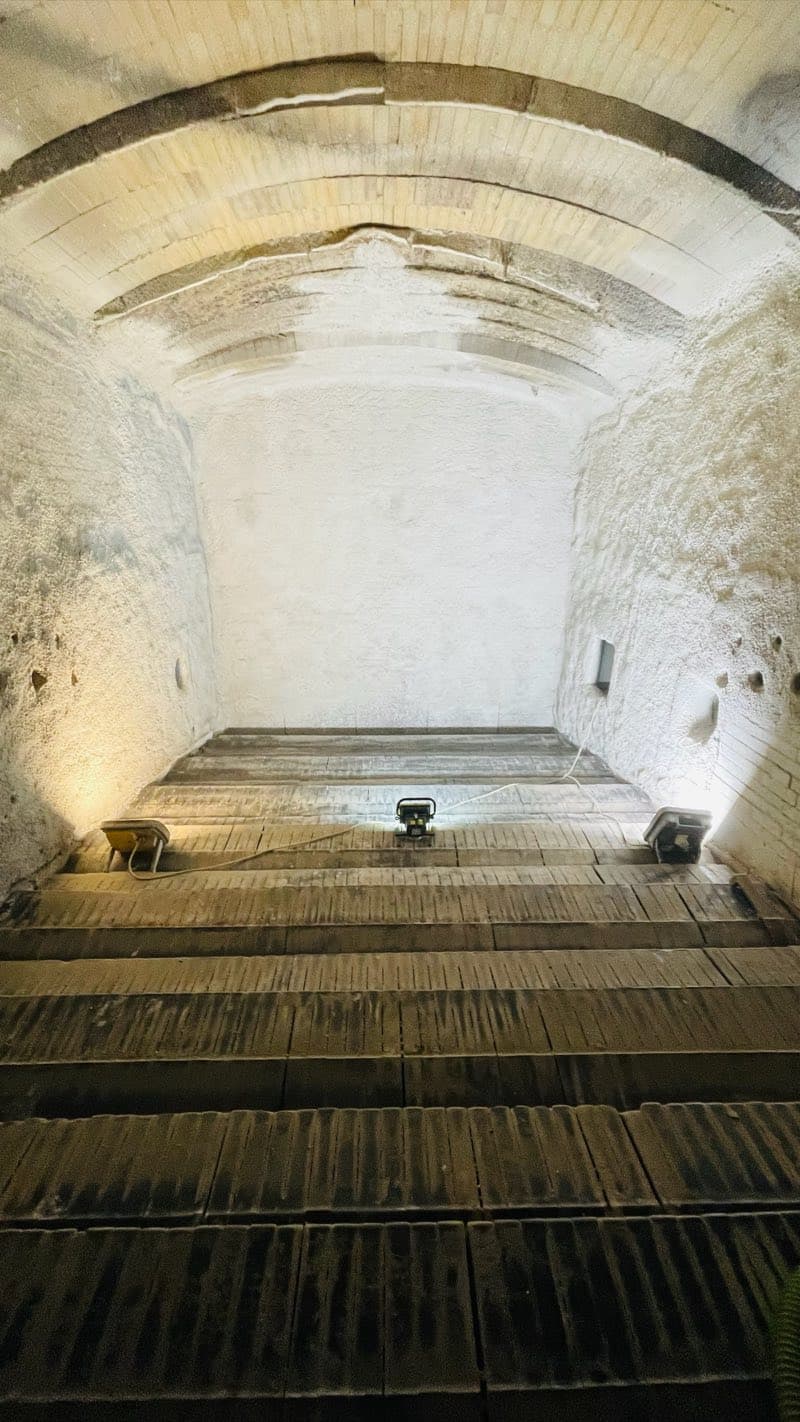
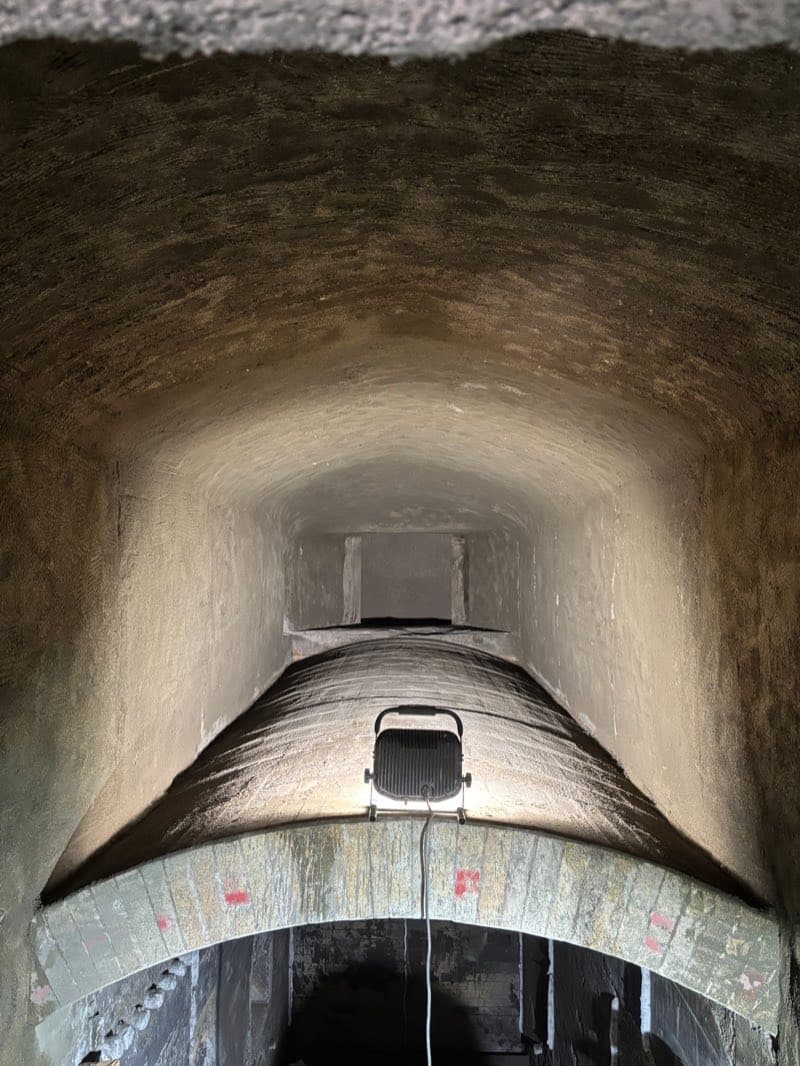
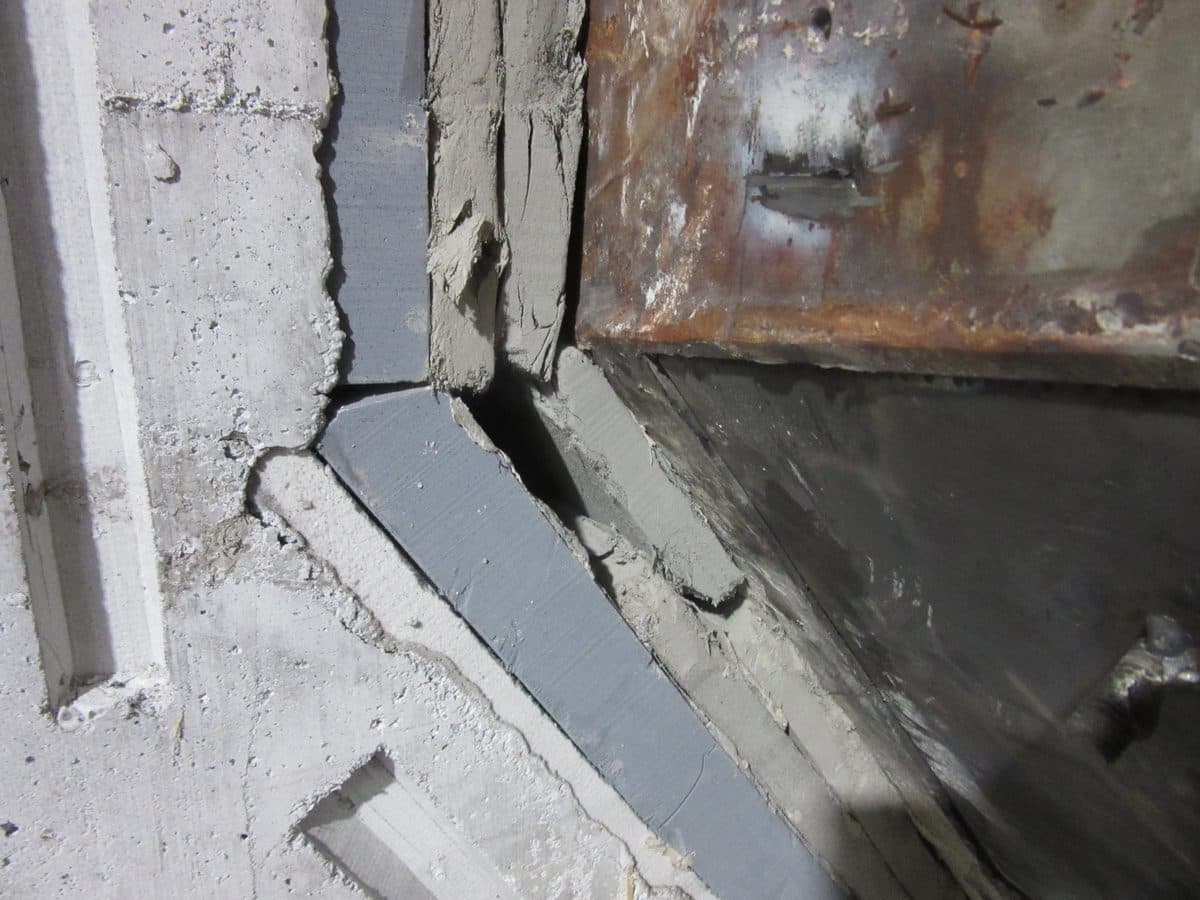
Transition from the grate to the monolithic lining in a biomass combustion chamber

Lay the inspection reports of several biomass boilers side by side and the same line appears again and again: grate edge reworked. It is the place that comes up in almost every overhaul, regardless of manufacturer and year of construction.

There is a reason for that, and it does not lie with the material.

Three loads within one centimetre

  • Movement. The grate works — it pushes, it expands, it vibrates. The lining beside it stands still. At the boundary between the two, a relative movement occurs in every operating hour.
  • Thermal shock. Above the grate lies the fuel bed, below it the primary air. The transition area sees both and changes accordingly fast.
  • Fuel. Biomass brings alkalis with it which penetrate the surface at operating temperature and alter the material at the face. Together with thermal shock it is precisely this altered layer that spalls off.

None of the three loads is critical on its own. Their coming together within a few centimetres is — and it cannot be designed away, only planned for.

Why the joint there is not a building defect

The obvious reaction is to seal the gap between grate and lining tight. That holds exactly until the first expansion. After that the material is not only loose again but cracked — and the crack runs on into the surface where there was nothing before.

The transition needs a defined, yielding joint. It is a wear part and belongs in every overhaul record, not as a defect but as an item.

What belongs in every overhaul

  • Check and renew the joint filling over its full length, not only at the visible damaged spot.
  • Assess the first twenty to thirty centimetres of lining beside the grate separately — that is where it is decided whether the next campaign holds.
  • Do not patch broken-out areas but take them back to a sound substrate. A repair on alkali-soaked material comes away together with that substrate.
  • Compare the condition with the fuel quality actually fired. A change of biomass alters the damage pattern within one campaign.

What operations contribute

The primary air distribution determines where the fuel bed ignites and how far the hot zone reaches towards the edge. Shifting the air distribution often makes operational sense and takes immediate effect at the grate edge.

That is why the same note pays off here as with the burner: record changes to firing control with a date. At the next inspection that is the difference between an explanation and a guess.

At a glance
3
Loads meeting within a few centimetres
20–30 cm
Zone beside the grate assessed separately
Item
The joint is a wear part, not a defect

Practice sheets on this topic

Technical newsletter

Get new practice sheets automatically

All PDFs on this page are free, without sign-up. If you want to know when a new sheet is added: one e-mail a month, unsubscribe anytime.

Combustion chamber acceptance: The 10 inspection points
PDFEnergy & Combustion

Combustion chamber acceptance: The 10 inspection points

The complete acceptance walkthrough as a printable checklist.

Only in the PDF10-point checklist, joint and interlocking rules, 2 photos from actual execution
To the article
Repair or reline? The three findings
PDFAll furnace types

Repair or reline? The three findings

When a targeted repair is enough, and the three findings where only a relining will hold.

Only in the PDFDecision table with 6 findings, the 3 typical wrong decisions, 2 photos from a relining
To the article
Refractory on the tube wall: The inspection points
PDFEnergy & Combustion

Refractory on the tube wall: The inspection points

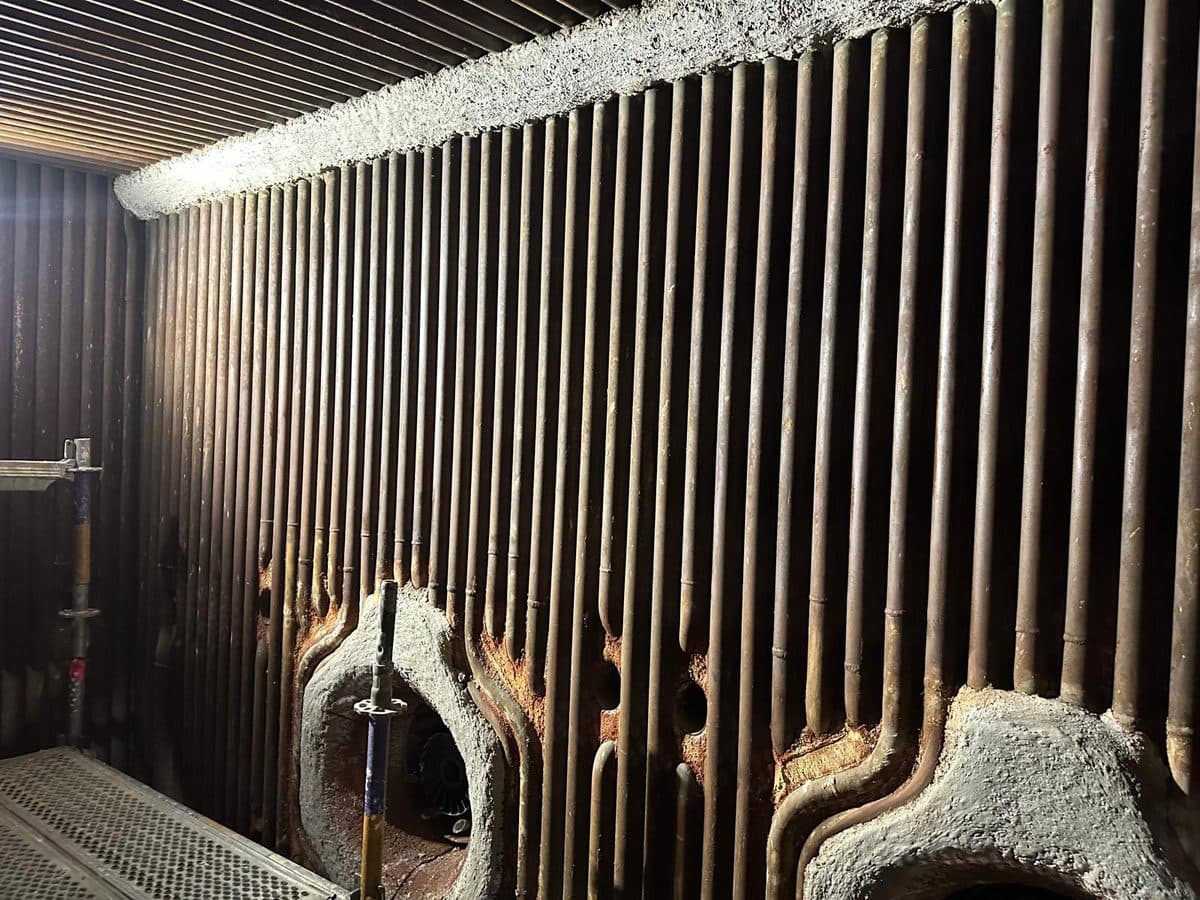
Protecting without blocking the heat: what matters when lining a boiler tube wall.

Only in the PDF7-point checklist for tube walls, the 3 typical mistakes, 2 photos from the boiler
To the article

More insights from our projects

New insights from the job site every week – damage patterns, relinings and practical refractory know-how.

Share this article on LinkedIn

Planning a project?

Whether complete relining, repair or emergency — free initial consultation and a fast response.

CallSend enquiry

Your privacy matters to us.

We use cookies and similar technologies to ensure that our website functions properly and to analyse how our content is used. In the settings you can choose which cookies you wish to allow. Privacy policy