PDFAll furnace typesRepair or reline? The three findings
When a targeted repair is enough, and the three findings where only a relining will hold.
In the steelworks the wear lining of the ladle is renewed every few months. Nobody sees the permanent lining behind it for years — and that is exactly what makes it dangerous.

A steel ladle has two refractory layers, and they have completely different jobs. The wear lining on the inside is a consumable: it stands in the steel, is attacked by the slag and is renewed after 80 to 150 heats. The permanent lining behind it is not meant to withstand anything at all — it is only meant to be there when the wear lining fails.
It buys time. If the wear lining breaks through at one point, liquid steel is not immediately up against the steel shell; first there is the second layer. That is minutes, not hours — but they are the minutes in which the ladle is taken out of circulation instead of breaking out. This is why the permanent lining is not a place to save money, but the part of the lining that, in an emergency, decides the difference between damage and an accident.
Someone sees the wear lining at every relining. Nobody sees the permanent lining as long as the wear lining stands in front of it. In many plants the inner layer is renewed for years without the layer behind it ever being assessed. It ages nonetheless: temperature changes, infiltration through joints, mechanical movement during tilting. And when everything is finally broken out after all, the surprise is a big one — and the shutdown longer than planned.
There is no fixed number of campaigns — the answer comes from the condition assessment, not from the calendar. Two observations argue for taking the second layer along: a residual thickness that has fallen below half of the as-new condition at the thinnest point, or a shell temperature that rises at the same spot across several measurements. Both can be recorded during ongoing operation and planned in good time, instead of being discovered during the shutdown.
Anyone who renews only the wear lining maintains the layer that is used up anyway — and relies on one they have not seen for years.
All PDFs on this page are free, without sign-up. If you want to know when a new sheet is added: one e-mail a month, unsubscribe anytime.
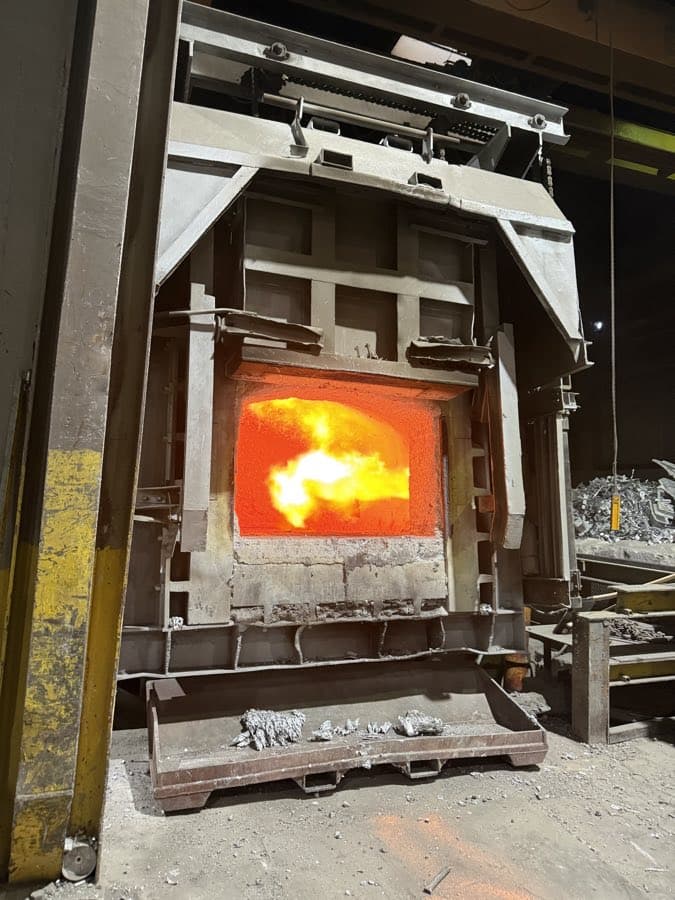
PDFAll furnace typesWhen a targeted repair is enough, and the three findings where only a relining will hold.
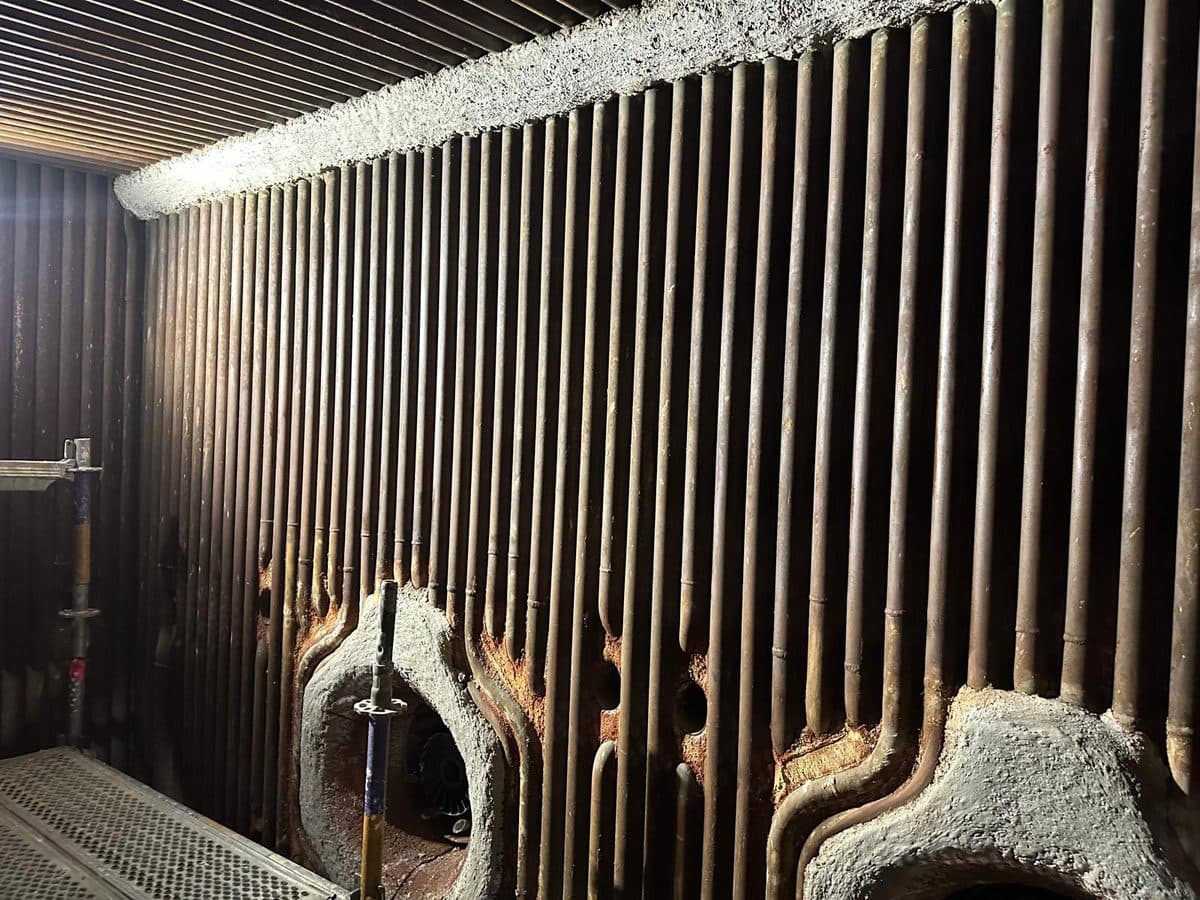
PDFEnergy & CombustionProtecting without blocking the heat: what matters when lining a boiler tube wall.
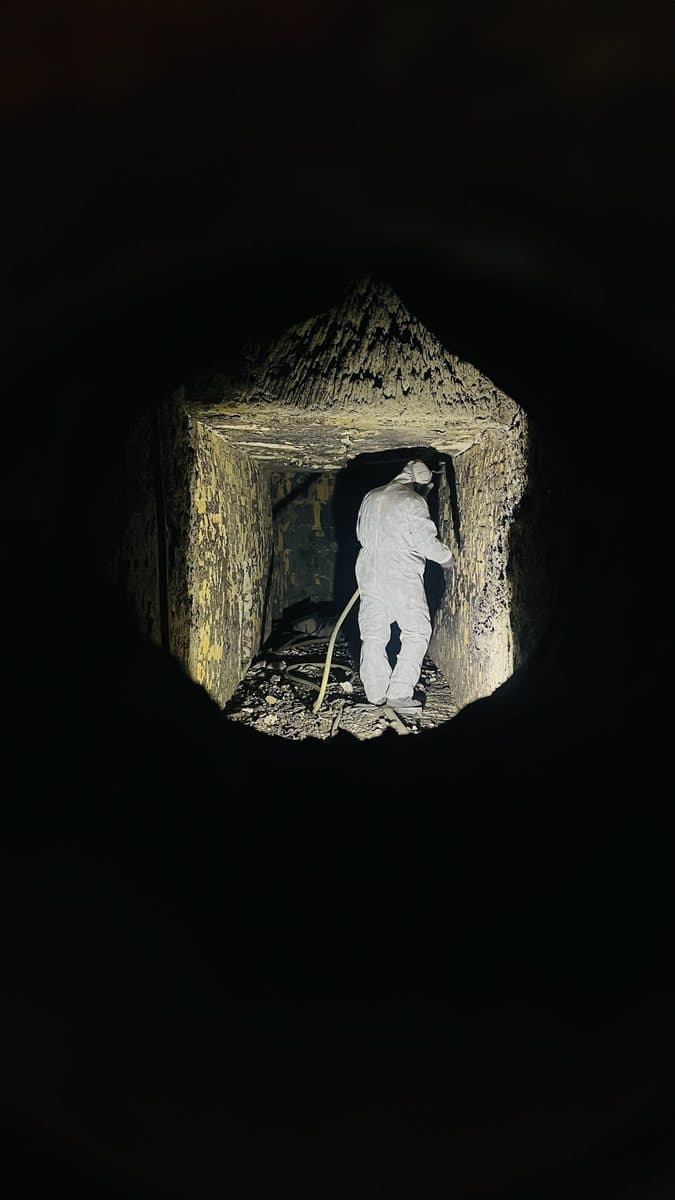
PDFAll plantsAccess, supervision, light and air: what is settled before anyone enters a furnace or boiler.
More insights from our projects
New insights from the job site every week – damage patterns, relinings and practical refractory know-how.
Whether complete relining, repair or emergency — free initial consultation and a fast response.
Your privacy matters to us.
We use cookies and similar technologies to ensure that our website functions properly and to analyse how our content is used. In the settings you can choose which cookies you wish to allow. Privacy policy