SBS Refractory Service
Refractory technology2 min

Acid protection in the chemical plant: why the joint decides corrosion protection

In a chemical plant, corrosion protection almost never fails because of the brick — it fails at the joint. Five points from more than 150 acid protection projects.

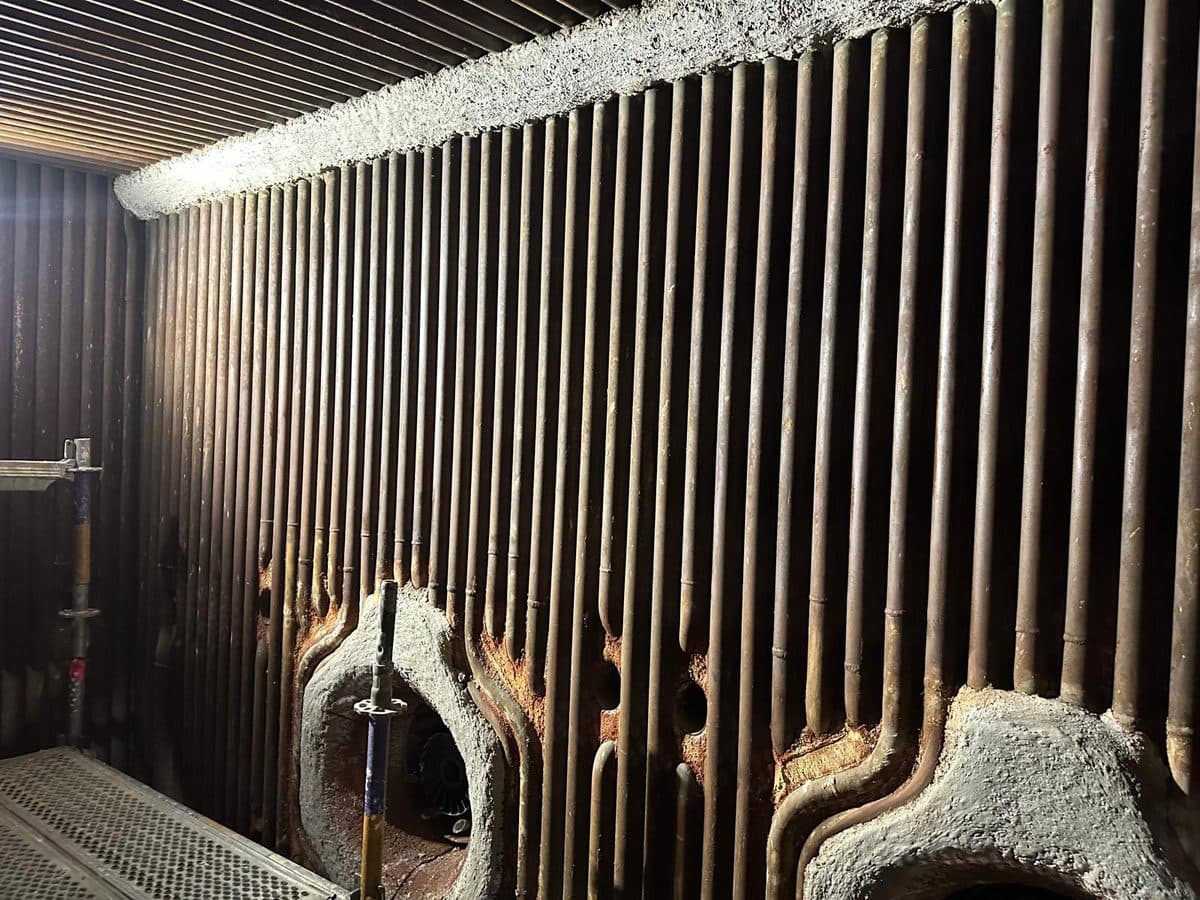
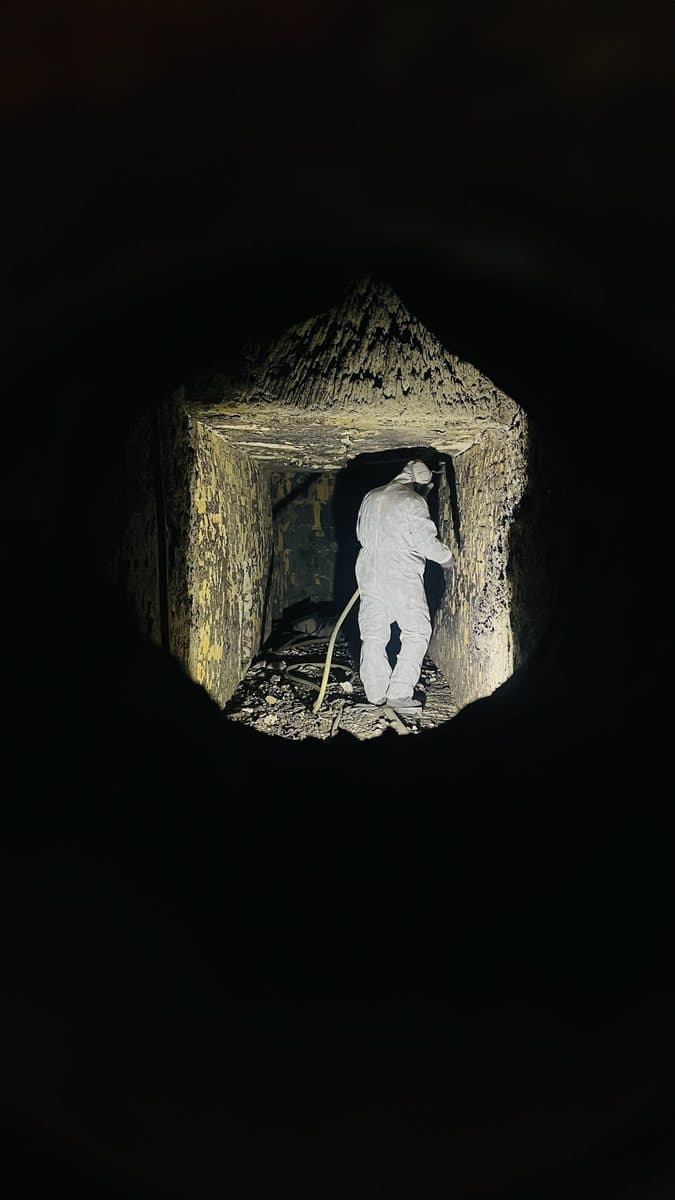
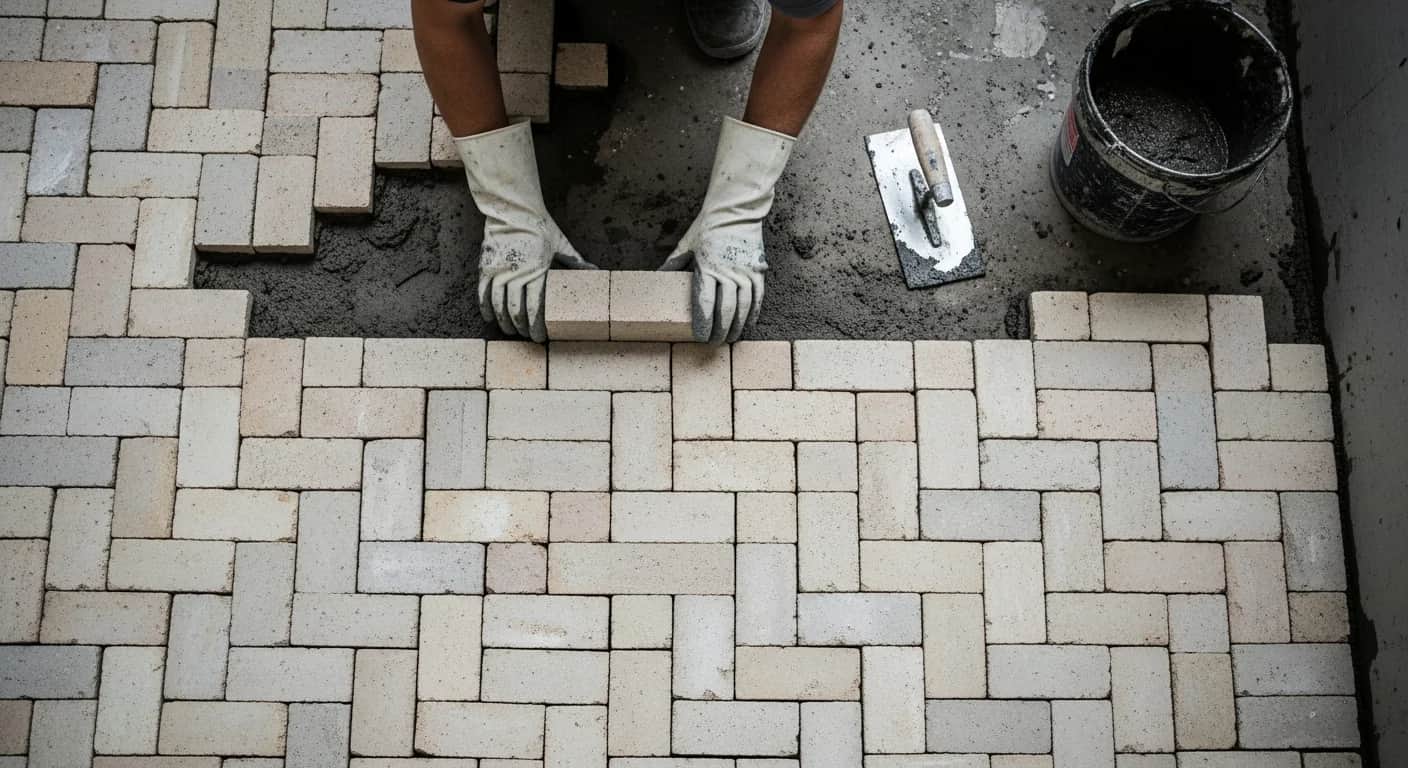
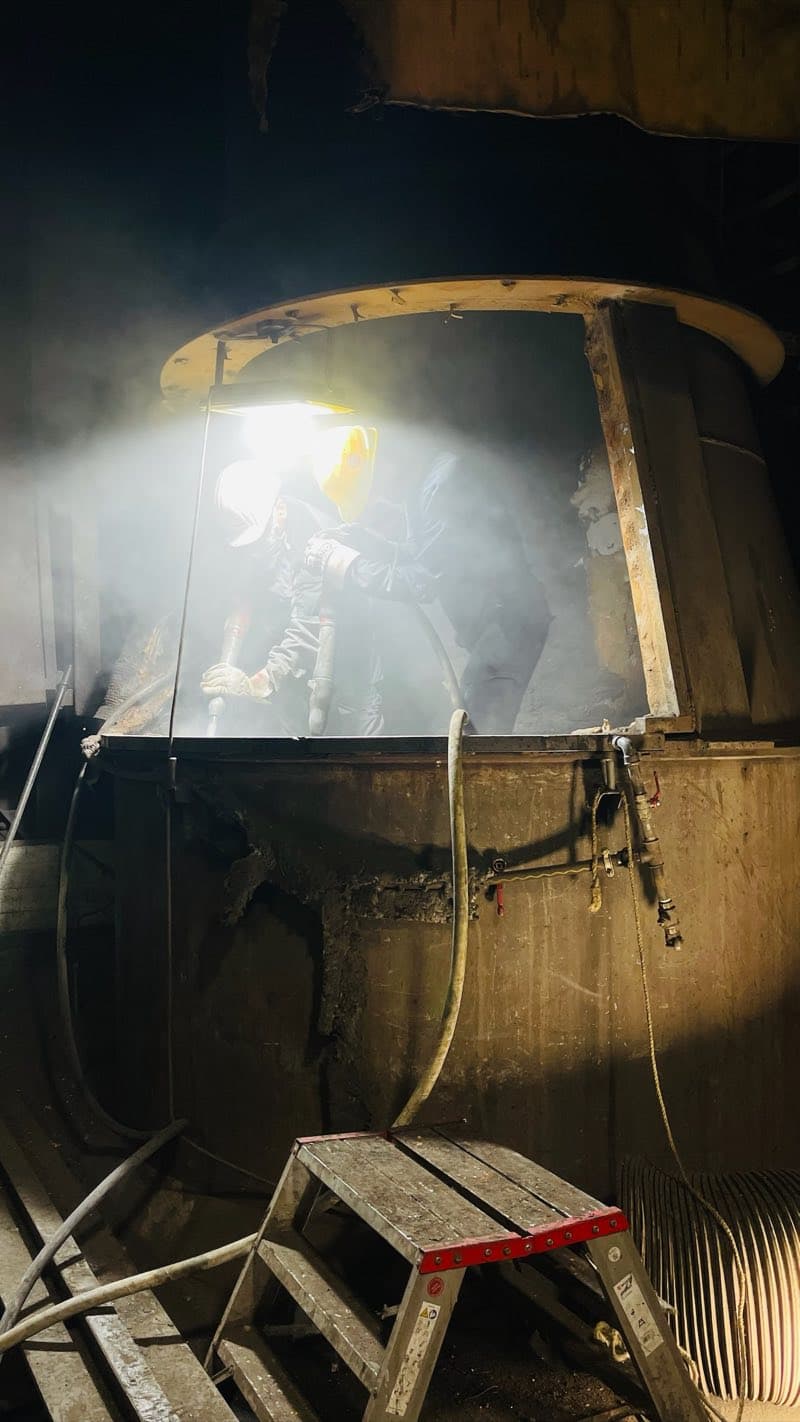
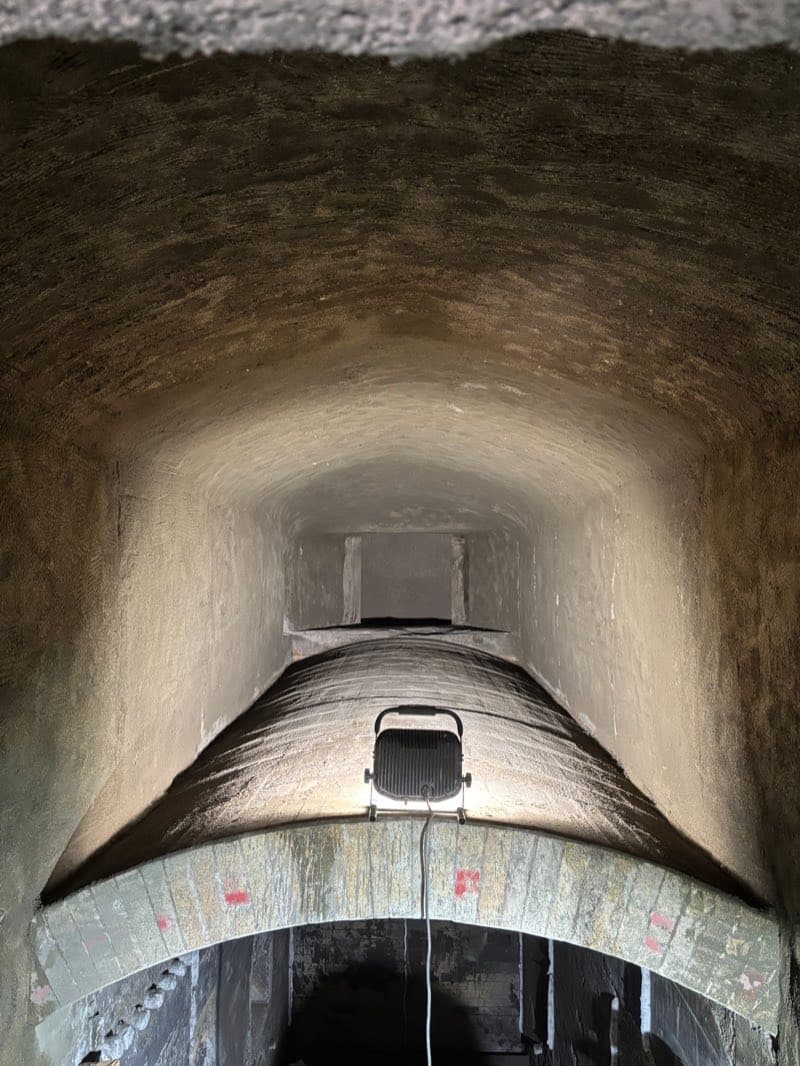
Acid-resistant lining of a vessel in chemical plant construction

In a chemical plant, corrosion protection almost never fails because of the brick — it fails at the joint. Sulphuric acid, hydrochloric acid, hydrofluoric acid, alkalis: wherever aggressive media are involved, the acid-resistant lining of vessels, bunding and off-gas scrubbers is not a detail but a matter of plant safety.

Five points from more than 150 acid protection projects

  • Media analysis first, then the material: concentration, temperature and exposure time determine whether acid-resistant bricks, chemically resistant mortars or special coatings are the right answer — we cover the entire spectrum from pH 0 to 14.
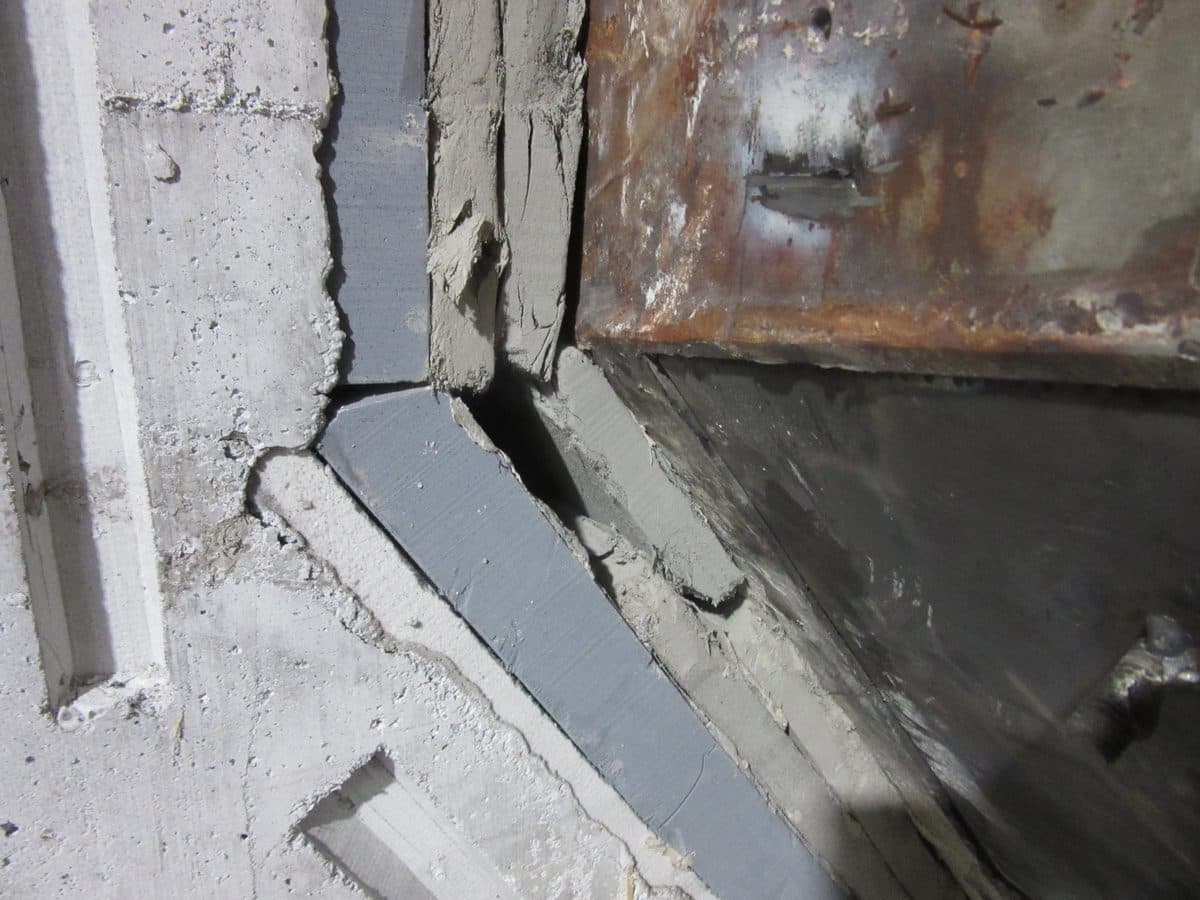
  • The joint is the weak point: leaking joints are the most frequent cause of damage in acid protection linings, not the material. Here it is the quality of the workmanship that decides.
  • Build in compliance with the WHG (the German Federal Water Act): for bunding and substances hazardous to water, tightness and complete documentation are required by law.
  • Prove tightness, do not claim it: spark testing, water level testing or pressure testing — with a test record as evidence for authorities and insurers.
  • Think structurally as well: a change to the construction often improves protection more than the most expensive material.

The result: plants that withstand chemical attack permanently — and pass the audit.

At a glance
pH 0–14
spectrum covered by acid-resistant linings
150+
acid protection projects

Planning a project?

Whether complete relining, repair or emergency — free initial consultation and a fast response.