
SBS Refractory Service
Inspect and maintain3 min

What can be done without shutting down

Not every refractory job needs a cold furnace. Part of the care takes place while the plant is running — and anyone who knows which part pushes fewer jobs into the next standstill.

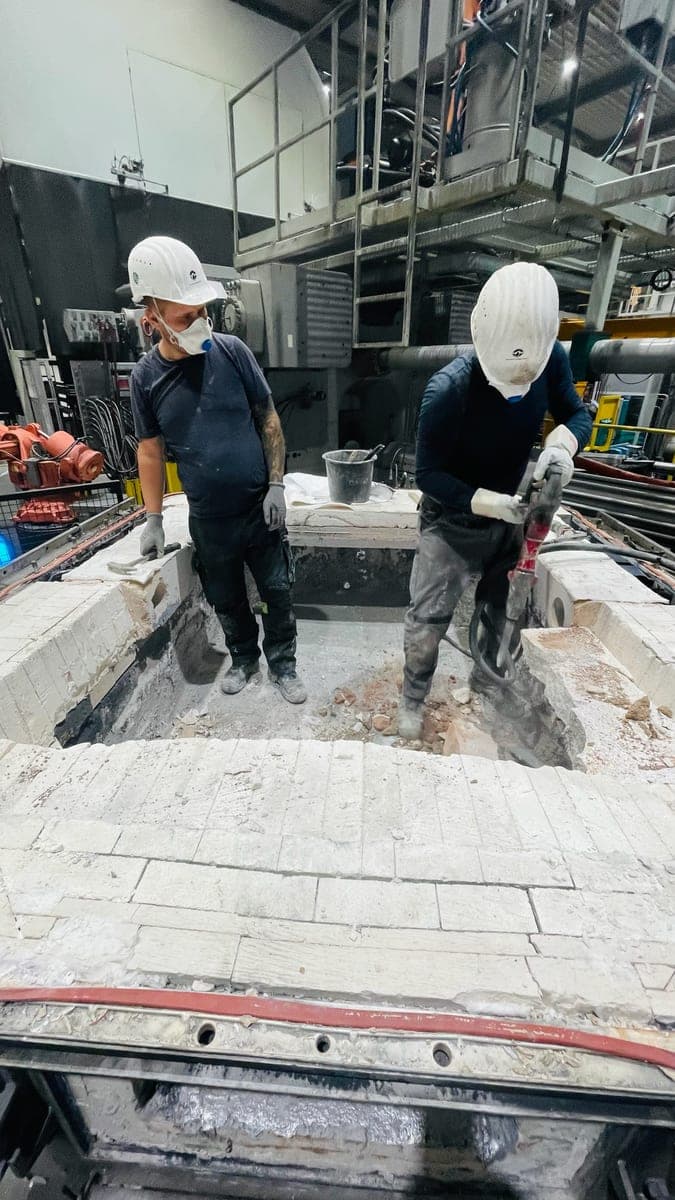
Refractory work on a plant while operations continue alongside

The question in the maintenance meeting is almost always: when is the furnace down? From that follows a list that grows until the standstill — and on the day of the standstill it is longer than the time window.

Part of that list does not need to be there at all. Not everything needs a cold furnace, and some things are actually better done during operation, because you can see what happens in operation.

What works during operation

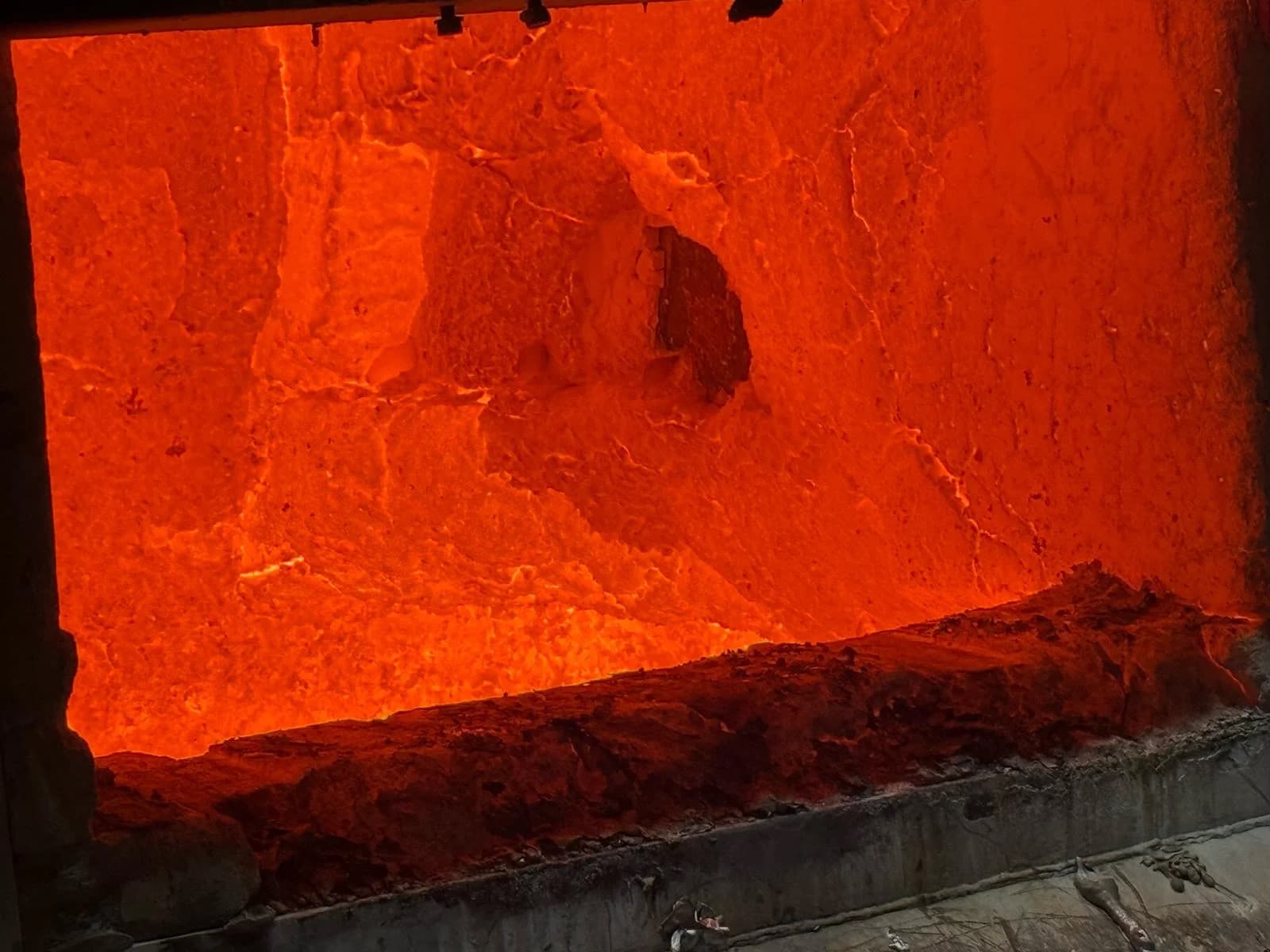
  • Measuring shell temperature. Only meaningful during operation. Thermography on a cold furnace shows nothing; on a hot one it shows missing insulation, damp areas and break-throughs before they become visible from outside.
  • Repairing external components. Anchor plates, door frames, cladding, sealing faces — everything accessible from outside that does not require an opening.
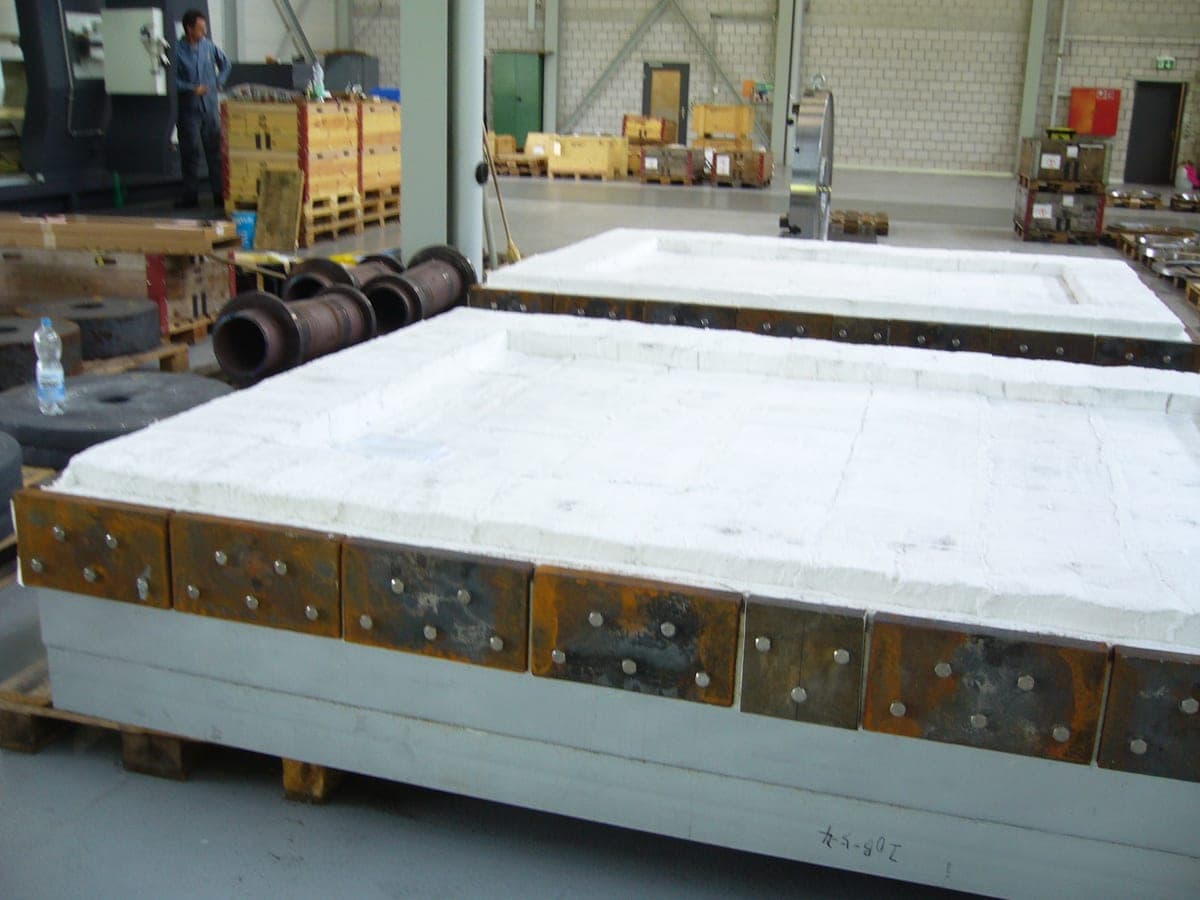
  • Prefabrication. Lids, segments, shaped parts and components are made in the workshop while the plant runs. On the day of the standstill they are only swapped in.
  • Checking measuring points. Thermocouples, sight glasses, seals at penetrations. One point measuring incorrectly distorts the way the furnace is run for the whole campaign.
  • Scheduling material and crew. Special masses and bricks in particular grades have a lead time. Ordering them only after the inspection extends the standstill by weeks.

Every hour moved out of the standstill is worth twice as much: it relieves the tightest time window of the year and it happens under better conditions.

What does not work — and why

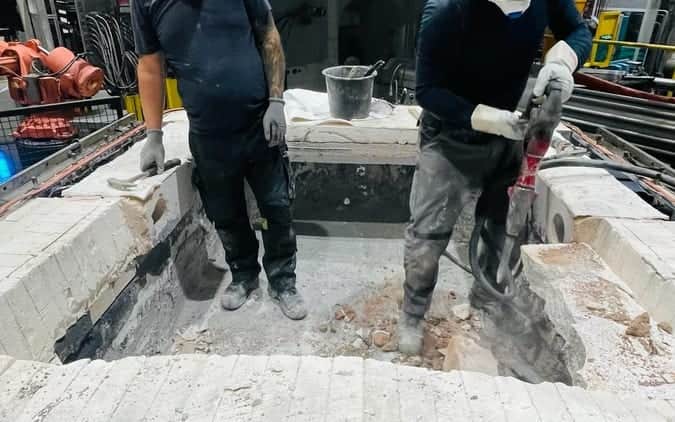
Fenced-off working area on a plant in operation

Anything that needs a bond to the hot face needs a cold face. Castable sets chemically; on a warm substrate the mixing water evaporates before the reaction is complete. A repair made that way lasts until the first cycle.

Nor can a load-bearing layer be replaced during operation. What bears load bears it when hot too — and it is removed precisely when the furnace is empty and cold.

Preparation determines access

Working during operation means there is a neighbouring area that is producing. The effort is not in the refractory work but in the separation — access, fall protection, heat protection, escape routes, coordination with the shift crew.

Treat that as a formality and you lose the time you wanted to save. Set it out properly once and the same framework can be reused for every further job.

The practical dividing line

It is worth splitting the maintenance list into two columns once: needs cold, does not need cold. Experience shows that more moves into the second column than expected — and the standstill becomes plannable instead of always being too short.

At a glance
5
Jobs that work without shutting down
hot
Thermography is only meaningful during operation
2 columns
needs cold / does not need cold

Practice sheets on this topic

Technical newsletter

Get new practice sheets automatically

All PDFs on this page are free, without sign-up. If you want to know when a new sheet is added: one e-mail a month, unsubscribe anytime.

Refractory work during ongoing operation: The preparation
PDFAll plants

Refractory work during ongoing operation: The preparation

Dust, removal, noise, cleanliness: what has to be settled before the first blow is struck.

Only in the PDF6-point checklist before work starts, the 3 typical disruptions, 2 photos
To the article
Repair or reline? The three findings
PDFAll furnace types

Repair or reline? The three findings

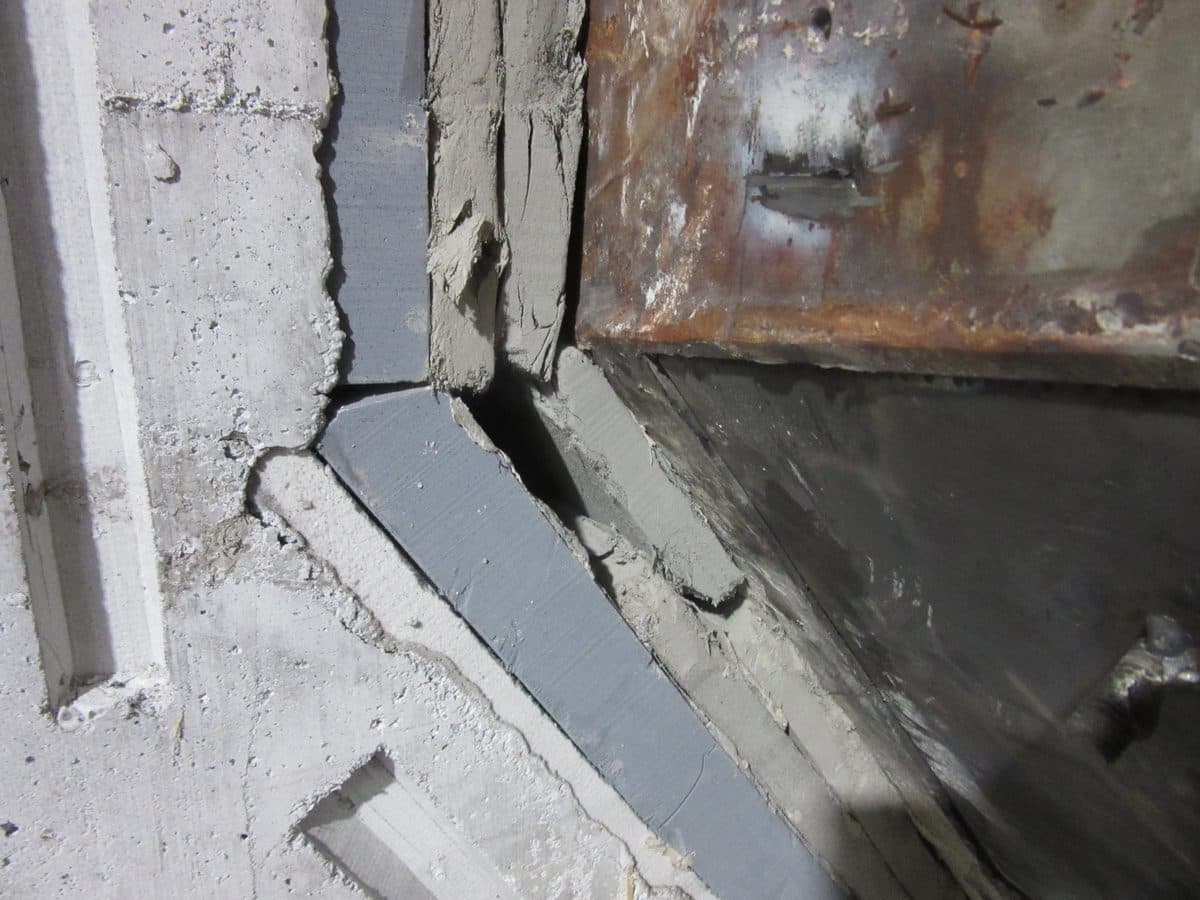
When a targeted repair is enough, and the three findings where only a relining will hold.

Only in the PDFDecision table with 6 findings, the 3 typical wrong decisions, 2 photos from a relining
To the article
Refractory on the tube wall: The inspection points
PDFEnergy & Combustion

Refractory on the tube wall: The inspection points

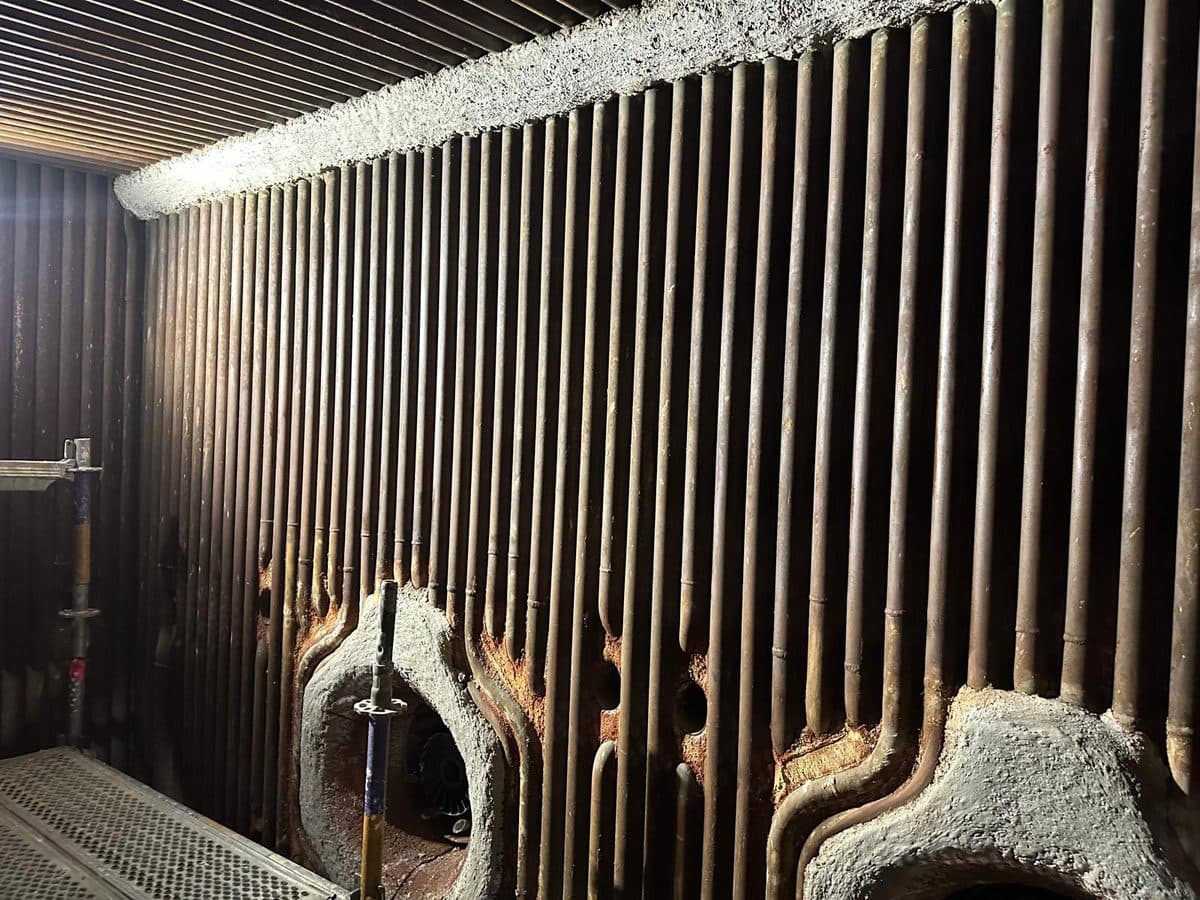
Protecting without blocking the heat: what matters when lining a boiler tube wall.

Only in the PDF7-point checklist for tube walls, the 3 typical mistakes, 2 photos from the boiler
To the article

More insights from our projects

New insights from the job site every week – damage patterns, relinings and practical refractory know-how.

Share this article on LinkedIn

Planning a project?

Whether complete relining, repair or emergency — free initial consultation and a fast response.

CallSend enquiry

Your privacy matters to us.

We use cookies and similar technologies to ensure that our website functions properly and to analyse how our content is used. In the settings you can choose which cookies you wish to allow. Privacy policy