Overhauling a low-pressure die casting furnace: when the general overhaul is the better investment
A low-pressure die casting furnace is a refractory-lined pressure vessel — and it can be fully reconditioned instead of replaced. What counts technically during the overhaul.

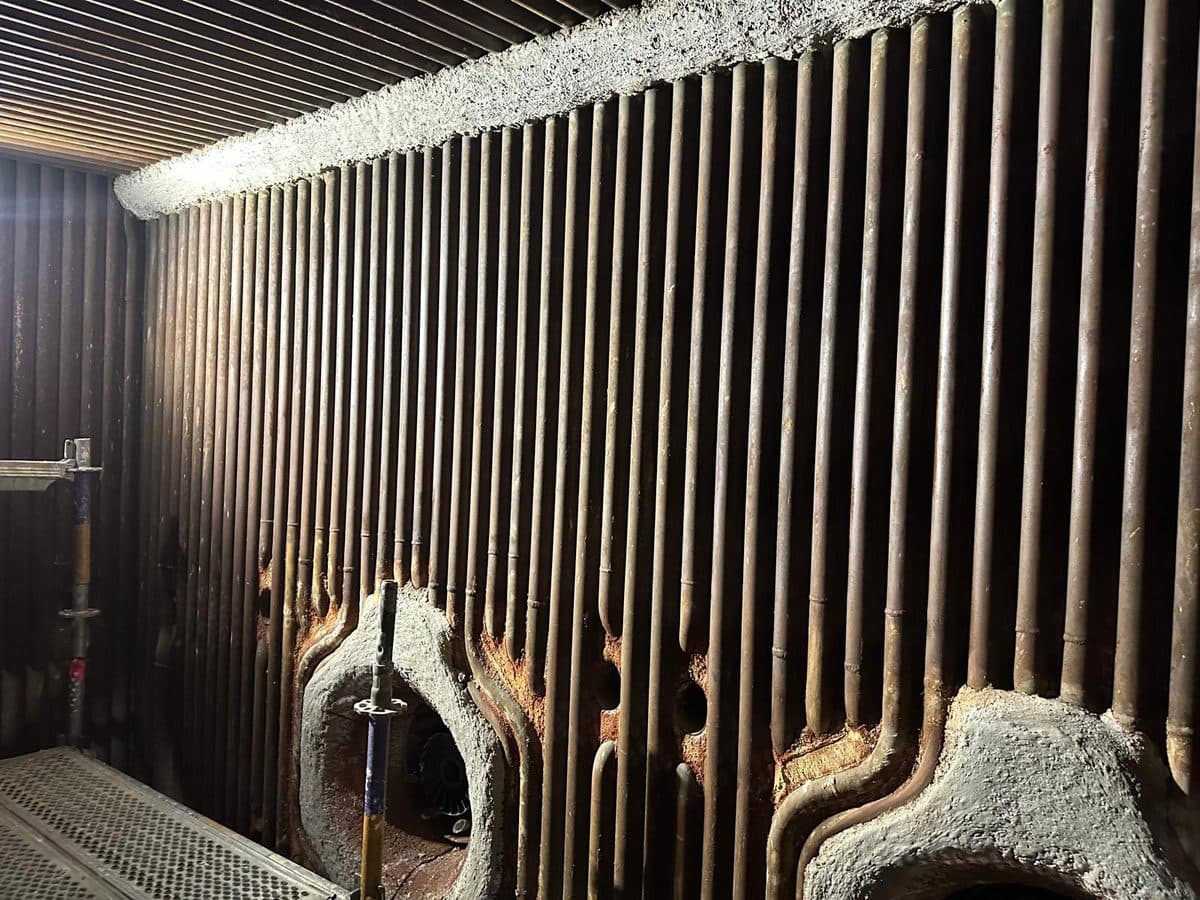
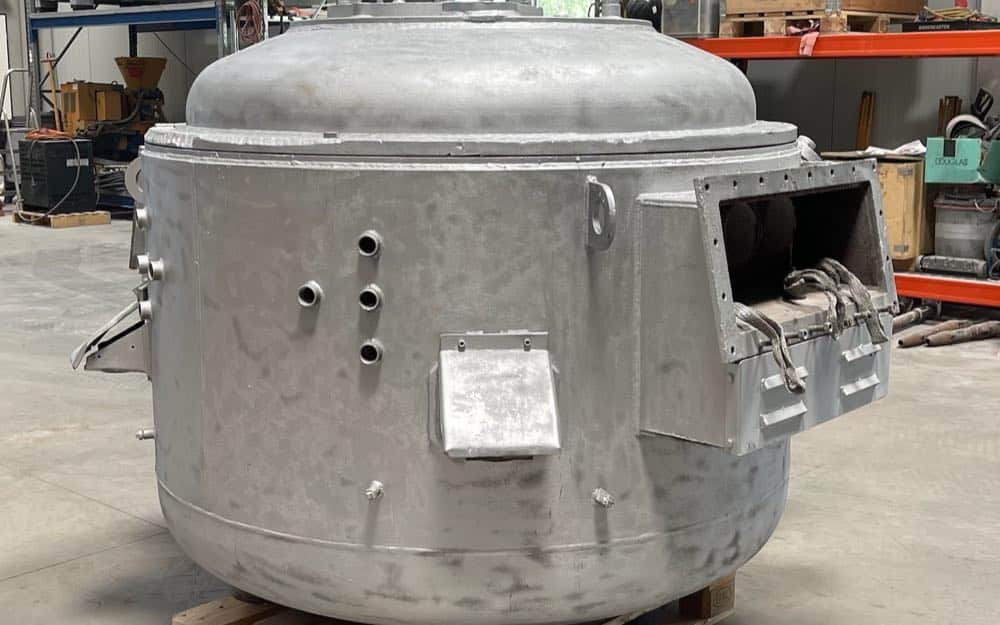
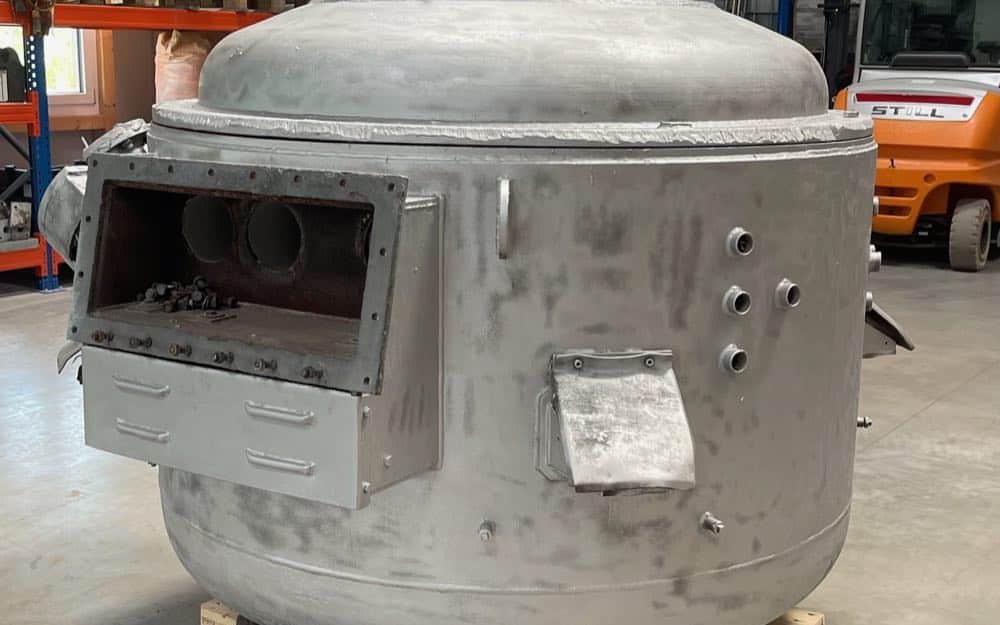
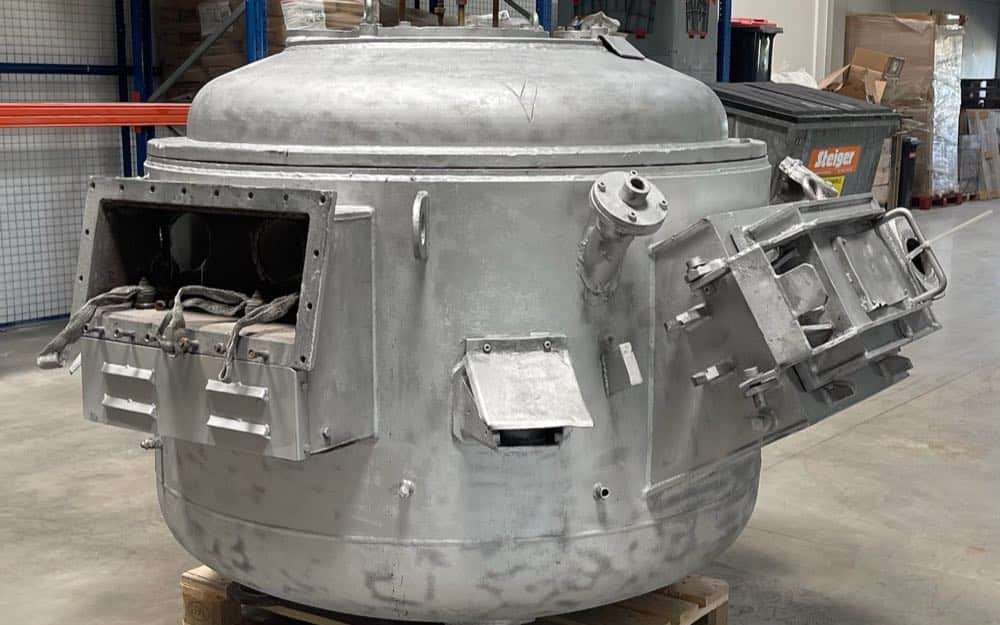
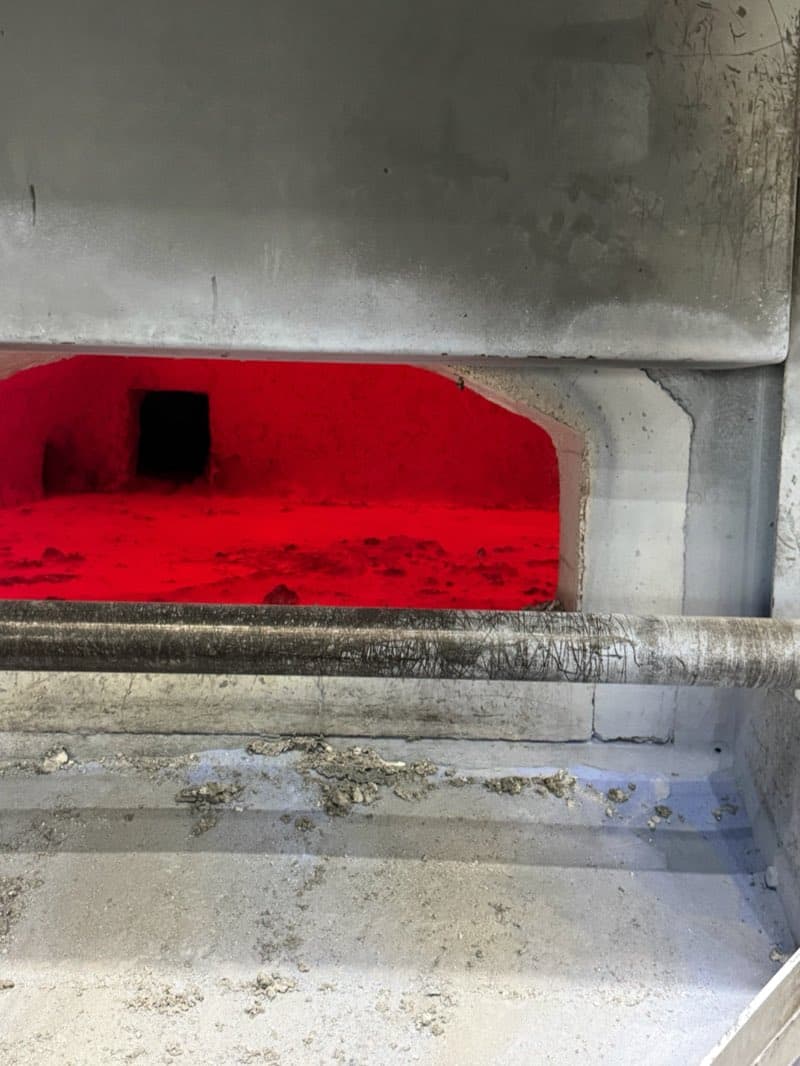
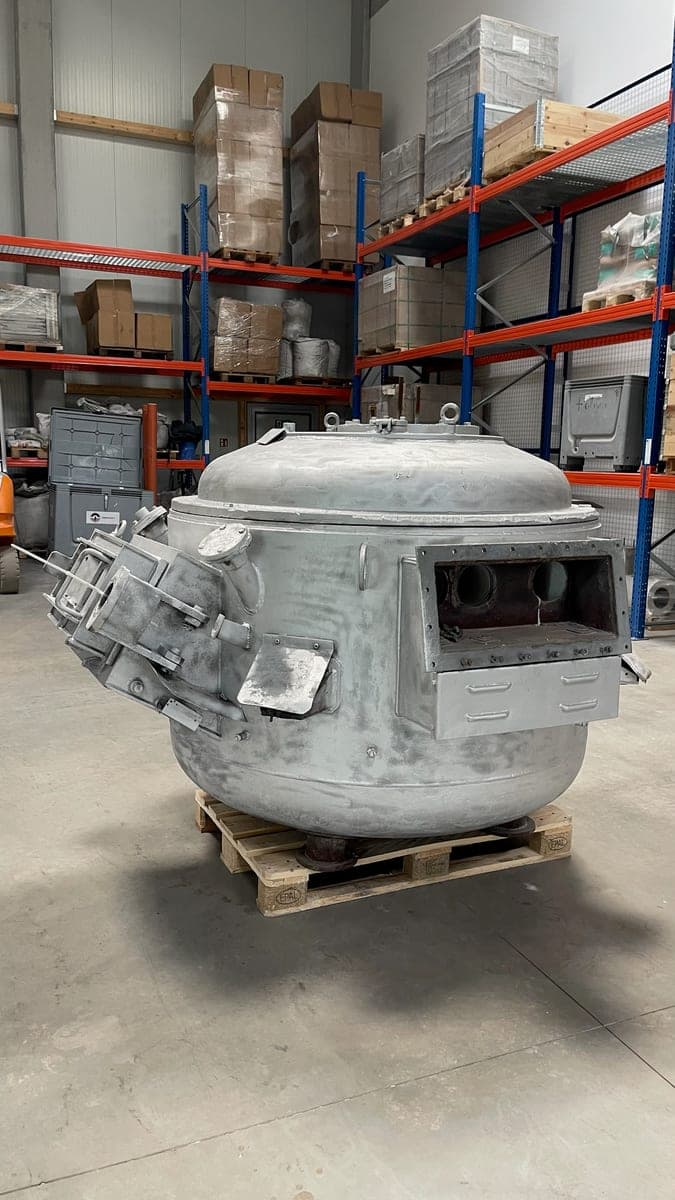
A second life for industrial plant is more than a repair. This low-pressure die casting furnace went through a complete reconditioning process — from collection at the customer's site to the return of a comprehensively overhauled unit. The aim is not a cosmetic refresh, but restored reliability and a lastingly extended lifespan.
How a low-pressure die casting furnace works
Unlike a melting or holding furnace, a low-pressure die casting furnace (LPDC) is a closed pressure vessel. A slight gas overpressure of around 0.2 to 0.7 bar is built up above the aluminium bath. This pressure forces the melt upwards from below in a controlled manner through a riser tube and into the die — with few bubbles and precisely metered. It is exactly this design that places particular demands on the refractory lining: it has to withstand the aluminium and at the same time form part of a leak-tight pressure system.

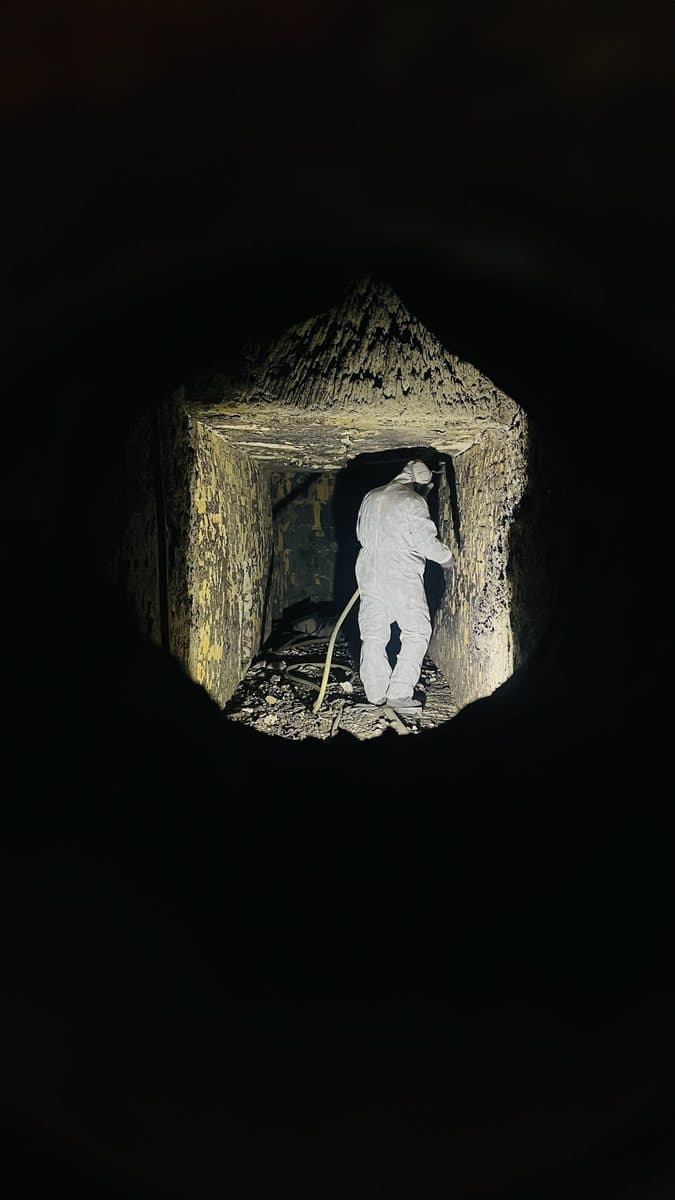
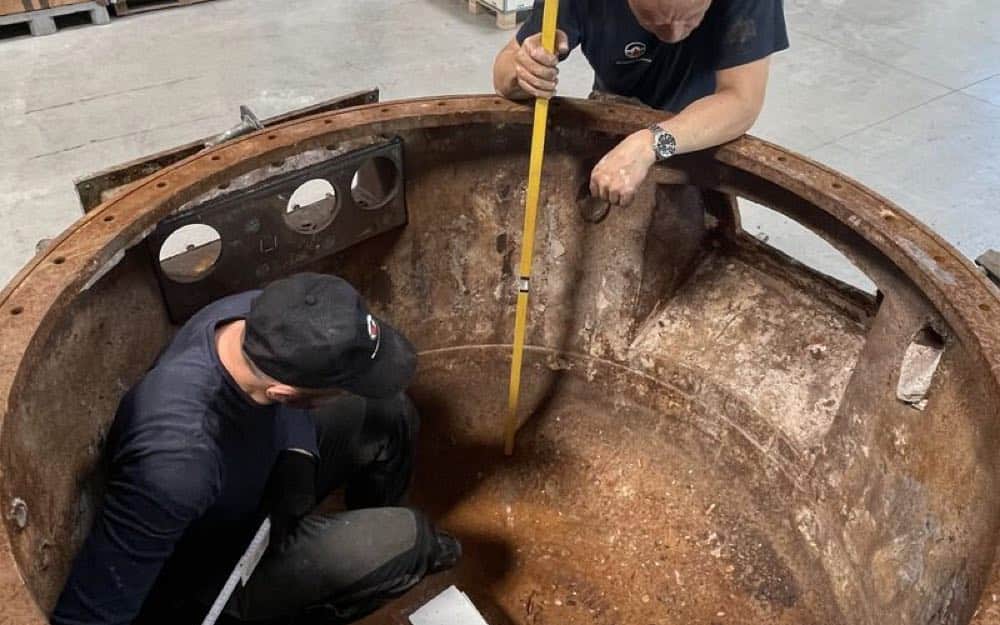
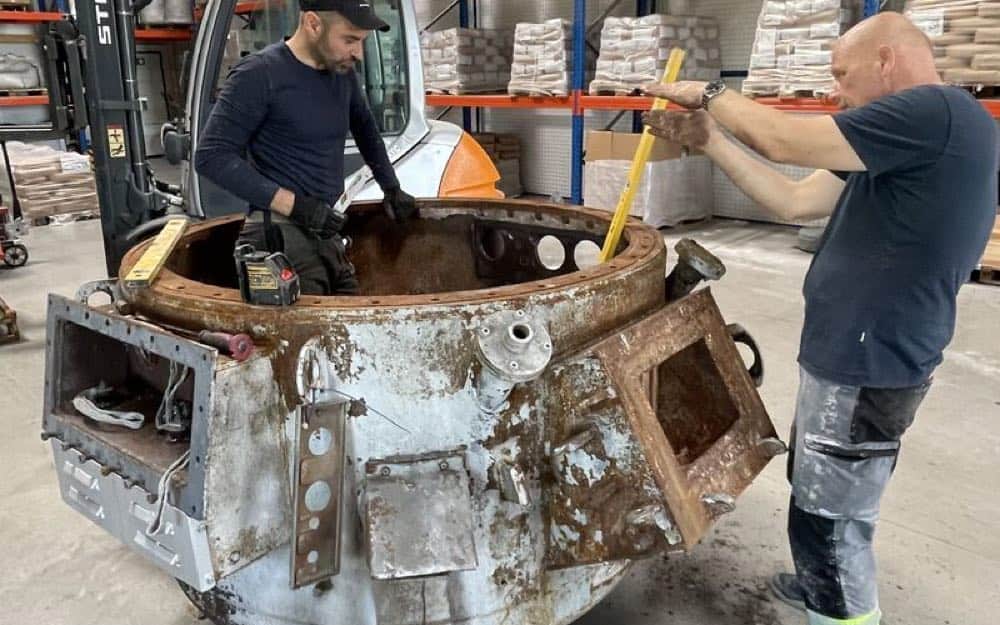
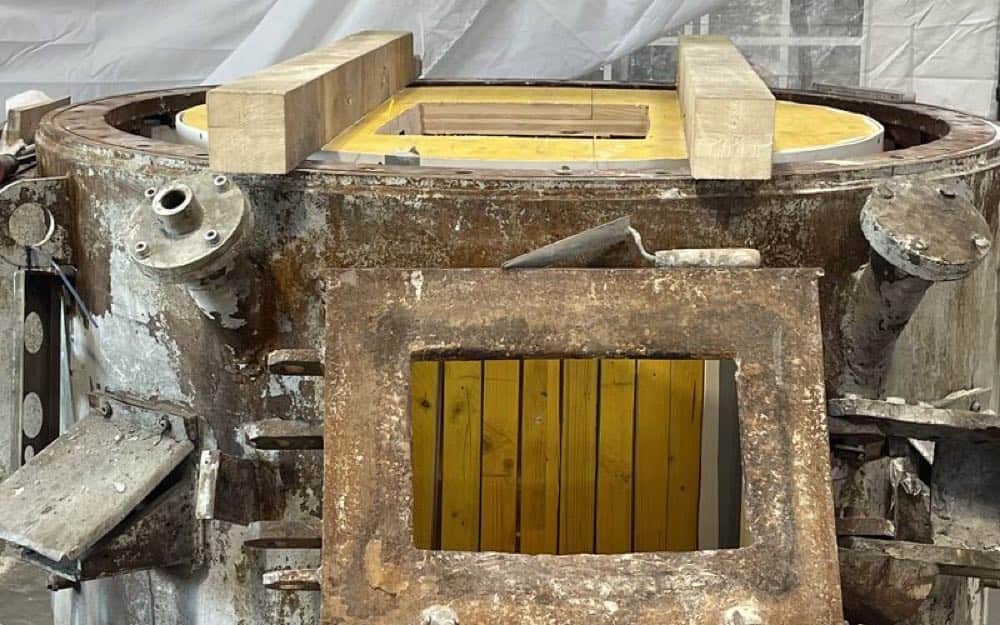
How our fitters go about it


What matters during the overhaul
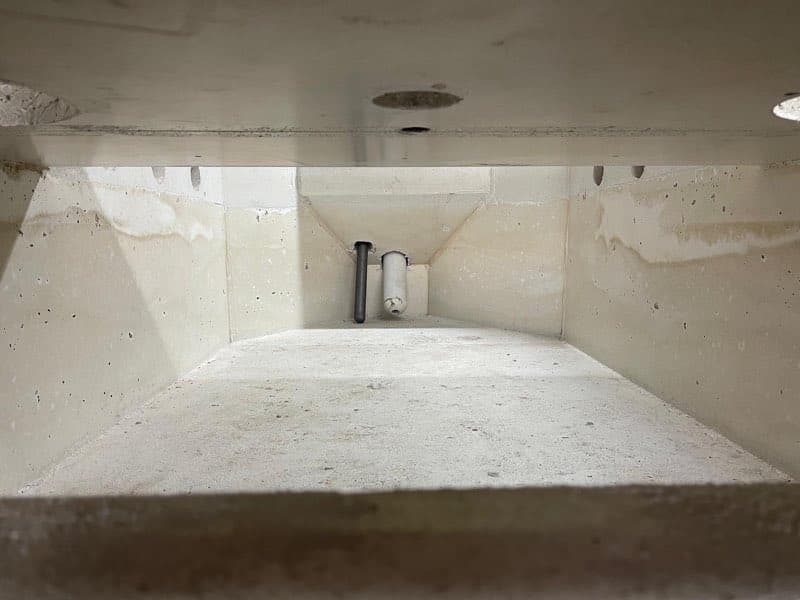
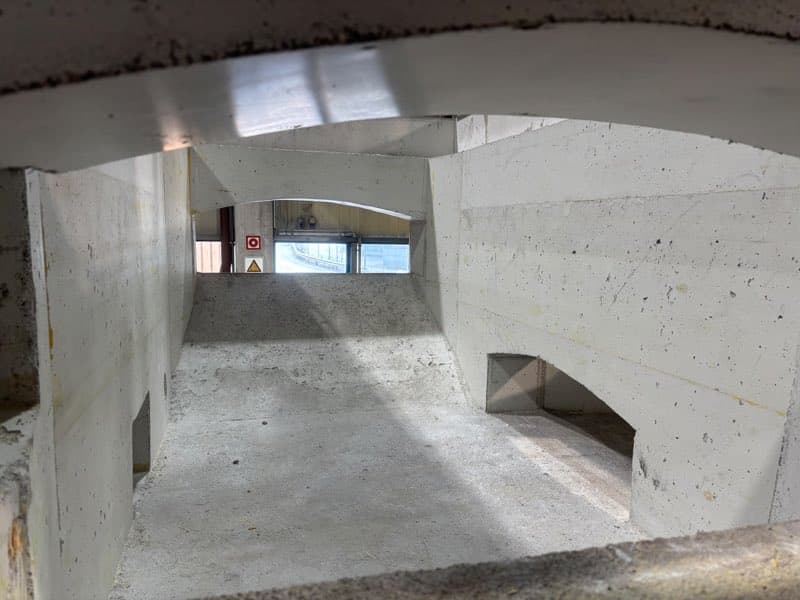
- Bath lining: non-wetting, corundum-resistant materials prevent liquid aluminium from infiltrating and corundum from closing up the cross-section — the basis for service life and melt cleanliness.
- Riser tube and tube seat: the riser tube is the most heavily loaded component. The seat and connection have to be dimensionally accurate and tight so that metering remains reproducible.
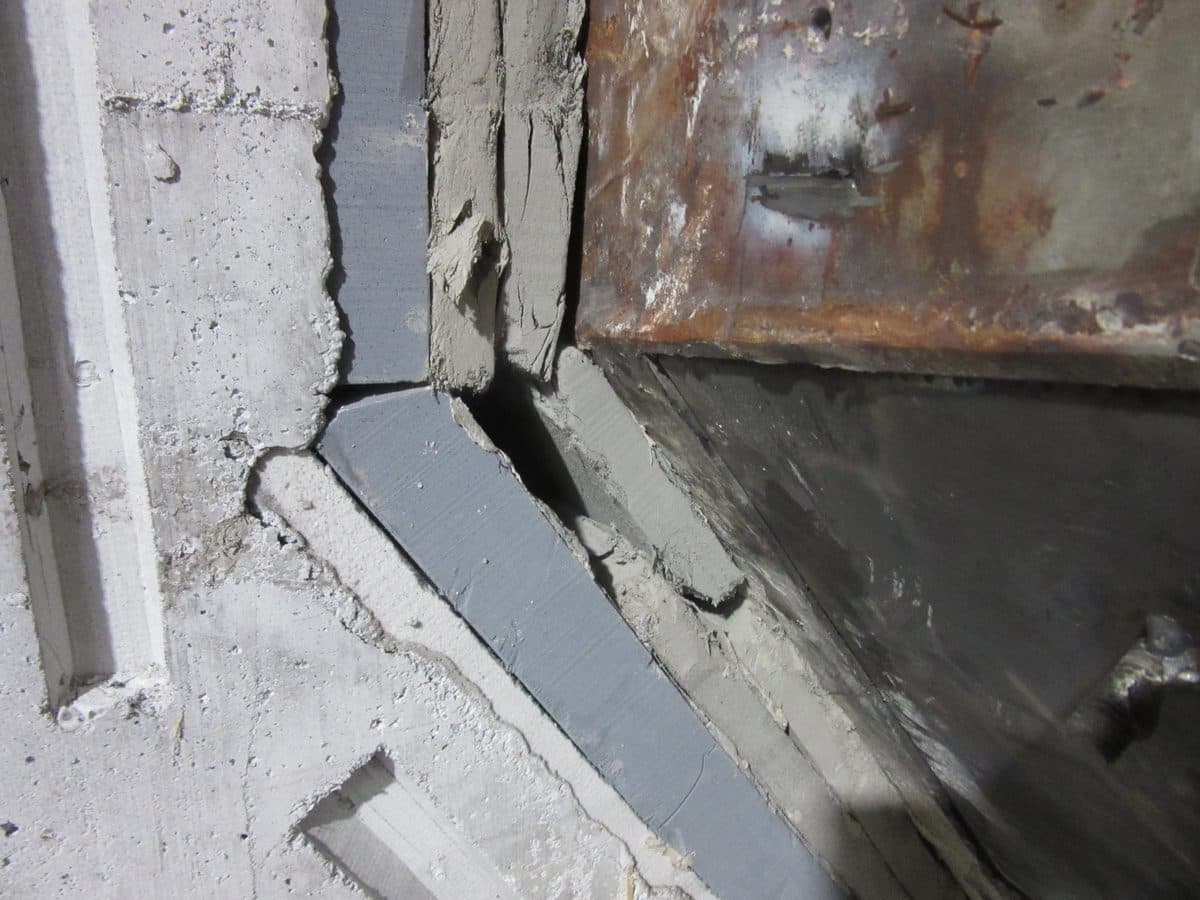
- Pressure tightness: as a pressure vessel, the furnace has to remain gas-tight at the lid, the penetrations and the sealing faces — one leak costs metering accuracy and process reliability.
- Dimensional accuracy: the geometry of the bath, riser tube and lid directly determines casting quality. Millimetres count here.
- Controlled first heat-up: after relining, bound water only escapes safely from the structure along a defined heat-up curve with holding stages.

General overhaul instead of buying new
A fully reconditioned furnace achieves the reliability of a new unit — at a fraction of the investment and with a considerably shorter procurement time. Final assembly and commissioning at the customer's site are no longer part of refractory construction, but of the final installation of the plant.
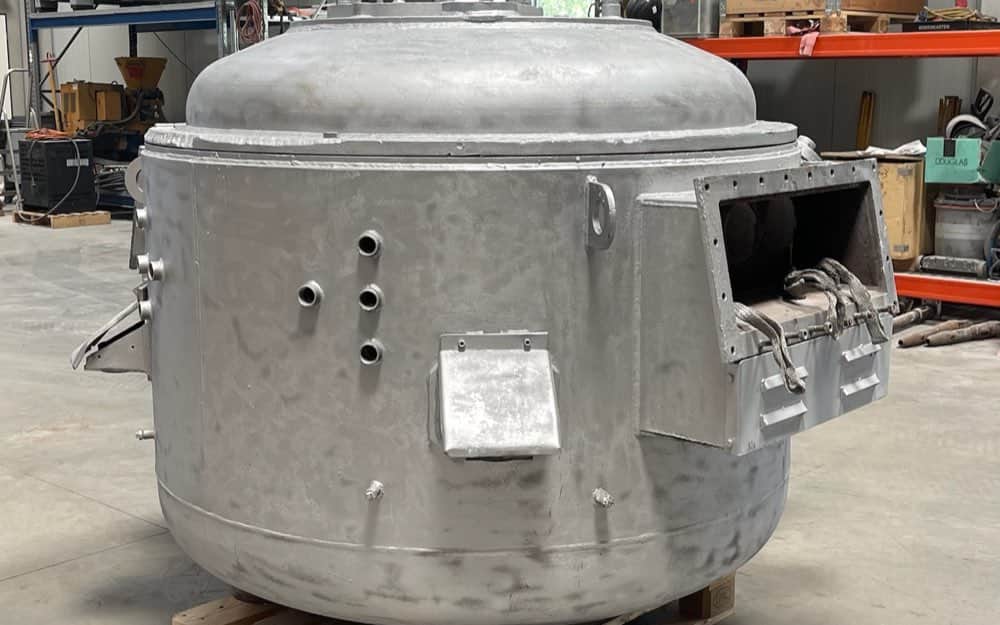
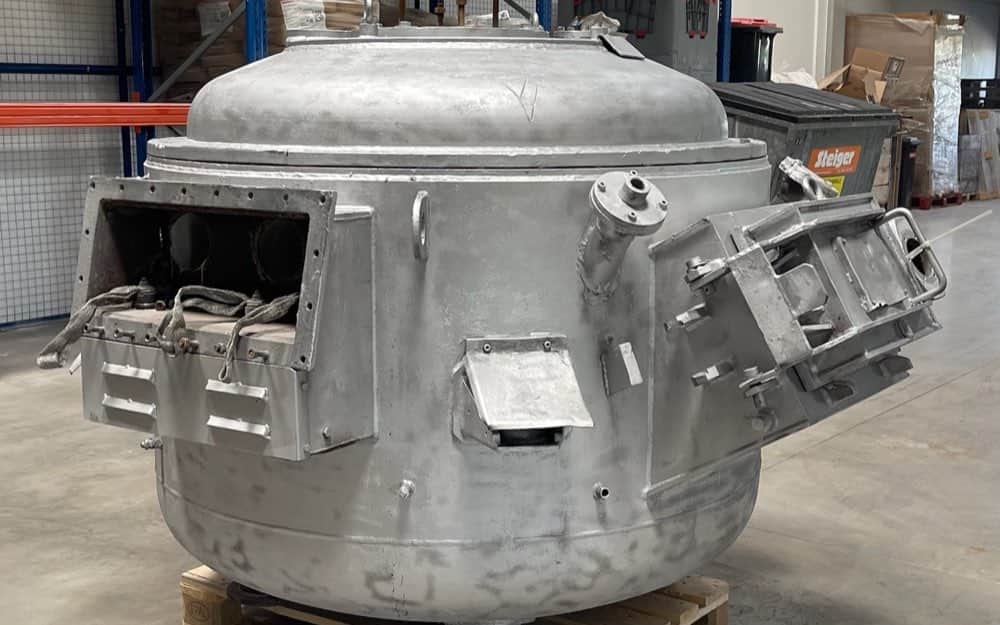
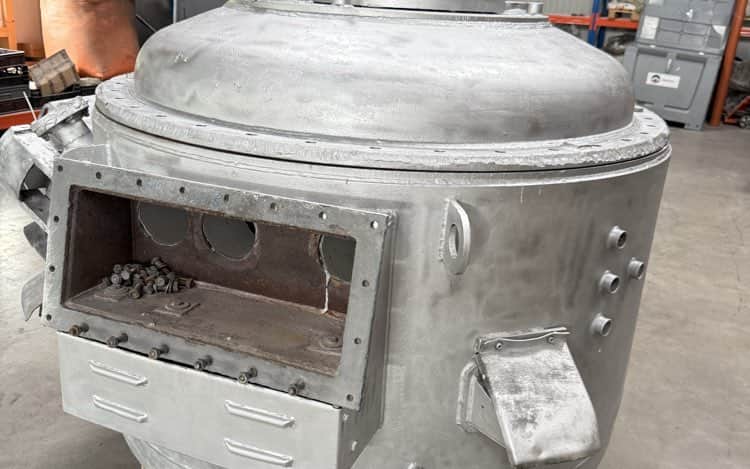
The overhauled unit


Every project of this kind calls for technical expertise, precision and attention to every detail — with the result of a unit that will be in reliable service for many years to come.
Related articles
Planning a project?
Whether complete relining, repair or emergency — free initial consultation and a fast response.