PDFAluminium & non-ferrous metalsMechanical wear: The three points of attack
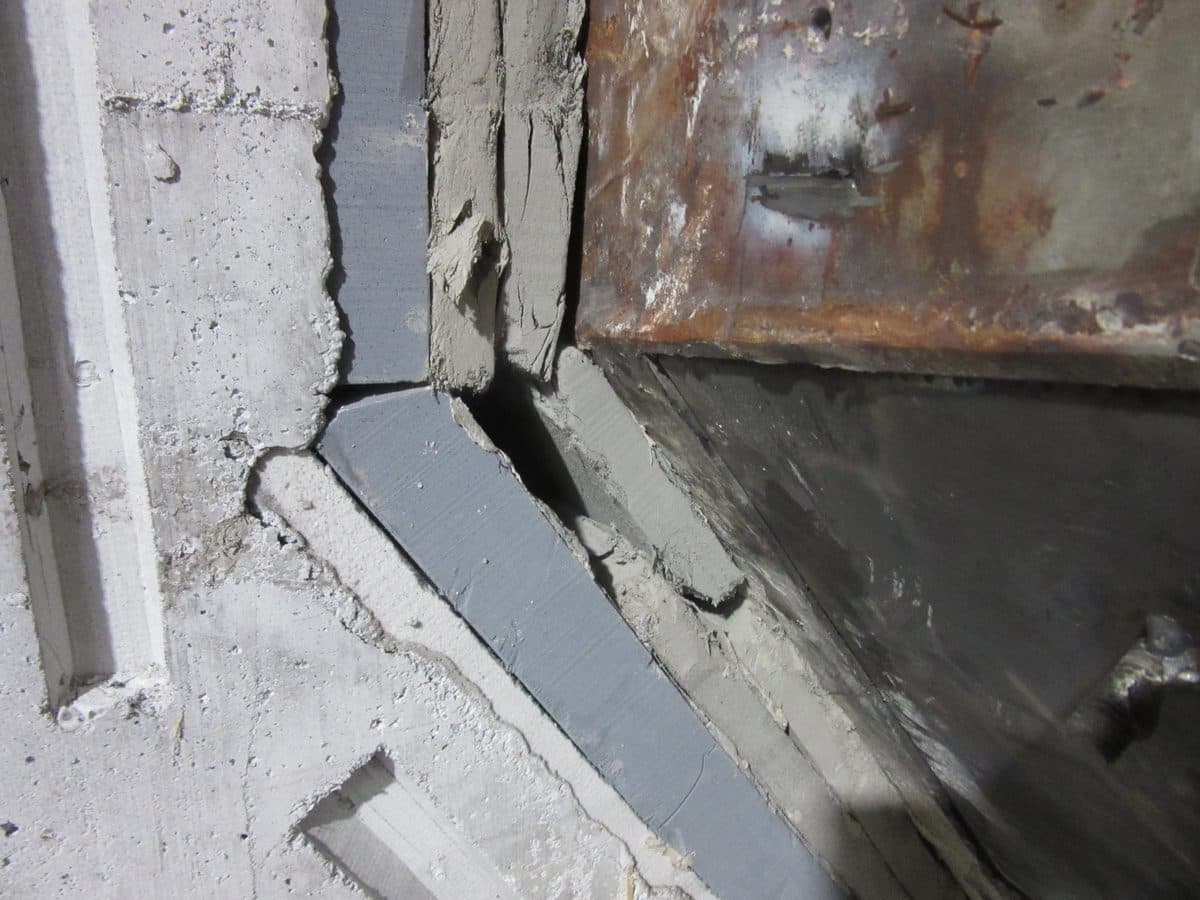
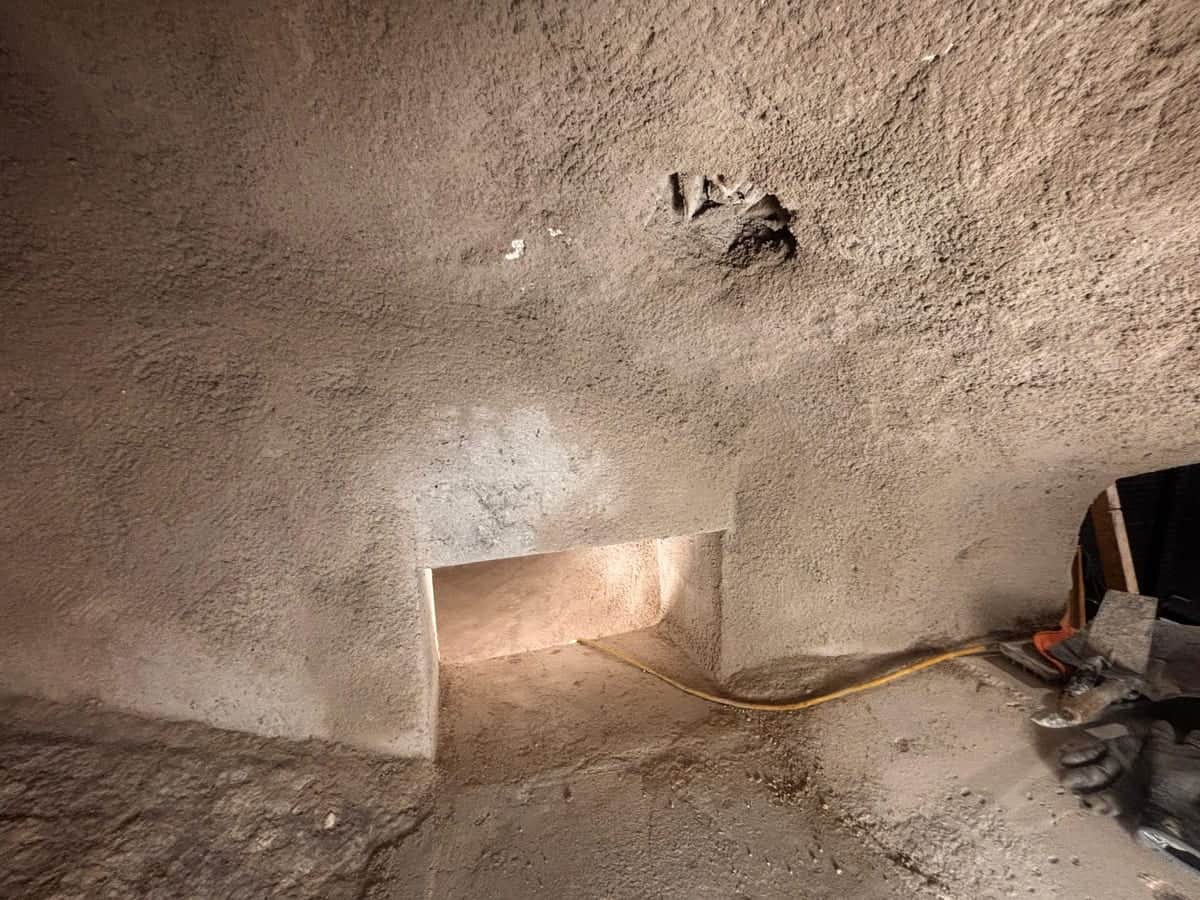
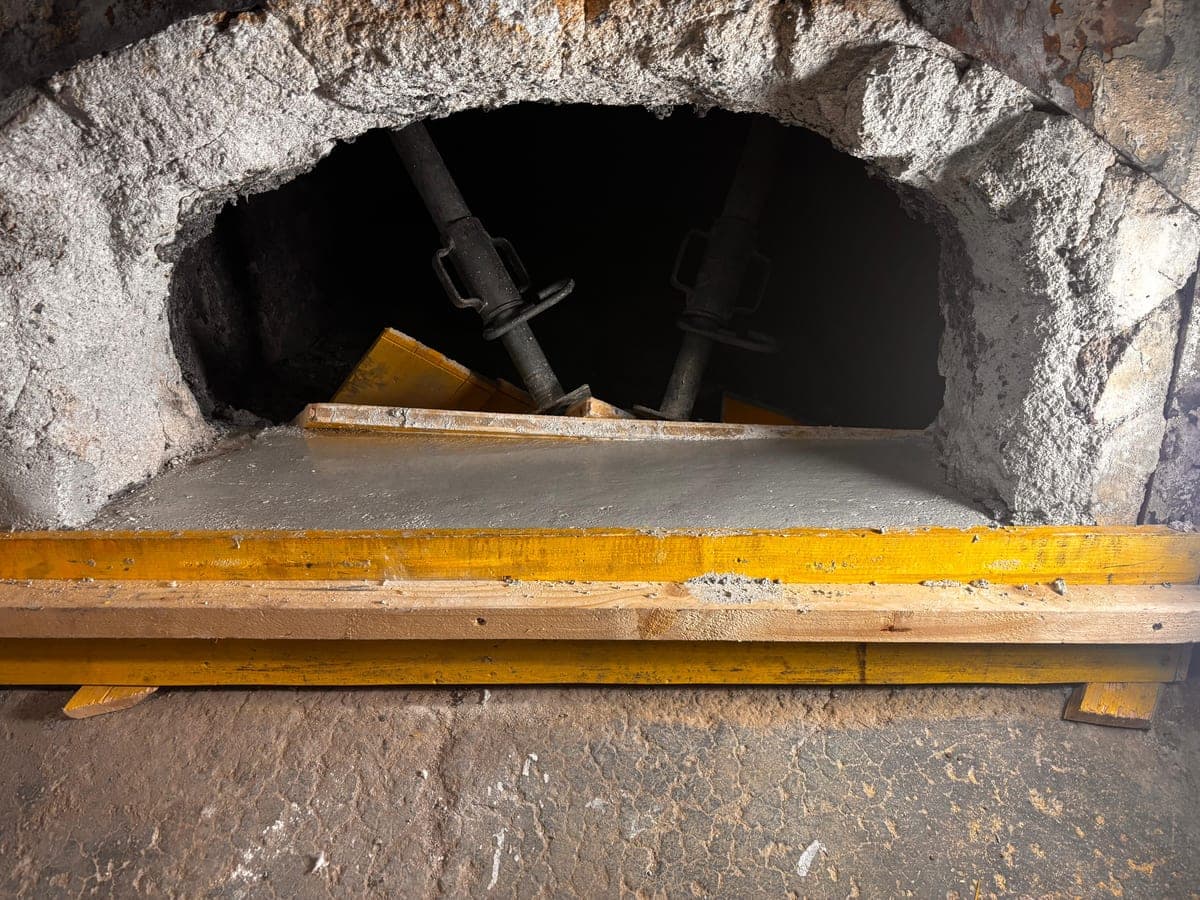
Angular spalling instead of even wear: where the lining wears mechanically.
Not every form of damage comes from the heat. A considerable share is created during charging, cleaning and tool use — and that is precisely the share that can be reduced without a single euro of material.

When a furnace is inspected, thermal causes are almost always looked for first: thermal shock, infiltration, chemical attack. That is correct — and it regularly overlooks the simplest cause.
Part of the damage is impact damage. It looks different from thermal wear, and it occurs in different places.
A fresh, light-coloured fracture edge in an otherwise darkly coated wall is not wear. It is an event — and the event has a date and a shift.

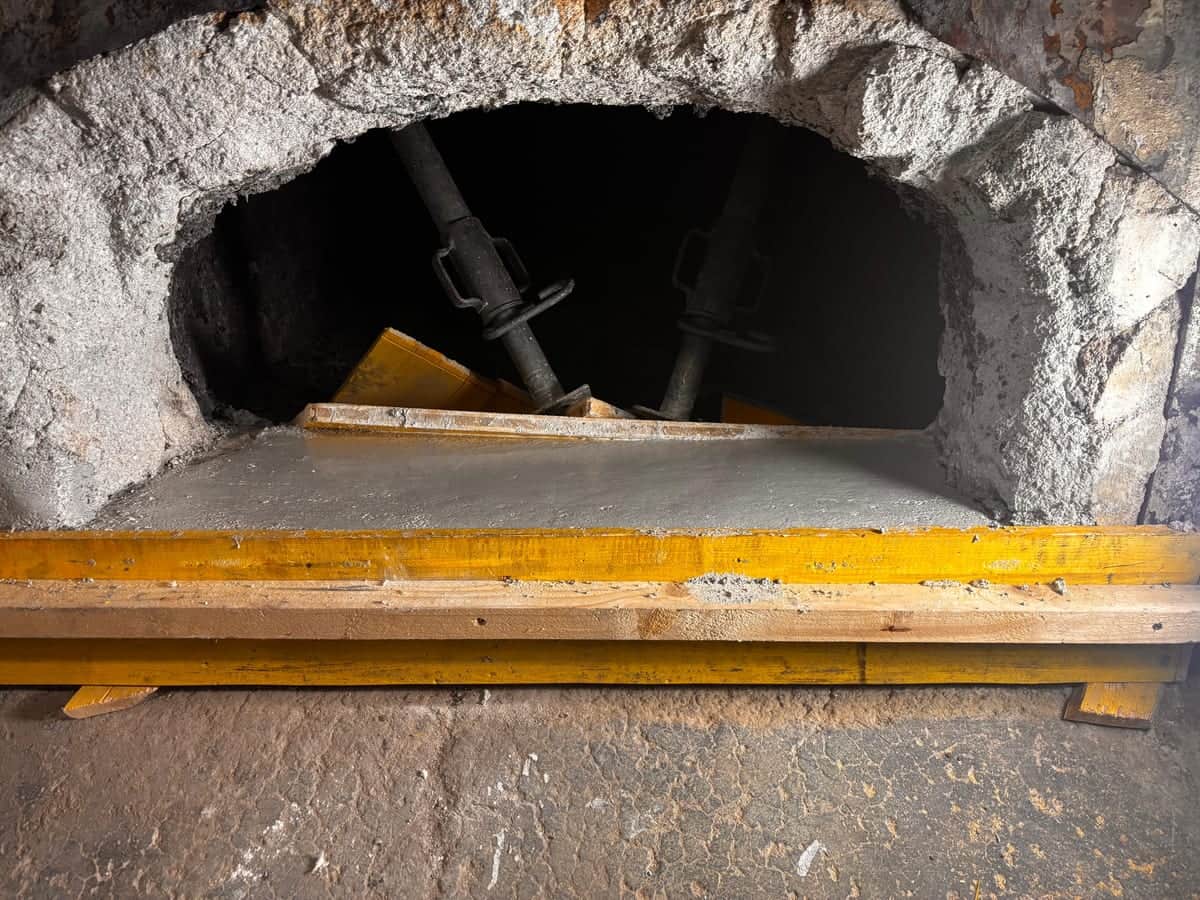
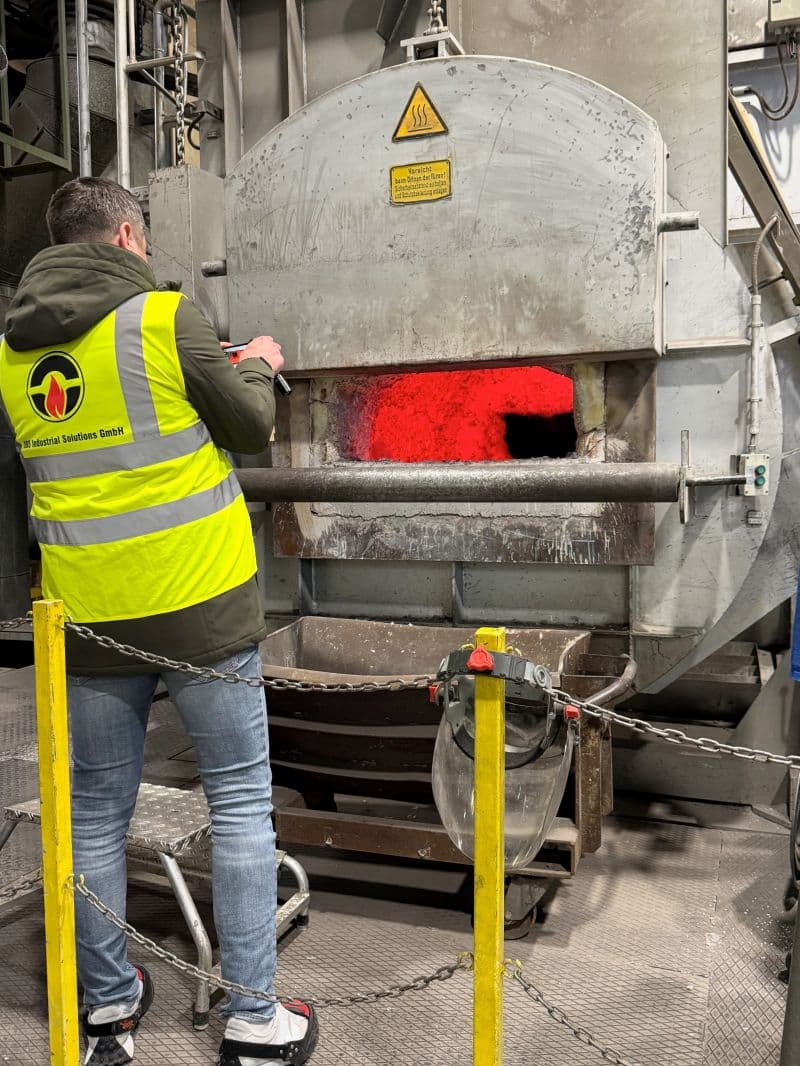
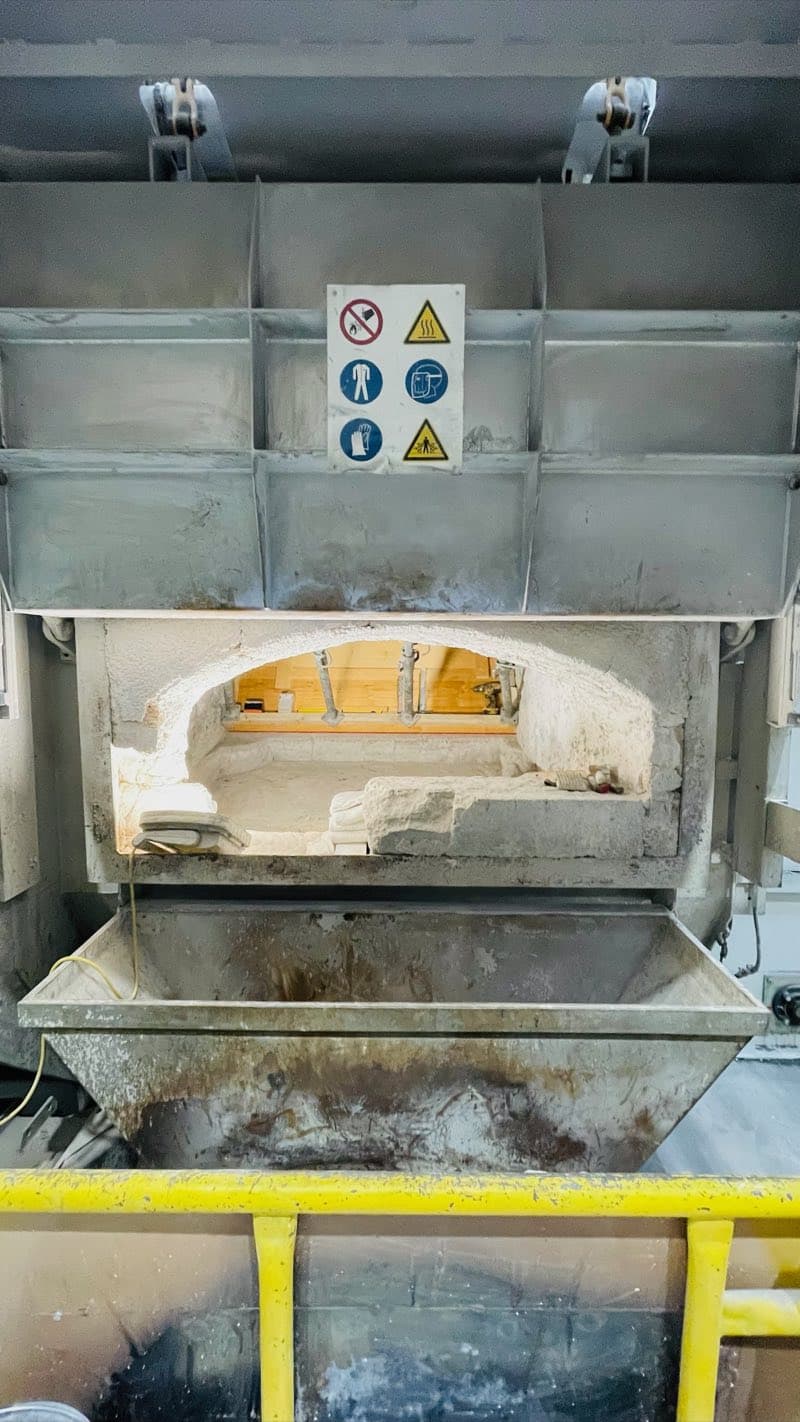
First the sill and the door area. This is where tools go in and out, where material is scraped off, where something is propped up. It is the place with the highest mechanical load and at the same time the one with the greatest thermal shock.
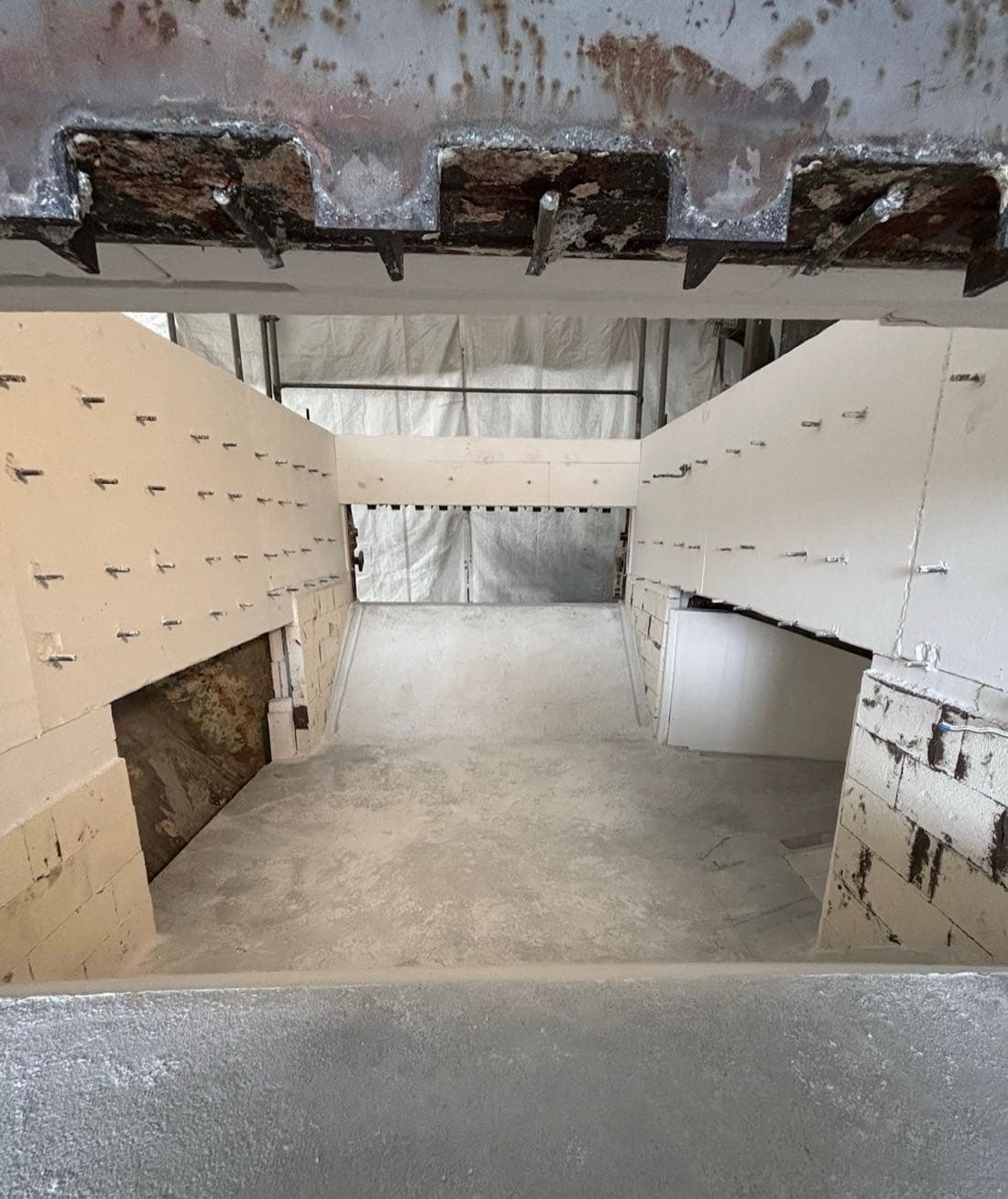
Second, the impact zone during charging. Where scrap, ingots or fuel land, no material lasts if the drop height is not limited. Often a sacrificial layer or a different charging sequence helps more than a higher-grade brick.
Third, cleaning. Build-up and slag are knocked off, and with every blow a little lining comes away too. That is unavoidable — what is avoidable is doing it with the wrong tool or too late, once the build-up has set hard.
None of these points costs material. They cost agreement — and they are the only part of wear that does not depend on physics but on a decision.
Regular inspections and predictive maintenance for maximum furnace availability.
Fast, professional repairs for minimum shutdown times and maximum furnace availability.
Protection solutions against mechanical and thermal wear for longer service lives.
All PDFs on this page are free, without sign-up. If you want to know when a new sheet is added: one e-mail a month, unsubscribe anytime.
PDFAluminium & non-ferrous metalsAngular spalling instead of even wear: where the lining wears mechanically.
PDFAll furnace typesWhen a targeted repair is enough, and the three findings where only a relining will hold.
PDFEnergy & CombustionProtecting without blocking the heat: what matters when lining a boiler tube wall.
More insights from our projects
New insights from the job site every week – damage patterns, relinings and practical refractory know-how.
Whether complete relining, repair or emergency — free initial consultation and a fast response.
Your privacy matters to us.
We use cookies and similar technologies to ensure that our website functions properly and to analyse how our content is used. In the settings you can choose which cookies you wish to allow. Privacy policy