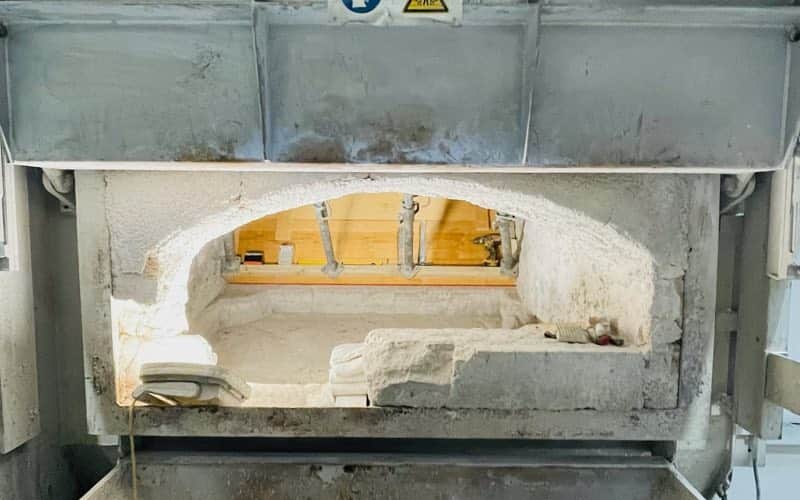
The arch above the furnace door: why of all places this spot fails first
The most common weak point on an industrial furnace is rarely where you look for it: it is above the door. Four causes and the route to a repair relining.

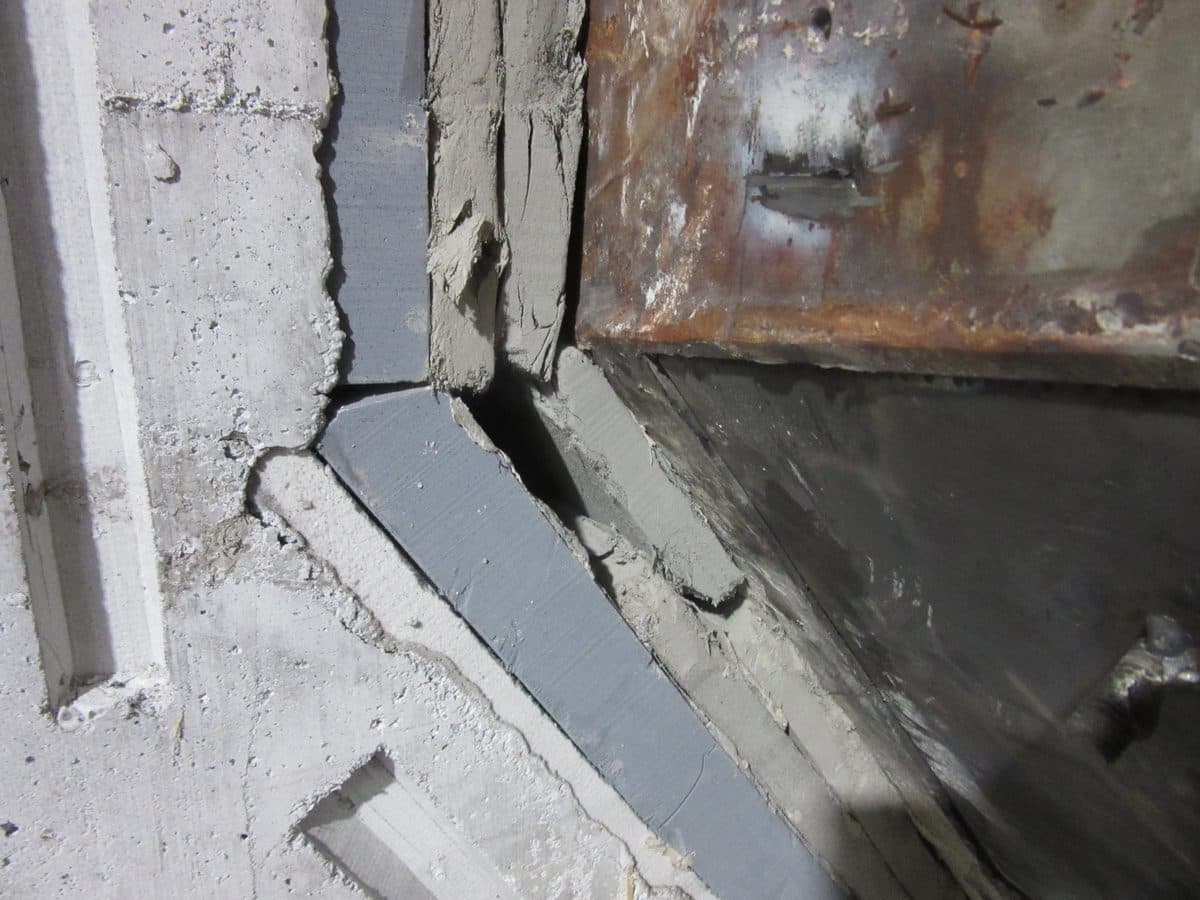
The most common weak point on an industrial furnace is rarely where you look for it: it is above the door. Across more than 500 refractory projects we see the same pattern at the door arch again and again.
Four causes
- Thermal shock: every door opening means a temperature drop of several hundred degrees within a few minutes. Nowhere else in the furnace are there so many load cycles per shift.
- Mechanical load: charging, dross removal and tools striking the surface hit exactly this zone.
- False air: a cracked arch draws in cold air, increases energy input and promotes oxidation of the melt.
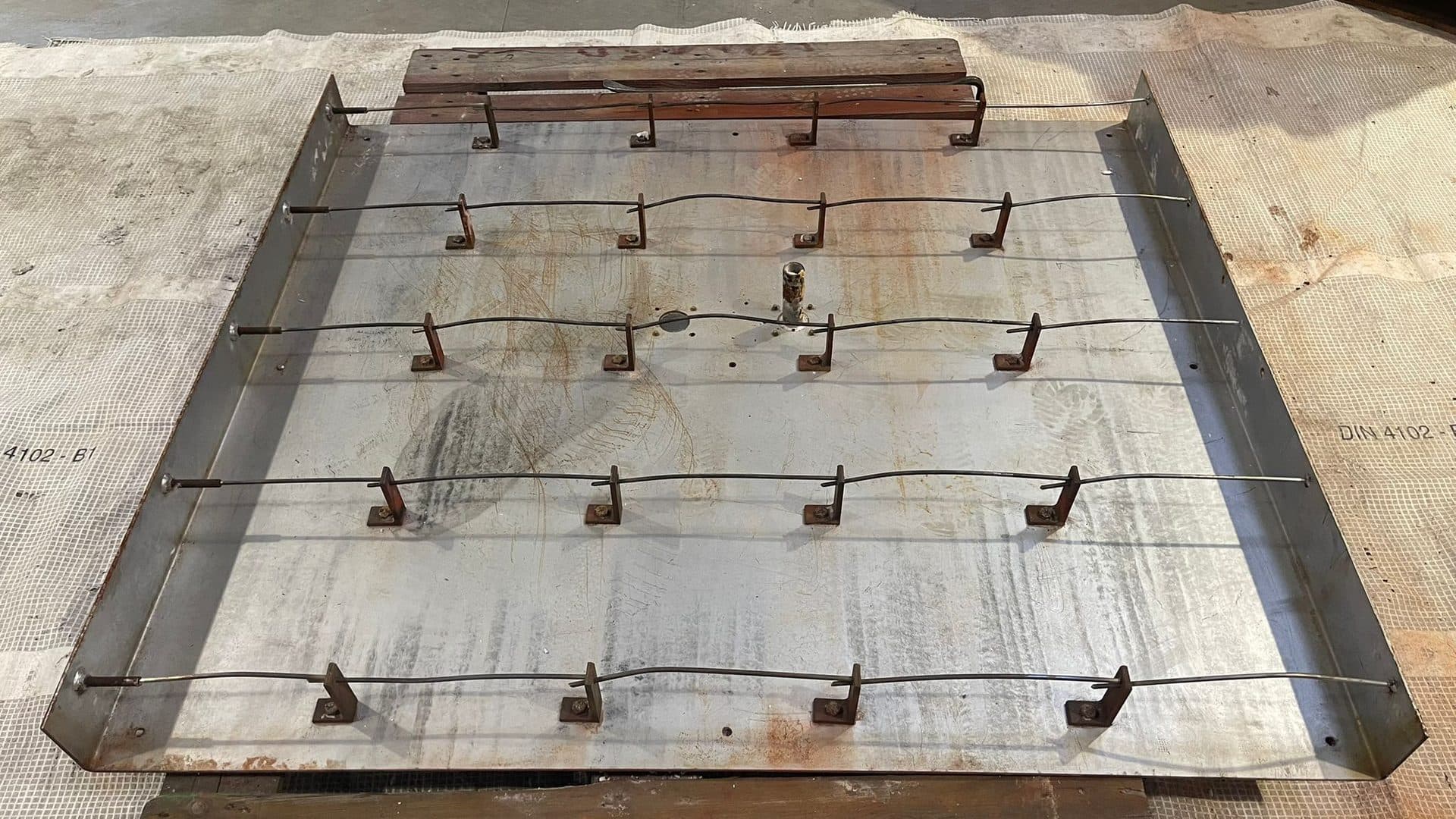
- Structural design and anchoring: the arch carries its load through the abutments. Fatigued anchors or inaccurate formwork at the last casting shift the load into the joints.
Repair relining instead of complete replacement
Selective strip-out, renewed anchoring, precisely built formwork, monolithic casting and controlled drying. That turns an impending shutdown into a plannable intervention lasting a few days — with our own installation teams, without subcontractors.
Related articles
Matching references

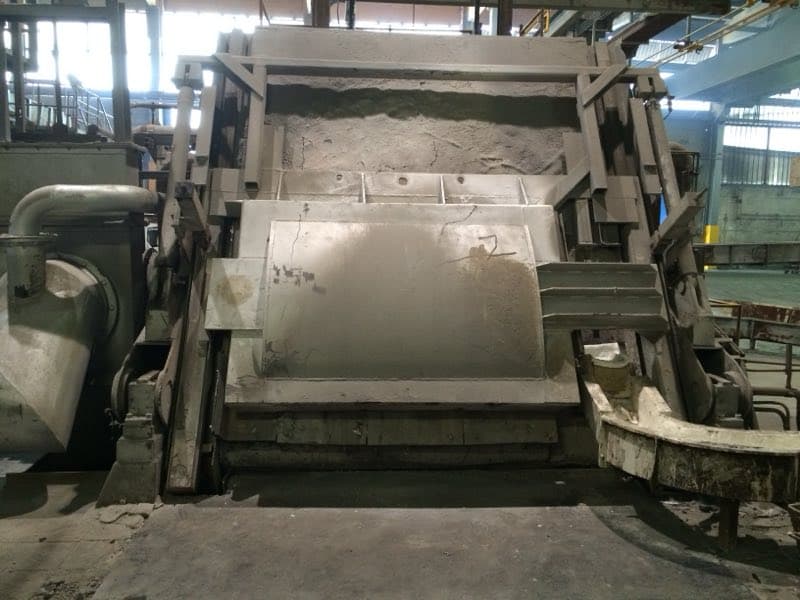
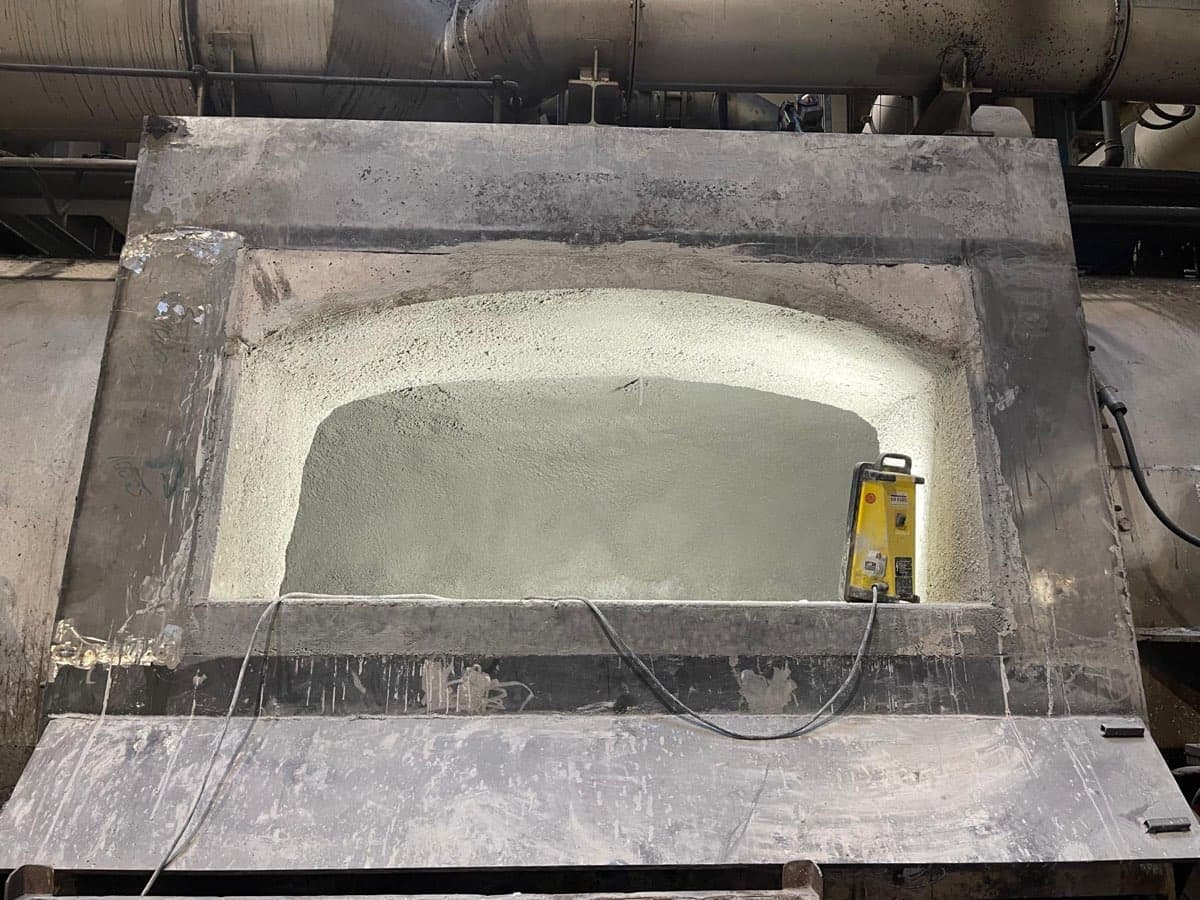
Complete relining of an aluminium melting furnace with a monolithic door frame
Complete refractory relining of an aluminium melting furnace – from the extensively broken-out lining through to the seamlessly cast door frame in the most heavily loaded zone.

Lid and door repair for a long-standing customer
Maintenance work on a lid and door in the storage area of a long-standing customer – carried out quickly, professionally and with the utmost care.
Planning a project?
Whether complete relining, repair or emergency — free initial consultation and a fast response.