PDFBurner-fired furnacesFlame pattern and burner control: Where the flame impinges
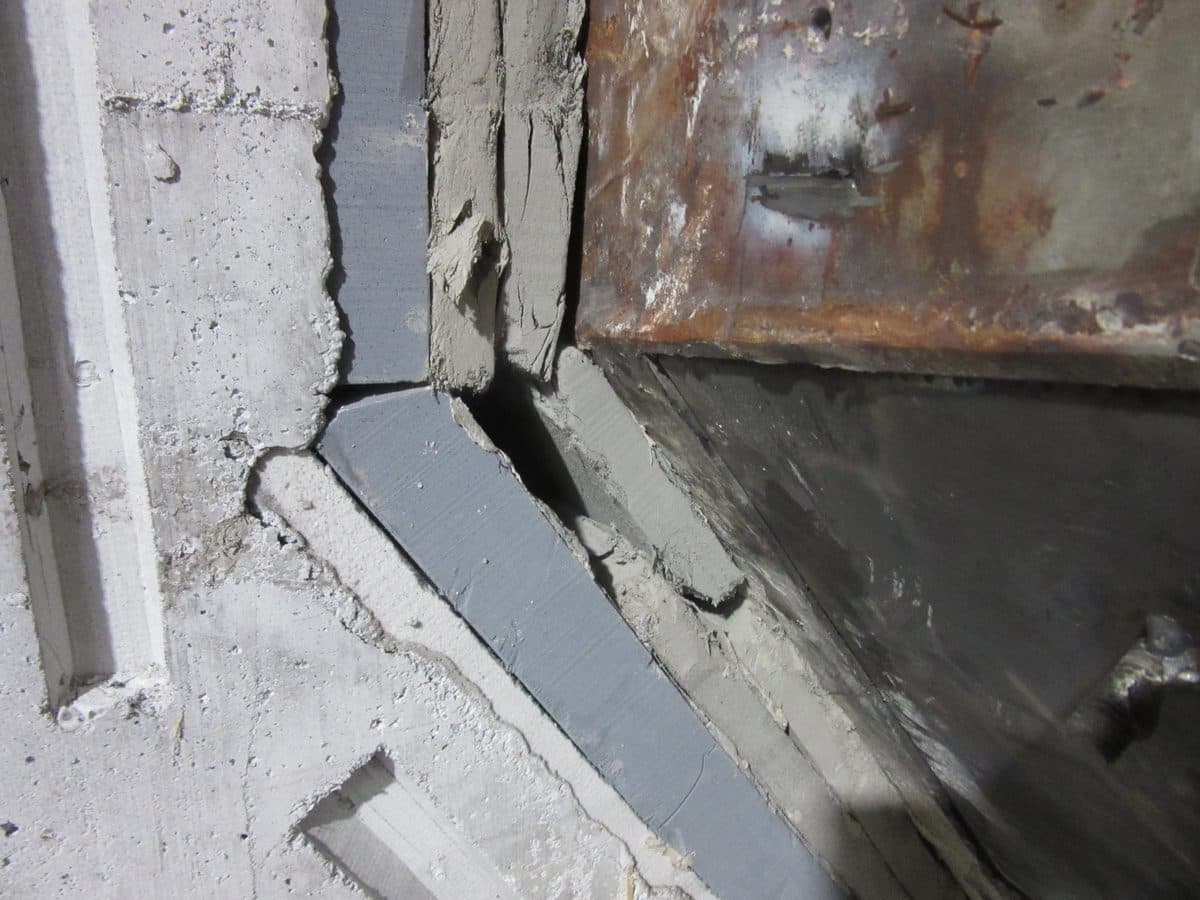
One-sided wear, glazed surfaces, wear pockets: what the flame pattern reveals.
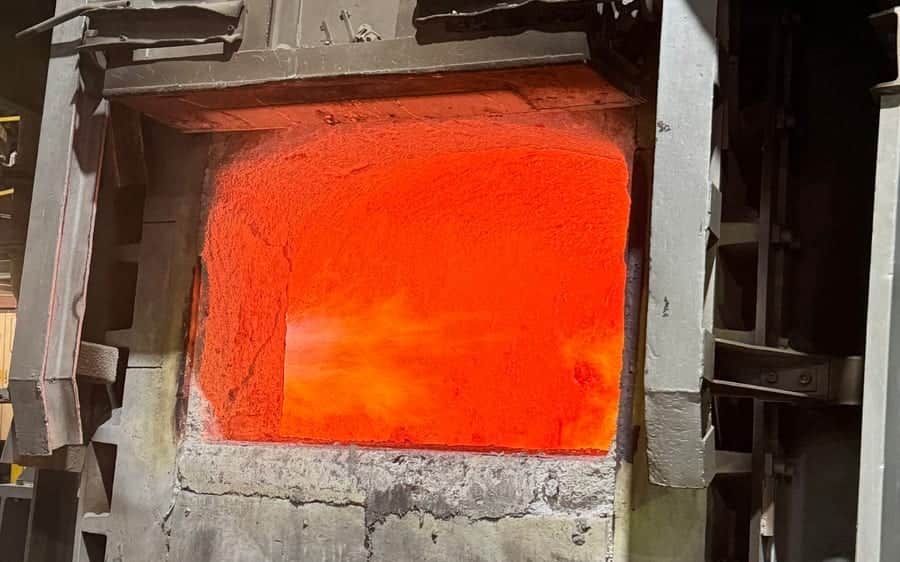
The flame is the only tool in the furnace that is adjusted daily — and the only one that stresses the lining daily. Where it strikes determines the service life of entire wall sections.

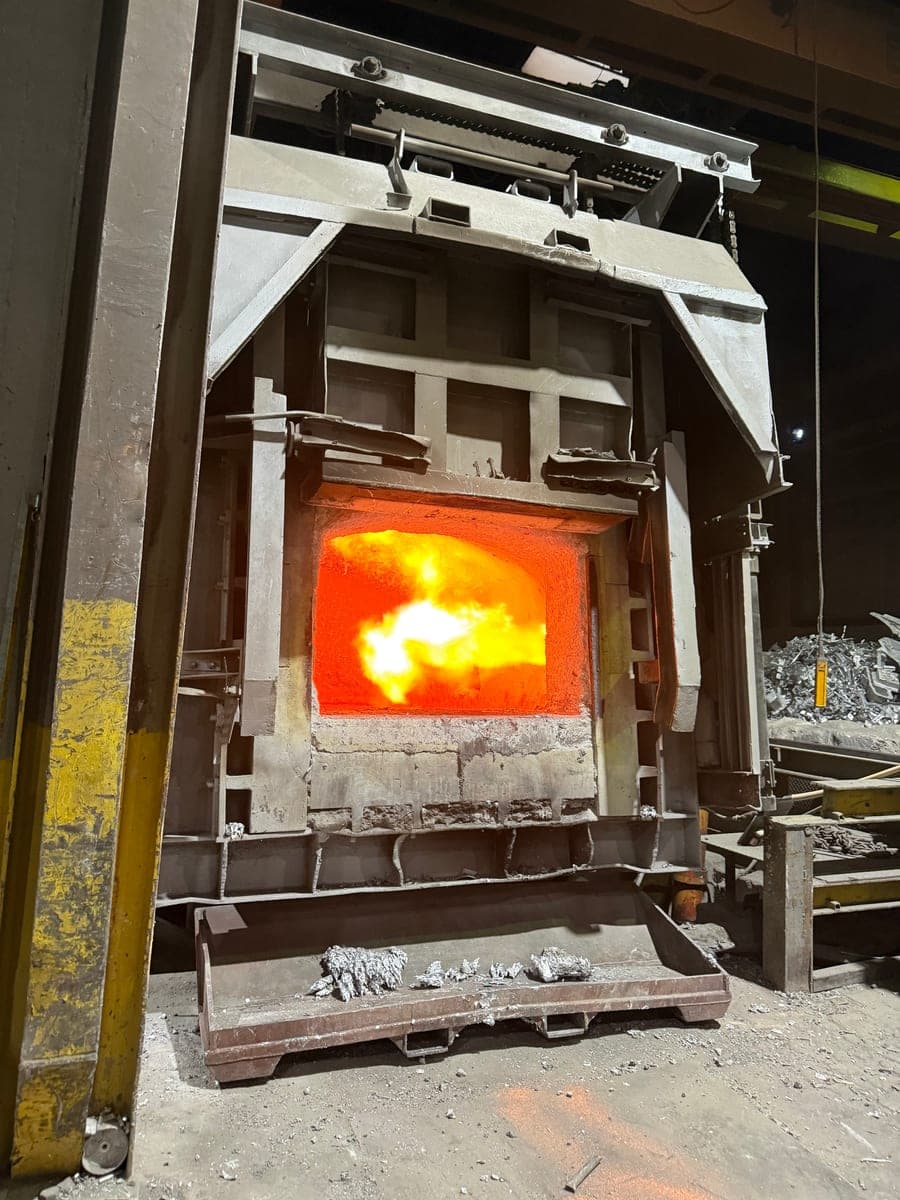
A refractory lining rarely wears evenly. There is almost always one section that is removed considerably earlier than the rest — and it is almost always where the flame strikes.
That is not a question of material. The same mass lasts two campaigns longer three metres away. The difference is the way the furnace is run, and that changes more often than any lining.
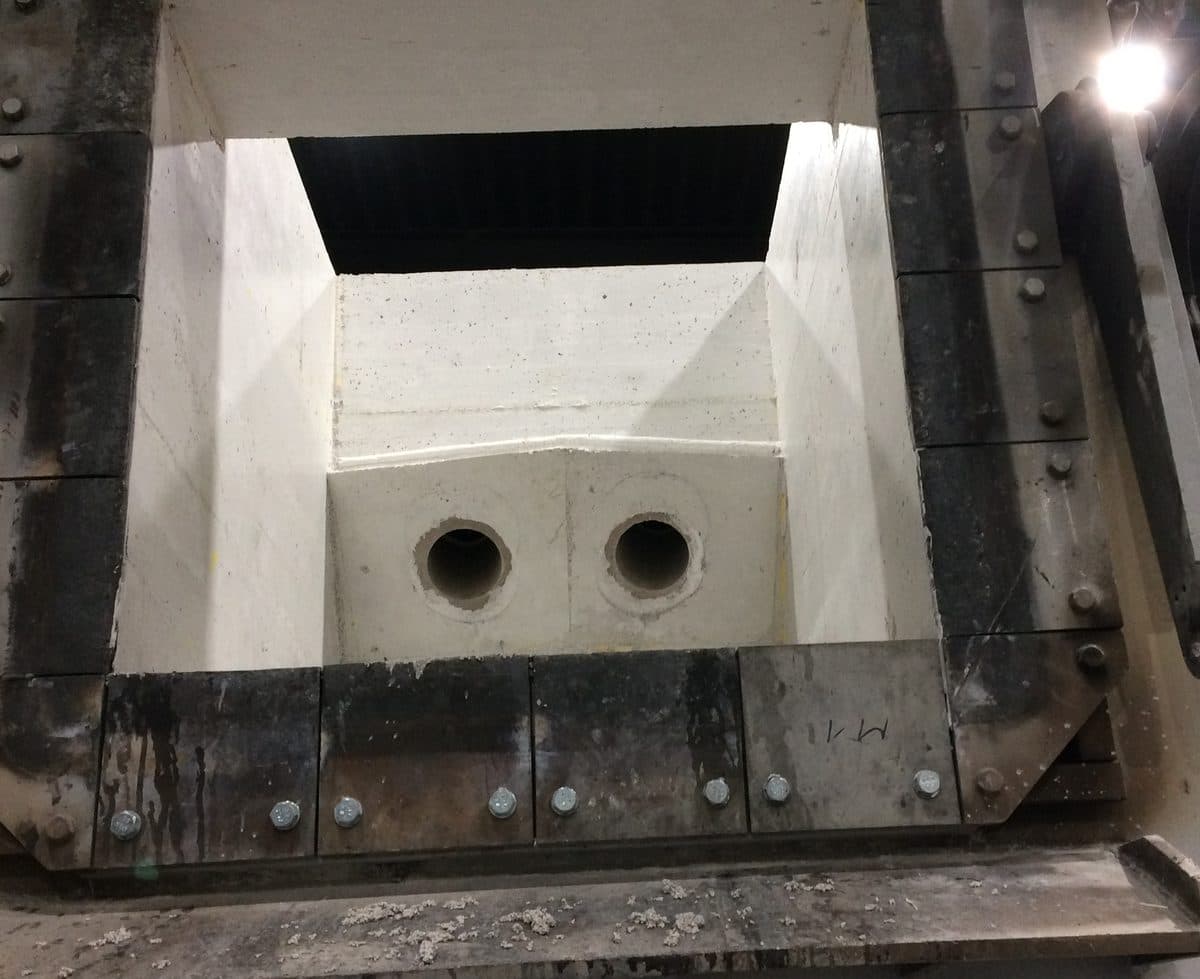
The burner block is the component most often repaired and least often measured. An outlet sitting two degrees out of true shifts the point of impingement by a good ten centimetres over three metres.
Burner settings are optimised for product and throughput, not for the lining. That is correct — nobody runs a furnace for the refractory. What is missing from the calculation is that a setting which saves one per cent of energy can shorten a wall section by half a campaign.
This only becomes visible at the inspection, months later, and by then the setting is no longer connected to the finding. That is why it is worth noting changes to burner control with a date in the same file as repairs.
Anyone climbing into a cold furnace should know beforehand where the flame stands. Then a surface you search becomes a surface with an expected spot — and you check specifically whether the expectation holds.
That costs a few minutes during the inspection and changes the repair decision. A spot created by the way the furnace is run will be back in the same place with the same material in two years — unless you change either the material there or the setting.
Regular inspections and predictive maintenance for maximum furnace availability.
Fast, professional repairs for minimum shutdown times and maximum furnace availability.
Technical design, calculations and complete project documentation.
All PDFs on this page are free, without sign-up. If you want to know when a new sheet is added: one e-mail a month, unsubscribe anytime.
PDFBurner-fired furnacesOne-sided wear, glazed surfaces, wear pockets: what the flame pattern reveals.
PDFAll furnace typesWhen a targeted repair is enough, and the three findings where only a relining will hold.
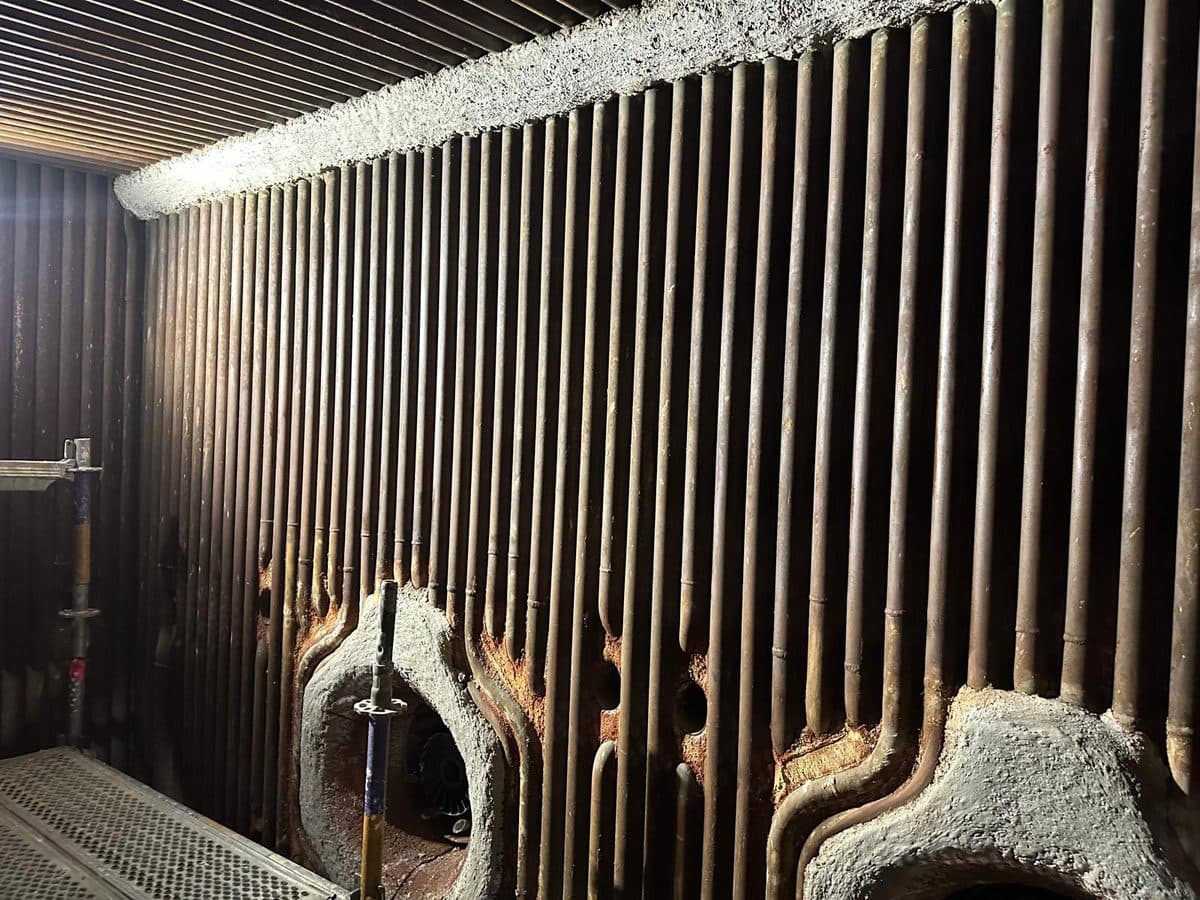
PDFEnergy & CombustionProtecting without blocking the heat: what matters when lining a boiler tube wall.
More insights from our projects
New insights from the job site every week – damage patterns, relinings and practical refractory know-how.
Whether complete relining, repair or emergency — free initial consultation and a fast response.
Your privacy matters to us.
We use cookies and similar technologies to ensure that our website functions properly and to analyse how our content is used. In the settings you can choose which cookies you wish to allow. Privacy policy