
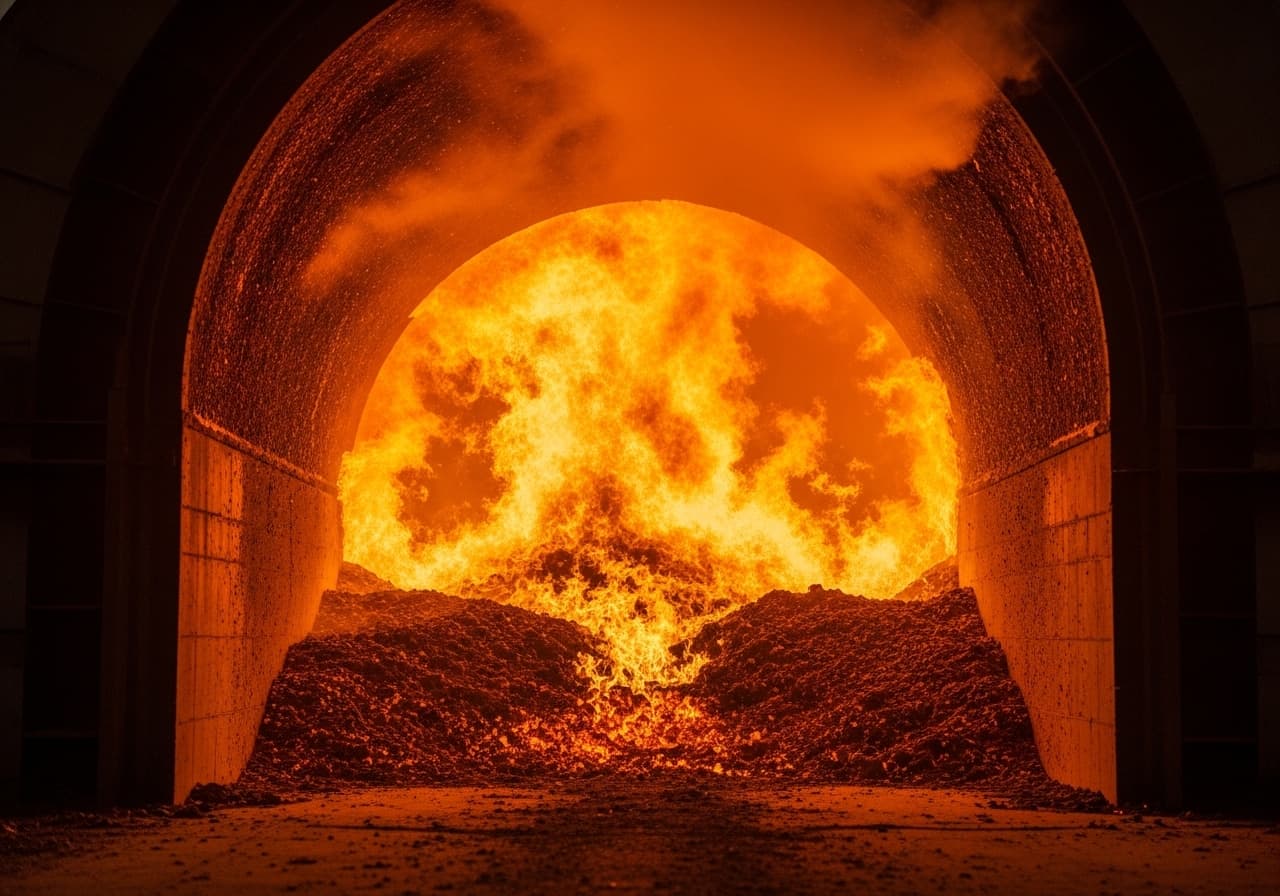
Wood combustion plant
Refractory lining of wood combustion plants for the energy recovery of wood and wood chips.
Furnace profile at a glance.
Combustion chamber
Central combustion chamber with fireclay or SiC lining, in which the main combustion takes place at 800–1,100 °C. The lining must be alkali-resistant and erosion-resistant.
Grate
Reciprocating or travelling grate of heat-resistant cast iron on which the fuel rests. The transition area between grate and brickwork is a critical wear zone.
Afterburning chamber
Secondary combustion chamber for the complete burnout of the flue gases. This is where the highest temperatures and the heaviest chemical loading from gaseous alkalis occur.
Flue gas passes
Duct system for heat transfer to the boiler. Erosion by fly ash and condensation of aggressive compounds are the main loads here.
Ash discharge
Mechanical discharge systems for grate ash and fly ash. The refractory lining must withstand high mechanical loading and abrasion.
Refractory construction for sustainable wood energy.
Wood combustion plants place particular demands on the refractory lining. Burning wood chips, pellets and above all waste wood produces alkali-rich ashes that act aggressively on the refractory materials at temperatures of 800 to 1,100 °C. SBS Refractory Service has many years of experience in the brickwork and maintenance of wood combustion plants in every output class — from small heating plants to large combined heat and power plants.
The choice of the right refractory material depends decisively on the fuel quality. Untreated wood behaves differently from waste wood of categories A1 to A4. Contamination from paints, coatings or foreign matter considerably accelerates the chemical attack on the lining. Our material concepts take account of the specific ash chemistry and the thermomechanical loading of every individual zone in the combustion chamber.
From preventive maintenance and partial repairs through to complete relining, we offer the full range of services for wood combustion plants. Our installation teams work on schedule during the planned overhaul shutdowns and ensure a reliable, long-lasting lining that secures the continuous operation of your plant.
Typical problems with the Wood combustion plant.
These loads determine the choice of material and the design of the refractory lining.
Alkali attack by wood ash
Wood ash contains high concentrations of potassium and sodium, which penetrate the refractory lining at operating temperatures and destroy its structure.
Slagging on combustion chamber walls
Low-melting ash constituents form slag deposits that impede heat transfer and load the lining mechanically.
Erosion by fly ash
Ash particles entrained in the flue gas stream erode the surface of the lining, particularly in deflection areas and flue gas passes.
Cyclic thermal loading
Frequent start-ups and shutdowns as well as fluctuating fuel quality cause temperature changes that lead to cracking and spalling in the refractory material.
Contamination in waste wood combustion
Waste wood of categories A3 and A4 contains paints, coatings and foreign matter that generate aggressive chlorine and heavy metal compounds in the flue gas.
Materials & lining
Every zone of your furnace places its own demands on temperature resistance, chemical resistance and mechanical load capacity. We select the optimum material combination.
Click on a material for details
Fireclay bricks
Shaped bricksStandard areas of the combustion chamber
Refractory castable (SiC-bearing)
Refractory castableWear zones at the grate and the ash discharge
Ceramic fibre
Fibre productsDoors, inspection openings
Typical work on the Wood combustion plant.
Our services for this furnace type — from complete relining to ongoing maintenance.
From site inspection to acceptance.
Our structured process ensures quality, on-time delivery and safety in every project.
Assessment & site inspection
Walk-through and condition survey of the combustion chamber and the flue gas passes
Planning
Material concept based on fuel type and ash chemistry
Execution
Brick lining of the combustion chamber and the afterburning chamber
Safety
Safeguarding of work inside the plant, dust protection
Assessment & site inspection
Once the plant has cooled down, our specialists carry out a systematic walk-through. All refractory zones are inspected visually, cracking is documented and wear depths are determined by ultrasound or mechanical measurement. Particular attention is paid to the heavily loaded areas: the grate transition, the afterburning chamber and the flue gas passes. On the basis of the inspection we prepare a detailed condition report with prioritised recommendations for action.
Planning
Using the inspection findings and the specific fuel data, we develop a tailored material concept. In doing so we take account of the ash chemistry, the operating temperatures and the mechanical loads in every zone. For waste wood plants we prefer SiC-bearing refractory castables, which offer high resistance to alkalis and chlorides. Planning also covers logistics, the scaffolding concept and the schedule, coordinated with your overhaul date.
Execution
Execution is carried out by our experienced installation teams, who specialise in refractory work in combustion plants. For a complete relining, the old materials are first broken out and disposed of properly. The new lining is then installed — bricked, cast or gunned — in accordance with the technical specifications of the material concept. All work is documented without gaps and quality-assured.
Safety
Work in wood combustion plants requires particular protective measures. Before entry, dust measurements are taken and the plant is checked for residual temperatures. All employees wear the required personal protective equipment including respiratory protection. Additional requirements regarding contaminant exposure apply at waste wood plants. Fall protection and ventilation measures are implemented on a project-specific basis.
From our project portfolio.
Over 500 successfully completed refractory construction projects in the DACH region and the Benelux countries.
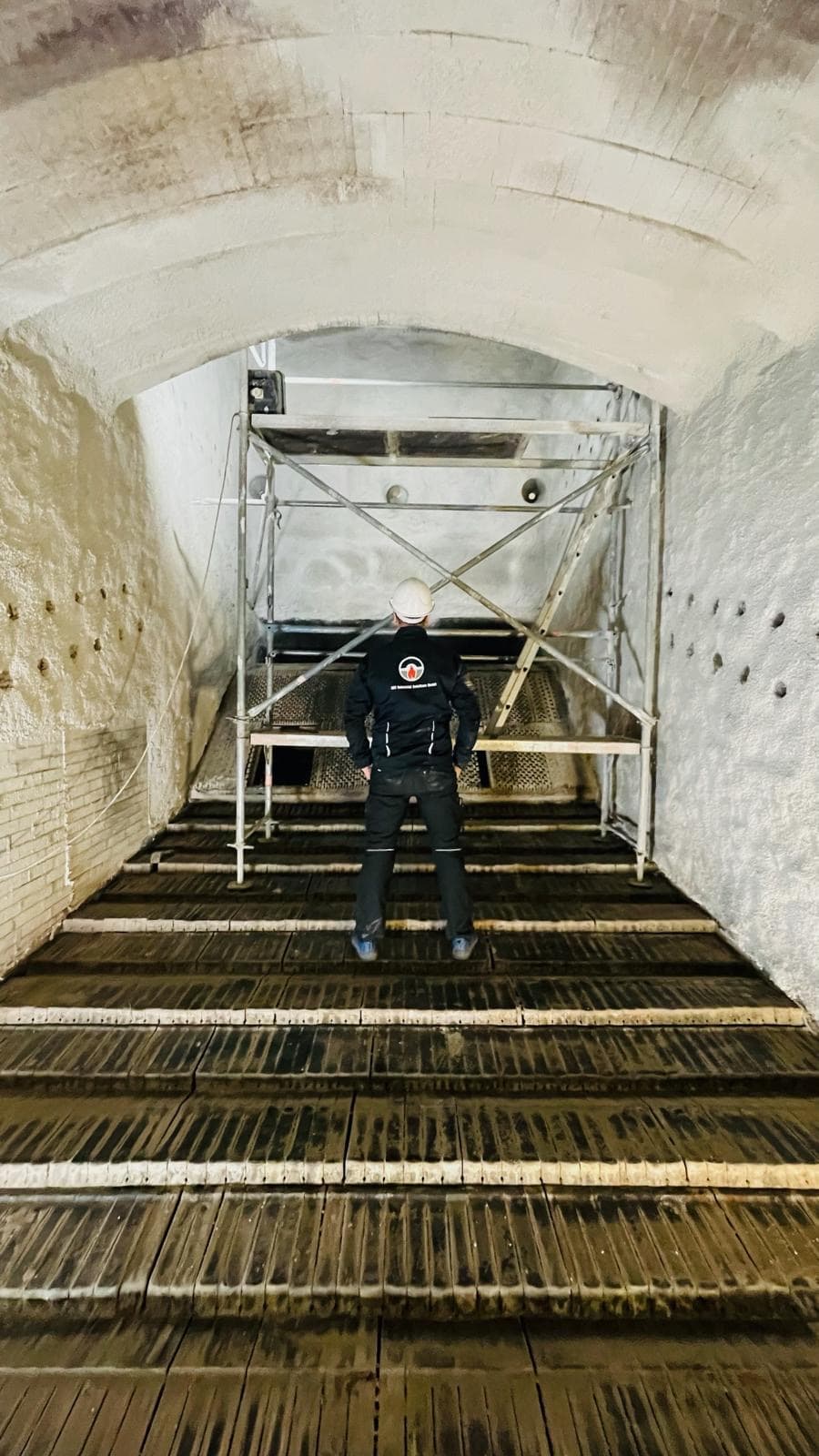
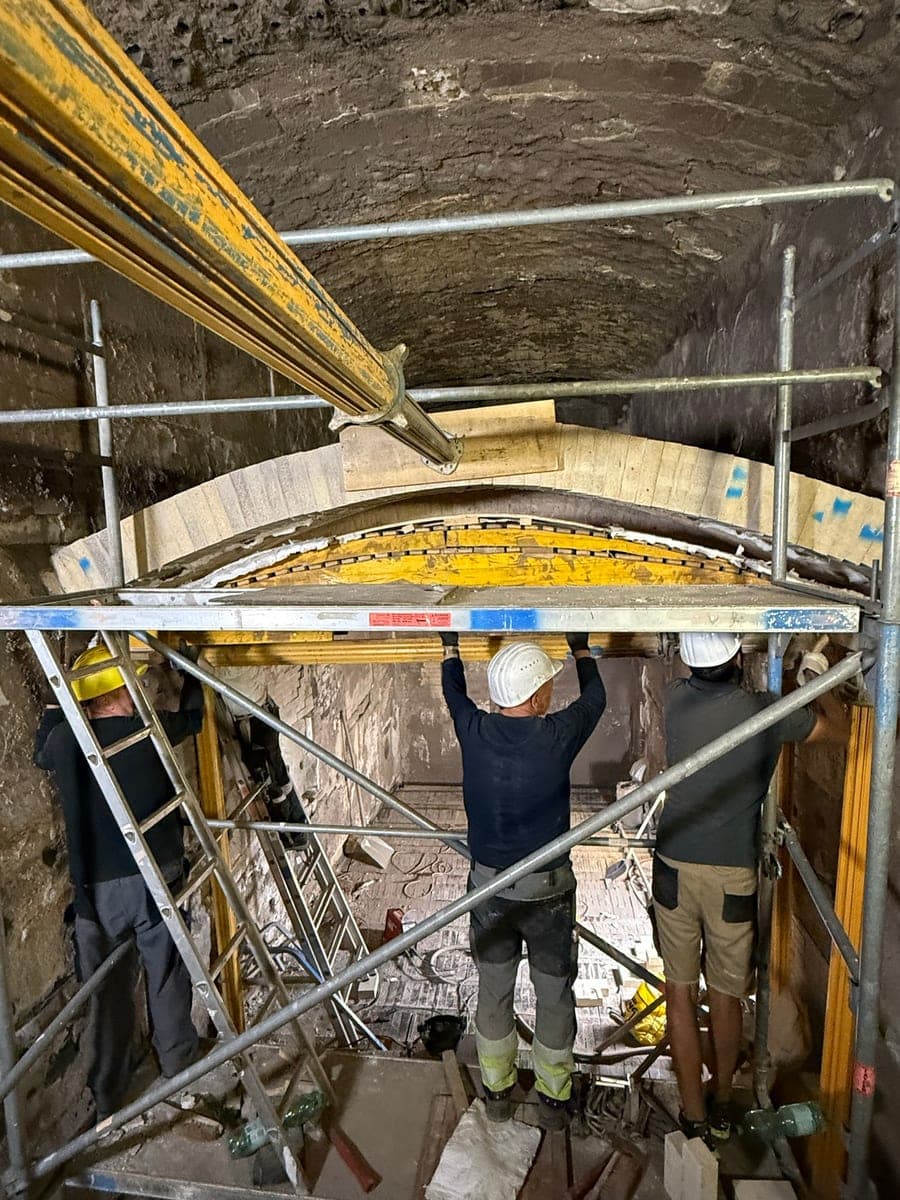


Wood combustion plant
Frequently asked questions
Everything you need to know about the Wood combustion plant
Go deeper.

You may also be interested in.
Planning a project?
Whether complete relining, repair or emergency — free initial consultation and a fast response.