
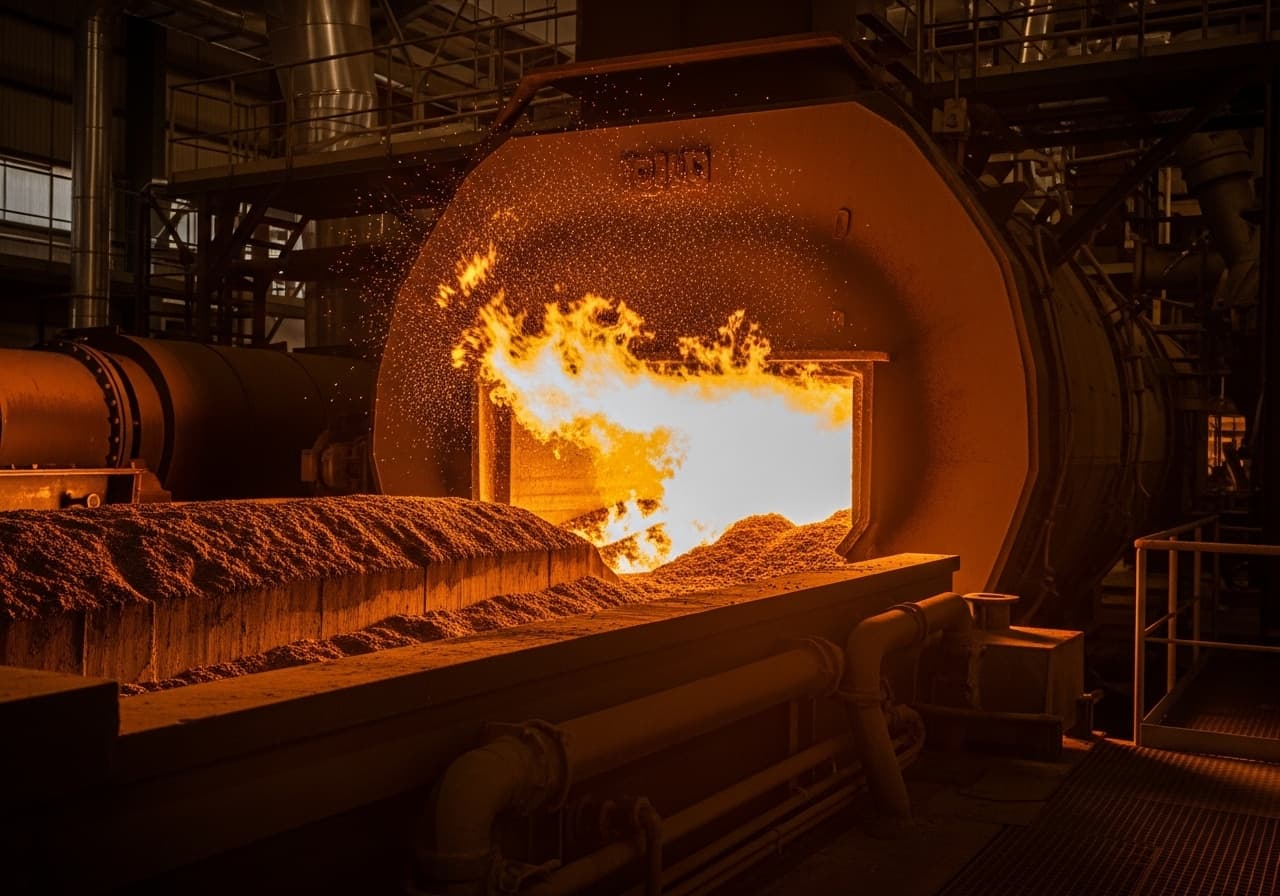
Biomass combustion plant
Refractory lining of biomass combustion plants for the energy use of renewable raw materials.
Furnace profile at a glance.
Combustion chamber
Central combustion chamber with an alkali-resistant refractory lining. The side walls and the roof area are exposed to the highest temperatures and the heaviest alkali loading. SiC-bearing materials offer optimal protection here.
Grate/fluidised bed
The combustion system — either a mechanical grate or a fluidised bed. The highest wear rates occur at the grate transition to the brickwork, caused by mechanical loading and thermal shock. In fluidised bed plants the lining of the nozzle floor is a critical area.
Afterburning chamber
Secondary combustion zone for the complete burnout of volatile constituents. This is where the alkali concentration in the gas is highest, which calls for particularly resistant materials.
Flue gas passes
Heat exchanger ducts for steam or hot water generation. Erosion by fly ash and condensation of alkali chlorides are the main loads. Regular cleaning of the deposits is required.
Ash discharge
System for removing grate ash and fly ash. The refractory lining must be abrasion-resistant and withstand the corrosive action of the alkali-rich biomass ash.
Alkali-resistant refractory construction for biomass.
Biomass combustion plants for the energy use of renewable raw materials pose specific challenges for refractory construction. Biomass fuels such as straw, wood chips, pellets, miscanthus and agricultural residues differ fundamentally from fossil fuels in their ash chemistry. The high content of alkalis — potassium and sodium in particular — leads to massive slagging and chemical attack on the refractory lining at operating temperatures of 800 to 1,050 °C.
The alkali problem calls for careful material selection: conventional fireclay and alumina materials are attacked by the alkalis and lose their strength. SBS Refractory Service therefore relies on specially alkali-resistant refractory materials and SiC-bearing refractory castables that permanently withstand chemical attack by biomass ashes. Our material concepts are matched individually to the type of biomass used and to the operating conditions of the particular plant.
As an experienced refractory construction partner for biomass combined heat and power plants and heating plants, we accompany the entire life cycle of your plant. From the initial lining and annual maintenance through to a general overhaul after years of intensive use, we offer reliable solutions. Our reference projects cover plants from 2 MW to over 50 MW thermal output.
Typical problems with the Biomass combustion plant.
These loads determine the choice of material and the design of the refractory lining.
Alkali attack by biomass ash
Biomass ashes contain high concentrations of potassium oxide (K₂O) and sodium oxide (Na₂O). At operating temperatures these alkalis penetrate the refractory lining, react with the matrix material and cause swelling, cracking and structural breakdown.
Slagging from low-melting ashes
The high alkali contents lower the ash melting point in some cases to below 800 °C. The viscous slags that form adhere to combustion chamber walls, impede heat transfer and load the lining mechanically and chemically.
Fluctuating fuel quality
Biomass fuels vary widely in moisture, ash content and chemical composition — depending on origin, harvest date and storage. The refractory lining must cover a broad spectrum of loads.
Erosion by bed material in fluidised bed plants
In fluidised bed firing systems the circulating sand-fuel mixture causes considerable abrasion of the refractory lining, particularly in cyclones and return legs.
Materials & lining
Every zone of your furnace places its own demands on temperature resistance, chemical resistance and mechanical load capacity. We select the optimum material combination.
Click on a material for details
Fireclay bricks
Shaped bricksStandard combustion chamber areas
SiC-bearing refractory castables
Refractory castableWear zones with high erosion
Ceramic fibre
Fibre productsDoors and inspection openings
Typical work on the Biomass combustion plant.
Our services for this furnace type — from complete relining to ongoing maintenance.
From site inspection to acceptance.
Our structured process ensures quality, on-time delivery and safety in every project.
Assessment & site inspection
Condition survey focused on the slagging zones
Planning
Material selection taking account of the biomass ash chemistry
Execution
Brick lining or repair with alkali-resistant materials
Safety
Dust protection, fall protection
Assessment & site inspection
The inspection focuses on the damage mechanisms typical of biomass: slagging, alkali attack and erosion. Once the plant has cooled down, our specialists systematically walk through all refractory areas. Slag deposits are mapped, crack patterns and spalling documented and the residual thicknesses in the wear zones measured. Particular attention is paid to the afterburning chamber and the grate transition, which experience shows have the highest wear rates.
Planning
The material concept is matched precisely to the type of biomass used and its ash chemistry. For the combustion of straw and stalk crops with extremely high potassium contents we use particularly alkali-resistant SiC refractory castables. For wood chips, fireclay qualities with increased alkali resistance are often sufficient. Planning also covers expansion joint concepts and anchoring systems that suit the specific temperature conditions.
Execution
Execution is carried out by specialised installation teams familiar with the particular features of biomass plants. Slagged areas are cleaned mechanically and damaged lining is broken out. Relining is carried out with alkali-resistant materials — bricked, cast or gunned depending on geometry and loading. Expansion joints are executed properly with ceramic fibre in order to compensate for thermal stresses. All work is quality-assured and documented.
Safety
Work in biomass combustion plants requires dust protection measures, as biomass ash contains respirable fine dust. Respiratory protection is mandatory in all areas of the plant. Fall protection is installed in the higher areas of the combustion chamber and the afterburning chamber. Before entry, the complete cooling of the plant is confirmed and the atmosphere is checked for oxygen content.
From our project portfolio.
Over 500 successfully completed refractory construction projects in the DACH region and the Benelux countries.
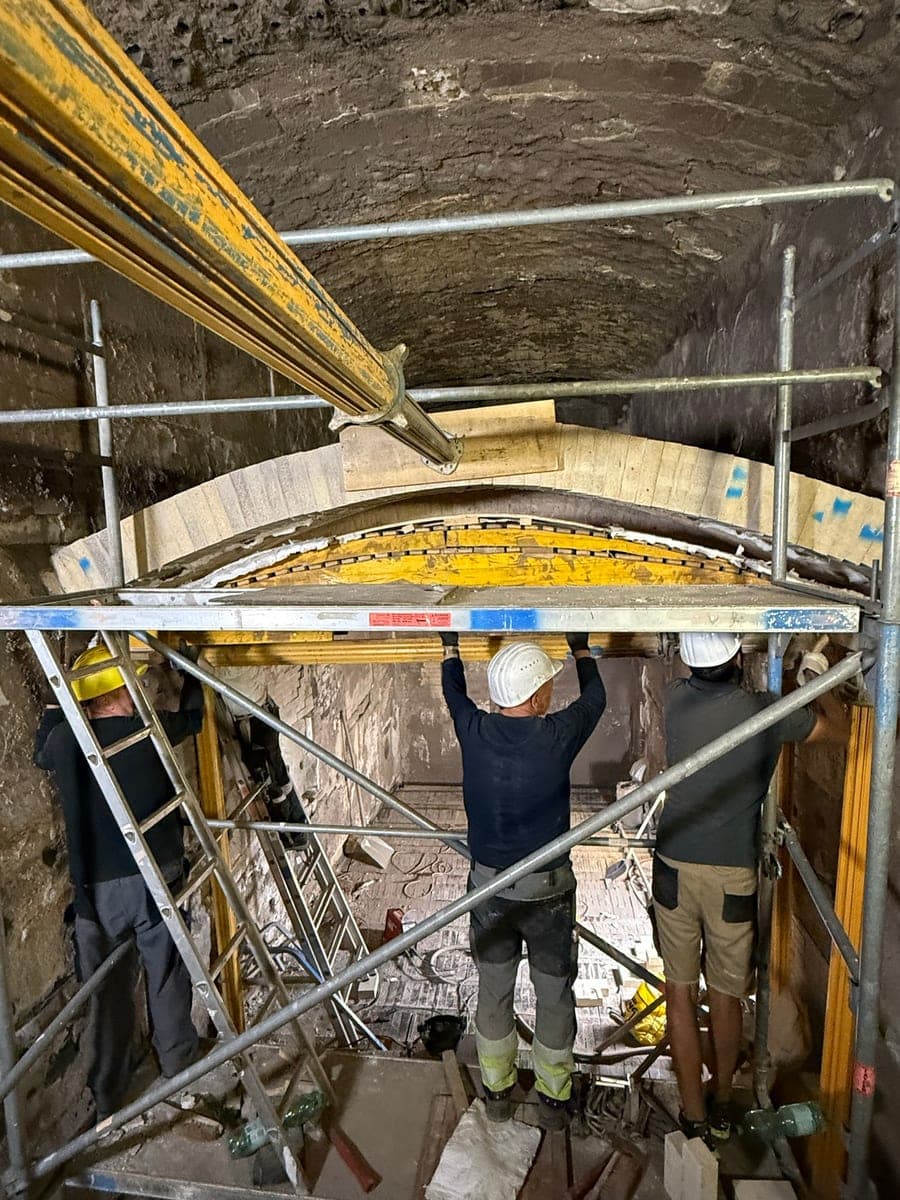


Biomass combustion plant
Frequently asked questions
Everything you need to know about the Biomass combustion plant
Go deeper.
You may also be interested in.
Planning a project?
Whether complete relining, repair or emergency — free initial consultation and a fast response.