Costs and process3 min

Where the energy leaves the furnace: three places

A furnace that runs reports no loss. The energy goes out through the wall, at the openings and with the operating pattern, and the bill arrives spread across the year. One figure every operator can take for themselves: the temperature of the furnace shell.

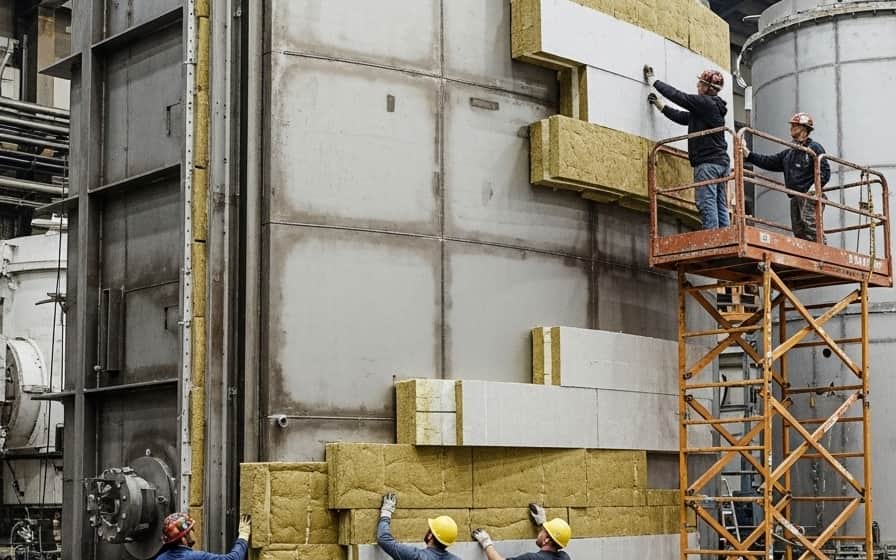
Fitters fixing insulating boards and mineral wool to the steel shell of a chamber furnace

The energy does not start leaving a furnace when the door opens. It leaves through the wall, in every operating hour, quietly and without an alarm.

A furnace that runs reports no loss. Nothing fails, the charge gets hot, the plant produces. The bill arrives through the electricity or gas meter, spread across the year, and is attributed to nobody there. Three places where it happens.

The wall

Every square metre of furnace wall gives off heat to the outside permanently. How much is decided by the build-up behind it, not by the surface you see. The working layer in the furnace chamber withstands the temperature; how much heat reaches the outside is determined by the layers between it and the steel shell. Two furnaces with the same working layer can therefore use very different amounts of energy.

The openings

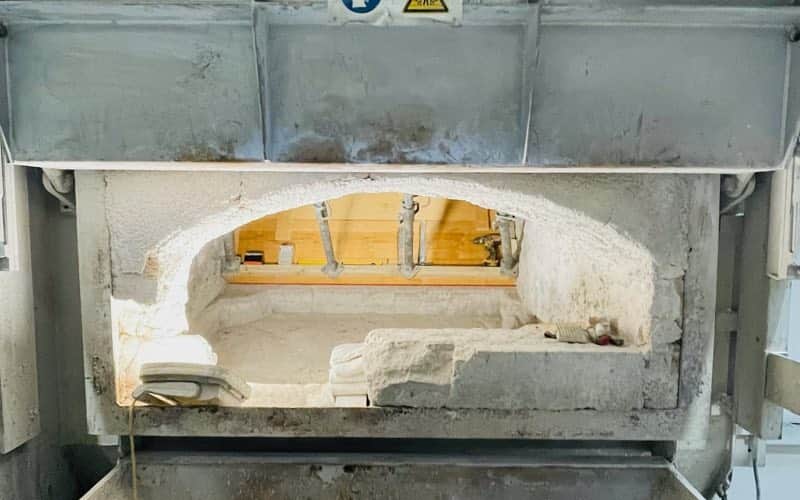
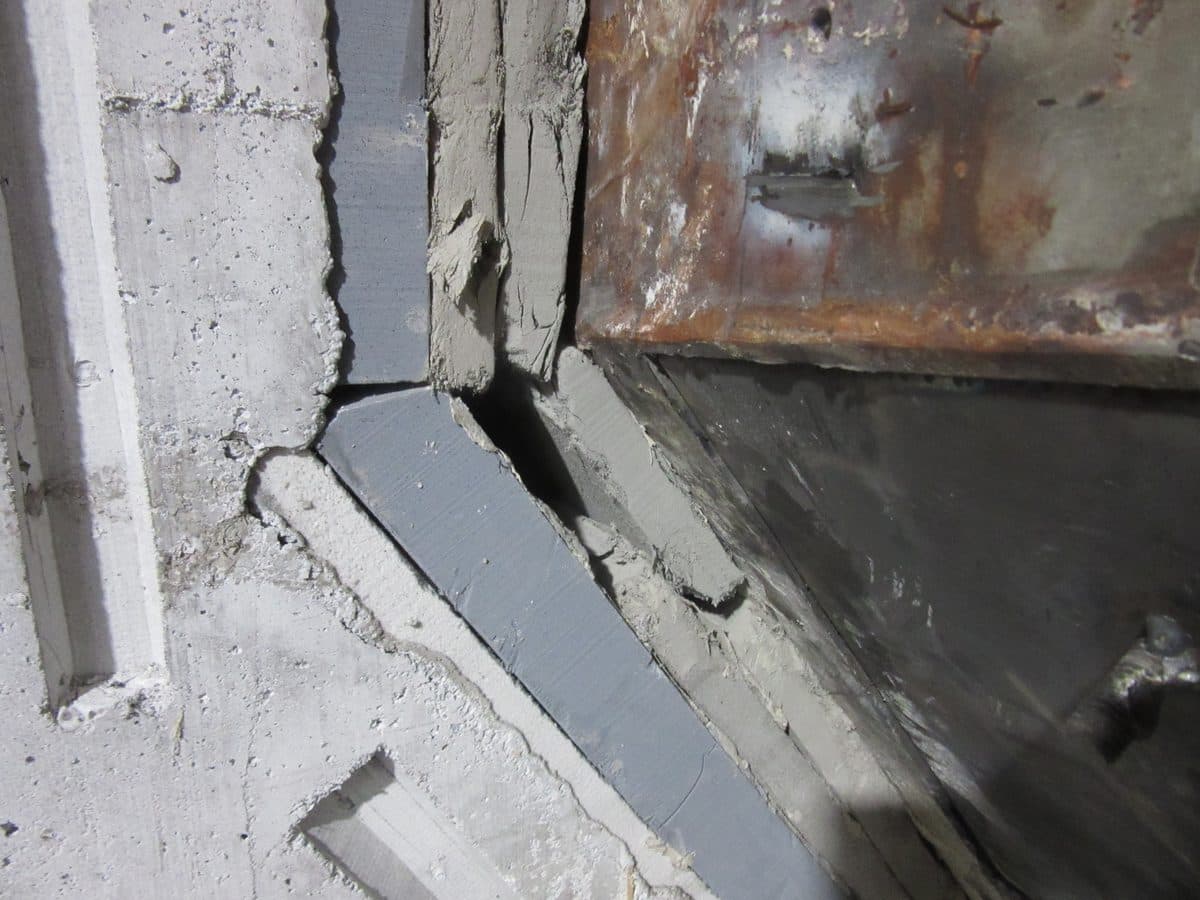
Doors, lids and burner ports are the places with the most edges and the most seals. What escapes there escapes in every cycle: during charging, at every burner change, every time someone enters. On top of that, the insulation ends at an opening. Door arch and lid rim are often the warmest spots on the whole furnace, long before the lining there shows visible wear.

Open door of an industrial furnace with a view of the bricked door arch and the furnace chamber
The door arch: many edges, one seal, and the insulation ends exactly here. Often the warmest spot on the whole furnace.

The operating pattern

Shutting down saves energy and stresses the lining: every cycle from cold to hot opens joints and cracks. Running through spares the lining and costs energy, because the wall gives off heat during the break as well. Both are right, but only if you know what order of magnitude is involved. Anyone who does not know the losses of his furnace decides this question by feel.

The one figure you can take yourself

The temperature of the furnace shell. It can be measured without a shutdown, with a contact thermometer or a thermal imaging camera, while the furnace produces. A spot markedly warmer than its surroundings shows a gap behind the surface you can see: insulation that has grown thinner, an insulating layer that has slipped, a crack that reaches the shell.

  • Choose fixed measuring points and use the same ones next time. Only the comparison shows the trend.
  • Measure at the same load and the same furnace temperature, otherwise you are comparing operating states instead of wall conditions.
  • Rate doors, lids and burner ports separately. They are almost always warmer than the plain wall and belong in a series of their own.
  • Record the baseline: the first reading after heat-up of a new lining. Every later value is read against this previous value, not against a table.
  • Note the values with date and furnace condition. One sheet per furnace is enough.

What a better wall build-up saves in energy can be calculated, not estimated. That takes today's build-up layer by layer, the operating hours and your own energy price. The shell temperature is the first indication of whether that calculation is worth doing.

At a glance
3
places where the energy leaves the furnace: wall, openings, operating pattern
0
alarms: a furnace that runs reports no loss. The bill arrives through the electricity or gas meter
1 figure
that every operator can take for themselves without a shutdown: the temperature of the furnace shell
Materials in this articleMineral wool board

Practice sheets on this topic

Technical newsletter

Get new practice sheets automatically

All PDFs on this page are free, without sign-up. If you want to know when a new sheet is added: one e-mail a month, unsubscribe anytime.

Repair or reline? The three findings
PDFAll furnace types

Repair or reline? The three findings

When a targeted repair is enough, and the three findings where only a relining will hold.

Only in the PDFDecision table with 6 findings, the 3 typical wrong decisions, 2 photos from a relining
To the article
Refractory on the tube wall: The inspection points
PDFEnergy & Combustion

Refractory on the tube wall: The inspection points

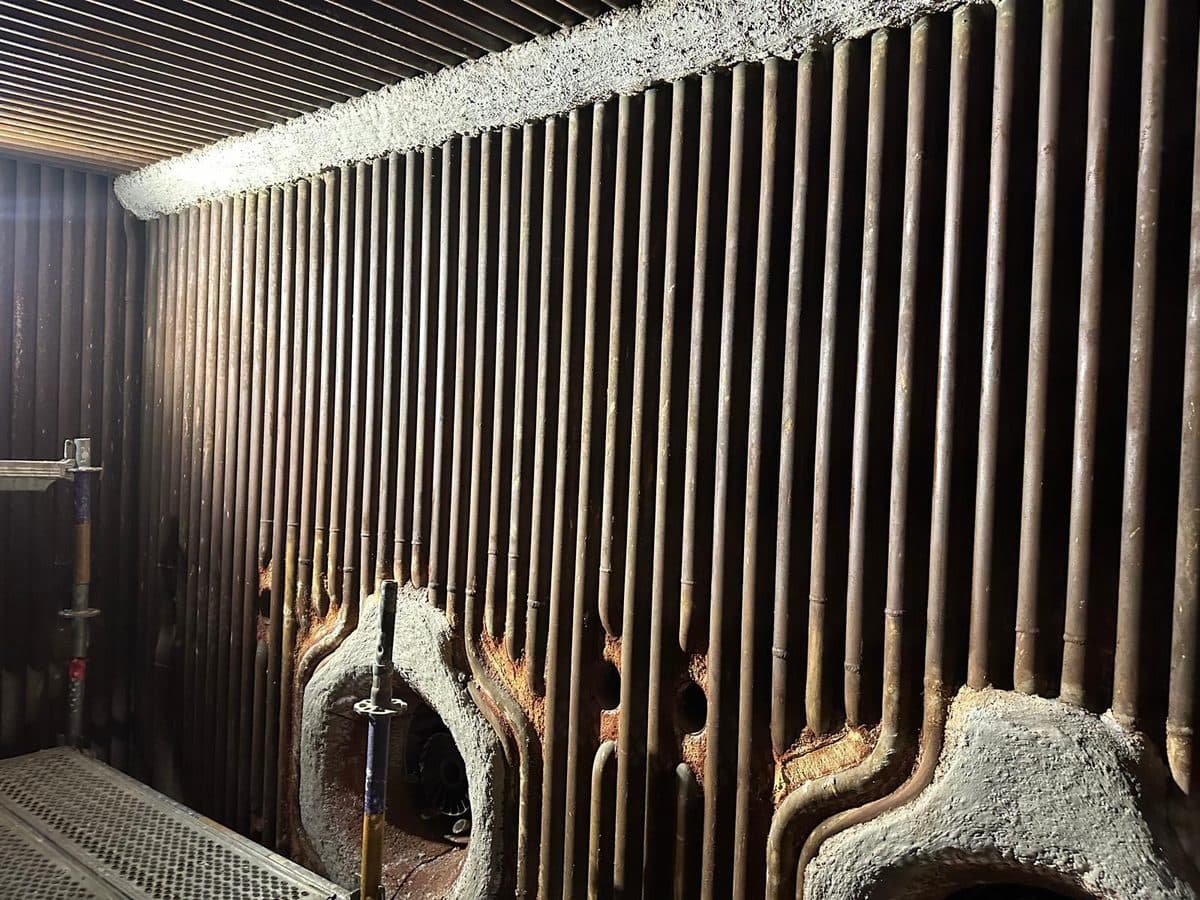
Protecting without blocking the heat: what matters when lining a boiler tube wall.

Only in the PDF7-point checklist for tube walls, the 3 typical mistakes, 2 photos from the boiler
To the article
Working in confined spaces: Before we go in
PDFAll plants

Working in confined spaces: Before we go in

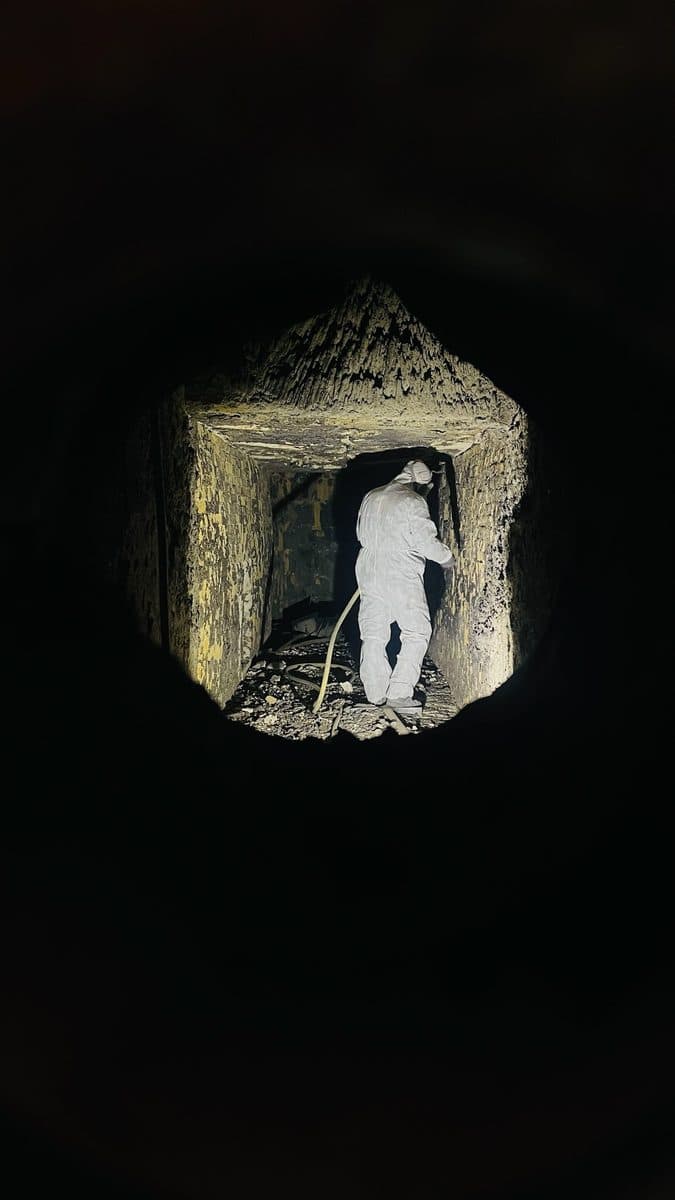
Access, supervision, light and air: what is settled before anyone enters a furnace or boiler.

Only in the PDF7-point pre-entry checklist, the 3 typical omissions, 2 photos
To the article

More insights from our projects

New insights from the job site every week – damage patterns, relinings and practical refractory know-how.

Share this article on LinkedIn

Exactly your question?

Then let's talk about your furnace: inspection, lining or maintenance during operation. Free initial consultation, quick reply.

CallSend enquiry

Your privacy matters to us.

We use cookies and similar technologies to ensure that our website functions properly and to analyse how our content is used. In the settings you can choose which cookies you wish to allow. Privacy policy