
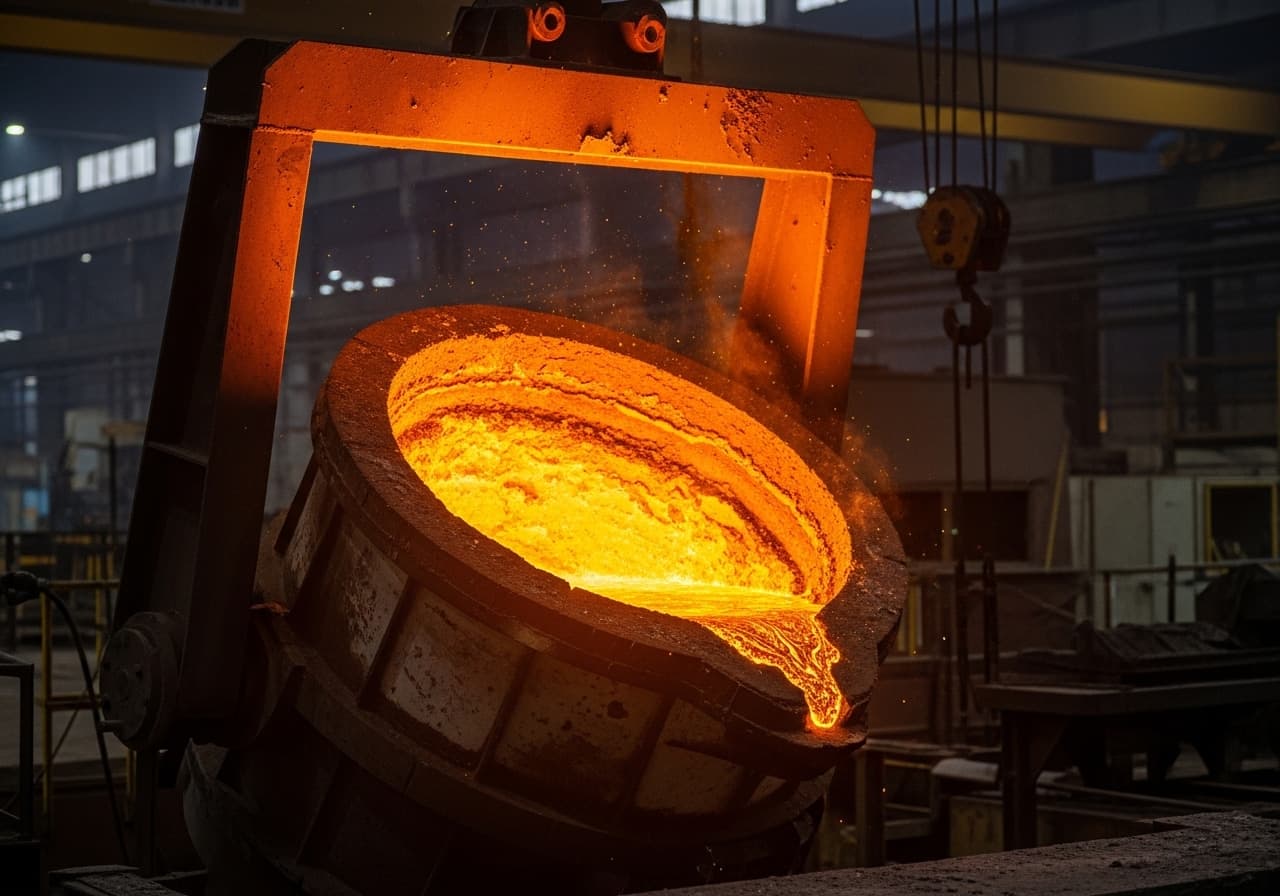
Aluminium melting furnace
Refractory lining and maintenance of aluminium melting furnaces for maximum service life and energy efficiency.
Furnace profile at a glance.
Furnace bath
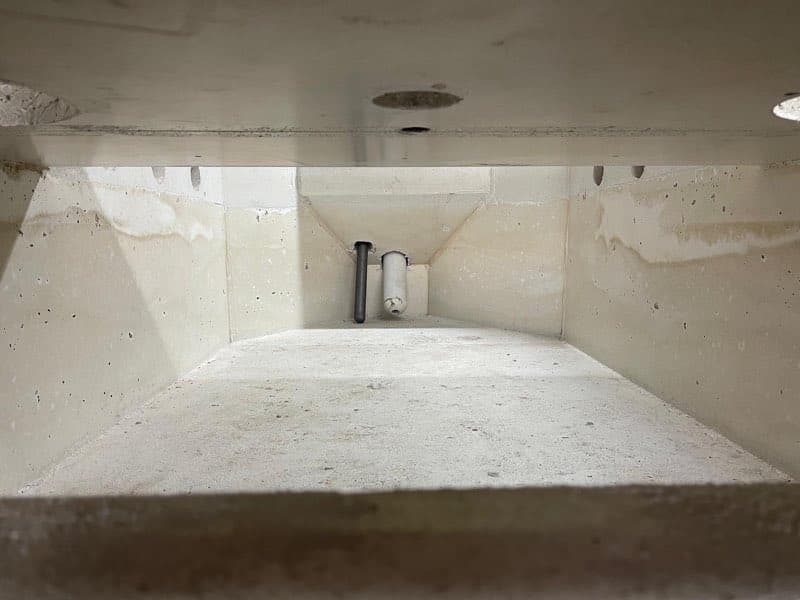
The furnace bath is the most heavily loaded assembly and is in permanent contact with the aluminium melt. It is typically built up from non-wetting special castables or high-alumina bricks and provided with a safety and insulating layer. Depending on furnace size, the bath thickness is 300–500 mm.
Side walls
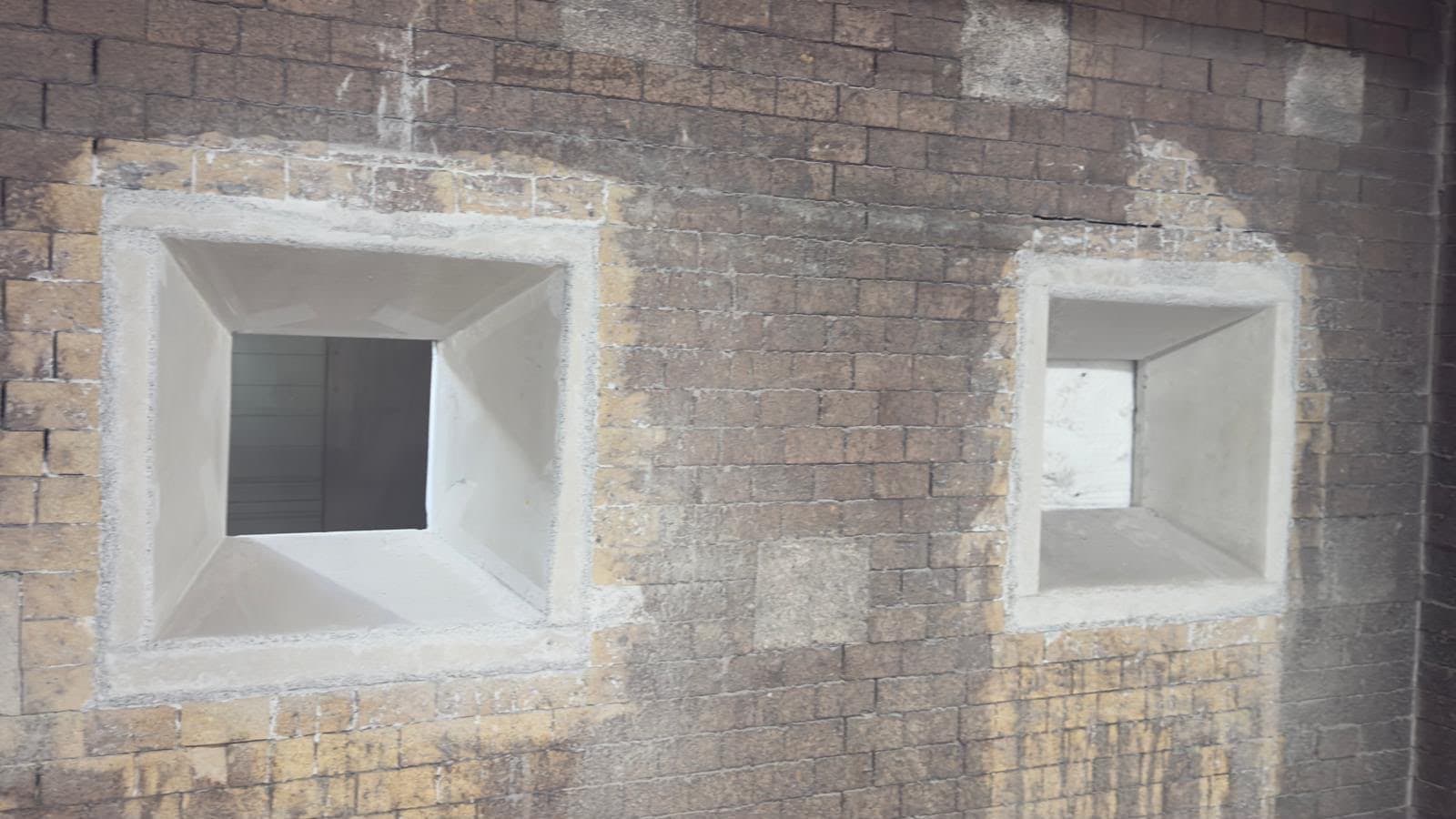
The side walls are particularly heavily loaded in the area of the slag line — this is where metal infiltration, salt slag attack and mechanical loading coincide. In this critical area SBS uses SiC-containing or spinel-based materials that offer superior resistance. The upper wall area above the bath line is insulated with lightweight castable or ceramic fibre.
Roof
The furnace roof is primarily under thermal load and must reflect the radiant heat of the burners. Ceramic fibre modules or blankets offer excellent insulating performance here at low weight. Rotary drum furnaces have no separate roof — instead, the entire cylindrical shell is lined.
Burner surround
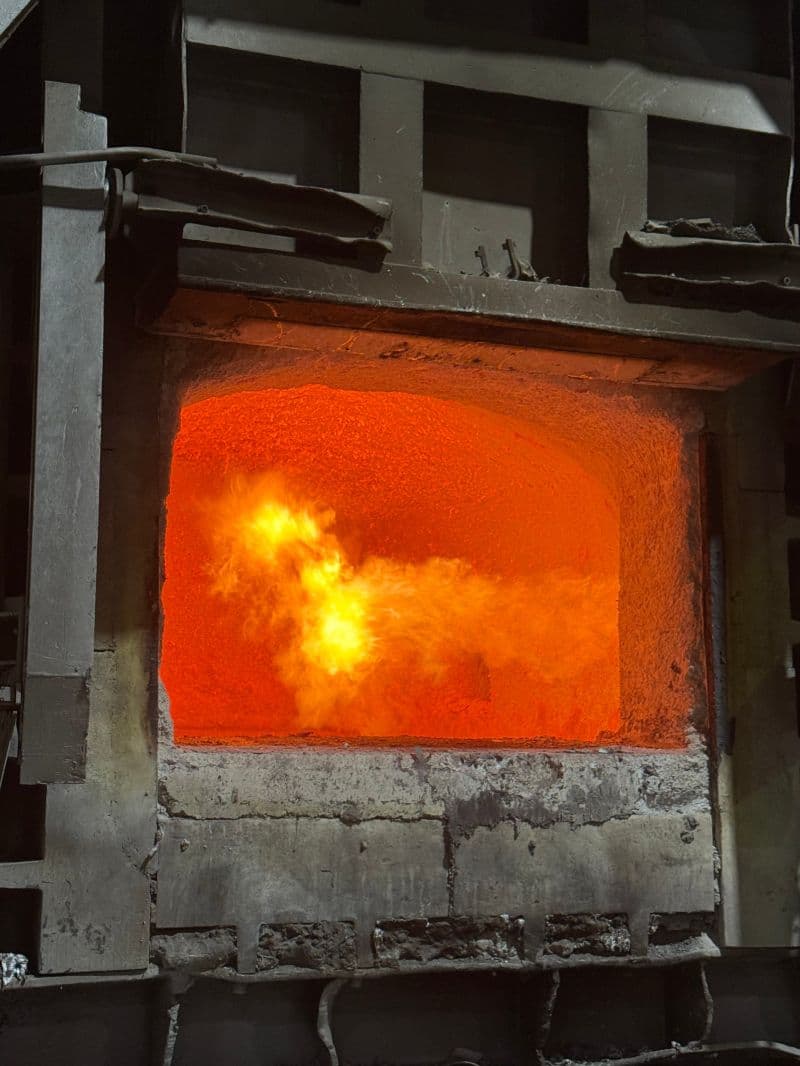
The burner blocks and the burner quarl are exposed to extreme thermal loads from direct flame impingement. Temperatures can reach up to 1,400 °C locally. SBS uses high-refractory burner blocks made of corundum or spinel that permanently withstand the flame temperature and ensure optimal burner geometry.
Tapping launder
The tapping launder carries the molten aluminium from the furnace into the transport ladle or the dosing furnace. It is exposed to thermal shock during tapping and to mechanical loading from the flow of the melt. Prefabricated launder elements of non-wetting refractory castable allow rapid replacement in the event of wear.
Reliable refractory solutions for peak melting performance.
The aluminium melting furnace is the heart of every aluminium smelter and recycling plant. Whether rotary drum furnace, tilting drum furnace or hearth furnace — the refractory lining is decisive for service life, energy efficiency and melt quality. At SBS Refractory Service, refractory installers with more than 35 years of experience work on aluminium melting furnaces, and we serve customers throughout Germany, Austria and Central Europe. Our teams of experienced refractory installers know the specific challenges of melting primary and secondary aluminium from daily practice. From the initial inspection and material selection through to controlled commissioning, we take on full project responsibility and plan for handover on schedule.
The strain placed on the refractory lining in aluminium melting furnaces is among the most demanding in the whole of refractory construction. Molten aluminium penetrates the pore structure of refractory materials and reacts there to form corundum (Al₂O₃), which increases in volume and destroys the lining from the inside out. At the same time, aggressive salt slags — particularly in secondary recycling — attack the surface and lead to accelerated chemical wear. Added to this are cyclic thermal loads from batch operation and mechanical impact during charging with ingots, scrap or dross. SBS relies on a proven material concept of non-wetting special castables, high-alumina bricks and ceramic fibre insulation that withstands these multiple loads.
A well-conceived refractory concept pays off economically: with the right combination of wear lining, safety lining and insulation, energy costs can be reduced by up to 25 per cent, shutdown times minimised and melt quality improved. In their planning, our specialists take into account not only the current condition of the furnace, but also the intended mode of operation, the alloys processed and the targets for service life and energy consumption. On completion of the work we prepare complete documentation including material certificates, a heat-up record and recommendations for regular maintenance. Via our 24/7 emergency hotline we remain available to you at any time even after project completion — for rapid assistance in the event of unexpected wear or a risk of breakthrough.
Typical problems with the Aluminium melting furnace.
These loads determine the choice of material and the design of the refractory lining.
Metal infiltration & corundum growth
Molten aluminium penetrates the open porosity of the refractory lining and oxidises there to form corundum (Al₂O₃). The associated increase in volume generates enormous stresses and leads to cracking and spalling. Non-wetting special castables with low porosity are the most effective protection against this mechanism.
Salt slag attack
In the recycling of secondary aluminium, salt mixtures (NaCl/KCl) are used as cover salts. These salt slags react aggressively with conventional refractory materials and lead to accelerated chemical wear. SBS uses salt-slag-resistant materials with an increased SiC or spinel content that withstand this attack.
Cyclic thermal loading
In batch operation the furnace is briefly opened with every charge — cold material meets the hot lining. These cyclic temperature swings of several hundred degrees generate thermal shock stresses that lead to micro-cracks and progressive material failure. Materials with high thermal shock resistance and a controlled heat-up after a complete relining are decisive.
Mechanical loading from charging
Charging with heavy ingots, scrap or dross places a high mechanical load on the furnace bottom and the side walls. Impact loading during charging with forklifts or cranes can cause local break-outs and cracks. Highly wear-resistant castables and a sufficient wall thickness protect the lining against premature failure.
Energy losses due to inadequate insulation
A poorly insulated melting furnace loses up to 30 per cent of the energy input through the furnace walls and the roof. Alongside the direct energy costs, this leads to elevated surface temperatures on the steel shell, which represent a safety risk. A multi-layer build-up of wear lining, safety lining and insulating layer maximises energy efficiency.
Materials & lining
Every zone of your furnace places its own demands on temperature resistance, chemical resistance and mechanical load capacity. We select the optimum material combination.
Click on a material for details
Non-wetting special castable
Refractory castableFurnace bath and side walls
High-alumina bricks (≥80 % Al₂O₃)
Refractory bricksHighly loaded zones and slag line
Ceramic fibre modules
Fibre insulationRoof and ceiling insulation
SiC-containing refractory mixes
Special castableSlag line and salt slag zone
Refractory gunning mix
Gunning mixRapid repairs and local patching
Insulating bricks (IFB / calcium silicate)
InsulationSafety and insulating layer
Typical work on the Aluminium melting furnace.
Our services for this furnace type — from complete relining to ongoing maintenance.
From site inspection to acceptance.
Our structured process ensures quality, on-time delivery and safety in every project.
Assessment & site inspection
Visual inspection and measurement of the residual lining thickness
Planning
Material selection and shutdown planning
Execution
Demolition, complete relining, dry-out and heat-up
Safety
Work carried out in compliance with SCC safety standards
Assessment & site inspection
Our refractory engineers first carry out a comprehensive condition analysis. This includes visual inspection of the entire lining, measurement of the residual lining thickness by ultrasound or core sampling, and thermographic imaging to identify hot spots on the steel shell. On the basis of this data we prepare a detailed inspection report with wear profiles and a forecast of the remaining service life. The inspection report forms the basis for deciding between a partial repair and a complete relining.
Planning
During the planning phase we develop a tailored material concept matched to the specific operating conditions of your furnace — alloy type, operating temperature, charging method and targets for service life and energy efficiency. We coordinate the shutdown window with your production planning and prepare a detailed construction schedule including manpower planning, material logistics and a milestone plan. All materials used are specified in advance and checked for availability in order to rule out delays.
Execution
Execution begins with the controlled cooling of the furnace and the mechanical or manual demolition of the old lining. After cleaning and inspecting the steel shell for deformation or corrosion damage, the new lining is built up layer by layer: insulating layer, safety lining and wear lining. Each layer is installed and documented in accordance with the manufacturer's specifications. Finally, the controlled dry-out and heat-up follow a defined temperature/time programme that prevents steam explosions and thermal stress cracks.
Safety
All work is carried out in strict compliance with SCC safety standards (Safety Certificate Contractors). Before work begins we prepare a detailed risk assessment and instruct all employees in the site-specific safety rules. Personal protective equipment, permit-to-work procedures for confined spaces and continuous air monitoring during hot work are a matter of course. Our safety record of more than 500,000 accident-free working hours demonstrates our commitment to occupational safety.
From our project portfolio.
Over 500 successfully completed refractory construction projects in the DACH region and the Benelux countries.

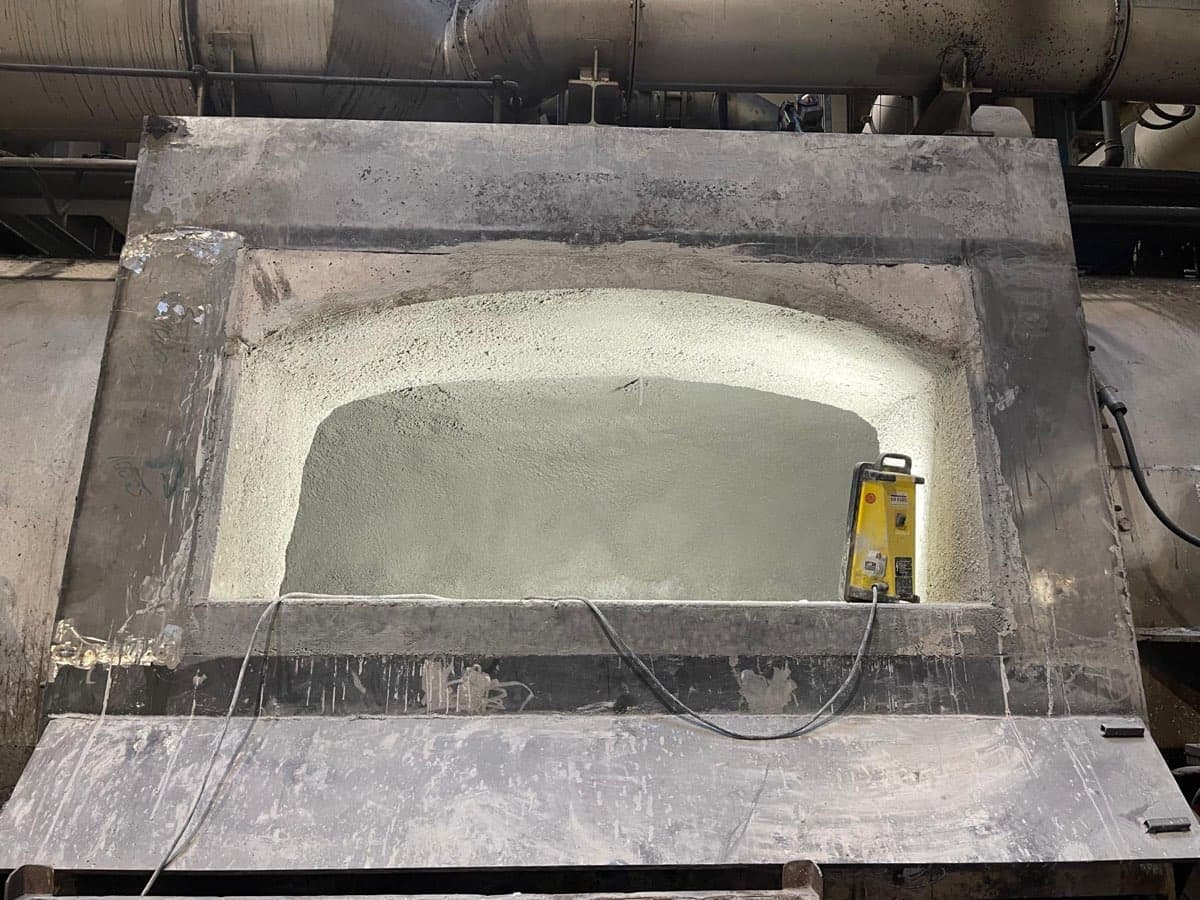
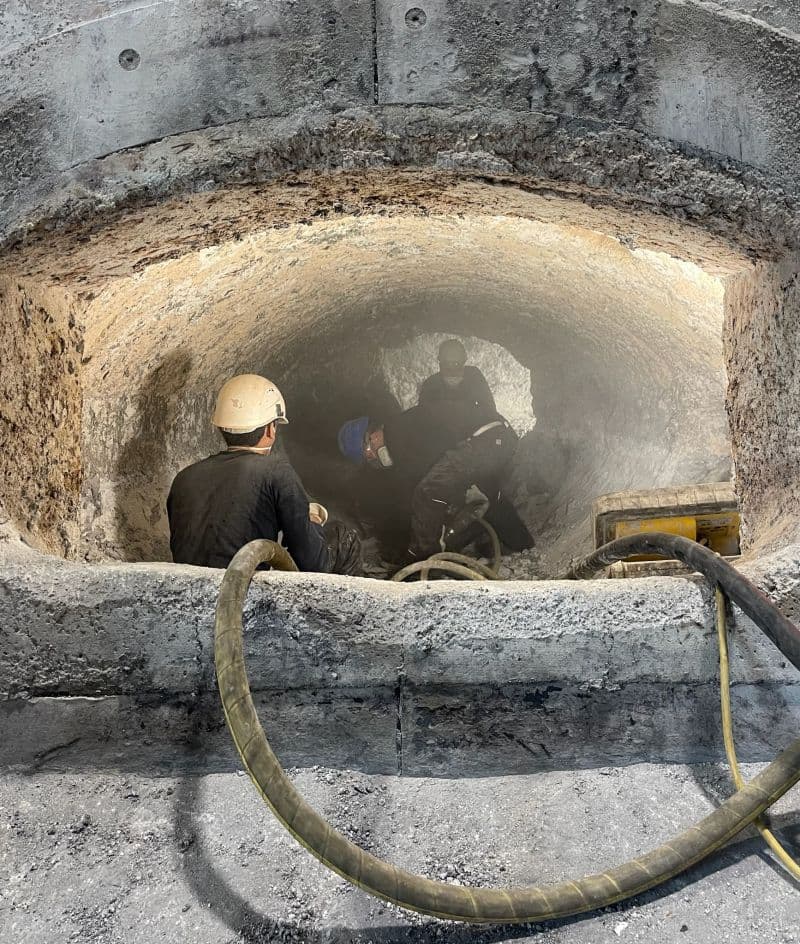
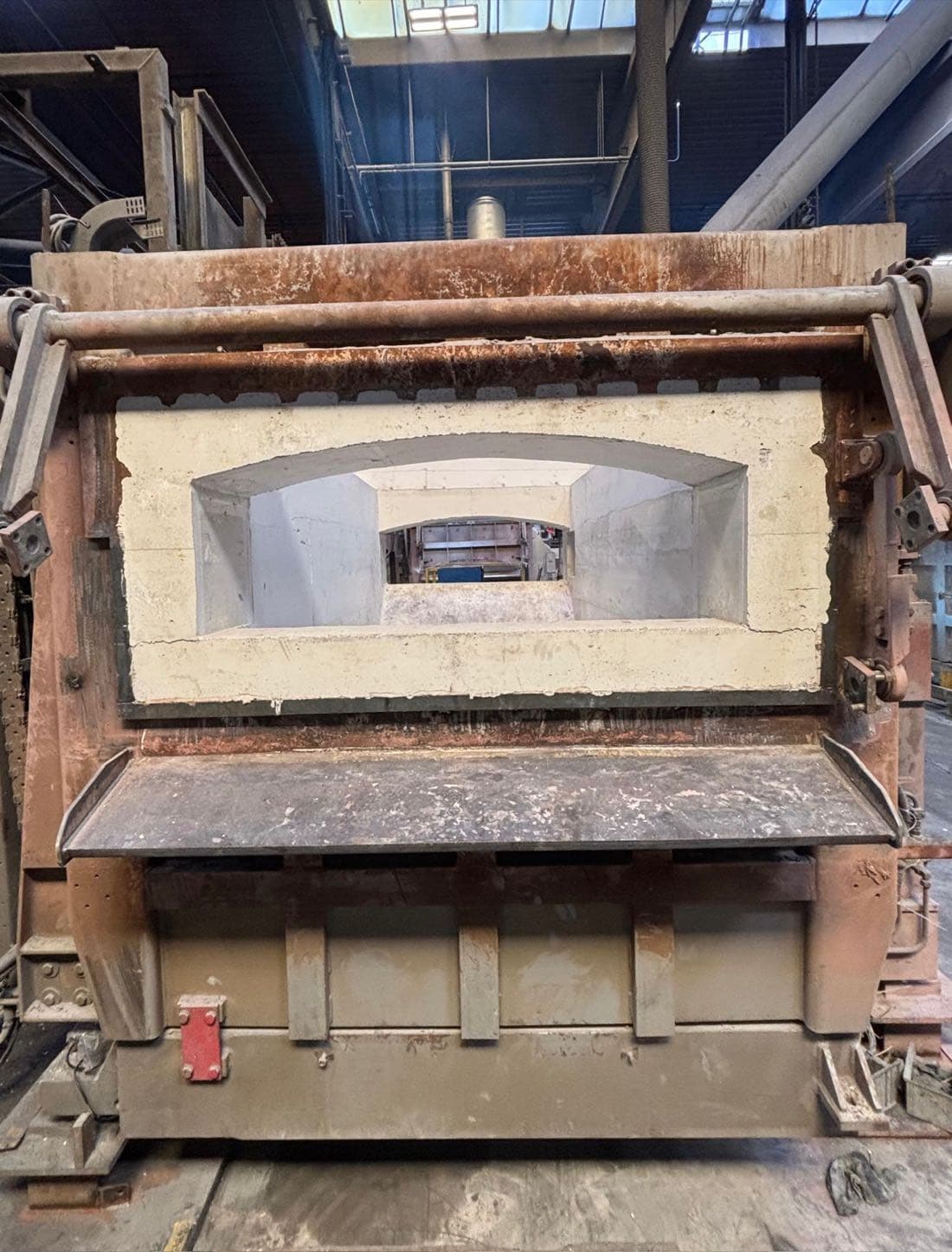
Aluminium melting furnace
Frequently asked questions
Everything you need to know about the Aluminium melting furnace
Go deeper.
You may also be interested in.
Planning a project?
Whether complete relining, repair or emergency — free initial consultation and a fast response.