
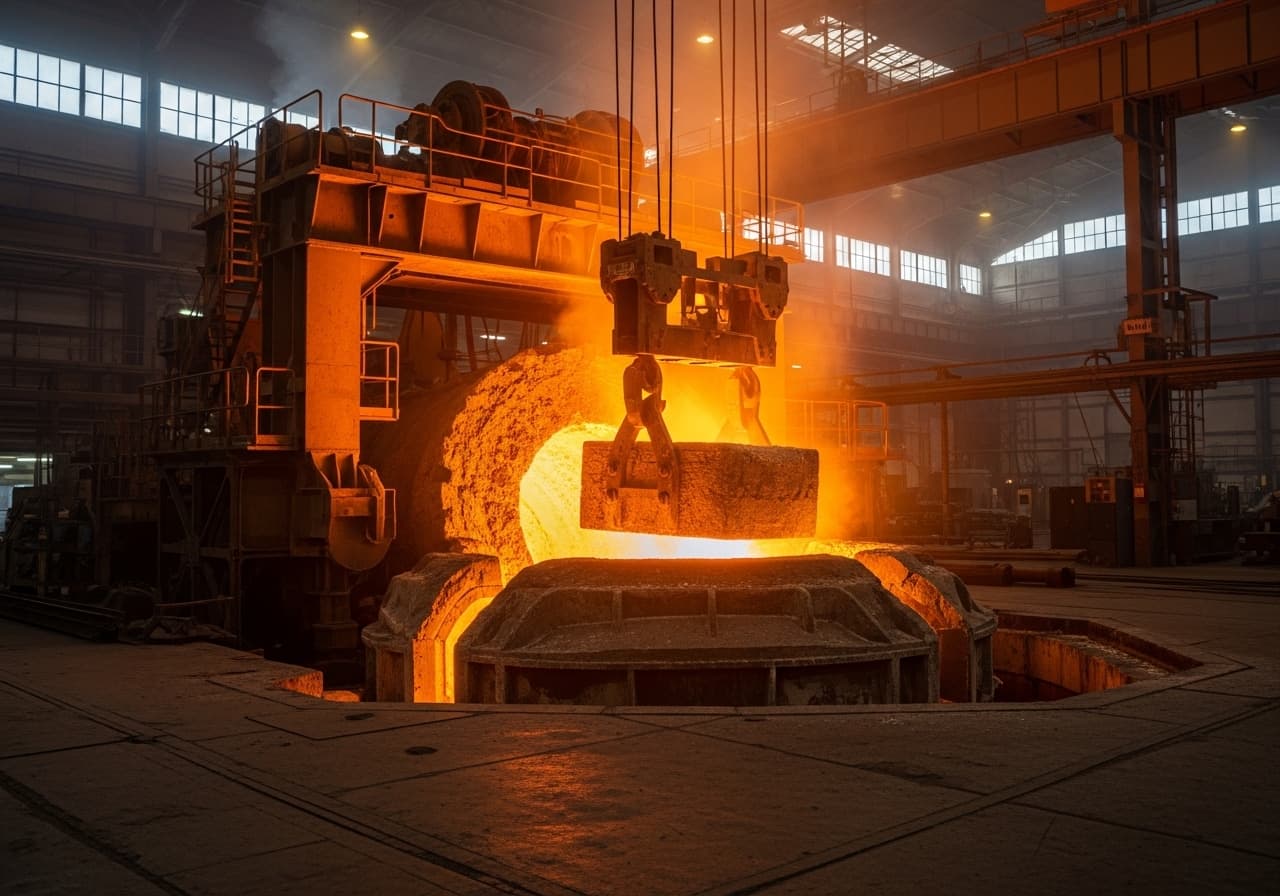
Soaking pit furnace
Refractory construction for soaking pit furnaces used in the heat treatment of aluminium components.
Furnace profile at a glance.
Furnace chamber
The cylindrical or rectangular furnace chamber is lined entirely with ceramic fibre modules or insulating bricks. The insulation must ensure a homogeneous temperature distribution while withstanding the mechanical loads imposed by the charge.
Insulation
The insulation is the central assembly of the soaking pit furnace and largely determines energy efficiency and temperature uniformity. The multi-layer build-up of ceramic fibre modules on the hot face and calcium silicate boards on the cold face offers optimal insulating performance.
Air circulation
The hot-air circulation ensures a uniform temperature distribution in the working space. The refractory lining of the flow ducts and baffles must be designed so that optimal air routing without dead zones is ensured.
Loading device
The loading device — crane, lifting frame or work carrier — must not damage the insulation when moving in and out. Protective plates and reinforced insulation areas at the furnace opening protect the sensitive ceramic fibre from mechanical loading.
Uniform heat treatment for the highest component quality.
The soaking pit furnace — also known as a shaft annealing furnace or pit furnace — is a vertically arranged industrial furnace used in the aluminium industry for the heat treatment of components and semi-finished products. Solution annealing, ageing, homogenising and stress-relief annealing at temperatures from 200 to 550 °C are among the typical processes. SBS Refractory Service specialises in refractory construction and insulation technology for soaking pit furnaces and offers tailored solutions for aluminium foundries, extrusion plants and automotive suppliers throughout Germany.
The requirements placed on the refractory lining of a soaking pit furnace differ fundamentally from those of a melting furnace. Since there is no contact with molten metal, the focus is on optimal thermal insulation and temperature uniformity throughout the furnace space. Temperature deviations of just a few °C can already have a negative effect on the mechanical properties of the heat-treated components. SBS relies on high-grade ceramic fibre modules and calcium silicate boards that ensure a uniform temperature distribution while minimising energy consumption.
The economic significance of optimal insulation is particularly evident in continuous operation: soaking pit furnaces often run on a multi-shift basis and consume considerable amounts of energy if the insulation is inadequate. Professional renewal of the insulation by SBS measurably reduces energy consumption and at the same time improves temperature homogeneity — a direct gain for product quality and operating costs. Our specialists document every measure without gaps and, on completion, prepare a temperature uniformity test report in accordance with AMS 2750.
Typical problems with the Soaking pit furnace.
These loads determine the choice of material and the design of the refractory lining.
Temperature uniformity in the furnace space
Heat treatment processes require a temperature distribution of ±5 °C throughout the working space. Local thermal bridges, damaged insulation or defective circulation systems lead to temperature gradients that jeopardise component quality.
Ageing of the insulation in continuous operation
Over the years, ceramic fibre modules and insulating boards lose insulating performance through thermal ageing and shrinkage. Joints open up and form thermal bridges that progressively increase energy consumption.
Mechanical damage during loading
When loading and unloading heavy charging baskets and components, the insulation on the walls and floor can be mechanically damaged. The lower wall areas and the furnace floor in particular are at risk from impact and abrasion.
Compliance with strict standard requirements
For heat treatment furnaces, the aerospace industry requires compliance with AMS 2750 and the automotive industry compliance with CQI-9. Every repair must be documented and verified by a SAT (System Accuracy Test).
Materials & lining
Every zone of your furnace places its own demands on temperature resistance, chemical resistance and mechanical load capacity. We select the optimum material combination.
Click on a material for details
Mineral wool insulation
InsulationPrimary insulation of the furnace walls
Ceramic fibre modules
Fibre insulationWall insulation
Calcium silicate boards
Insulating boardBack-up insulation
Typical work on the Soaking pit furnace.
Our services for this furnace type — from complete relining to ongoing maintenance.
From site inspection to acceptance.
Our structured process ensures quality, on-time delivery and safety in every project.
Assessment & site inspection
Temperature uniformity survey
Planning
Insulation concept for optimal temperature distribution
Execution
Renewal or reinforcement of the insulation
Safety
Complete documentation
Assessment & site inspection
Our specialists carry out a comprehensive condition analysis of the soaking pit furnace. Thermography is used to survey the outer skin of the furnace in order to locate thermal bridges and weak points in the insulation. Inside the furnace, insulating boards and ceramic fibre modules are inspected for shrinkage, joint opening and mechanical damage. In addition, a temperature uniformity survey (TUS) in accordance with AMS 2750 is carried out to document the actual performance of the furnace.
Planning
On the basis of the inspection findings we prepare a detailed insulation concept that ensures both thermal performance and standards compliance. Material selection is matched to the operating temperature, the required temperature uniformity and the mechanical loading. We coordinate the shutdown with your production planning and allow for the necessary re-testing (SAT/TUS) in the construction schedule. All materials are specified in advance and delivered on schedule.
Execution
After the furnace has cooled, the worn insulation is dismantled and disposed of properly. The furnace structure is checked for corrosion and deformation. The rebuild begins with the back-up insulation of calcium silicate boards, followed by the hot-face insulation with ceramic fibre modules installed by the folded or stacked method. Particular care is taken with the connections to heating elements, thermocouples and circulation openings. Finally, the furnace is heated up under control and a TUS is carried out.
Safety
All work is documented without gaps and carried out in accordance with standard industry safety standards. When handling ceramic fibre materials, the protective measures under TRGS 619 apply — FFP2-class respirators and protective suits are mandatory. For work in the deep furnace shaft, the regulations for confined spaces are applied: permit-to-work procedures, continuous ventilation and a standby attendant. The electrical heating systems are de-energised before work begins and secured against being switched back on.
From our project portfolio.
Over 500 successfully completed refractory construction projects in the DACH region and the Benelux countries.
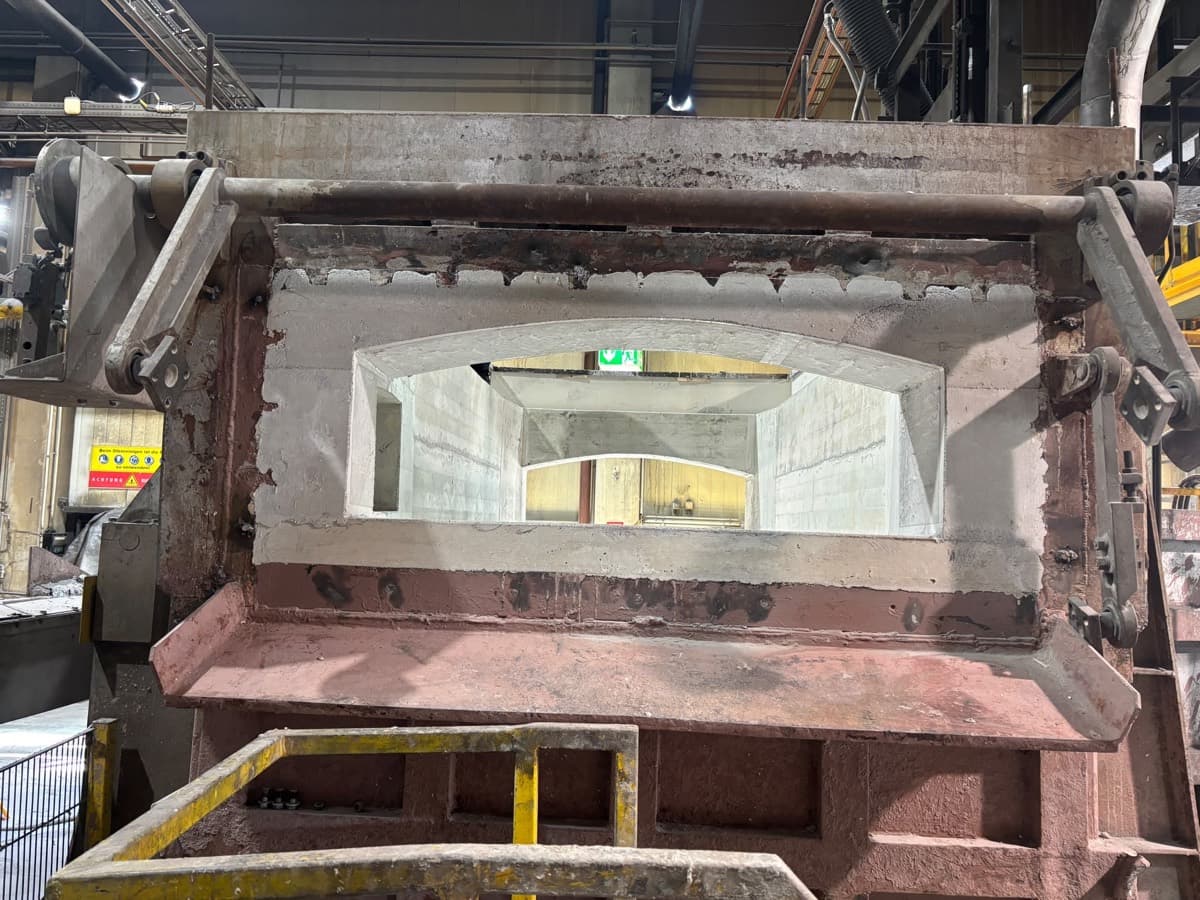
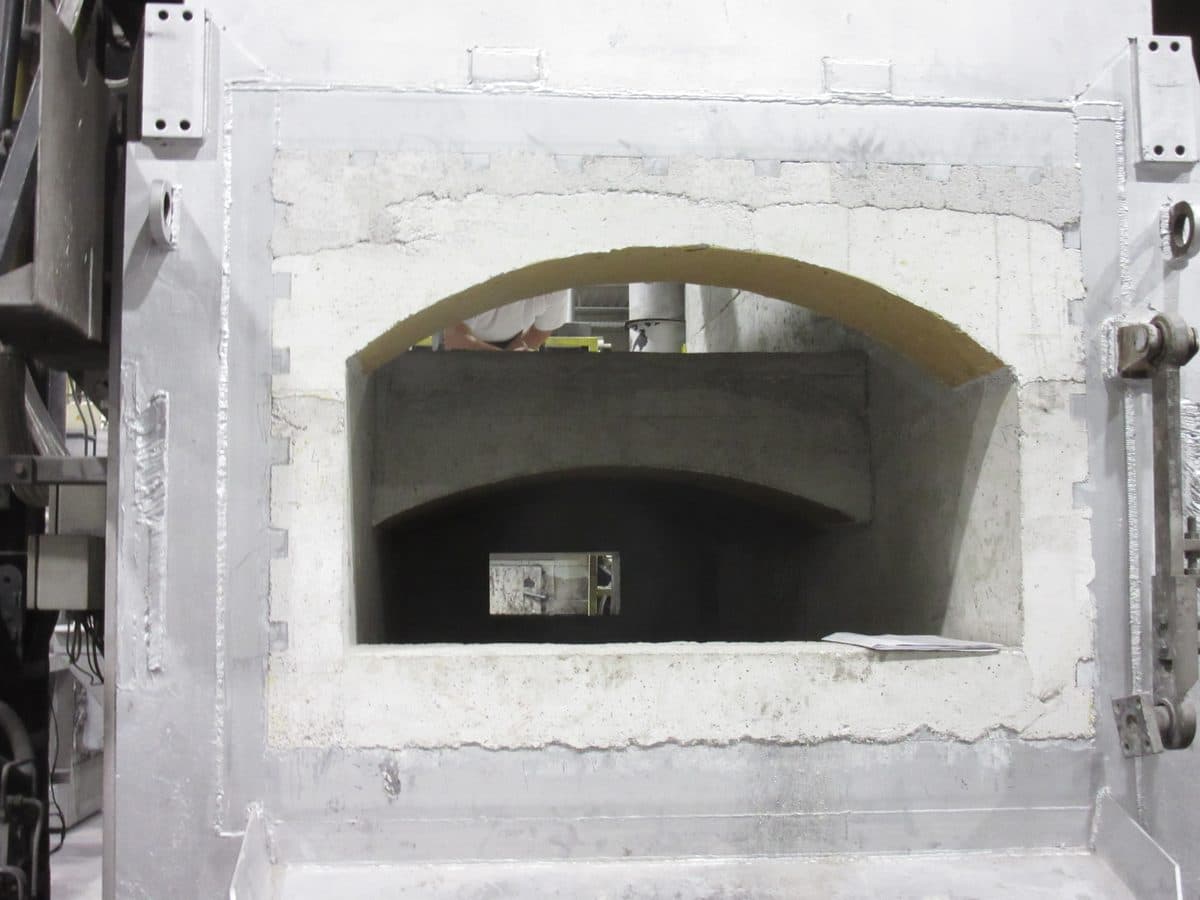
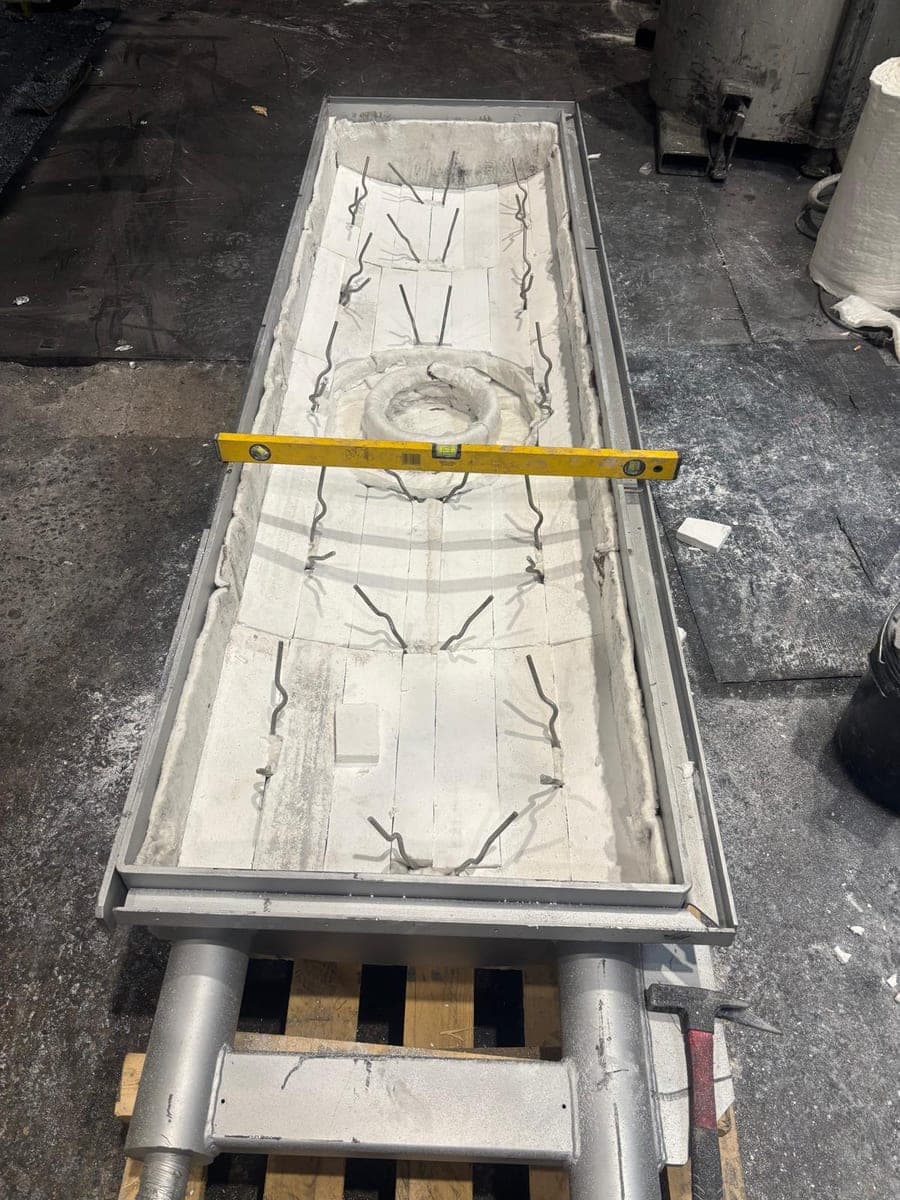
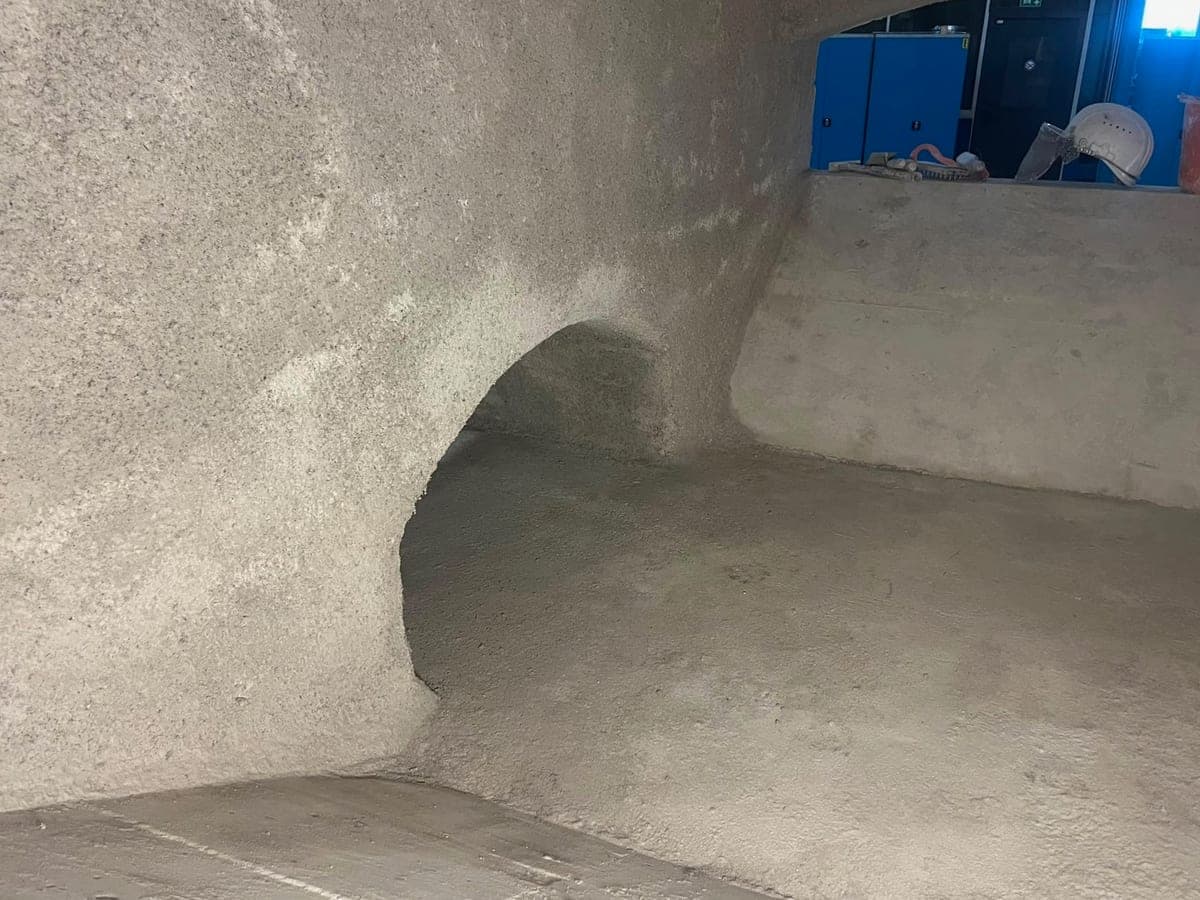
Soaking pit furnace
Frequently asked questions
Everything you need to know about the Soaking pit furnace
Go deeper.

You may also be interested in.
Planning a project?
Whether complete relining, repair or emergency — free initial consultation and a fast response.