Hydrogen in the furnace: flame, vapour, burner block
Hydrogen burns hotter, barely glows, puts water vapour instead of carbon dioxide into the furnace chamber and needs roughly three times the gas volume for the same energy. Four consequences that belong in the lining plan before the switch.
Switching to hydrogen is usually discussed as a burner question: which burner can do it, and when will the fuel be there? But the flame does not stand free in space, it stands in a lining. What changes about the fuel also changes for the components closest to the flame. Four points therefore belong in the planning before the first burner is replaced.
The flame gets hotter — the burner block stands in it first
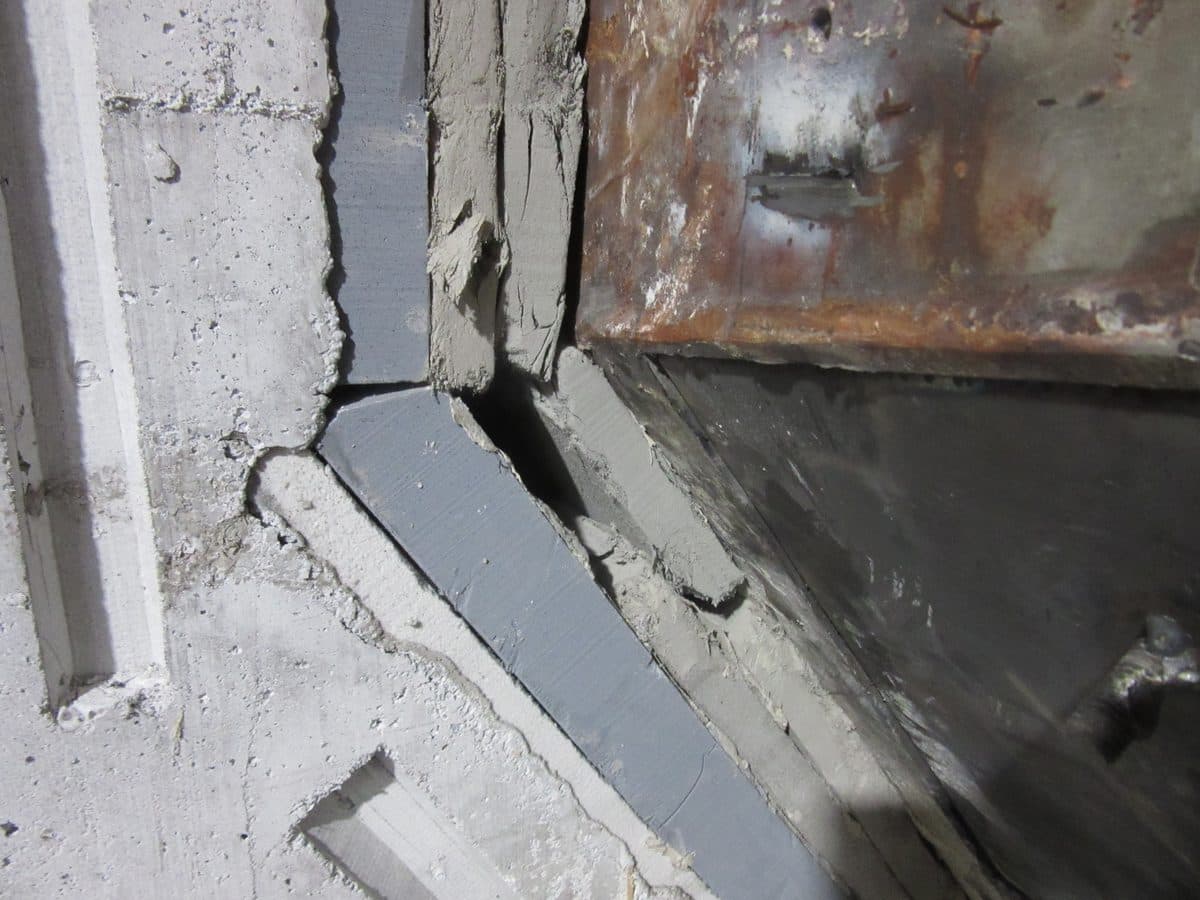
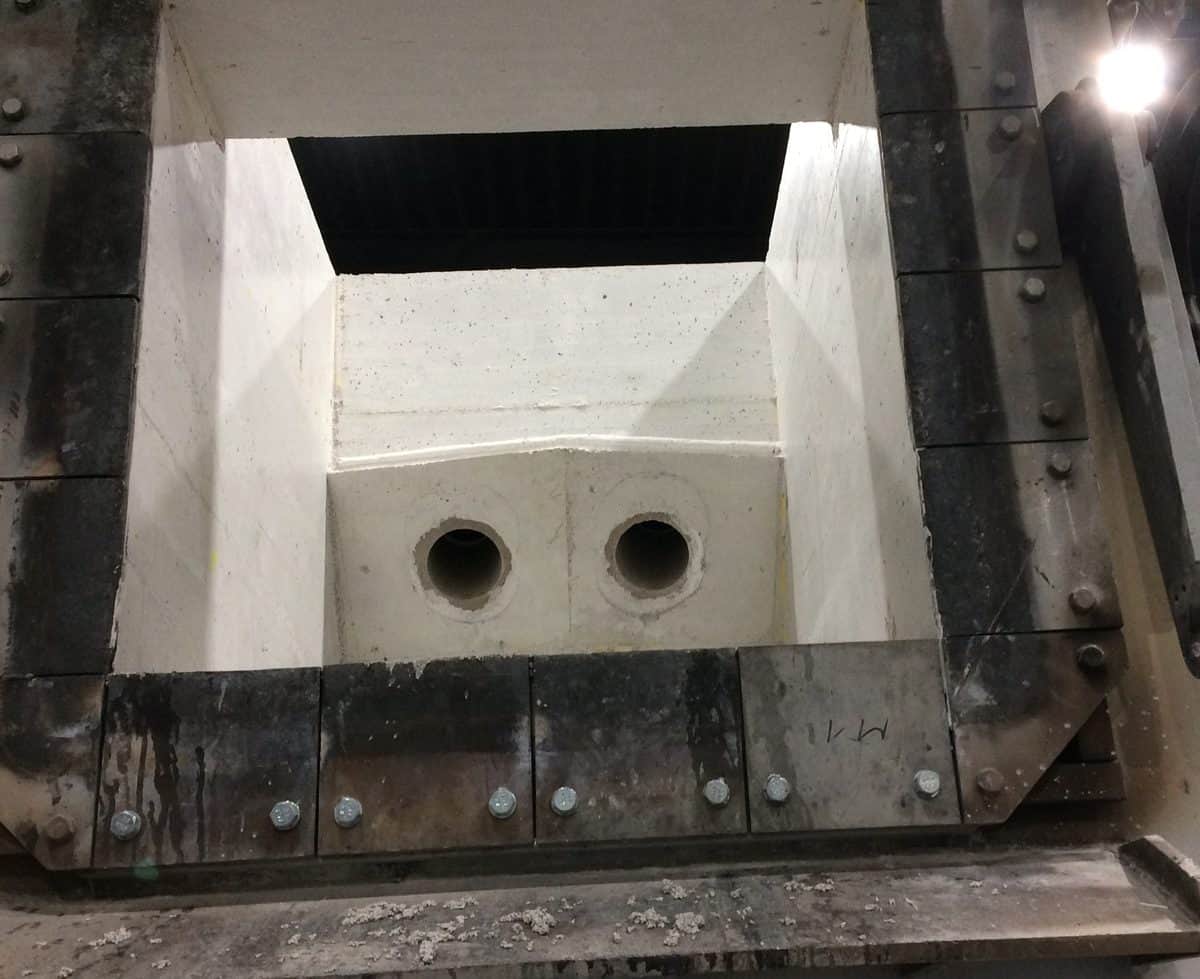
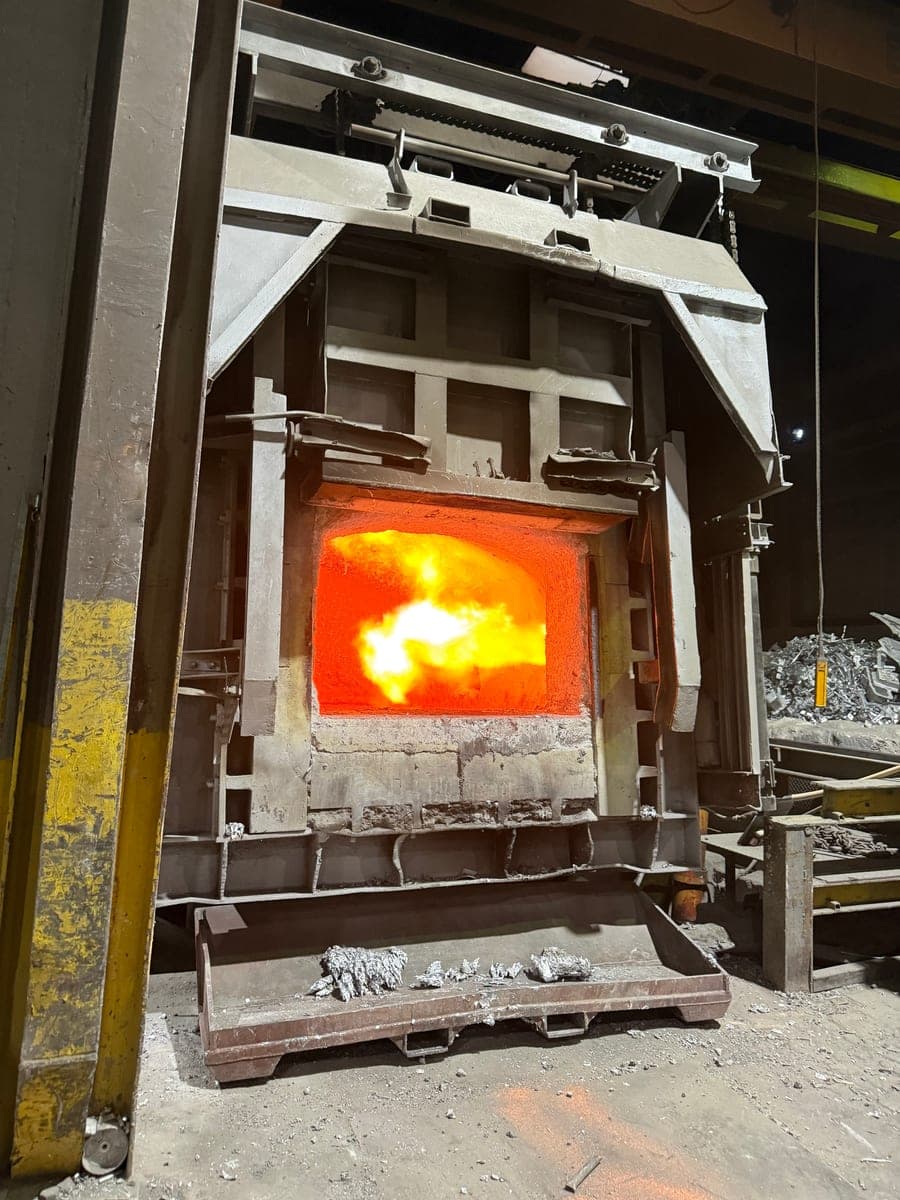
A hydrogen flame reaches around 2,000 °C and is therefore hotter than a natural gas flame. The difference sounds small, but it hits the component that already works hardest: the burner block. It sits at the temperature peak, it has an opening and therefore an edge, and it is at the same time the transition between two materials. Anyone switching puts the burner block into regular inspection instead of letting it run along with the wall as before.
It barely glows — the heat arrives differently
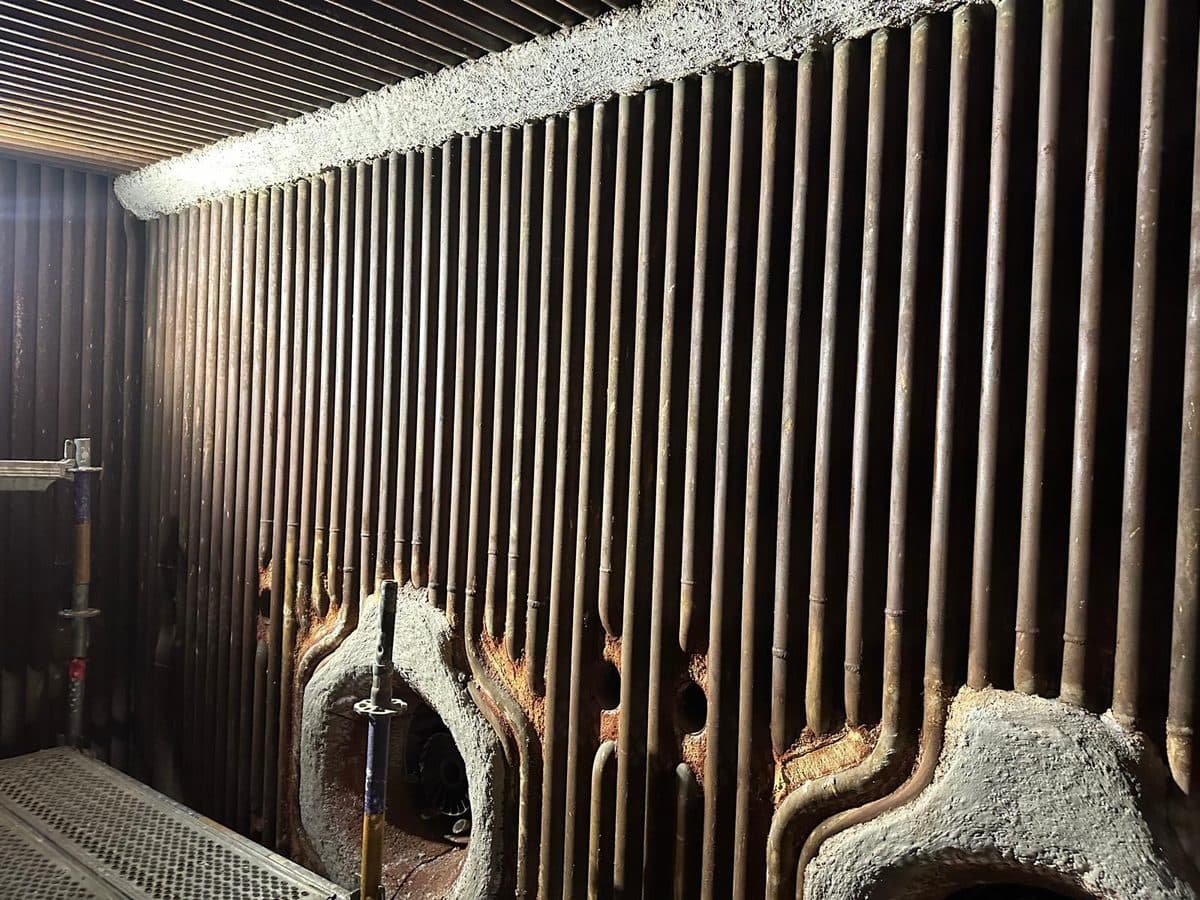
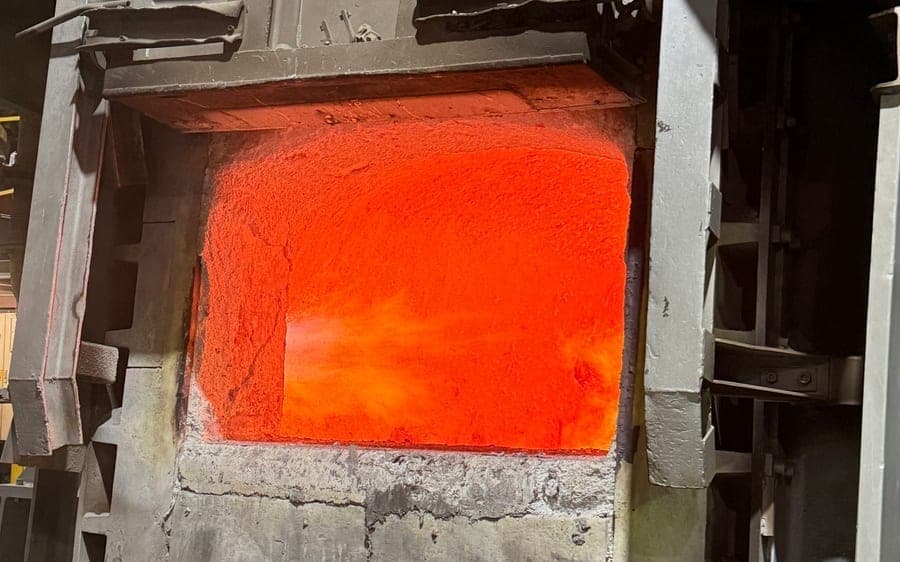
A natural gas flame radiates because soot particles glow in the combustion chamber. Hydrogen burns without carbon and is therefore almost invisible. Part of the heat that used to arrive as radiation shifts into convection. For the lining this means the temperature distribution in the chamber shifts, and zones that were inconspicuous until now can become hotter. After the switch, a thermographic survey on the running furnace is worth it, to record the new picture once.
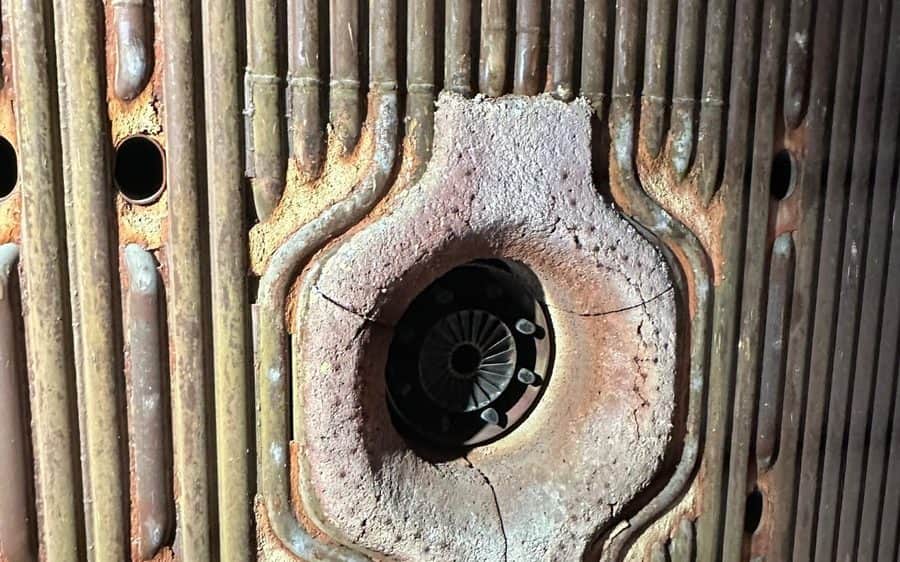
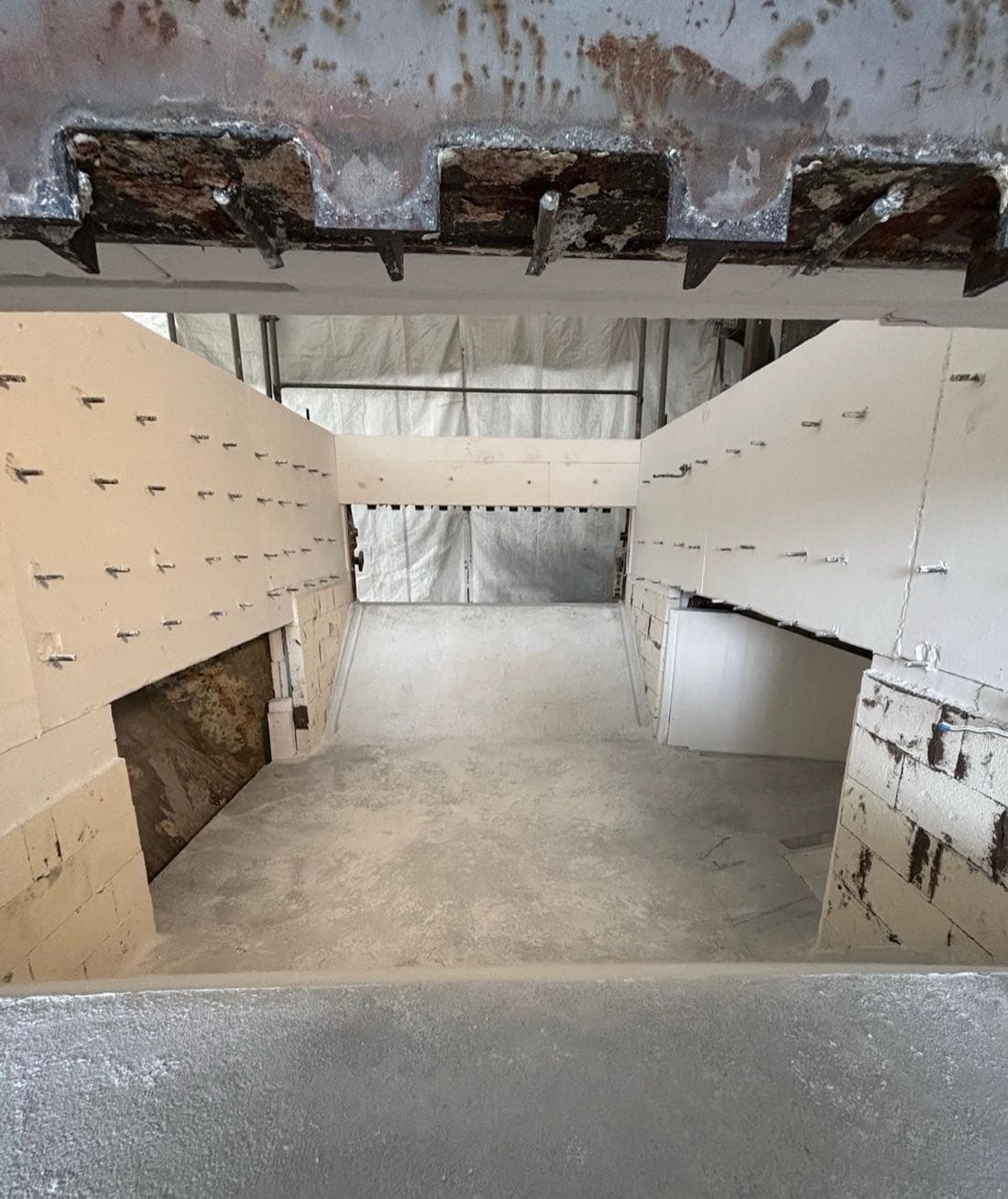
Every burner opening is an edge at the temperature peak — a change of fuel makes it the first inspection point
More water vapour in the furnace chamber
Hydrogen burns to water. Instead of carbon dioxide, water vapour ends up in the furnace chamber, and considerably more of it than before. Whether that matters to a material depends on the material: some products tolerate a damp furnace atmosphere without difficulty, others do not. This question cannot be answered in general terms and belongs with the supplier — stating the hydrogen share you are aiming for. It affects not only the working lining but also the insulation behind it.
Roughly three times the gas volume
A cubic metre of hydrogen carries about a third of the energy of a cubic metre of natural gas. For the same output, roughly three times the volume has to pass through the burner. That is first of all a question of pipework, but it also concerns the brickwork: burner openings, ducts and flue cross-sections are designed for one volume flow. Anyone planning a relining and leaving the switch for later can size the openings for the later operation straight away — afterwards it is a second building site.
Take burner blocks out of the wall cycle and inspect them individually.
Run a thermographic survey once after the switch: the heat is distributed differently than before.
Put the material question to the supplier in writing, with the planned hydrogen share — separately for working lining and insulation.
Check burner openings and flue cross-sections against three times the volume flow.
If a relining is due anyway: size the openings for the later operation right away.
A change of fuel is not purely a burner question. A hotter flame, shifted heat distribution, a damper atmosphere and three times the volume flow all meet the same lining. Checking this before the conversion saves the second shutdown.
At a glance
2,000 °C
order of magnitude of the hydrogen flame — the burner block stands in it first
3×
gas volume for the same energy: check openings and cross-sections
H₂O
water vapour instead of carbon dioxide — put the material question to the supplier
We use cookies and similar technologies to ensure that our website functions properly and to analyse how our content is used. In the settings you can choose which cookies you wish to allow. Privacy policy

 PDFBurner-fired furnaces