Electrifying an existing furnace: what it does to the lining
Existing gas-fired furnaces can be electrified without tearing them down. For the lining that means: inspect first, convert second — and treat the new connections as new wear zones.
A gas-fired melting furnace does not have to be torn down to melt electrically. In October 2026 the trade press presented a process in which the melt is pumped from the existing furnace into an externally mounted, inductively heated crucible and returned superheated. The furnace stays, the heating moves outside. That is economically attractive — and for the lining a change that should not simply be allowed to run along unnoticed.
Inspect first, convert second
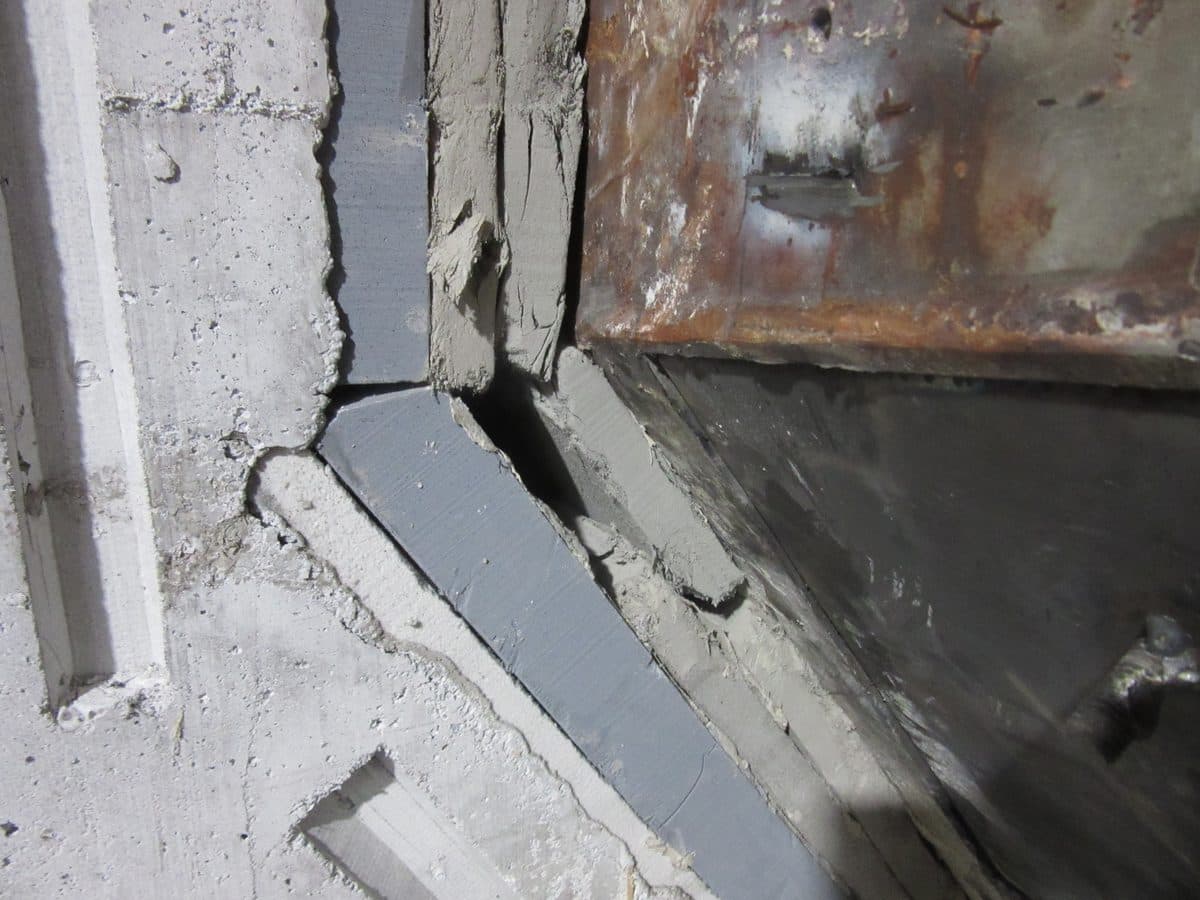
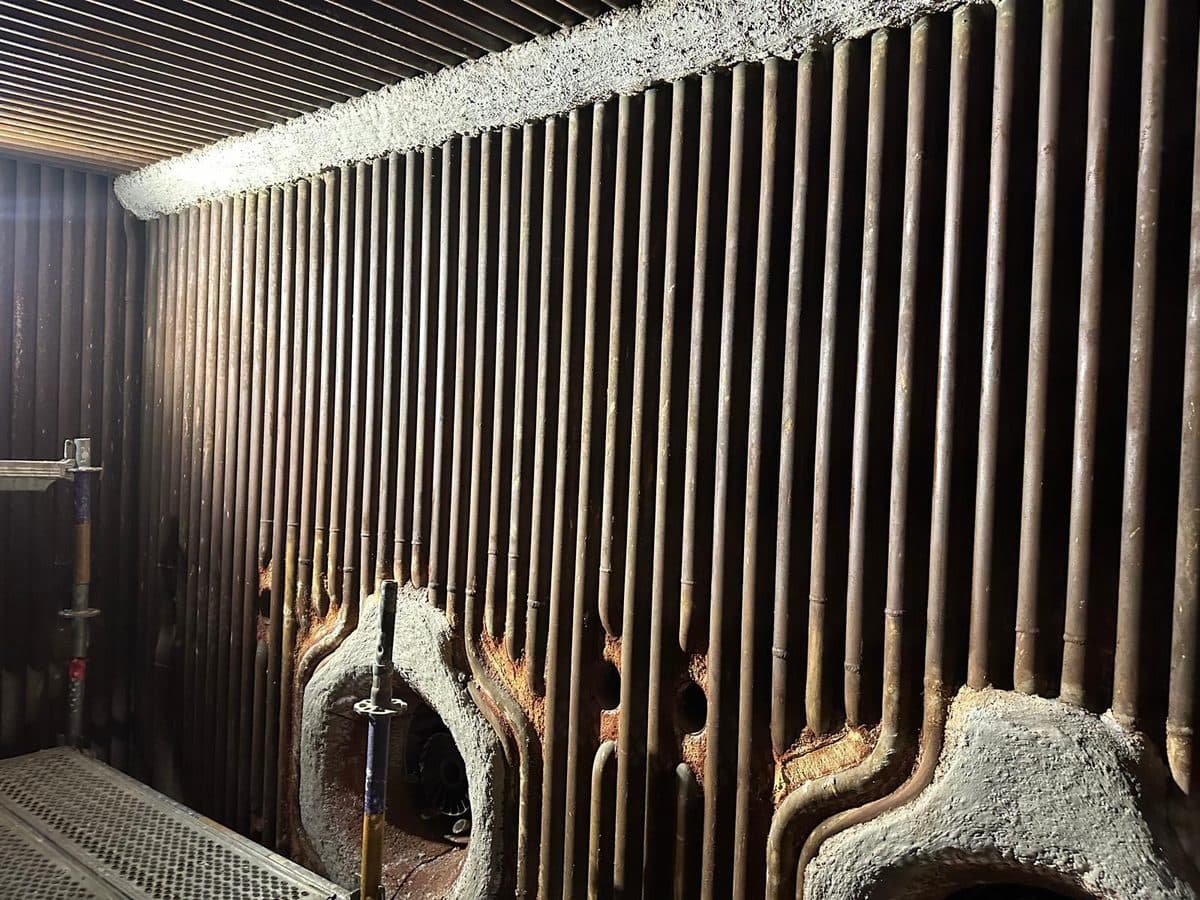
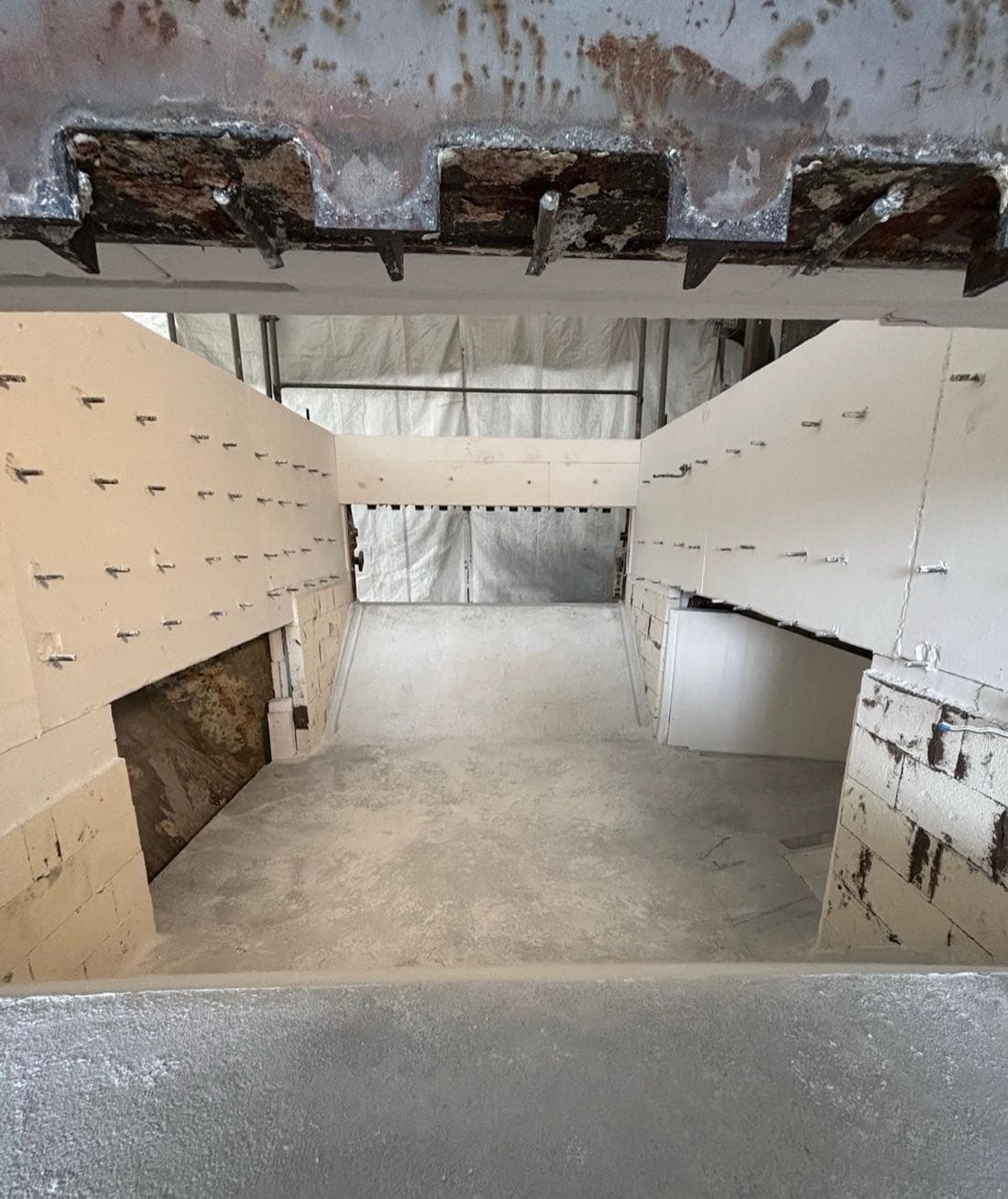
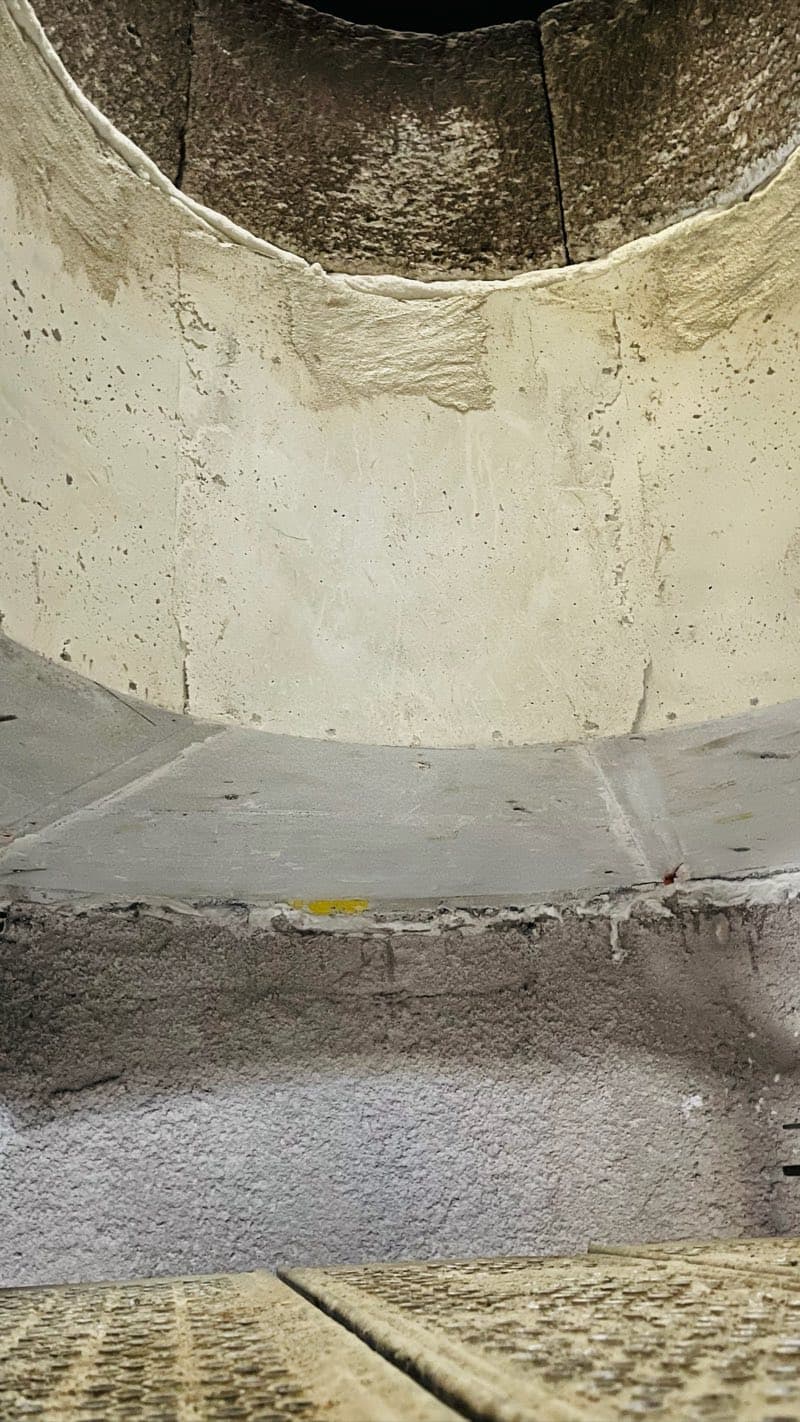
A conversion only pays off on a sound lining. If the lining is at the end of its campaign anyway, a new heating system is being built onto a component that will force a shutdown shortly afterwards. Residual wall thickness and hotspots therefore belong on the table before the decision — measured, not estimated. Thermography on the running furnace and a walk-through during a shutdown are enough for this question.
Every new connection is a new wear zone
Where the melt is drawn off and returned superheated, openings appear in a wall that was previously closed. Three things meet there, each of which causes damage on its own: a break in geometry, a temperature peak and a material transition. It is the same damage focus known from tap holes and runners. Material, joint pattern and anchoring at these points are specified separately, not carried over from the plain wall.
More throughput means more wear
The point of the conversion is usually more melting capacity or less gas. If the furnace then runs more batches, the lining gets more movement, more thermal cycling and more mechanical attack during charging. Inspection intervals tied to the calendar no longer fit: they belong on the throughput. Anyone who inspected every six months and then runs considerably more should inspect earlier.
The window is the next cold repair
The heating decides the lining: insulation, materials and openings all depend on the energy carrier. Doing both in one shutdown is therefore not only cheaper but technically cleaner. Conversely, a relining carried out without a view of the future heating commits the operation for the length of the next campaign. The University of Stuttgart described this connection for the glass industry in 2026: a cold repair not used for the technology change can lock in another ten to twenty years. The same mechanism applies to other furnace types, only with shorter campaigns.
Measure residual wall thickness and hotspots before deciding on the conversion.
Plan the openings for extraction and return as a zone of their own: material, joints, anchoring.
Tie inspection intervals to the new throughput, not to the calendar.
Put the conversion and the due relining into the same shutdown.
Before a relining, settle how the furnace will be heated in ten years.
Retrofitting is not a peripheral change. The wall gets new holes, the melt comes back hotter, and the furnace runs more. All three land in the lining — best in the same shutdown as the conversion.
At a glance
Inspection
before the conversion: residual wall thickness and hotspots, measured not estimated
We use cookies and similar technologies to ensure that our website functions properly and to analyse how our content is used. In the settings you can choose which cookies you wish to allow. Privacy policy

 PDFEnergy & Cross-Sector