SBS Refractory Service
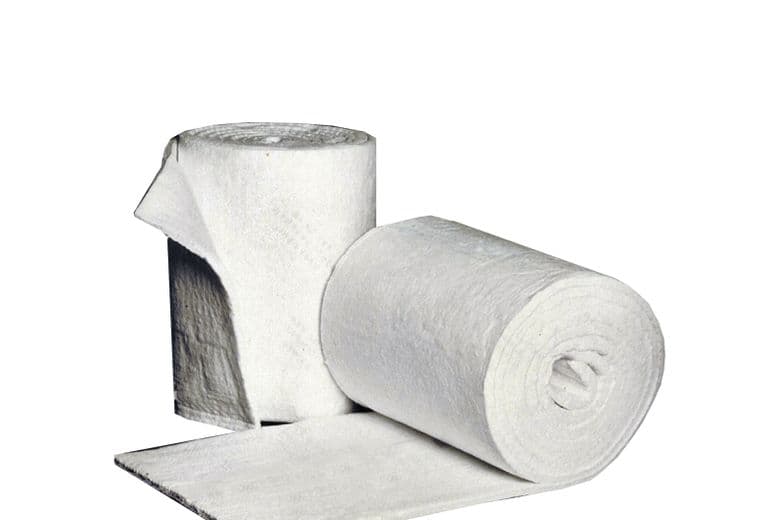
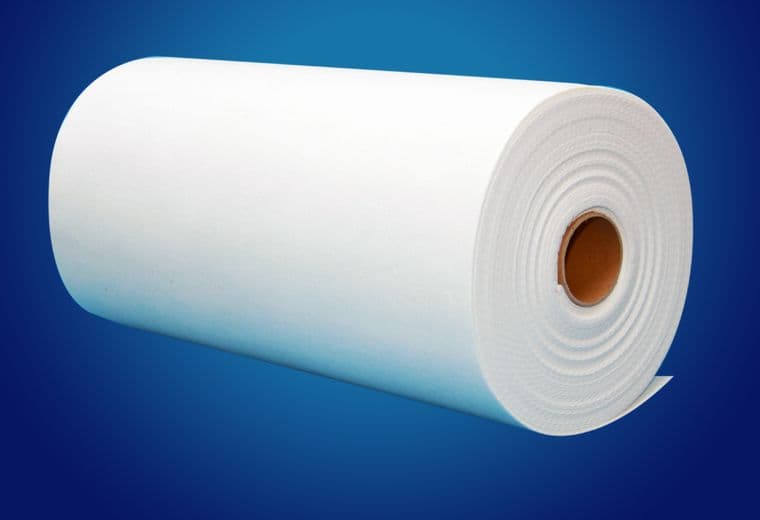
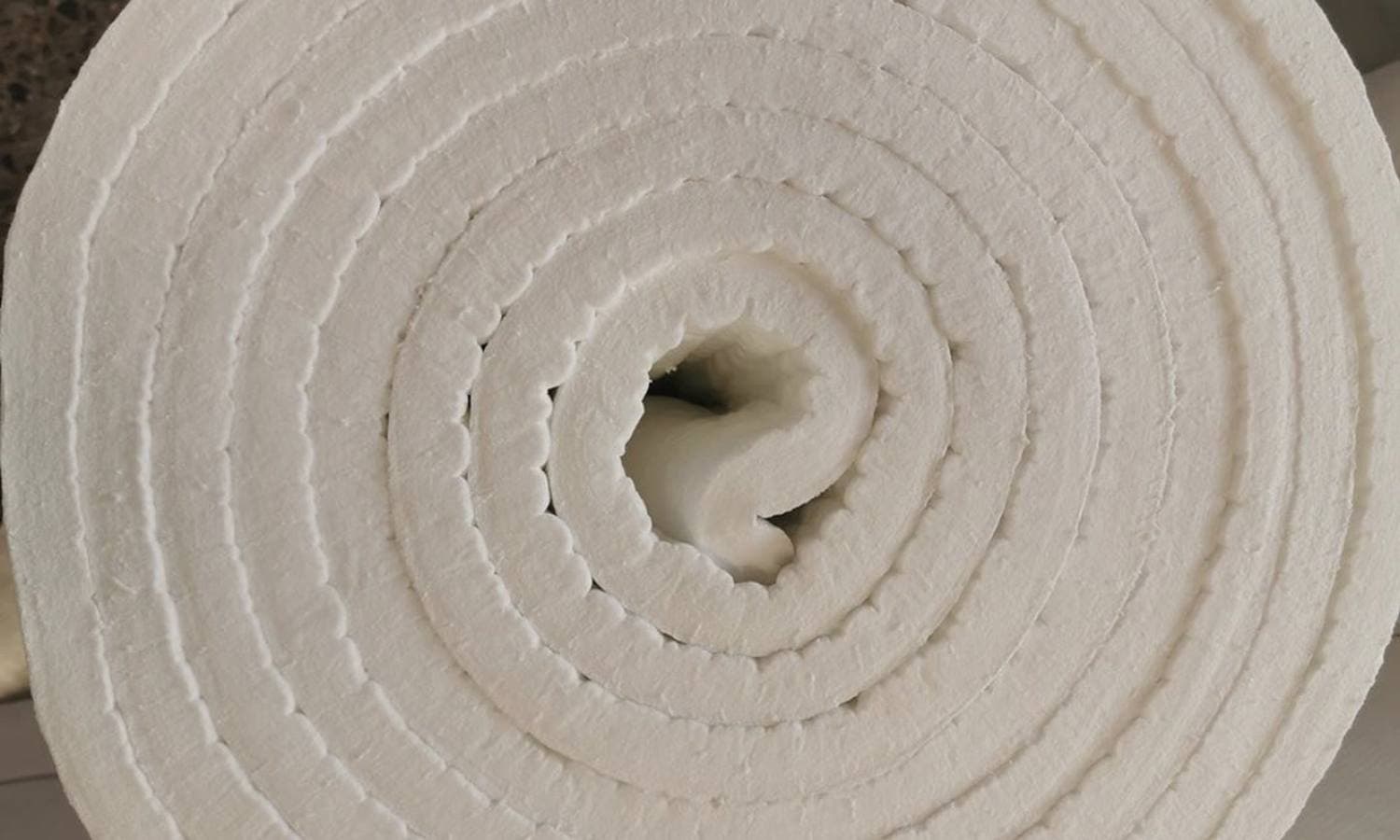
Close-up of a rolled SOLUT ceramic fibre blanket
SOLUT · High-Temperature Insulation Materials

Ceramic Fibre Products up to 1430 °C

Fibre blankets, folded modules, boards, paper and seals — as ASW for the hot zone and as bio-soluble AES grade where classification-free material is required. From a single source: material selection, cutting, delivery and installation by our own fitters.

1200–1430 °C
Classification temperature
8
Product families
AES & ASW
bio-soluble or standard
24/7
Emergency service
Overview

Range by classification temperature

The number in the product name is the classification temperature to DIN EN 1094-1 — not the continuous service temperature. For amorphous wools, the latter is typically 100–150 °C lower.

ProductMaterialClass. temp.Bulk densityTypical supply form
SOLUT ST BlanketASW1260 °C96 / 128 kg/m³Roll 610 mm, 6.4–50.8 mm
SOLUT HA BlanketASW1350 °C96 / 128 kg/m³Roll 610 mm, 6.4–50.8 mm
SOLUT HT BlanketASW1430 °C96 / 128 kg/m³Roll 610 mm, 6.4–50.8 mm
SOLUT BW Blanket 1200AES bio-soluble1200 °C64–160 kg/m³Roll 610 mm, 6–50 mm
SOLUT Board / BW BoardASWAES1000–1430 °Con requestBoard, vacuum-formed part
SOLUT ModuleASW1260–1430 °C160–200 kg/m³Folded module with anchor
SOLUT ST / HA PaperASW1260 / 1350 °C200 / 240 kg/m³Roll, 1–6 mm
SOLUT BW PaperAES bio-soluble1200 °C200 kg/m³Roll, 1–6 mm
SOLUT CAL BoardCalcium silicate1000 °C250–770 kg/m³2440 × 1220 mm
SOLUT MP Boardmicroporous1000 / 1100 °C270–320 kg/m³1000 × 600 / 500 mm
SOLUT Rope / Glass Fiber TapeASWGlass clothup to 1260 °CRound rope, tape
Note for design: Fibre products belong in the back-up insulation behind the refractory wear lining — not in direct contact with molten metal. We check the lining layer build-up before preparing a quotation.
Product families

Eight product families, one point of contact

Every product with a data sheet for direct download — no form required.

SOLUT Blanket ceramic fibre blanket, roll and cut piece
ASWBlanket

SOLUT Blanket ST · HA · HT

Long-fibre, double-needled blankets based on alumina/silica for back-up insulation, expansion joints and roof insulation.

Classification temperature
1260 / 1350 / 1430 °C
Bulk density
96 · 128 kg/m³
Tensile strength
50 · 70 kPa
λ at 600 °C
0.15–0.19 W/mK
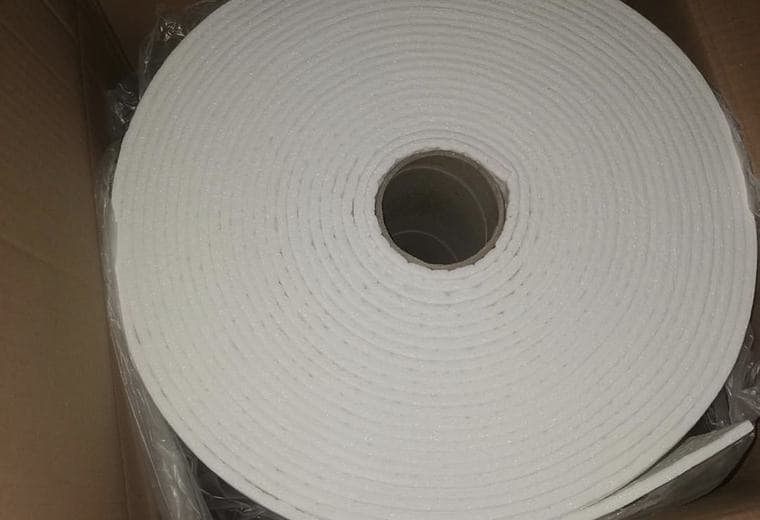
SOLUT BW Blanket – bio-soluble fibre blanket on a roll
AES bio-solubleBlanket

SOLUT BW Blanket 1200

Bio-soluble silica-based blanket — exempt from classification under Note Q of the CLP Regulation and therefore free of hazard labelling.

Classification temperature
1200 °C
Bulk density
64 · 96 · 128 · 160 kg/m³
Thicknesses
6–50 mm
Roll length
3.66–22.0 m
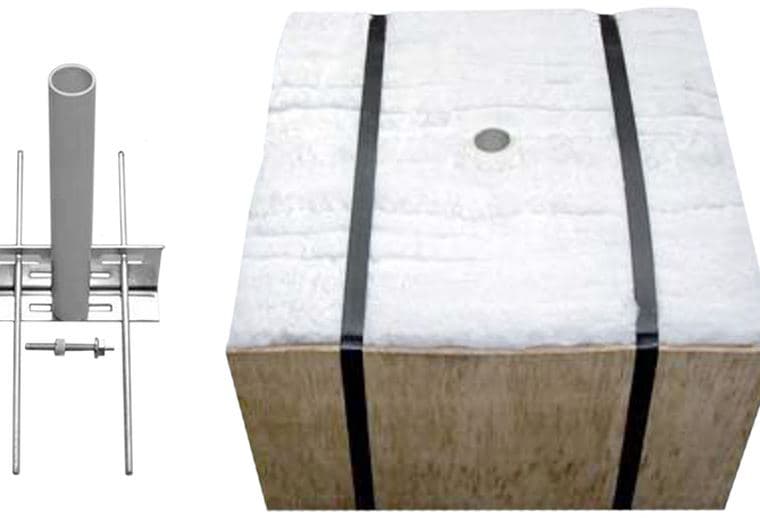
SOLUT folded module with single-sided comb anchor for all-fibre linings
ASWFolded module

SOLUT Module

Folded modules with anchoring system for hot-face all-fibre linings — low thermal mass, short heat-up times, fast installation.

Classification temperature
1260–1430 °C
Grid size
300 × 300 mm
Module depth
100–300 mm
Anchoring
Single-sided comb anchor
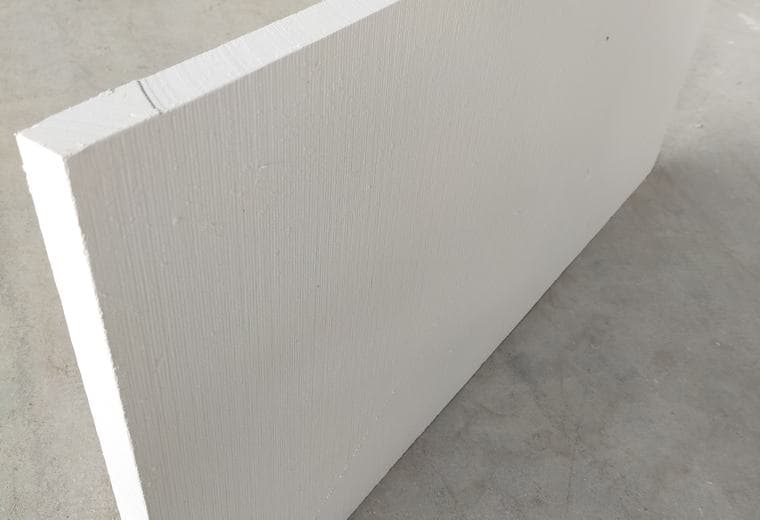
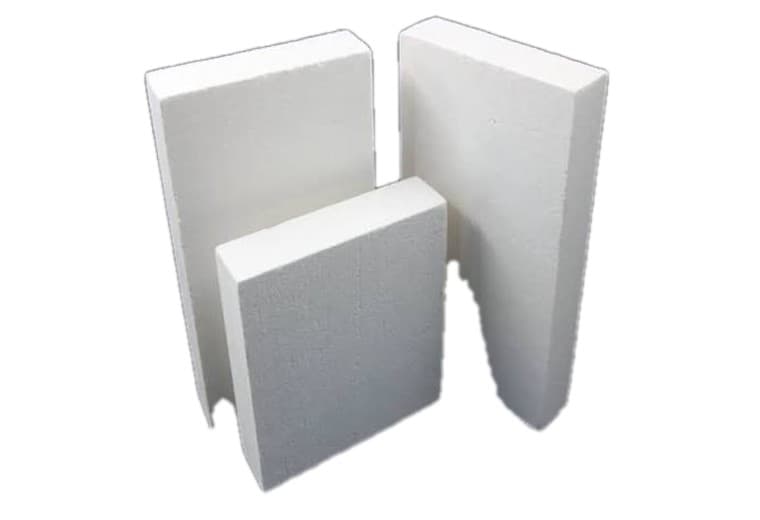
SOLUT Board fibre boards in various thicknesses
ASWAESBoard

SOLUT Board / BW Board

Rigid fibre boards and vacuum-formed parts for mechanically loaded zones, furnace doors, covers and load-bearing insulation layers.

Classification temperature
1000–1430 °C
Version
ASW or bio-soluble
Shaped parts
to drawing
Machining
sawing · milling · drilling
SOLUT Paper ceramic fibre paper on a roll
ASWAESPaper

SOLUT Paper / BW Paper

Thin, flexible ceramic fibre paper with a smooth surface for seals, interlayers and sealing work.

Classification temperature
1200 / 1260 / 1350 °C
Bulk density
200 · 240 kg/m³
Tensile strength
0.3–0.7 kPa
Loss on ignition
4–10 %
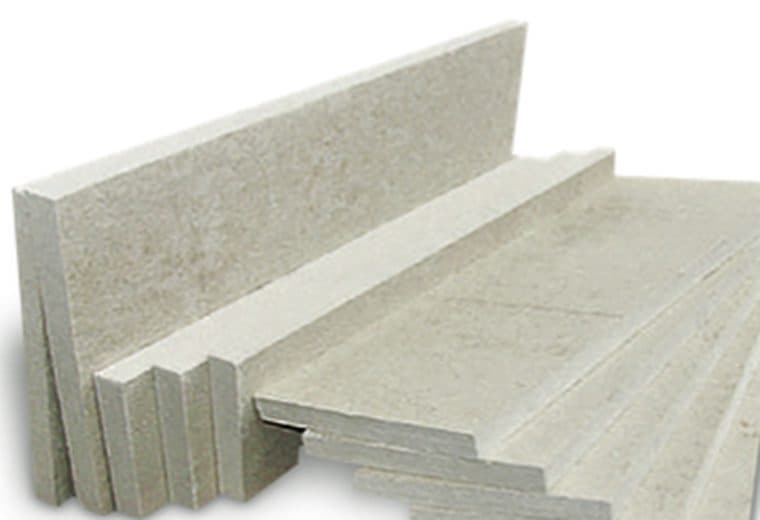
SOLUT CAL Board calcium silicate board
Calcium silicatefibre-free

SOLUT CAL Board

Large-format calcium silicate board for load-bearing insulation — high compressive strength with low thermal conductivity, outside the scope of TRGS 558.

Classification temperature
1000 °C
Bulk density
250 / 350 · 770 kg/m³
Cold crushing strength
13 · 27 N/mm²
Format
2440 × 1220 mm
SOLUT MP Board – microporous insulation boards in three thicknesses
microporousfibre-free

SOLUT MP Board 100 / 1000 AL

Microporous board with the highest insulating performance per millimetre of build height — for restricted installation space and fibre-free bills of materials, e.g. in battery energy storage (BESS).

Temperature limit
1000 / 1100 °C
Density
270 ± 10 % kg/m³
λ at 400 °C
≤ 0.079 W/mK
Facing
Aluminium foil · glass cloth · PE
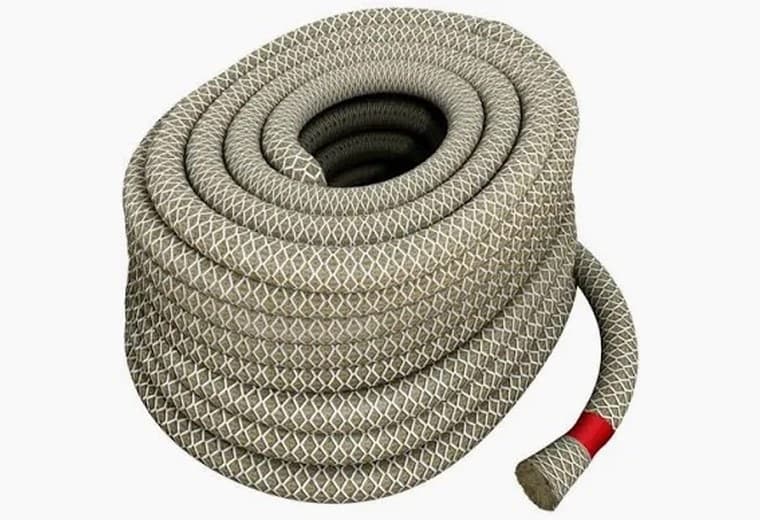
SOLUT Rope – braided ceramic fibre round rope, coiled
ASWGlass cloth

SOLUT Rope & Glass Fiber Tape

Round ropes and glass cloth tapes for furnace door, bogie hearth and penetration seals, and as protective wrapping for hot-gas lines.

Service temperature
up to 1260 °C
Diameter
on request
Version
Round rope · tape
Application
Sealing · wrapping
Decision guide

Bio-soluble or ASW?

The first question that now determines every material selection — technically and in regulatory terms. We assess it together with you before you order.

Which products are involved

The umbrella term for both groups is HTW — high-temperature insulation wool.
ASWAlumino-silicate wool

ASW/RCF — alumino-silicate wool or refractory ceramic fibre

Fibres of alumina and silica (Al₂O₃ / SiO₂), classified up to 1260–1430 °C. Harmonised classification as carcinogen category 1B (H350i), on the REACH Candidate List, handling in accordance with TRGS 558.

Your products: SOLUT Blanket ST, HA and HT as well as Module, Board and Paper in ASW grade.

AES bio-solubleAlkaline earth silicate wool

AES — alkaline earth silicate wool

Fibres of silica with calcium and magnesium oxide — recognisable in the data sheet by SiO₂ / CaO / MgO instead of Al₂O₃ / SiO₂. They dissolve quickly in lung tissue (“bio-soluble”), are therefore exempt from classification under Note Q of the CLP Regulation and do not fall within the scope of TRGS 558. Practical limit usually below approx. 900 °C continuous temperature.

Your products: the BW types — SOLUT BW Blanket, BW Board, BW Paper.

Anyone looking for “bio-soluble” is looking for AES — which is why every product card carries the abbreviation at the top as an identifier, not just in the body text.

AES bio-soluble

SOLUT BW Blanket · BW Board · BW Paper

Exempt from classification as carcinogenic under Note Q of the CLP Regulation — therefore free of hazard labelling and outside the scope of TRGS 558.

  • No exposure categories, no mandatory respiratory protection regime under TRGS 558
  • Satisfies the substitution assessment under TRGS 619
  • First choice for battery energy storage (BESS) and SVHC-free bills of materials
  • Practical service limit typically below approx. 900 °C
ASW · Alumino-silicate wool

SOLUT ST · HA · HT Blanket, Module, Paper

Harmonised classification as carcinogen category 1B (H350i) and on the REACH Candidate List since 19 December 2011 — but technically often without an alternative.

  • Required wherever the hot face is insulated continuously above approx. 900 °C
  • Labelling obligation from 0.1 % by mass; information under REACH Art. 33
  • Handling in accordance with TRGS 558, disposal as hazardous waste (EWC 170603*)
  • Substitution assessment under TRGS 619 must be documented
We take care of the dismantling too. Where ASW is being replaced, our own fitters remove the old lining in accordance with TRGS 558, pack it dust-tight and document the disposal — so that substitution does not fail on the removal side. More about dismantling
Applications

Where our fibre products are installed

By industry and component — with the product typically used there.

Aluminium & non-ferrous metals

700–900 °C
  • Back-up lining of melting and holding furnacesBlanket ST / HA
  • Back-up insulation of bath floorCAL Board · MP Board
  • Launder covers, ladle lidsBlanket · Board
  • Furnace door and flue connection sealsRope · Paper
  • Expansion joints in brickworkBlanket strips
To the industry page

Steel & foundry

1000–1650 °C
  • Ladle lids and ladle preheatersBlanket HT · Module
  • Hot blast main, hot blast stovesBlanket HA/HT · Board
  • EAF roofs and off-gas ductsBlanket · Board
  • Cupola recuperatorBlanket ST / HA
  • Coke plant: door and ascension pipe sealsRope · Glass Fiber Tape
To the industry page

Heat treatment & forging

900–1300 °C
  • All-fibre lining of chamber and bell furnacesModule HA / HT
  • Pusher furnace: roof and side wallsModule + Blanket
  • Roller penetrations and shaft sealsPaper · Rope
  • Furnace door and bogie hearth sealsRope · Glass Fiber Tape
  • Charge fixture baseBoard · CAL Board
To the industry page

Glass

500–1500 °C
  • Feeder and forehearth insulationBlanket HT · Board
  • Annealing lehrBW Blanket 1200
  • Regenerator chamber coversBlanket HA / HT
  • Crown sealing, expansion jointsPaper · Rope

Ceramics & brick

900–1400 °C
  • Tunnel kiln roof in modular constructionModule HA
  • Kiln car superstructure and sub-insulationBoard · CAL Board
  • Sand/labyrinth seal on kiln carsRope · Blanket
  • Dryer and preheating zonesBW Blanket · BW Board

Petrochemicals & reformers

600–1200 °C
  • Steam reformer: radiant section, burner throatsModule HT
  • Ethylene cracking furnaceModule + Blanket HA/HT
  • Transfer lines, hot-gas linesBlanket + Glass Fiber Tape
  • Tube penetrations, anchor coversPaper · Blanket

Energy & combustion

600–1100 °C
  • Boiler wall back-up insulationBlanket ST / HA · Board
  • Afterburner chamber, flue gas ductsBlanket · Board
  • Biomass: back-up insulation in ash fouling zonesBlanket HA + Board
  • Manhole and sight glass sealsRope · Paper
To the industry page

Battery energy storage

up to 1000 °C
  • Internal lining of BESS containersBW Blanket · BW Board
  • Module separation against thermal propagationMP Board · BW Board
  • Cell interlayersBW Paper
  • Cable and connector penetrationsRope · BW Paper
To the industry page
Frequently asked questions

What purchasing and maintenance want to know

What do 1260, 1350 or 1430 °C mean — can I run the material continuously at that temperature?+

No. That is the classification temperature to DIN EN 1094-1 — the temperature at which linear shrinkage does not exceed 4 % after 24 hours of heat treatment. The continuous service temperature of amorphous wools is typically 100–150 °C lower and depends on the lining layer build-up, the cold-face temperature and the operating mode.

Is ceramic fibre carcinogenic?+

Alumino-silicate wool (ASW/RCF) has a harmonised classification as carcinogen category 1B, H350i, and has been on the REACH Candidate List since 19 December 2011. Bio-soluble AES wool is exempt from this classification under Note Q of the CLP Regulation and carries no hazard labelling. As a mechanical fibre it remains a skin irritant — dust avoidance is advisable there too.

What does “bio-soluble” mean in practice — and where is the catch?+

Bio-soluble fibres meet at least one of the four criteria of Note Q, for example a weighted half-life of fibres longer than 20 µm of less than 10 days in the inhalation biopersistence test. The catch: the practical service limit of AES wools is typically below approx. 900 °C — above that, ASW often remains technically necessary.

As an operator, do I have to assess whether I can replace ASW?+

Yes. TRGS 619 requires a documented substitution assessment where technically and economically feasible. The result belongs in the risk assessment. The assessment covers service temperature, insulating performance, long-term behaviour and service life — we supply the technical data for this evaluation.

What respiratory protection do my people need during installation and removal?+

Under TRGS 558 this depends on the exposure category: category 1 respiratory protection recommended, category 2 FFP2/P2 at exposure peaks, category 3 FFP3/P3 or powered respirator mandatory plus type 5 protective suit to DIN EN ISO 13982. TRGS 558 does not apply to bio-soluble AES wool.

How do I dispose of removed ceramic fibre?+

High-temperature insulation wool that has not been thermally stressed falls under waste code 170603* (hazardous waste) and must be packed dust-tight. For wool that has been thermally stressed above 900 °C, TRGS 559 must additionally be observed because of possible cristobalite formation.

Blanket, module or board — which do I use for what?+

Blankets for flexible back-up insulation, compensation strips and seals. Folded modules for hot-face all-fibre linings of cyclically operated furnaces — low thermal mass, short heat-up times. Boards for rigid, mechanically loaded zones and as load-bearing insulation layers.

Why calcium silicate or microporous instead of fibre?+

Fibre-free materials do not fall within the scope of TRGS 558. Microporous boards additionally offer the highest insulating performance per millimetre of build height — decisive when installation space is limited or the customer requires a fibre-free bill of materials.

Can I use fibre products in direct contact with molten aluminium?+

No. Fibre products belong in the back-up insulation behind the refractory wear lining, not in contact with the melt.

Can I get cut pieces and special shapes?+

Yes — as cut pieces, strips, special thicknesses, roll widths to specification and as vacuum-formed parts to drawing. A roll width of 1220 mm is available on request.
Request material — with a response within 24 hours

Tell us the plant, temperature and installation location. We propose the lining layer build-up, quote price and delivery date, and deliver including installation on request.

Planning a project?

Whether complete relining, repair or emergency — free initial consultation and a fast response.