
Disposal & circular economy
Planning and execution of the disposal of all materials arising during dismantling in compliance with waste legislation. Covers classification in accordance with the AVV, record-keeping, recovery optimisation and landfill allocation.
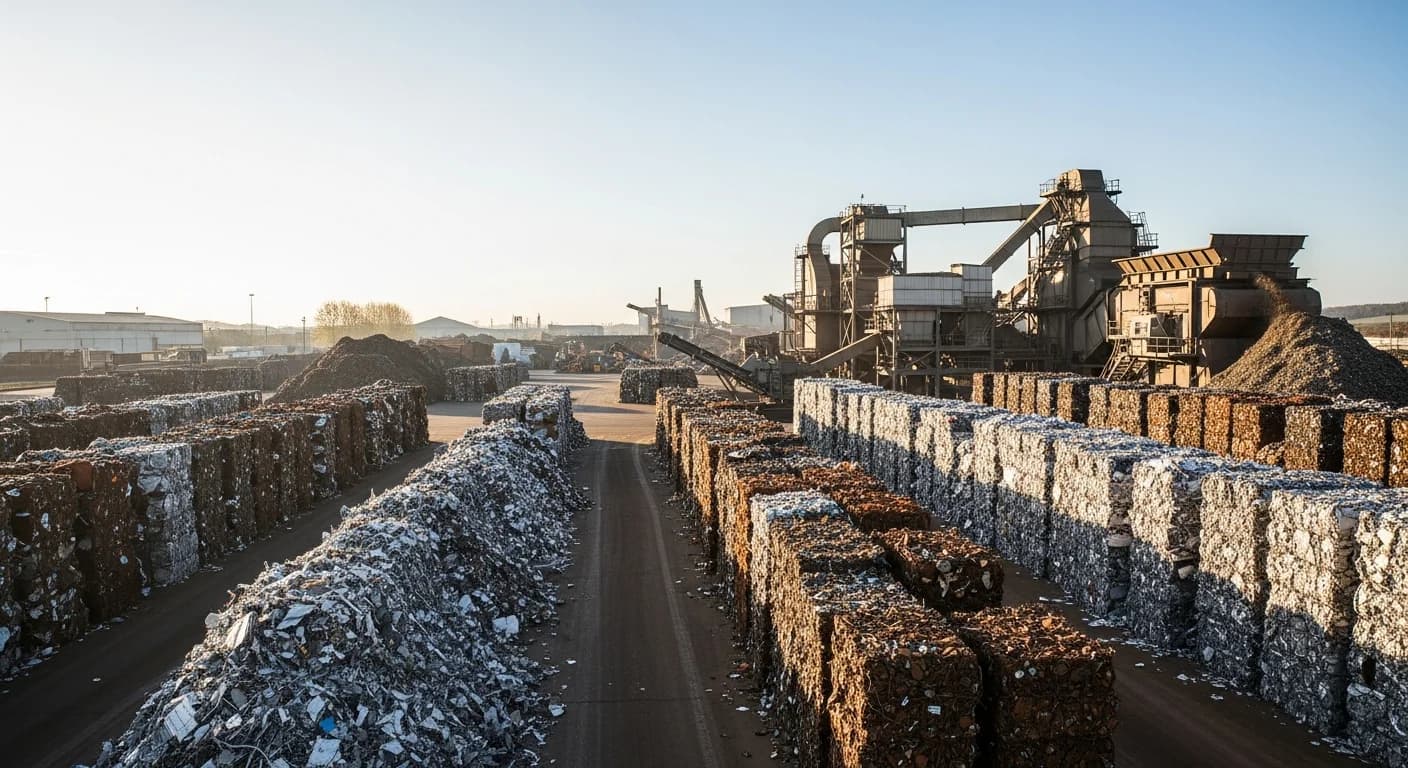
Disposal & circular economy
When is this service relevant?
Industrial dismantling generates complex waste streams: mineral masses, metals, timber, plastics, insulating materials, hazardous waste and special waste. Correct classification under the German Waste Catalogue Ordinance (AVV) determines the disposal route, the costs and the liability.
SBS integrates waste management directly into the dismantling planning. Material streams are identified, recovery routes defined and disposal certificates obtained as early as the dismantling concept stage. Grade-pure separation on site is more economical than subsequent sorting in treatment plants.
Our objective: the maximum recovery rate with seamless documentation. The Closed Substance Cycle Waste Management Act (KrWG) requires recovery to take precedence over disposal — we implement this consistently and document the results with weighbridge tickets, disposal certificates and recovery rate reports.
At a glance
- Classification under waste legislation before dismantling begins
- Obtain disposal certificates for hazardous waste in advance
- Comply with the separate collection obligation under the GewAbfV
- Electronic waste verification procedure (eANV) for all hazardous waste
- Declaration analysis for waste subject to landfill under the DepV
- Document the precedence of recovery in accordance with § 6 KrWG
How we work on Disposal & circular economy
Proven methods and specialised equipment for optimal results.
Waste classification
Allocation of all dismantling materials to AVV code numbers on the basis of material analyses and determination of origin. Distinction between hazardous (*) and non-hazardous waste.
On-site sorting
Grade-pure separation directly at the dismantling site: separate containers for construction rubble, metals, timber, plastics and hazardous waste. Container logistics and weighing system on site.
Recovery optimisation
Identification of the economically and ecologically best recovery routes. Processing of construction rubble into RC material, metal recycling, thermal recovery of combustible fractions. Landfilling only as a last option.
Record-keeping (eANV)
Seamless electronic documentation via the electronic waste verification procedure: disposal certificates, consignment notes, collection notes. Final documentation that meets the requirements of the authorities.
Step by step to the result
Structured, transparent and on schedule — this is how we work.
Waste inventory & quantity forecast
Recording of all expected waste fractions from the dismantling concept. Quantity forecast for each AVV code. Identification of hazardous waste.
Basis: hazardous substance survey report, as-built drawings, quantity survey. Result: disposal concept with allocation of the recovery and disposal routes.
Disposal contracts & certificates
Obtaining disposal certificates for hazardous waste. Framework agreements with certified disposal and recovery operators.
Verification of the disposal operator's certification (EfbV), landfill allocation in accordance with DepV Annex 3, negotiation of terms. Certificates available before dismantling begins.
Site disposal logistics
Setting up the sorting areas, container standing places and weighing station on site. Container logistics with an exchange cycle.
Labelling and colour coding of the containers. Instruction of all dismantling personnel in the segregation system. Regular inspection of sorting quality.
Transport & recovery
Removal of the waste to approved facilities. Consignment note documentation for hazardous waste. Weighbridge tickets for all fractions.
Transport permits under the AbfAEV for hazardous waste. GPS tracking for sensitive transports. Real-time monitoring of the recovery rate.
Final documentation
Disposal report with quantity balances, recovery rates, certificates and weighbridge tickets. Handover to the client and, where applicable, the authorities.
Summary of all disposal routes for each AVV code. Evidence of the precedence of recovery in accordance with the KrWG. Documents subject to retention requirements (5 years for hazardous waste).
Material flows in Disposal & circular economy
Proper separation, recovery and disposal of all resulting materials.
Construction rubble (mineral, uncontaminated)
AVV 17 01 07Concrete, brick, mortar and tiles free from hazardous substance contamination. After processing, usable as a recycled building material in road construction and earthworks.
Refractory demolition material
AVV 16 11 04Used refractory bricks and masses without contamination. Grade-pure collection enables high-quality reuse.
Metals (ferrous and non-ferrous)
AVV 17 04 01 – 17 04 07Steel, stainless steel, copper, aluminium, brass and zinc. Grade-pure separation maximises the recycling revenue and the material quality.
Timber (treated and untreated)
AVV 17 02 01 / 17 02 04*Roof trusses, formwork timber and pallets (untreated) versus impregnated timber and railway sleepers (treated, in some cases hazardous waste).
When is this service relevant?
Typical situations in which Disposal & circular economy is used.
Dismantling projects with complex waste streams
Statutory verification obligations for hazardous waste
Optimisation of the recovery rate on ongoing projects
Disposal concepts for permit applications
Remediation of contaminated land including soil disposal
Cost reduction through intelligent waste stream management
Frequently asked questions
Everything you need to know about Disposal & circular economy
Your question not listed?
Request a personal consultationYou may also find this of interest
Planning a project?
Whether complete relining, repair or emergency — free initial consultation and a fast response.