
Military energy systems & infrastructure
Lining, servicing and maintenance of refractory linings in military power generation plants. Covers gas turbines, mobile power plants, combustion engines and thermal energy storage systems for self-sufficient energy supply.
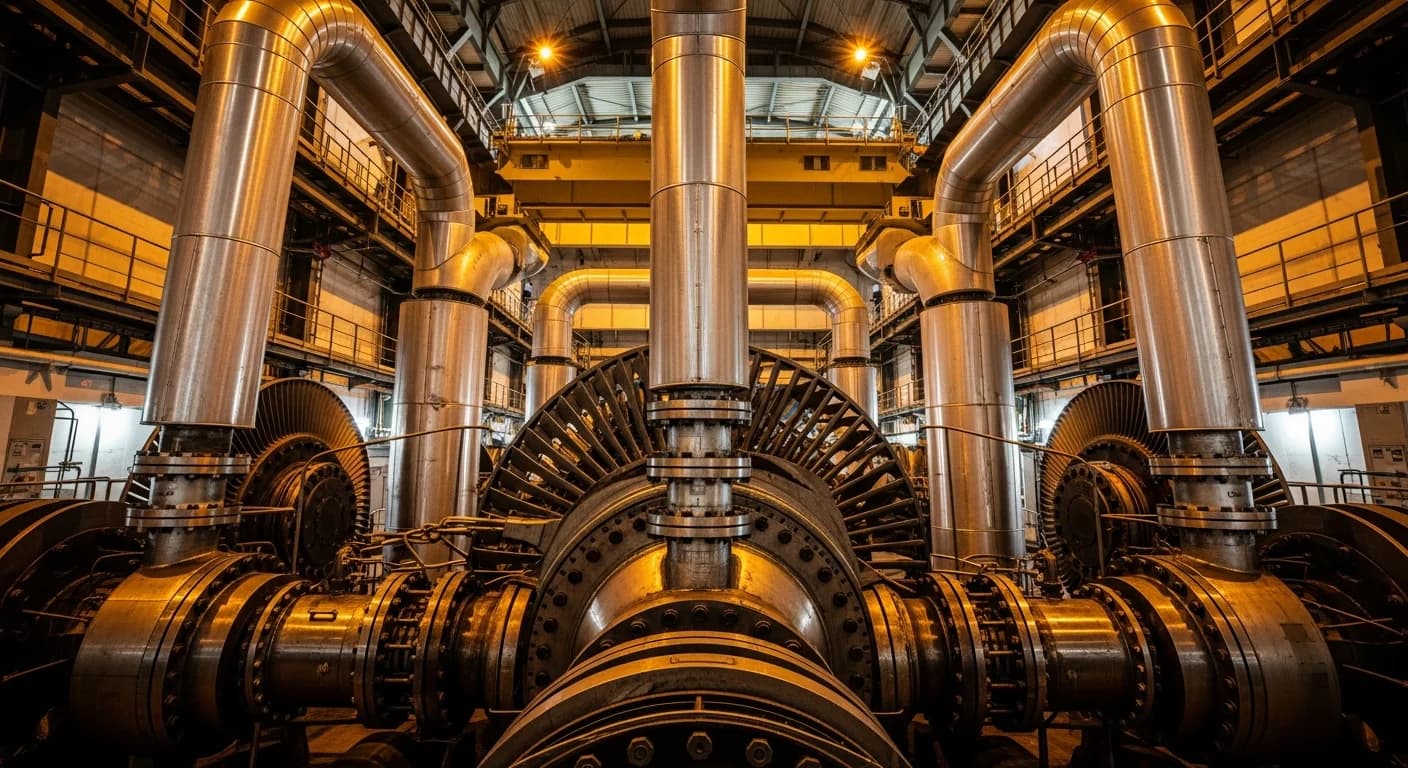
Military energy systems & infrastructure
Application scenarios
Military operations require an uninterrupted energy supply — from field camps through permanent bases to mobile forces. Gas turbines, combustion engines and thermal plants form the backbone of this energy infrastructure.
SBS Refractory Service supplies the refractory lining that keeps these systems working reliably: combustion chamber linings for gas turbines, flue gas duct linings for combined heat and power units and thermal insulation for energy storage systems.
Our experience from industrial furnace construction is transferred here to the particular requirements of military energy systems: robust designs, rapid repairability and operational capability under extreme ambient conditions.
At a glance
- Operational capability under extreme climatic conditions
- Refractory lining designed for vibration and transport loads
- Rapid replaceability of wear components in the field
- Compatibility with military fuels (JP-8, F-34)
- Redundant systems for an uninterrupted supply
- Documentation in accordance with military maintenance regulations
How we work on Military energy systems & infrastructure
Proven methods and specialised equipment for optimal results.
Combustion chamber lining
Refractory lining of gas turbine combustion chambers. High-temperature-resistant materials protect the steel structure and optimise combustion efficiency through targeted thermal insulation.
Flue gas duct lining
Refractory and erosion-resistant lining of exhaust paths downstream of turbines and combustion engines. Protects the duct structure and reduces heat losses for waste heat recovery.
Thermal insulation
Thermal insulation of power generation units to increase efficiency and protect personnel. Multi-layer insulation systems with a mechanically resilient outer layer.
Field repair
Rapid repair of damaged refractory components directly on site. Prefabricated repair kits and fast-setting refractory castables allow recommissioning within hours.
Step by step to the result
Structured, transparent and on schedule — this is how we work.
System analysis & design
Determination of the thermal load profiles and dimensioning of the refractory lining.
Analysis of the fuel characteristics, flue gas temperatures and composition, vibration loads. Design of the refractory layers taking account of the operating conditions.
Material provision
Procurement and quality testing of the refractory materials including field repair kits.
Selection of vibration-resistant refractory castables, high-temperature-resistant insulation and corrosion-resistant anchors. Compilation of repair kits for field use.
Installation & lining
Professional installation of the refractory lining in combustion chambers, flue gas ducts and units.
Installation to the lining drawing, documented drying and heat-up curve. Particular care in areas subject to vibration: elastic joint design and flexible anchoring.
Commissioning & performance test
Controlled initial commissioning with performance measurement and thermography.
Stepwise heat-up, checking of leak-tightness and thermal performance. Thermographic documentation of the external temperatures as a reference for later inspections.
Servicing & maintenance
Scheduled inspections and needs-based repair of the refractory lining.
Inspection intervals based on operating hours. Comparison of the thermographic readings with the reference. Replacement of wear zones, remedial work on cracks and spalling.
Material flows in Military energy systems & infrastructure
Proper separation, recovery and disposal of all resulting materials.
High-temperature refractory castable (Al₂O₃-SiO₂)
Vibration-compacted or self-flowing refractory castable for use in gas turbine hot gas paths. Resistant to thermal cycling and fuel slag.
Microporous insulating boards
Insulating boards with a nanoscale pore structure and an extremely low thermal conductivity of around 0.02 W/mK at room temperature. Ideal for space-critical applications in mobile energy systems.
Ceramic fibre modules (1,400 °C)
Prefabricated fibre modules for lining flue gas ducts and heat exchangers. Low weight, good damping under vibration loads.
Heat-resistant stainless steel (1.4828)
Austenitic heat-resistant steel for continuous operation up to 1,000 °C. Used for anchors, supports and support structures of the refractory lining.
Application scenarios
Typical situations in which Military energy systems & infrastructure is used.
Refractory lining of gas turbine combustion chambers in field camps
Thermal insulation of mobile combined heat and power units
Repair of refractory components on power generation plants
Flue gas duct lining for combined heat and power plants on bases
Construction of thermal energy storage systems for self-sufficient supply
Frequently asked questions
Everything you need to know about Military energy systems & infrastructure
Your question not listed?
Request a personal consultationYou may also find this of interest
Planning a project?
Whether complete relining, repair or emergency — free initial consultation and a fast response.