Demilitarisation & recycling
Refractory lining and furnace technology for thermal demilitarisation plants. Covers controlled incineration, melting down and metal recovery in compliance with strict environmental and safety requirements.
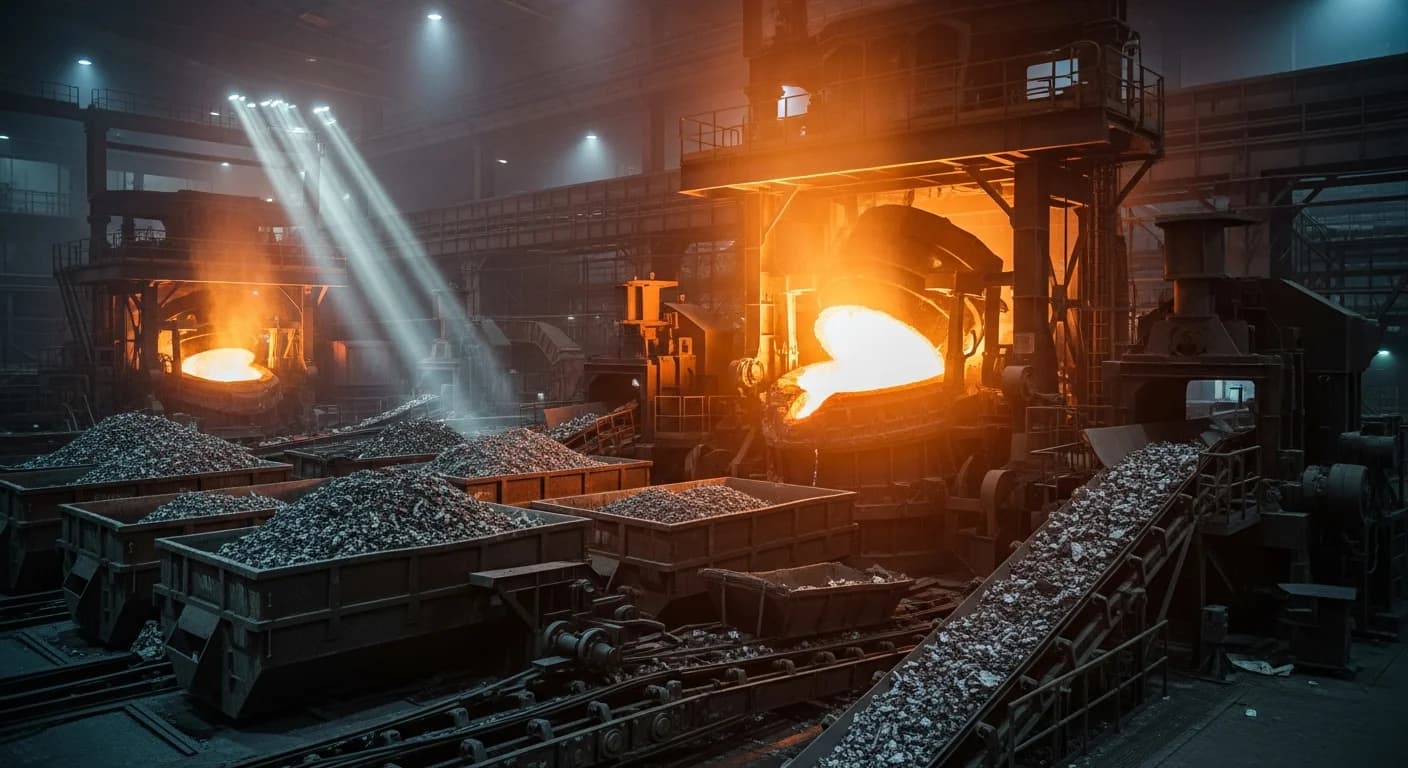
Demilitarisation & recycling
Application scenarios
The disposal of decommissioned ammunition and military materials requires thermal processes carried out under the highest safety requirements. Controlled incineration at defined temperatures neutralises hazardous substances, while the metals they contain are recovered for recycling.
SBS Refractory Service supplies the refractory infrastructure for demilitarisation plants: wear-resistant furnace linings that withstand the abrasive and chemically aggressive conditions of thermal disposal processes — campaign after campaign.
Our expertise from industrial furnace construction ensures that the refractory lining is matched to the specific thermochemical loads of ammunition disposal. Seamless documentation and quality control are a natural part of every project.
At a glance
- Permit procedure under the BImSchG for thermal treatment plants
- Explosion protection document in accordance with the ATEX Directive
- Continuous emissions monitoring during operation
- Safety distances and protective barriers in accordance with explosives law
- Qualified operating personnel holding an explosives licence
- Documentary evidence of disposal in accordance with the eANV
How we work on Demilitarisation & recycling
Proven methods and specialised equipment for optimal results.
Thermal delaboration
Controlled burn-out of ammunition in refractory-lined chambers at defined temperatures. Neutralises explosives and propellants while preserving metallic casings and housings for recycling.
Melting process
Melting down of metallic ammunition components in induction or arc furnaces. Grade-pure recovery of steel, copper, brass and aluminium.
Detonation chamber
Refractory-lined armoured chambers for the controlled detonation of ammunition that cannot be transported. The lining absorbs the thermal and mechanical energy of the detonation.
Flue gas treatment & filtration
Multi-stage flue gas cleaning downstream of the thermoprocessing plants. The refractory lining of the afterburner chambers ensures complete decomposition of organic pollutants.
Step by step to the result
Structured, transparent and on schedule — this is how we work.
Process planning & permitting
Matching the furnace design to the specific type of ammunition and the regulatory requirements.
Analysis of the ammunition characteristics (calibre, explosive type, metal content). Design of the refractory lining for thermal and mechanical loads. Contribution to the permit application under the BImSchG.
Furnace construction & lining
Installation of the refractory lining in combustion chambers, afterburner chambers and flue gas ducts.
Multi-layer structure: safety lining, insulation, wear lining. Special joints for thermal expansion. Anchoring systems for dynamic loading.
Commissioning & trial run
Controlled heat-up, calibration of the emissions monitoring system, first trial run.
Heat-up curve to specification, leak testing, emissions measurement. Validation of the process parameters with defined test batches.
Routine operation & monitoring
Ongoing monitoring of the refractory lining during routine operation.
Regular visual inspection, thermographic monitoring of the external temperatures, wear measurement at critical points. Replacement of wear zones according to plan.
Campaign change & relining
Scheduled replacement of the wear lining at the end of the campaign.
Documented demolition of the old lining, inspection of the safety layer, relining with an optimised material selection based on the wear analysis.
Material flows in Demilitarisation & recycling
Proper separation, recovery and disposal of all resulting materials.
Steel cases and housings (ammunition scrap)
Steel alloys from ammunition cases and projectile housings. Usable as a secondary raw material after thermal delaboration and melting down.
Non-ferrous metals (copper, brass, aluminium)
Driving bands and cases made of copper alloys such as tombac and brass, plus aluminium components. Grade-pure separation before melting down maximises the recycling revenue.
High-alumina refractory castable (Al₂O₃ > 80 %)
Abrasion- and slag-resistant refractory castable for lining thermal delaboration plants. Withstands chemically aggressive combustion products.
Silicon carbide bricks (SiC)
Extremely wear-resistant refractory materials with high thermal conductivity. Used in areas subject to severe alternating mechanical and thermal loads.
Application scenarios
Typical situations in which Demilitarisation & recycling is used.
Thermal disposal of decommissioned ammunition stocks
Melting down of metallic military materials to recover raw materials
Construction or retrofitting of delaboration and incineration plants
Maintenance of existing demilitarisation furnaces
Disposal of non-transportable ordnance in detonation chambers
Frequently asked questions
Everything you need to know about Demilitarisation & recycling
Your question not listed?
Request a personal consultationYou may also find this of interest
Planning a project?
Whether complete relining, repair or emergency — free initial consultation and a fast response.